10 ZImage Turbo Prompts for Cinematic Photography 한국어 요약
이 페이지는 ZView Space의 영어 원문을 한국어 검색 사용자도 이해할 수 있도록 정리한 SEO 요약입니다. 핵심은 단순한 얼굴 중심 이미지가 아니라 패션 에디토리얼, 룩북, 아웃핏, 프롬프트 테스트, 이미지 생성 워크플로우를 실제로 어떻게 구성할지입니다.
핵심 요약
- 원문 주제: 10 ZImage Turbo Prompts for Cinematic Photography
- 목적: AI 이미지 생성에서 outfit, silhouette, fabric, pose, location, camera framing을 더 명확하게 설계합니다.
- 활용 범위: Z-Image Turbo, Krea2 Turbo, Qwen Image, Anima, SeedVR2 같은 이미지 생성 및 업스케일 워크플로우에 적용할 수 있습니다.
- SEO 관점: 제목, 설명, 이미지 alt, 프롬프트 예시가 실제 검색 의도와 맞아야 색인 가능성이 높아집니다.
한국어 사용자를 위한 체크포인트
1. 프롬프트가 얼굴 묘사에만 머물지 않고 전체 스타일과 의상 구성을 설명하는지 확인합니다. 2. 패션 이미지라면 상의, 하의, 아우터, 신발, 액세서리, 소재감, 촬영 장소를 분리해서 씁니다. 3. 생성 결과는 바로 게시하지 말고 디테일, 손, 의상 형태, 배경 일관성, 이미지 품질을 비교합니다. 4. 글 본문에는 실제 테스트 기준과 실패를 줄이는 방법이 들어가야 검색엔진에서 얇은 콘텐츠로 보일 가능성이 줄어듭니다.
원문 미리보기
ZImage Turbo is useful when you need fast visual exploration without giving up photographic structure. For cinematic images, the key is to prompt for scene, lens behavior, lighting, color, and emotional context instead of only naming a style. Below are 10 prac
---
ZImage Turbo is useful when you need fast visual exploration without giving up photographic structure. For cinematic images, the key is to prompt for scene, lens behavior, lighting, color, and emotional context instead of only naming a style.
Below are 10 practical prompt examples for cinematic photography workflows. Each one is designed for a different use case, from character studies to product scenes, and can be adjusted for aspect ratio, subject, or brand direction.
How to prompt cinematic photography in ZImage Turbo
A strong cinematic prompt usually includes five parts:
- Subject: who or what is in the frame
- Setting: where the moment takes place
- Lighting: practical lamps, dusk light, neon, window light, firelight
- Camera language: lens length, depth of field, framing, motion, film grain
- Mood: quiet, tense, nostalgic, isolated, warm, documentary
You do not need to overload the prompt. ZImage Turbo tends to respond well to clear visual instructions. Keep the scene readable, then add one or two cinematic details that shape the image.
1. Rainy street portrait
Use this for character concepts, editorial portraits, or moody social visuals.
Cinematic street portrait of a young woman standing under a transparent umbrella at night, wet asphalt reflecting neon signs, soft blue and magenta rim light, shallow depth of field, 50mm lens, realistic skin texture, subtle film grain, composed like a quiet scene from an independent drama, natural expression, no text, no logoWhy it works: The prompt defines the setting and lighting clearly. Wet pavement and neon reflections create instant cinematic depth without requiring a complex scene.
2. Desert road wide shot
Use this for travel concepts, album art, film pitch visuals, or atmospheric landscape work.
Wide cinematic photograph of a lone vintage car parked on an empty desert highway at golden hour, distant mountains, long shadows across the road, warm orange sunlight, 35mm lens, low camera angle, realistic dust in the air, expansive negative space, subtle film grain, quiet road movie atmosphereBest for: establishing shots, poster backgrounds, and location mood boards.
3. Window-lit interior scene
Use this when you need a naturalistic image that feels like a film still rather than a staged render.
Cinematic interior photograph of a person sitting alone at a small kitchen table in the early morning, soft window light cutting through thin curtains, coffee cup on the table, muted beige and blue color palette, 85mm lens, shallow depth of field, realistic shadows, intimate framing, quiet reflective moodEditing tip: If the result feels too polished, add phrases such as imperfect composition, lived-in apartment, or natural clutter.
4. Neon diner at midnight
Use this for retro-futurist editorial images, character scenes, or stylized storyboards.
Cinematic photo of a nearly empty roadside diner at midnight, one person seated in a red vinyl booth, neon sign glowing through the window, rain streaks on the glass, teal and red color contrast, 40mm lens, soft haze, realistic reflections, moody film still, detailed but not crowdedWhy it works: The booth, window, neon sign, and rain give the model specific objects to organize. That helps the image feel intentional instead of generically cinematic.
5. Product shot with film lighting
Cinematic prompts are not only for people. This one is useful for premium product concepts, campaign mockups, and visual direction tests.
Cinematic product photograph of a black ceramic perfume bottle on a dark stone surface, single warm spotlight from the left, thin line of rim light on the glass edge, soft smoke in the background, macro detail, 70mm lens, shallow depth of field, elegant shadows, high-end editorial photography, no text, no brand logoUse case: Quickly test lighting directions before a real product shoot or create visual references for a creative brief.
6. Foggy forest character scene
Use this for fantasy-adjacent concepts that still need photographic realism.
Cinematic photograph of a lone traveler in a dark coat walking through a foggy pine forest at dawn, soft grey light, visible breath in cold air, tall trees fading into mist, 35mm lens, centered composition, natural color grading, realistic fabric texture, atmospheric film still, restrained and groundedPrompt note: Words like restrained and grounded help avoid overly theatrical fantasy results.
7. Backstage music portrait
Use this for musician visuals, magazine-style portraits, or documentary-inspired campaigns.
Cinematic backstage portrait of a guitarist tuning an electric guitar before a show, warm tungsten bulbs around a mirror, cables and equipment cases in the background, shallow depth of field, 50mm lens, handheld documentary feel, soft grain, realistic skin tones, focused expression, intimate music venue atmosphereBest for: artist press imagery, playlist covers, or fictional band concepts.
8. Train station farewell
Use this for narrative compositions where body language matters more than action.
Cinematic photograph of two people standing apart on a quiet train platform at dusk, one holding a small suitcase, train lights glowing in the distance, cool blue ambient light with warm highlights, 85mm lens, shallow depth of field, emotional tension, realistic clothing, subtle film grain, composed like a final sceneWhy it works: The scene suggests a story but leaves it open. This is useful when you want emotional ambiguity instead of a literal plot.
9. Urban rooftop at blue hour
Use this for fashion, lifestyle, tech brand visuals, or modern character portraits.
Cinematic rooftop photograph of a person leaning against a concrete ledge above a dense city skyline at blue hour, office windows glowing behind them, soft wind moving their jacket, cool cyan shadows, gentle warm key light on the face, 35mm lens, realistic city depth, modern editorial mood, clean compositionVariation: Replace person with small group, dancer, founder, or athlete depending on the campaign.
10. Candlelit historical portrait
Use this for period-inspired visuals, book covers, gallery studies, or dramatic editorial concepts.
Cinematic candlelit portrait of an older man seated at a wooden desk in a dim room, handwritten papers and an old map nearby, warm candle glow on one side of the face, deep shadows, 85mm lens, painterly but realistic photography, fine skin detail, dark brown and amber palette, quiet historical drama moodPrompt note: Painterly but realistic can be useful when you want a classical mood while keeping the output photographic.
Practical ways to adapt these prompts
You can use the prompts as full inputs, but they are also templates. Swap one element at a time to keep control over the result.
Change the lens feel
- 35mm: wider, environmental, good for scenes
- 50mm: natural perspective, good for portraits and documentary looks
- 85mm: compressed background, emotional close-ups
- Macro: useful for products, food, and texture studies
Change the lighting
- Golden hour: warm, open, nostalgic
- Blue hour: cool, modern, atmospheric
- Tungsten: intimate, indoor, practical light
- Neon: urban, stylized, high contrast
- Window light: natural, editorial, quiet
Change the output purpose
For a film pitch, ask for an establishing shot, character portrait, or final scene composition.
For a brand campaign, add product placement, color palette, surface material, and negative space for layout.
For a social post, simplify the scene and request a strong central subject with clean background separation.
For a storyboard, specify camera angle, action, and continuity details such as same outfit, same location, or matching light direction.
Negative prompt ideas
If your workflow supports negative prompts, use them to reduce common image-generation issues:
blurry face, extra fingers, distorted hands, unreadable text, watermark, logo, overexposed highlights, plastic skin, oversaturated colors, cluttered composition, duplicate subjectFor cinematic photography, it is often better to prevent excess than to add more style terms. Clean composition, believable light, and controlled color usually matter more than dramatic wording.
Final workflow tip
Start with one of the prompts above, generate a small batch, then revise only the weakest part. If the scene is good but the face is wrong, adjust the subject. If the subject is good but the image feels flat, revise the lighting. If everything feels too generic, add a more specific location, prop, or time of day.
Cinematic AI images improve when the prompt behaves like a shot description: clear enough for the model to stage, but open enough to leave room for visual interpretation.
Example Images
Z-Image
Cinematic street portrait of a young woman standing under a transparent umbrella at night, wet asphalt reflecting neon signs, soft blue and magenta rim light, shallow depth of field, 50mm lens, realistic skin texture, subtle film grain, composed like a quiet scene from an independent drama, natural expression, no text, no logo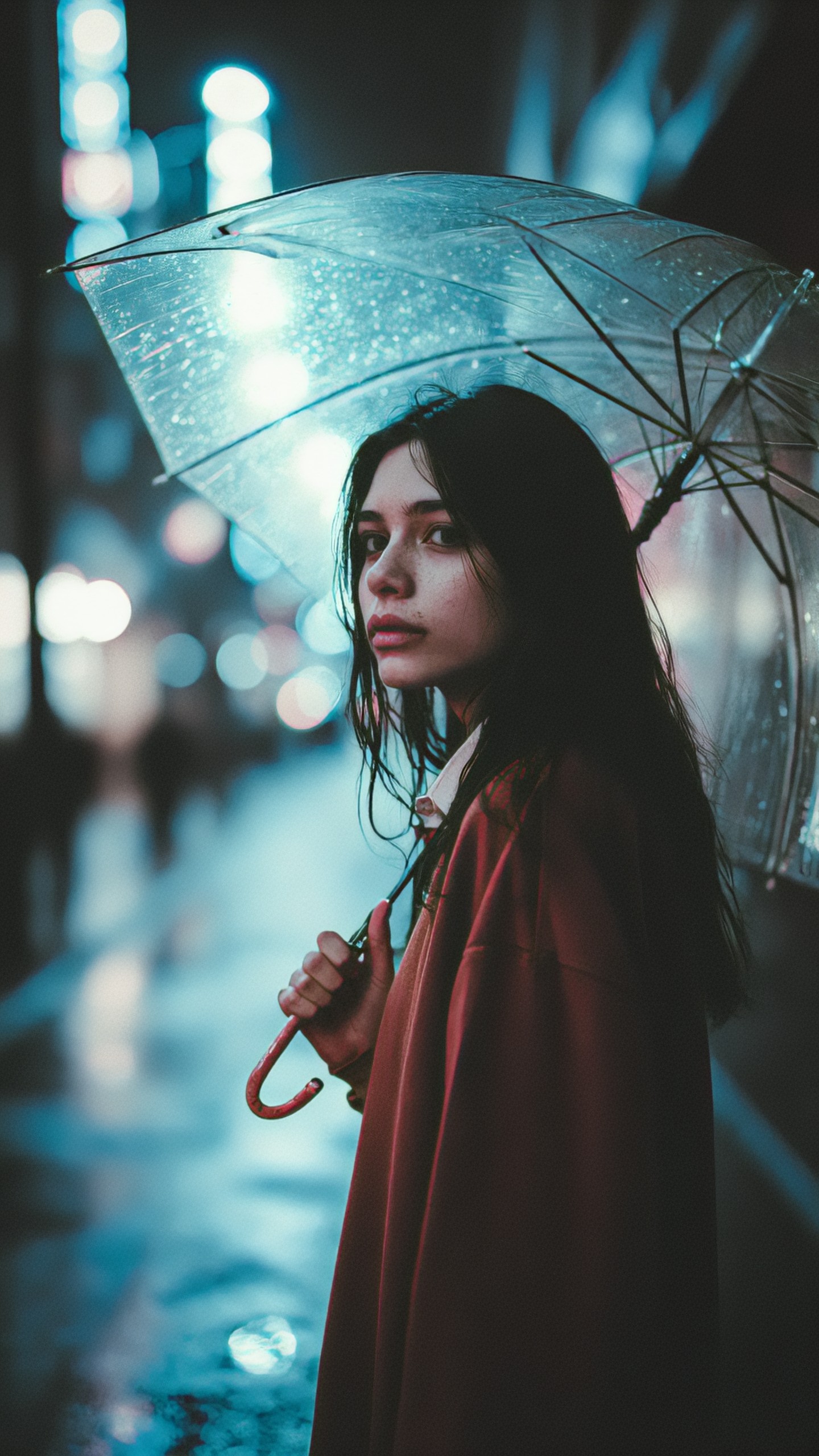
Wide cinematic photograph of a lone vintage car parked on an empty desert highway at golden hour, distant mountains, long shadows across the road, warm orange sunlight, 35mm lens, low camera angle, realistic dust in the air, expansive negative space, subtle film grain, quiet road movie atmosphere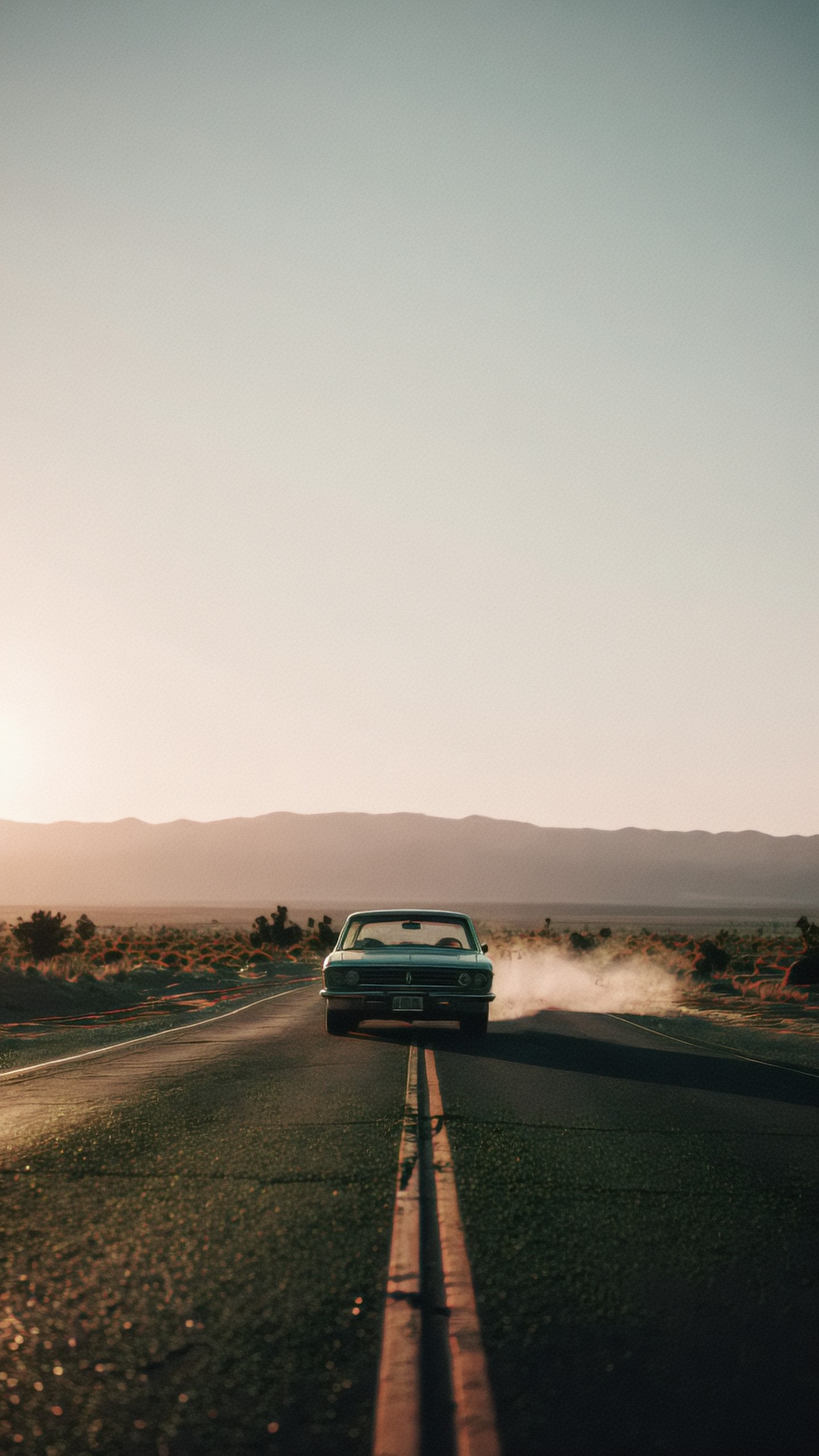
Cinematic interior photograph of a person sitting alone at a small kitchen table in the early morning, soft window light cutting through thin curtains, coffee cup on the table, muted beige and blue color palette, 85mm lens, shallow depth of field, realistic shadows, intimate framing, quiet reflective mood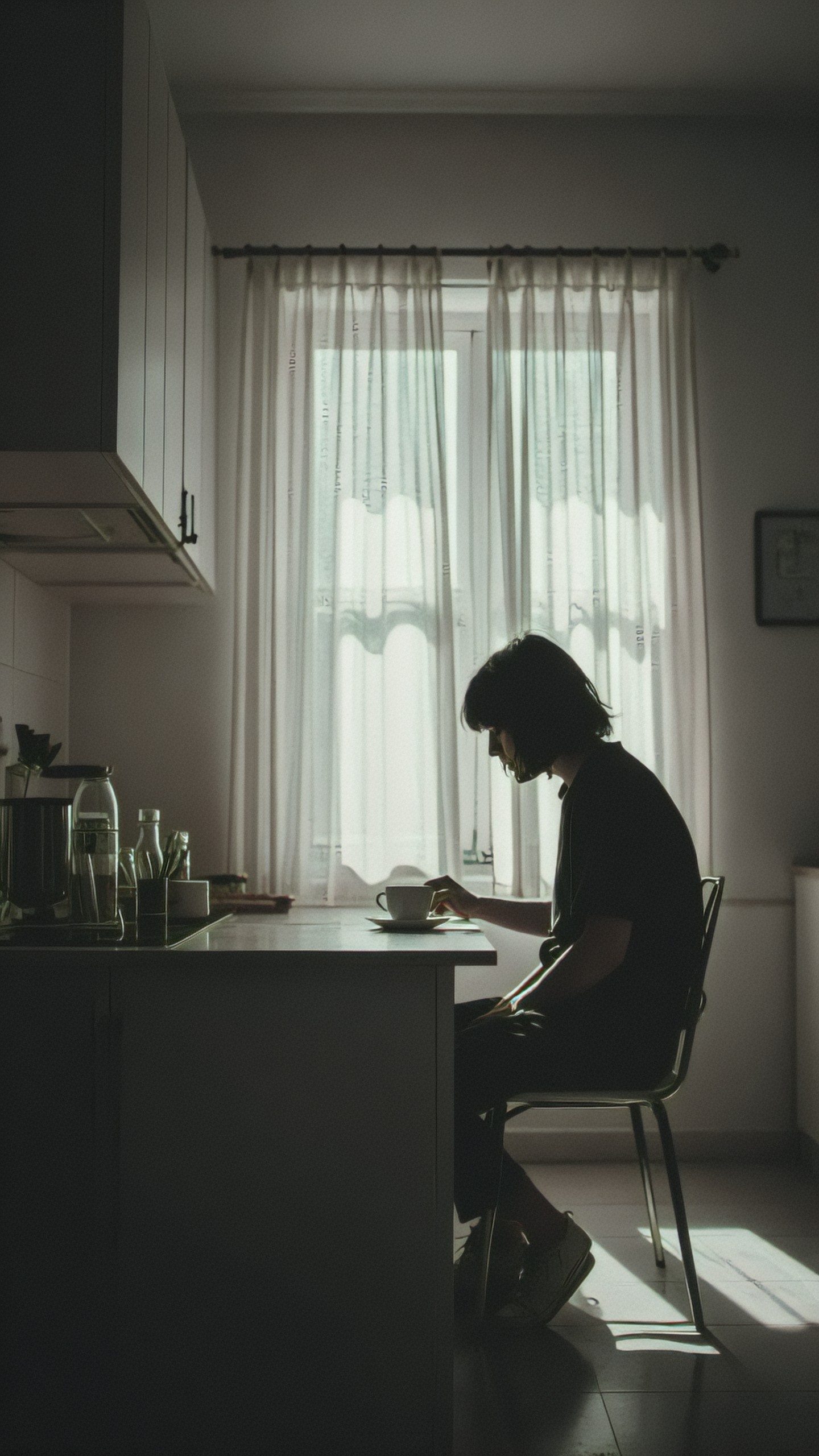
Cinematic photo of a nearly empty roadside diner at midnight, one person seated in a red vinyl booth, neon sign glowing through the window, rain streaks on the glass, teal and red color contrast, 40mm lens, soft haze, realistic reflections, moody film still, detailed but not crowded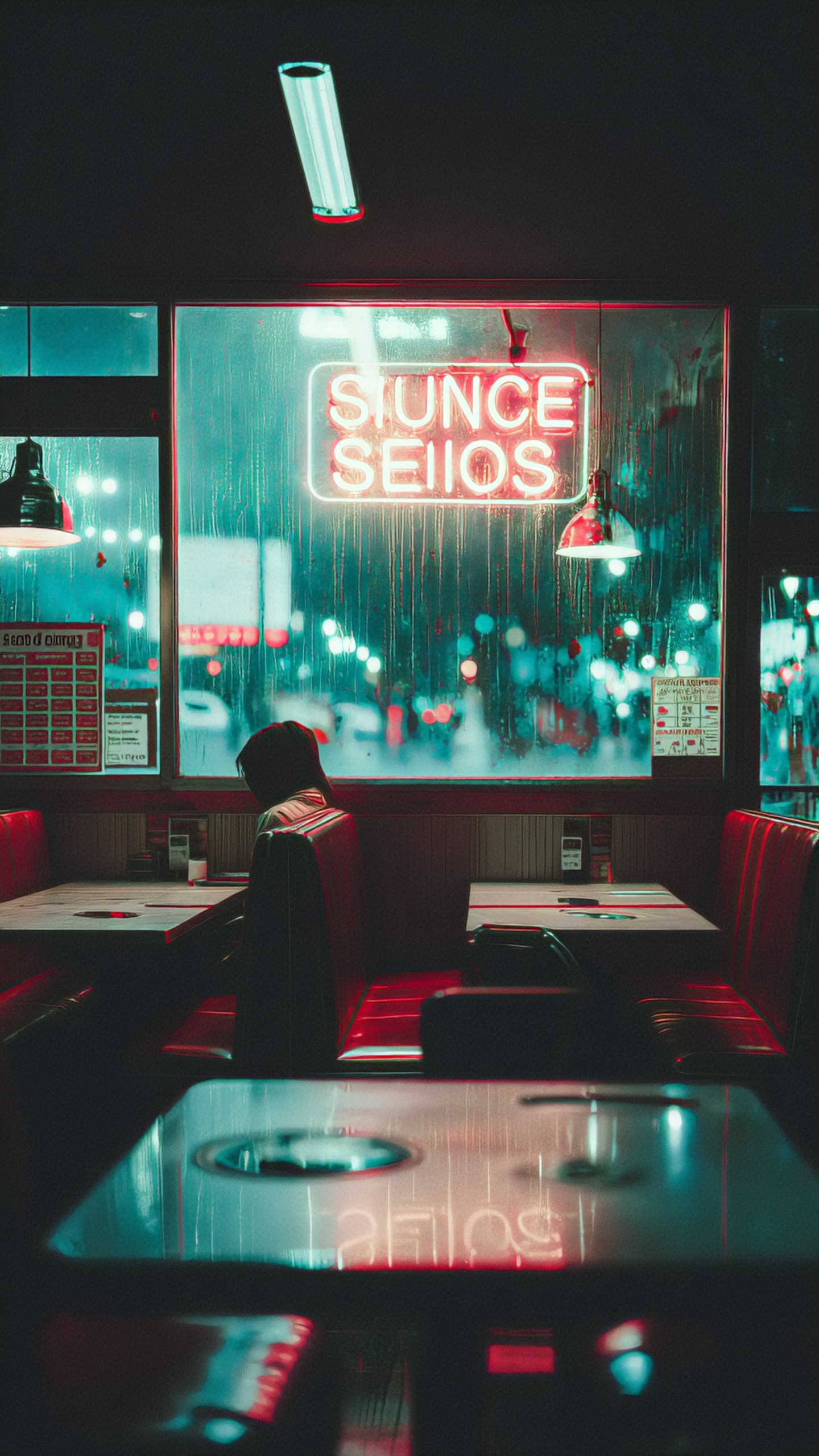
Cinematic product photograph of a black ceramic perfume bottle on a dark stone surface, single warm spotlight from the left, thin line of rim light on the glass edge, soft smoke in the background, macro detail, 70mm lens, shallow depth of field, elegant shadows, high-end editorial photography, no text, no brand logo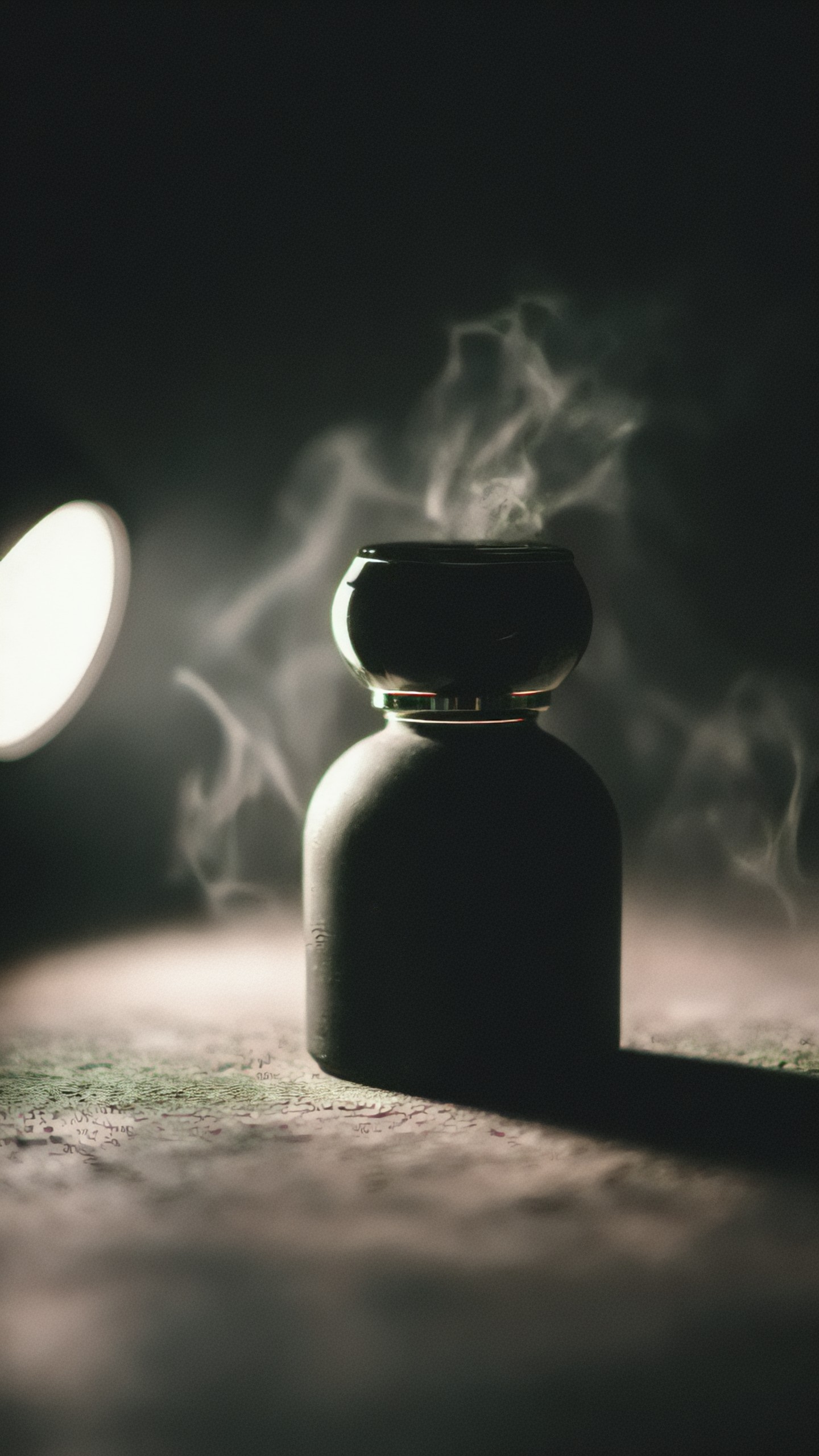
Cinematic photograph of a lone traveler in a dark coat walking through a foggy pine forest at dawn, soft grey light, visible breath in cold air, tall trees fading into mist, 35mm lens, centered composition, natural color grading, realistic fabric texture, atmospheric film still, restrained and grounded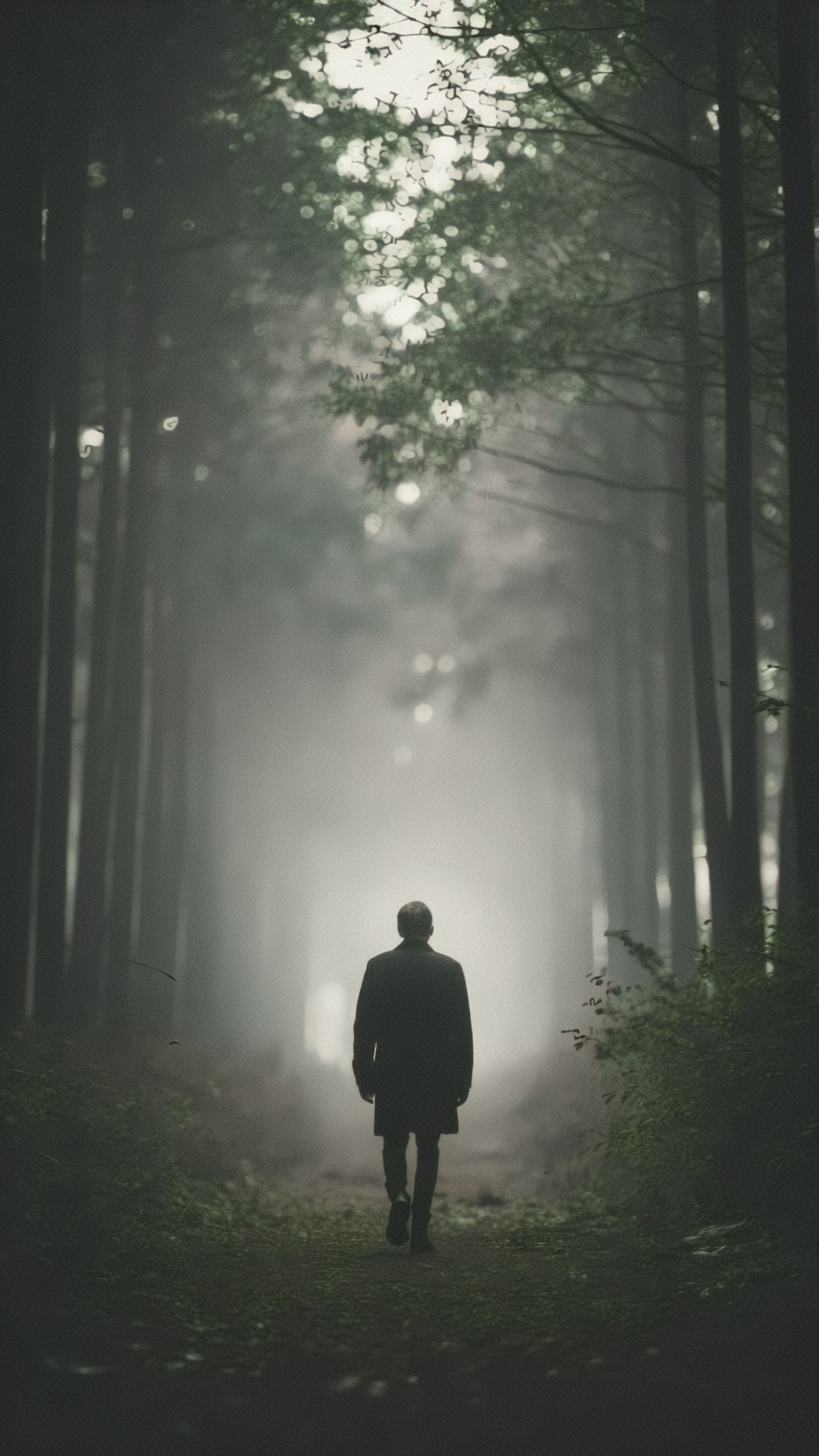
Cinematic backstage portrait of a guitarist tuning an electric guitar before a show, warm tungsten bulbs around a mirror, cables and equipment cases in the background, shallow depth of field, 50mm lens, handheld documentary feel, soft grain, realistic skin tones, focused expression, intimate music venue atmosphere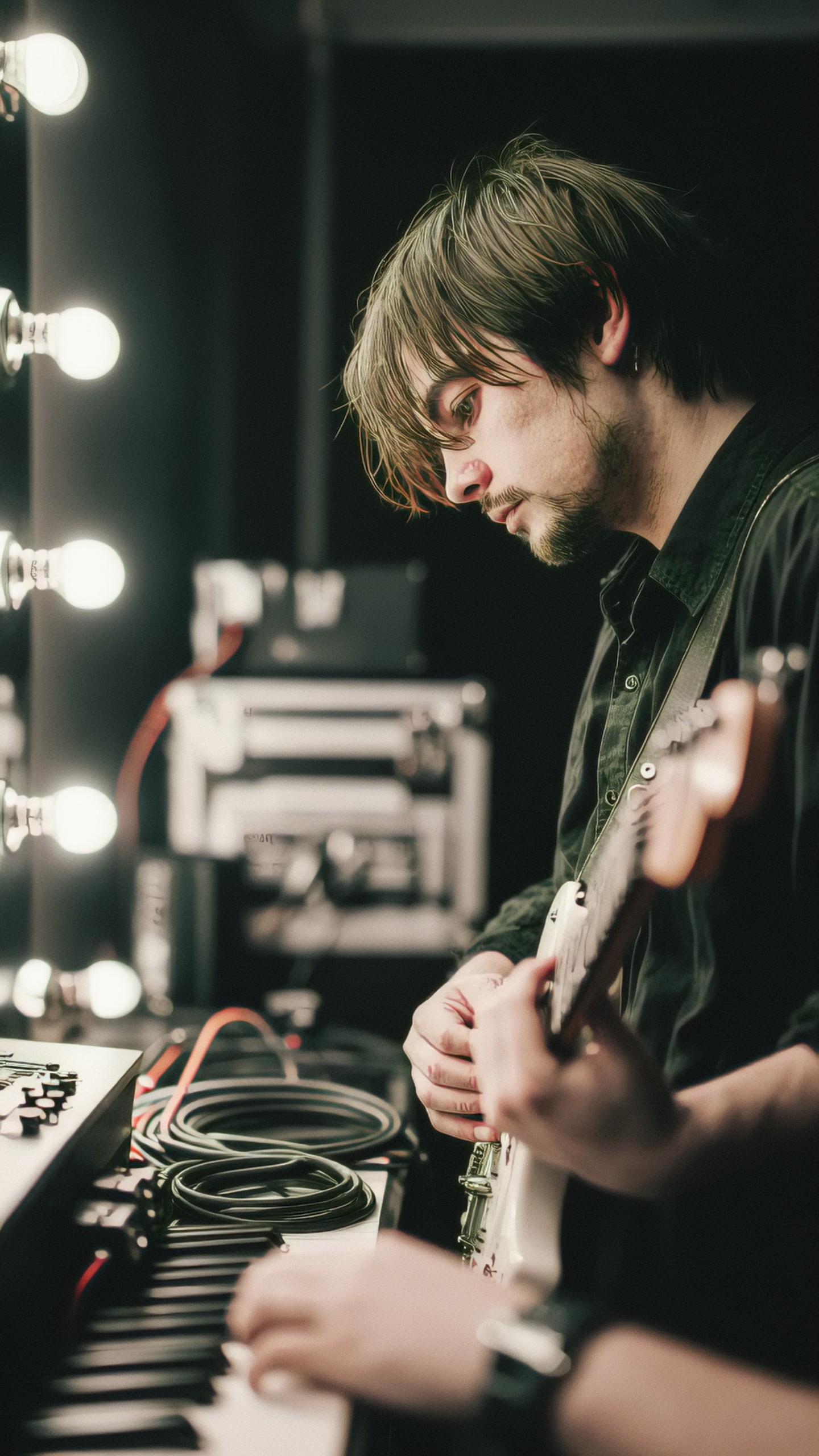
Cinematic photograph of two people standing apart on a quiet train platform at dusk, one holding a small suitcase, train lights glowing in the distance, cool blue ambient light with warm highlights, 85mm lens, shallow depth of field, emotional tension, realistic clothing, subtle film grain, composed like a final scene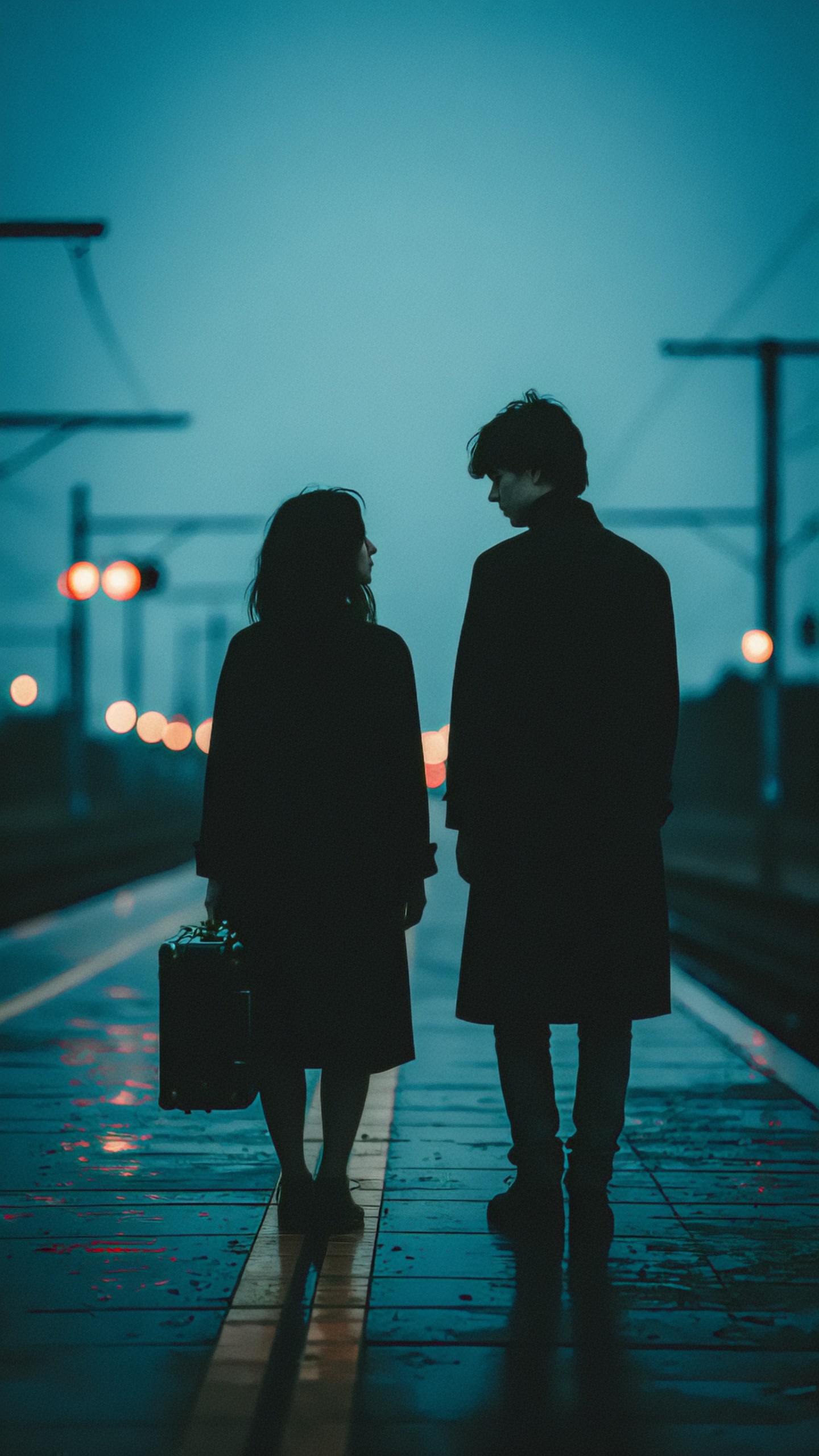
Cinematic rooftop photograph of a person leaning against a concrete ledge above a dense city skyline at blue hour, office windows glowing behind them, soft wind moving their jacket, cool cyan shadows, gentle warm key light on the face, 35mm lens, realistic city depth, modern editorial mood, clean composition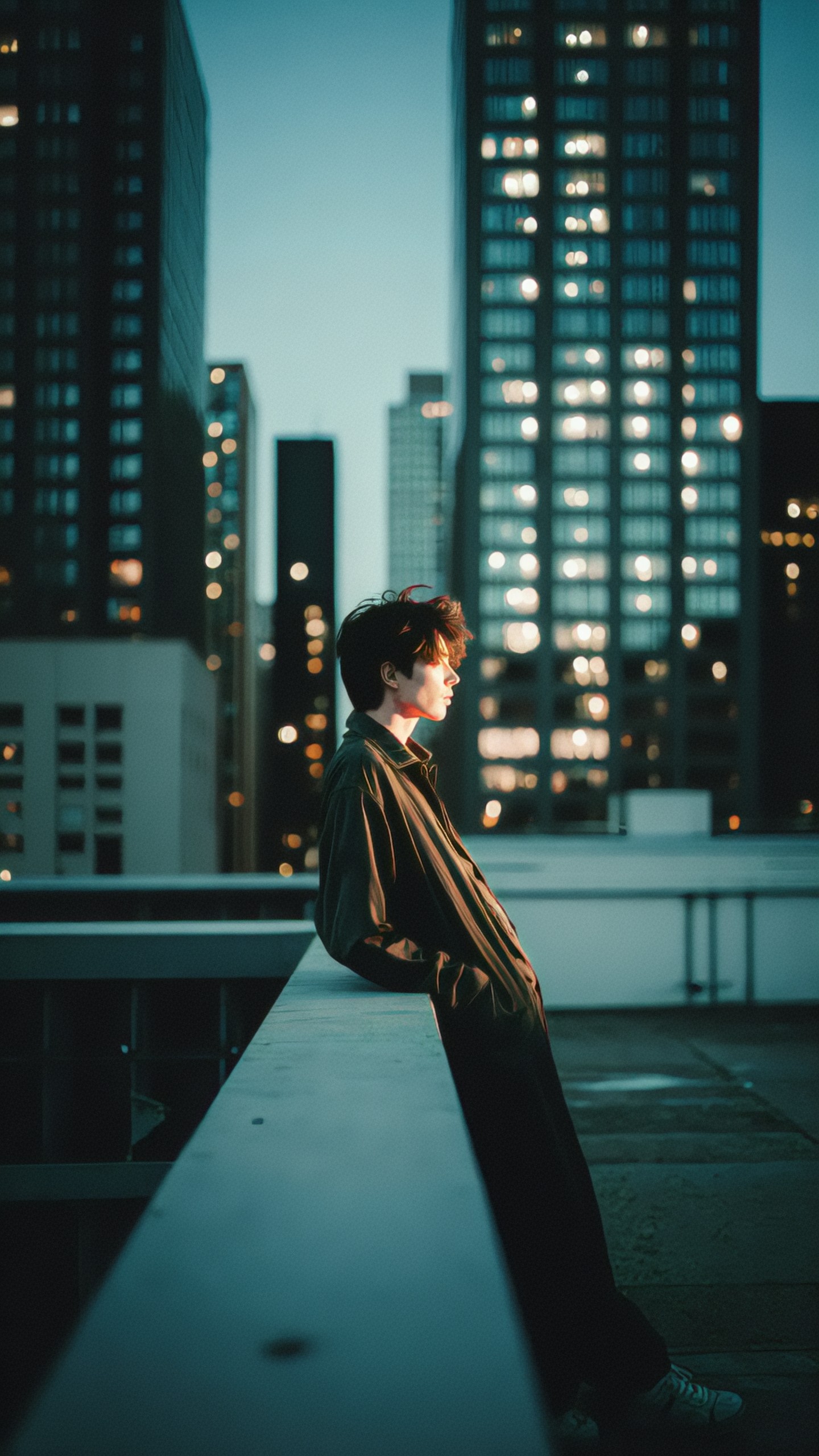
Cinematic candlelit portrait of an older man seated at a wooden desk in a dim room, handwritten papers and an old map nearby, warm candle glow on one side of the face, deep shadows, 85mm lens, painterly but realistic photography, fine skin detail, dark brown and amber palette, quiet historical drama mood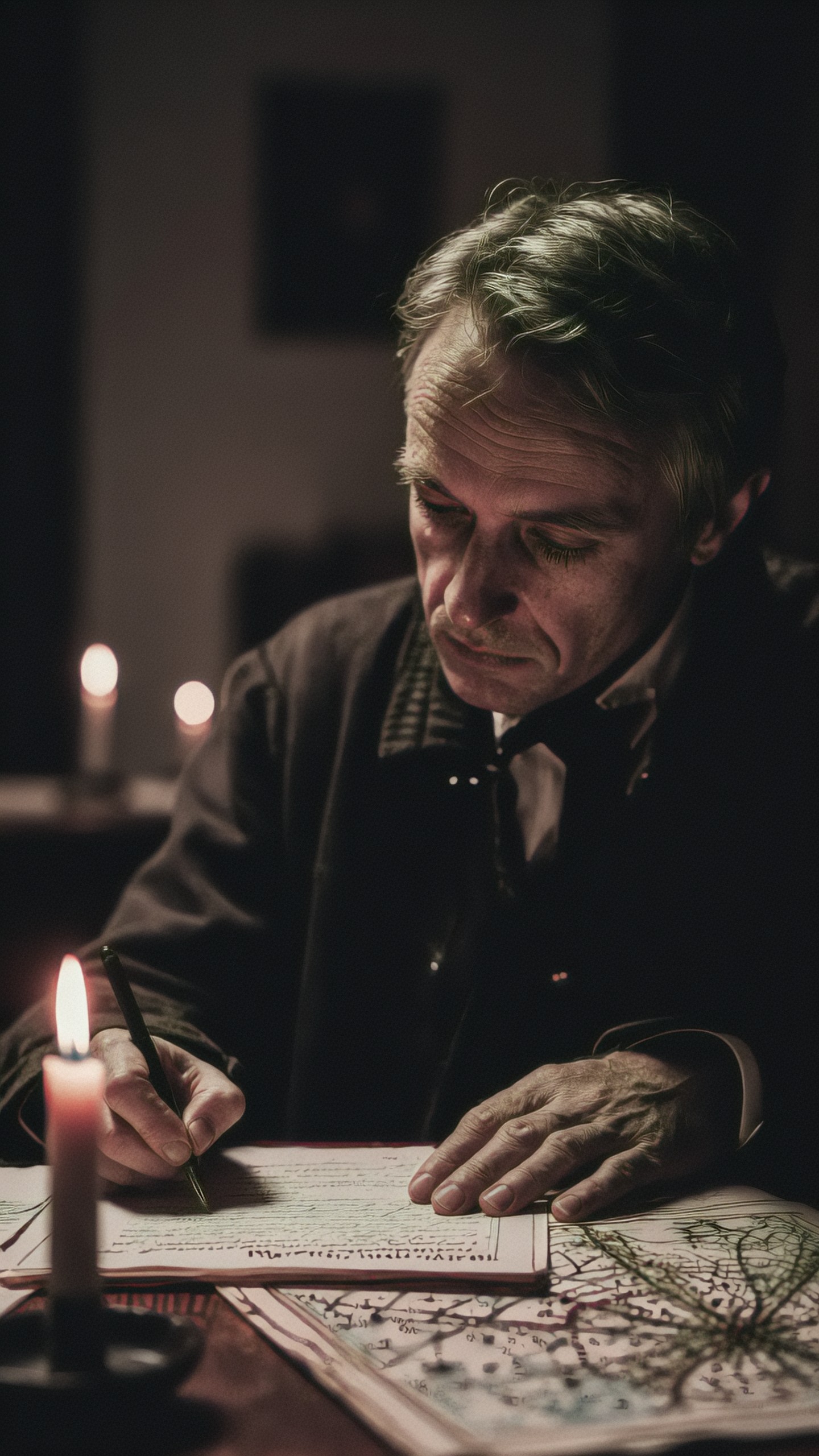
blurry face, extra fingers, distorted hands, unreadable text, watermark, logo, overexposed highlights, plastic skin, oversaturated colors, cluttered composition, duplicate subject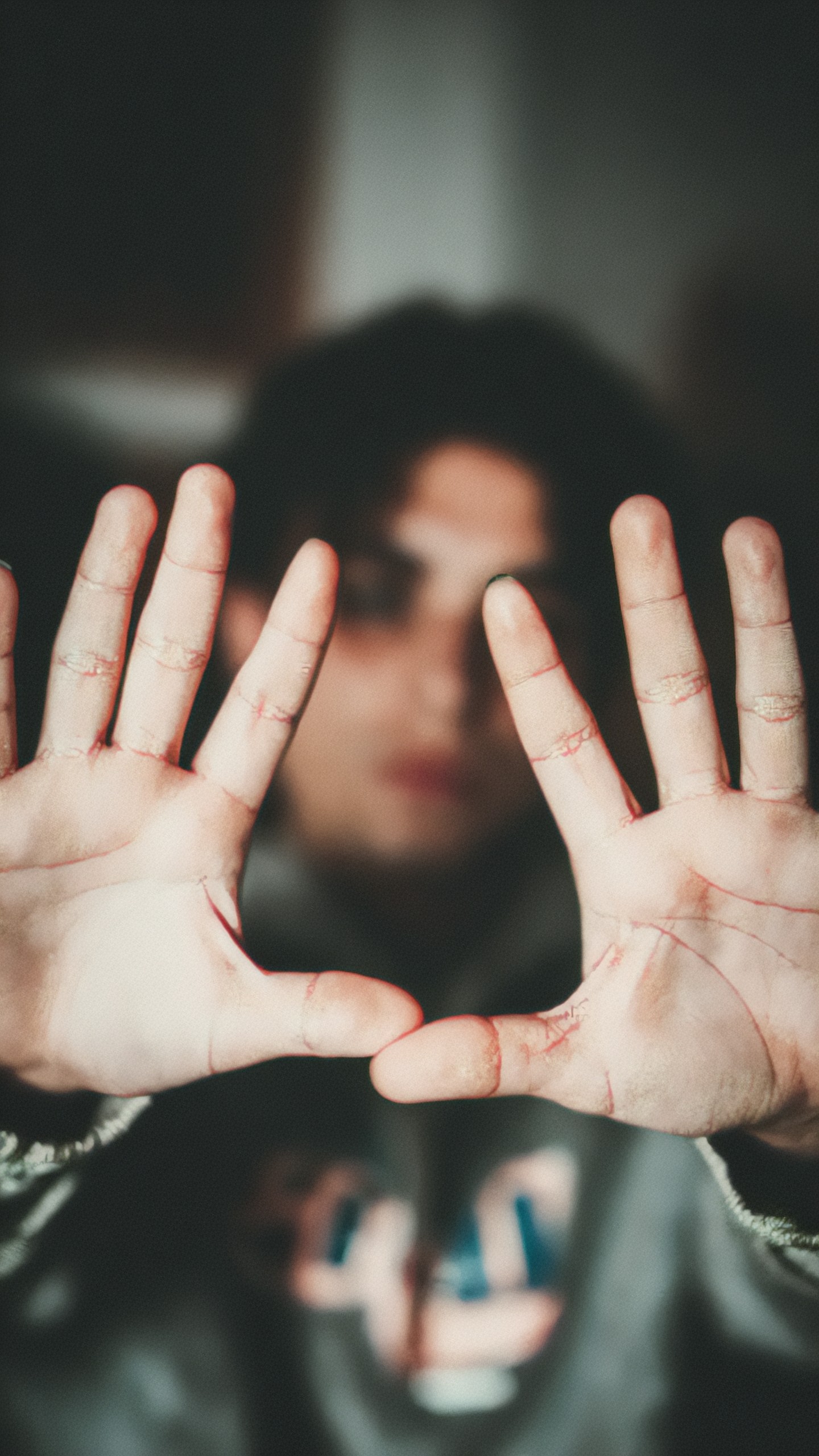
<!-- zview-hands-on-backfill -->
Practical Test Notes
What this article should verify
- Whether this prompt structure can produce readable cinematic photography from short inputs that specify subject, setting, lighting, lens language, and mood.
- Whether ZImage Turbo appears to keep photographic coherence across different scene types such as portraits, interiors, landscapes, and product-oriented compositions.
- Whether small prompt details like lens length, film grain, reflections, haze, or color contrast noticeably change the image instead of being ignored.
- Whether the setup is better for fast visual exploration than for final production images that require strict continuity or brand precision.
Result checks
When reviewing the existing or future outputs, focus on these result checks and what to inspect:
- Face stability: natural eyes, believable skin texture, consistent proportions, and expressions that match the intended mood.
- Hand risk: fingers, hand pose, and interaction with props such as umbrellas, cups, or car doors.
- Lighting control: window light, neon, dusk, or practical lamps should shape the subject clearly rather than flatten the frame.
- Background consistency: diner booths, rain on glass, highways, kitchens, and other setting details should support the scene without drifting into unrelated objects.
- Texture quality: wet asphalt, fabric, glass reflections, dust, and subtle film grain should look photographic rather than smeared or overly synthetic.
- Style consistency: the outputs should feel like cinematic stills, not generic portrait renders with random color grading.
- Product clarity where relevant: if adapting these prompts for objects, inspect edge definition, label distortion, and whether lighting still serves the product shape.
Failure risks
The main failure risks come from prompts that sound cinematic but are still too broad. If subject, setting, and camera language are not balanced, the model may overemphasize color mood and underdeliver on composition. Scenes with rain, neon, haze, reflections, and shallow depth of field can also stack too many effects, causing muddy backgrounds or unclear subjects. Character scenes may fail on hands or facial symmetry, while product scenes can lose clean geometry if "film still" atmosphere becomes stronger than object accuracy.
Practical recommendation
Use this test setup if you need fast concept frames, mood boards, storyboard references, or editorial starting points. Avoid it for jobs that need exact product fidelity, repeated character continuity, or highly controlled campaign assets. The detail that matters most is clear camera and lighting language: keep the scene simple, then add only one or two cinematic modifiers so the result checks stay readable.