50 Best Qwen Image 2512 Prompts for Photorealistic Images 한국어 요약
이 페이지는 ZView Space의 영어 원문을 한국어 검색 사용자도 이해할 수 있도록 정리한 SEO 요약입니다. 핵심은 단순한 얼굴 중심 이미지가 아니라 패션 에디토리얼, 룩북, 아웃핏, 프롬프트 테스트, 이미지 생성 워크플로우를 실제로 어떻게 구성할지입니다.
핵심 요약
- 원문 주제: 50 Best Qwen Image 2512 Prompts for Photorealistic Images
- 목적: AI 이미지 생성에서 outfit, silhouette, fabric, pose, location, camera framing을 더 명확하게 설계합니다.
- 활용 범위: Z-Image Turbo, Krea2 Turbo, Qwen Image, Anima, SeedVR2 같은 이미지 생성 및 업스케일 워크플로우에 적용할 수 있습니다.
- SEO 관점: 제목, 설명, 이미지 alt, 프롬프트 예시가 실제 검색 의도와 맞아야 색인 가능성이 높아집니다.
한국어 사용자를 위한 체크포인트
1. 프롬프트가 얼굴 묘사에만 머물지 않고 전체 스타일과 의상 구성을 설명하는지 확인합니다. 2. 패션 이미지라면 상의, 하의, 아우터, 신발, 액세서리, 소재감, 촬영 장소를 분리해서 씁니다. 3. 생성 결과는 바로 게시하지 말고 디테일, 손, 의상 형태, 배경 일관성, 이미지 품질을 비교합니다. 4. 글 본문에는 실제 테스트 기준과 실패를 줄이는 방법이 들어가야 검색엔진에서 얇은 콘텐츠로 보일 가능성이 줄어듭니다.
원문 미리보기
Photorealistic prompting works best when you describe a real shoot: subject, setting, camera behavior, lighting, materials, and the purpose of the image. For Qwen Image 2512, the most reliable prompts are specific without becoming cluttered. They give the mode
---
Photorealistic prompting works best when you describe a real shoot: subject, setting, camera behavior, lighting, materials, and the purpose of the image. For Qwen Image 2512, the most reliable prompts are specific without becoming cluttered. They give the model enough visual direction while leaving room for natural detail.
Below are 50 practical prompt ideas for realistic AI images, organized by use case. Eight of them are expanded into production-ready prompts you can copy, adapt, and test directly.
A simple prompt structure for realism
Use this format when building your own Qwen Image 2512 prompts:
- Subject: who or what is in the image
- Context: location, activity, time of day
- Lighting: window light, overcast daylight, flash, golden hour
- Camera style: lens, framing, depth of field, viewpoint
- Texture details: skin, fabric, glass, metal, dust, condensation
- Output intent: editorial, product page, lifestyle ad, documentary still
- Avoid: plastic skin, oversharpening, distorted hands, fake text, CGI look
The best results usually come from prompts that sound like a photographer briefing, not a keyword dump.
Portrait and people prompts
These are useful for editorial portraits, professional profile images, campaign mockups, and character references.
1. Natural window-light portrait of a ceramic artist in her studio 2. Environmental portrait of a chef preparing vegetables before service 3. Corporate headshot in a modern office with soft background blur 4. Documentary-style portrait of a cyclist after a rainy commute 5. Fashion editorial portrait on an empty city street at dusk 6. Close-up portrait of an elderly gardener with soil on their hands 7. Realistic fitness trainer portrait in a quiet gym 8. Musician backstage portrait with warm tungsten lighting
Photorealistic environmental portrait of a ceramic artist in her late 30s standing inside a small pottery studio, natural window light from the left, shelves of unfinished clay bowls in the background, linen apron with clay dust, calm expression, 85mm lens look, shallow depth of field, realistic skin texture, muted earth tones, editorial magazine photography, no exaggerated retouching, no plastic skin, no distorted hands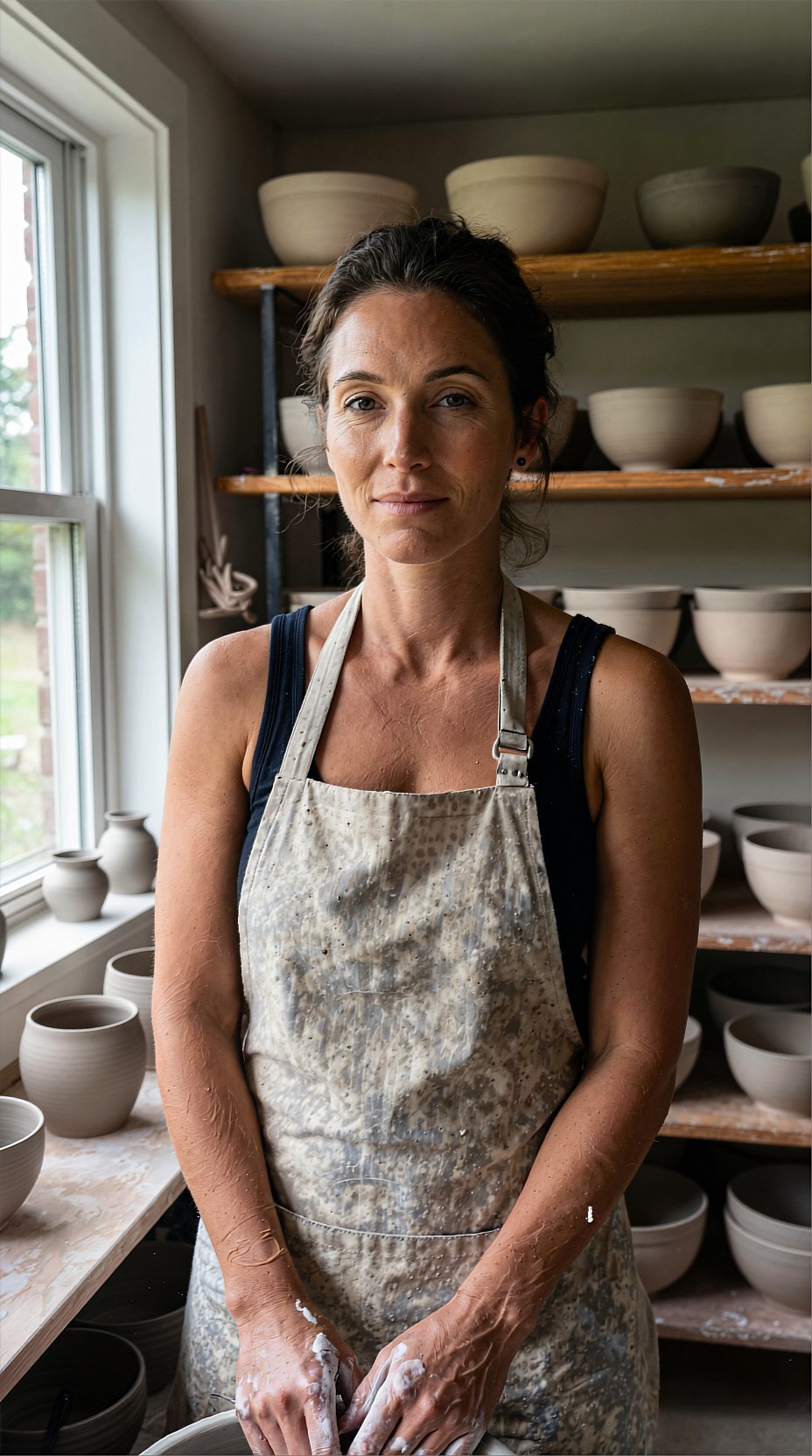
Product photography prompts
Use these for ecommerce visuals, landing pages, packaging concepts, and brand direction. Product prompts should clearly define material, surface, reflections, and the intended commercial context.
9. Minimal skincare bottle on stone with soft shadows 10. Wireless headphones on a desk beside a laptop and coffee 11. Running shoe product photo with water droplets on mesh fabric 12. Luxury watch close-up on dark leather 13. Handmade ceramic mug on a breakfast table 14. Smart home speaker in a warm living room 15. Perfume bottle against frosted glass and morning light 16. Reusable water bottle photographed outdoors on a hiking trail
Photorealistic product photograph of a matte white skincare serum bottle on pale limestone, soft morning window light, subtle shadow falling to the right, a small eucalyptus branch beside the bottle, clean cosmetic advertising style, 70mm lens, realistic glass dropper reflections, crisp label area left blank, natural color grading, no fake text, no warped bottle shape, no CGI render look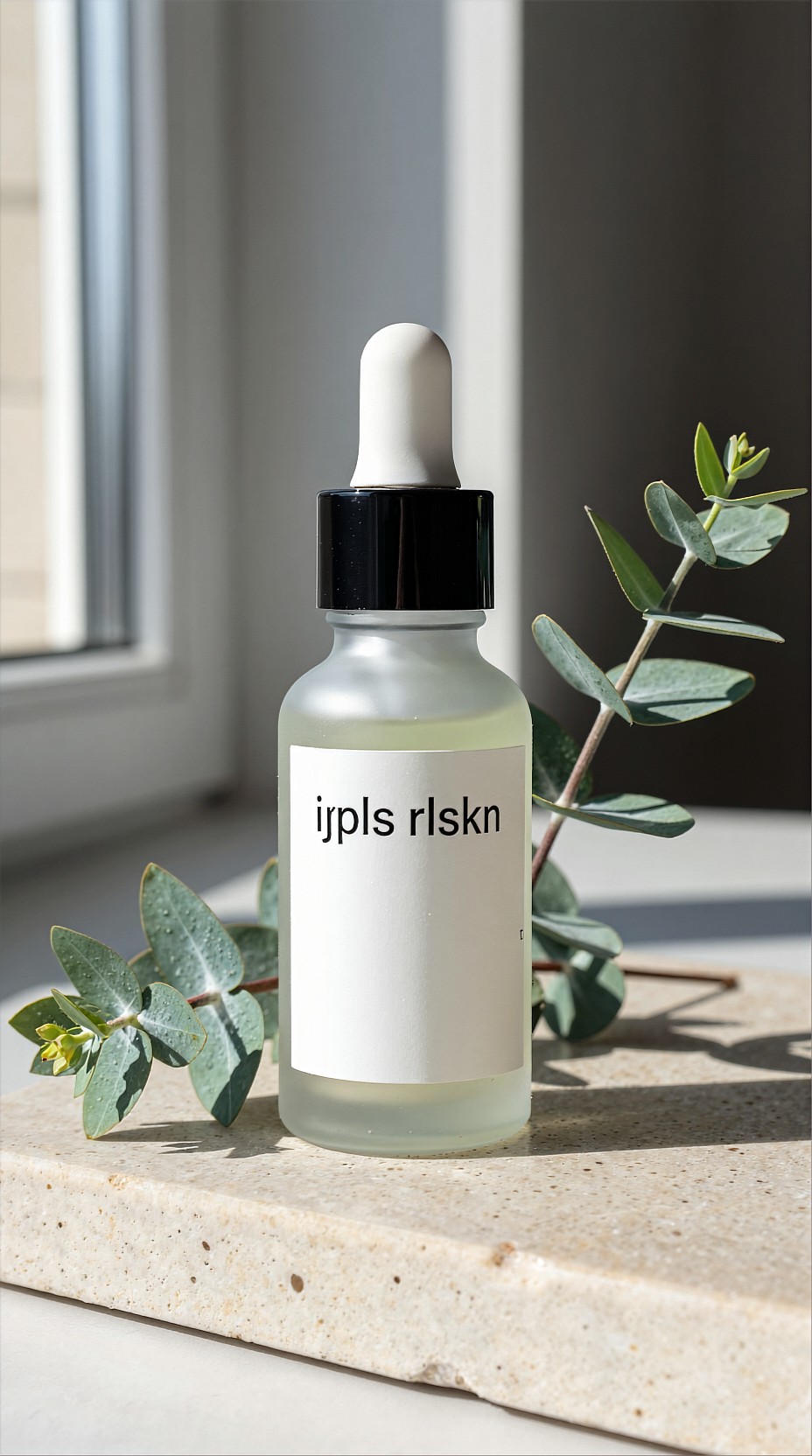
Food and beverage prompts
Food images need believable mess: crumbs, steam, condensation, uneven edges, and natural plating. Perfect symmetry often makes food look synthetic.
17. Fresh sourdough loaf sliced on a wooden board 18. Bowl of ramen with steam in a small restaurant 19. Iced coffee with condensation on the glass 20. Rustic tomato pasta in a ceramic bowl 21. Pancake breakfast beside a bright kitchen window 22. Street food taco stand at night 23. Fresh berries on linen at a farmers market 24. Cocktail close-up with citrus peel and bar lighting
Photorealistic close-up of an iced coffee in a clear glass on a small cafe table, visible condensation droplets, ice cubes catching soft daylight, blurred street scene through the window behind it, warm neutral tones, 50mm lens, shallow depth of field, realistic liquid color, small coffee stain on the saucer, lifestyle food photography, no floating objects, no artificial gloss, no unreadable logo textArchitecture and interior prompts
For interiors, specify the camera position and natural light source. For architecture, include material behavior such as concrete texture, glass reflections, wood grain, and weathering.
25. Scandinavian living room with cloudy daylight 26. Small apartment kitchen designed for realistic urban living 27. Boutique hotel lobby with natural stone and warm lamps 28. Concrete house exterior after rain 29. Cozy reading corner with books and a wool blanket 30. Modern office meeting room before a presentation 31. Restaurant interior during quiet afternoon prep 32. Bathroom product scene with marble, chrome, and soft steam
Photorealistic interior photograph of a small Scandinavian living room in a city apartment, cloudy daylight entering through a large window, pale oak floor, off-white sofa, wool throw blanket, low wooden coffee table with two books and a ceramic cup, lived-in but tidy styling, 24mm lens from seated eye level, realistic shadows, natural material textures, no ultra-wide distortion, no impossible furniture geometry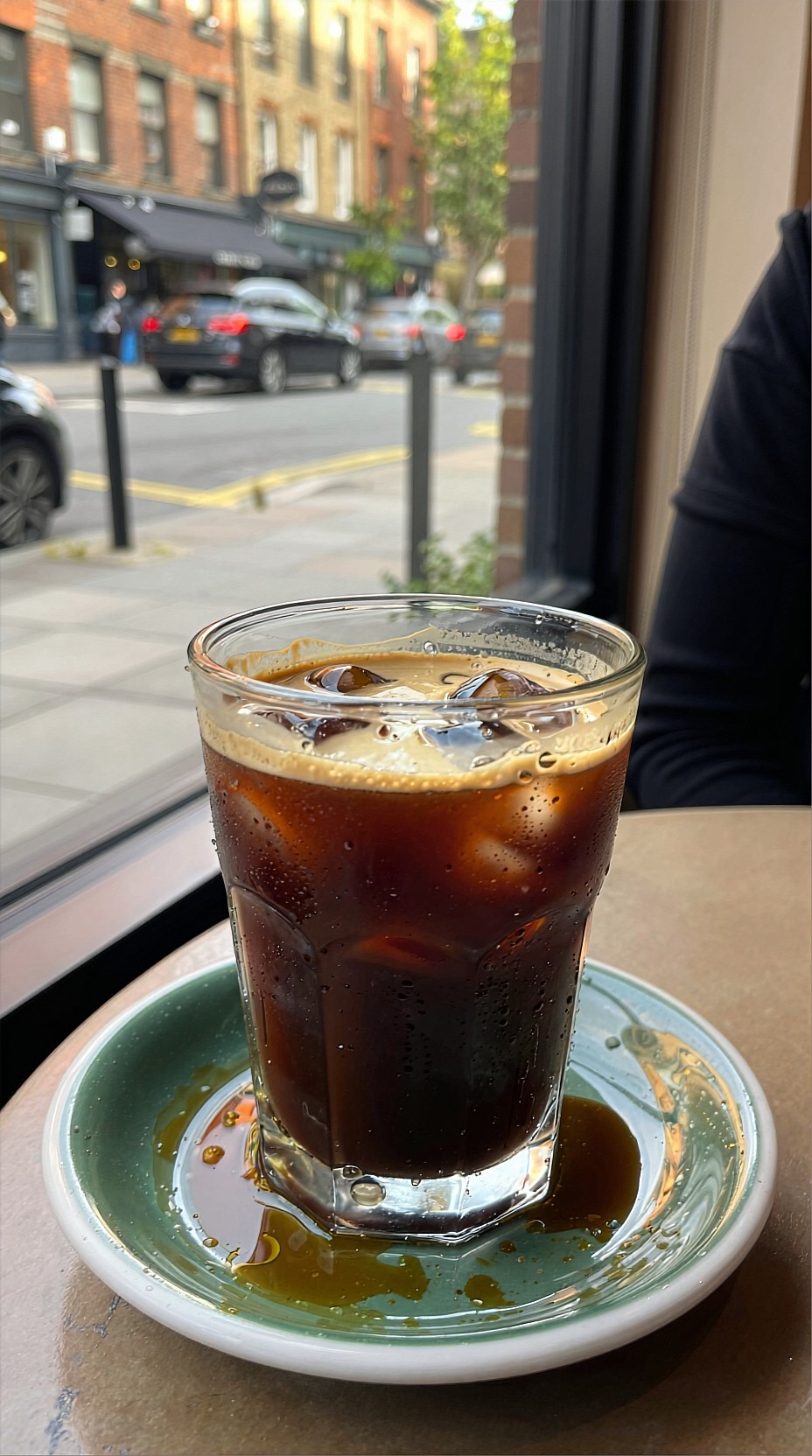
Fashion and apparel prompts
Fashion prompts improve when you describe fabric behavior: cotton wrinkles, leather grain, denim fading, wool texture, and how clothes sit on the body.
33. Denim jacket lookbook image in an alley with soft daylight 34. Outdoor raincoat campaign in misty weather 35. Linen summer outfit photographed on a coastal path 36. Close-up of leather boots on wet pavement 37. Tailored suit editorial portrait in a hotel hallway 38. Knitwear product image on a neutral studio background 39. Streetwear model on public transit platform 40. Jewelry close-up on hand in natural light
Photorealistic fashion lookbook image of a model wearing a beige linen shirt and relaxed trousers on a quiet coastal path, overcast summer light, wind gently moving the fabric, natural posture, muted sea and grass in the background, 85mm lens, soft depth of field, realistic fabric wrinkles and skin texture, editorial styling, no mannequin pose, no waxy skin, no distorted fingers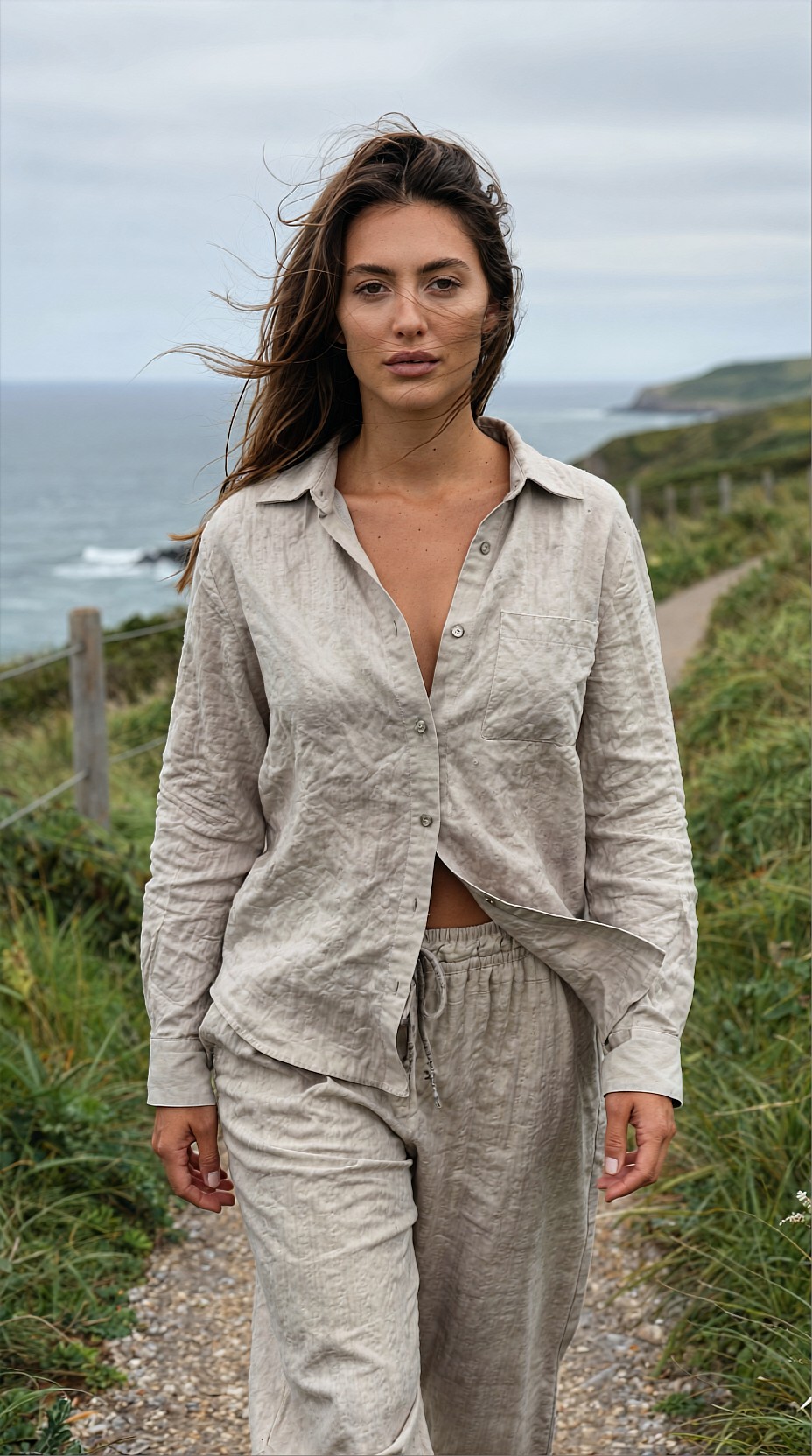
Travel and landscape prompts
Travel prompts should feel observational, not postcard-perfect. Add weather, imperfect foreground details, and a human-scale perspective.
41. Rainy Tokyo side street with reflections at night 42. Hiker looking over a foggy mountain valley 43. Mediterranean fishing harbor in early morning 44. Desert road trip stop during golden hour 45. Snowy village street with warm windows 46. Forest trail after rainfall with moss and wet leaves 47. Train window view across rural fields 48. Beach town market at sunrise
Photorealistic travel photograph of a rainy Tokyo side street at night, wet asphalt reflecting red and blue signs, pedestrians with umbrellas in the midground, small ramen shop entrance glowing warmly, handheld street photography feel, 35mm lens, slight motion blur on one passerby, realistic rain texture, deep shadows, no readable fake signage, no cyberpunk exaggeration, no cartoon colors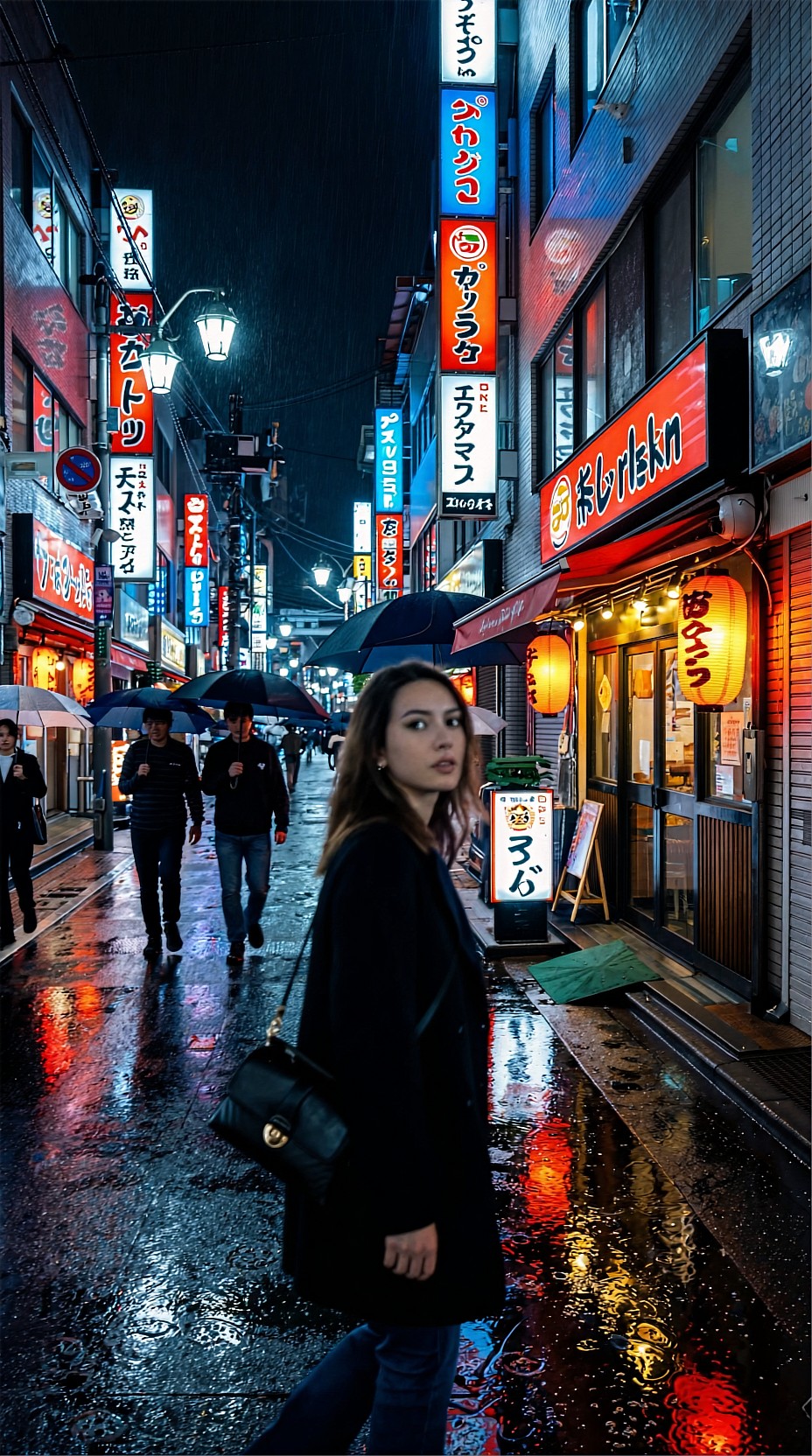
Documentary and editorial prompts
These prompts are ideal for articles, social campaigns, research decks, and concept boards where the image needs to feel believable and unscripted.
49. Community garden volunteers sorting vegetables on a weekend morning 50. Repair technician fixing a washing machine in a real apartment
Photorealistic documentary-style image of community garden volunteers sorting freshly picked vegetables on a folding table, early Saturday morning light, diverse group of adults in practical clothes, crates of tomatoes and leafy greens, hands in natural positions, candid composition, 35mm lens, realistic background clutter, soft color grading, no staged advertising pose, no distorted hands, no artificial smiles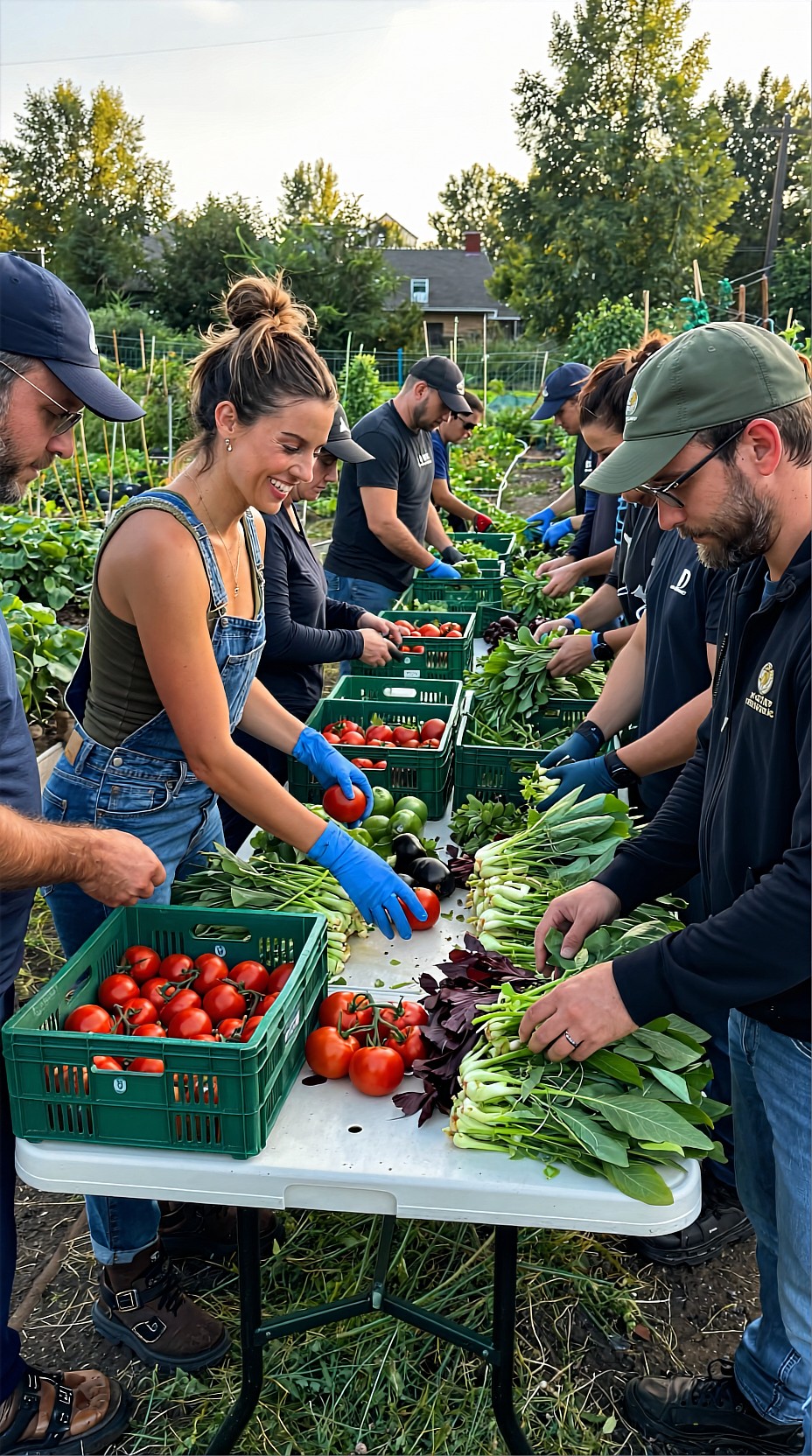
Photorealistic editorial image of an appliance repair technician kneeling beside an open washing machine in a compact apartment laundry area, toolbox on the floor, realistic cables and metal parts, cool daylight from a nearby window, practical workwear, candid documentary style, 28mm lens, believable room proportions, natural shadows, no fake brand logos, no impossible machine components, no glossy CGI finish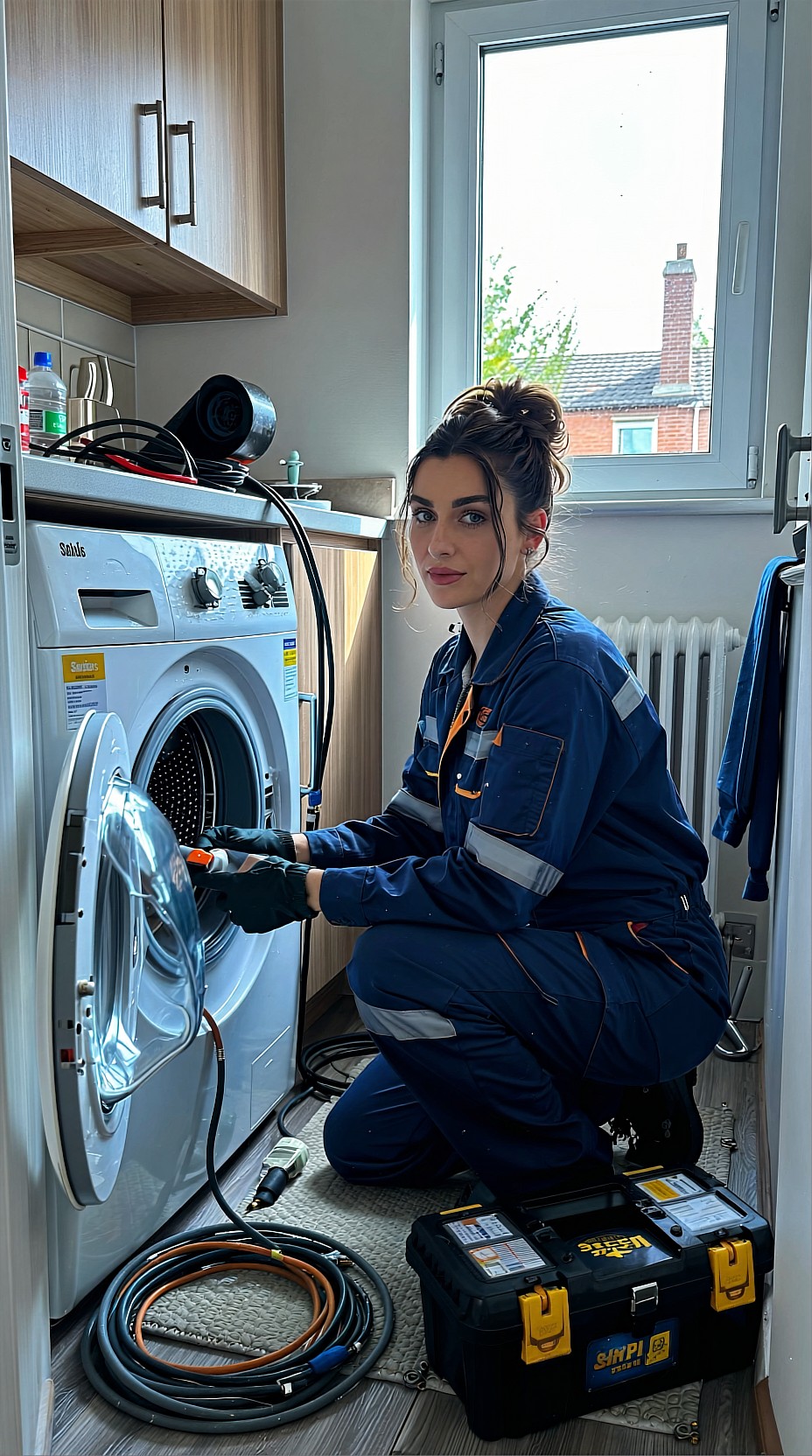
Practical ways to use these prompts
Photorealistic Qwen Image 2512 prompts are most useful when they support a specific creative task:
- Ecommerce testing: generate product scene variations before booking a shoot.
- Editorial illustration: create believable article visuals for topics without stock coverage.
- Brand moodboards: compare lighting, materials, and composition directions.
- Social content: produce realistic lifestyle images for campaign concepts.
- UX and app mockups: fill interface prototypes with consistent product or profile imagery.
- Location planning: visualize interiors, storefronts, and outdoor scenes before production.
For production work, keep a record of prompt versions. Change one variable at a time, such as lens, lighting, or background, so you can understand what actually improves the result.
Editing tips for more realistic outputs
After generating an image, inspect the details that usually break realism: hands, teeth, reflections, labels, shadows, and object scale. If something looks wrong, revise the prompt with a direct constraint instead of adding more style words.
Useful negative guidance includes:
- no plastic skin
- no oversharpened details
- no fake text or readable logos
- no distorted fingers
- no floating objects
- no CGI render look
- no impossible reflections
The strongest photorealistic prompts describe a scene that could genuinely be photographed. Keep the camera language grounded, include small imperfections, and make every visual detail serve the use case.
<!-- zview-hands-on-backfill -->
Practical Test Notes
What this article should verify
- Whether the prompt structure shown here can produce photorealistic images consistently when the prompt reads like a photographer brief instead of a keyword list.
- Whether Qwen Image 2512 responds better to prompts that specify subject, setting, lighting, camera behavior, texture, and output intent.
- Whether the same structure works across the article’s main use cases, especially portraits, products, food, and interiors.
- Whether negative constraints such as avoiding plastic skin, warped objects, fake text, and CGI look actually improve result stability.
Result checks
When reviewing the existing images or running a future test setup, focus on result checks that match the prompt type:
- Faces and skin: inspect eye alignment, natural skin texture, believable pores, and whether retouching looks restrained rather than waxy.
- Hands and anatomy: what to inspect includes finger count, hand pose logic, wrist shape, and interaction with tools, cups, clothing, or props.
- Lighting control: check if window light, cloudy daylight, tungsten, or soft shadow direction reads clearly and stays consistent across the frame.
- Texture quality: inspect clay dust, fabric weave, glass reflections, condensation, food surfaces, wood grain, and metal edges for realistic material behavior.
- Background consistency: verify that shelves, rooms, tables, and street scenes remain coherent and do not melt into vague or impossible geometry.
- Product clarity: for bottles, watches, speakers, or shoes, inspect silhouette accuracy, reflection control, clean edges, and label areas that do not turn into broken text.
- Style consistency: confirm the image still looks photographic, not like a glossy render or overprocessed composite.
Failure risks
The main failure risks appear when prompts become too dense, too decorative, or internally conflicting. Adding many materials, camera directions, and mood cues at once can reduce realism instead of improving it. Portrait prompts may fail first on hands, teeth, earrings, or background faces. Product scenes can break on symmetry, logos, transparent packaging, and reflection geometry. Food prompts often fail when the image becomes too perfect, with fake steam, plastic shine, or repeated garnish patterns. Interiors are vulnerable to wide-angle distortion, impossible furniture proportions, and inconsistent window light.
Practical recommendation
Use this setup if you want a repeatable starting point for realistic editorial, ecommerce, or lifestyle image generation. Avoid it if your goal is highly stylized fantasy imagery or text-heavy branded mockups. The detail that matters most is not prompt length; it is clear visual hierarchy: one subject, one lighting idea, one camera feel, and a short list of material details to inspect.