AI Photo Generator vs AI Image Generator: What Users Really Mean and Which Tools Fit Each Job 한국어 요약
이 페이지는 ZView Space의 영어 원문을 한국어 검색 사용자도 이해할 수 있도록 정리한 SEO 요약입니다. 핵심은 단순한 얼굴 중심 이미지가 아니라 패션 에디토리얼, 룩북, 아웃핏, 프롬프트 테스트, 이미지 생성 워크플로우를 실제로 어떻게 구성할지입니다.
핵심 요약
- 원문 주제: AI Photo Generator vs AI Image Generator: What Users Really Mean and Which Tools Fit Each Job
- 목적: AI 이미지 생성에서 outfit, silhouette, fabric, pose, location, camera framing을 더 명확하게 설계합니다.
- 활용 범위: Z-Image Turbo, Krea2 Turbo, Qwen Image, Anima, SeedVR2 같은 이미지 생성 및 업스케일 워크플로우에 적용할 수 있습니다.
- SEO 관점: 제목, 설명, 이미지 alt, 프롬프트 예시가 실제 검색 의도와 맞아야 색인 가능성이 높아집니다.
한국어 사용자를 위한 체크포인트
1. 프롬프트가 얼굴 묘사에만 머물지 않고 전체 스타일과 의상 구성을 설명하는지 확인합니다. 2. 패션 이미지라면 상의, 하의, 아우터, 신발, 액세서리, 소재감, 촬영 장소를 분리해서 씁니다. 3. 생성 결과는 바로 게시하지 말고 디테일, 손, 의상 형태, 배경 일관성, 이미지 품질을 비교합니다. 4. 글 본문에는 실제 테스트 기준과 실패를 줄이는 방법이 들어가야 검색엔진에서 얇은 콘텐츠로 보일 가능성이 줄어듭니다.
원문 미리보기
If you search for AI photo generator vs AI image generator , you usually are not asking for a strict technical definition. You are trying to find the right tool for a visual result. In practice, "photo generator" usually means realistic people, portraits, prod
---
If you search for AI photo generator vs AI image generator, you usually are not asking for a strict technical definition. You are trying to find the right tool for a visual result. In practice, "photo generator" usually means realistic people, portraits, product shots, or scenes that should look camera-captured. "Image generator" is broader: it includes realistic photos, but also illustrations, concept art, graphic styles, and stylized compositions.
That difference matters because the best tool for a polished AI headshot is often not the same tool you would choose for anime art, surreal scenes, or visual ideation. This guide breaks down what users really mean, how the categories overlap, and which workflows fit each job.
The short answer
An AI photo generator is usually a subset of an AI image generator.
- AI photo generator: optimized for photorealism, portraits, fashion, product visuals, interiors, travel scenes, and believable lighting.
- AI image generator: broader category covering photorealistic output plus illustration, digital art, cinematic concept art, stylized branding visuals, and mixed-media looks.
If your goal is "make this look like a real photo," start with tools known for realism. If your goal is "generate any type of visual," you want a more flexible image generator.
What users really mean by “AI photo generator”
Most users say AI photo generator when they want one of these outcomes:
- Realistic portraits for avatars, profile images, or personal branding
- Fashion editorials without booking a full shoot
- Product photos or ad-style mockups
- Lifestyle scenes that look like they came from a DSLR or studio setup
- Real estate, travel, food, or beauty images with camera-like detail
The key expectation is credibility. Skin texture, lens blur, lighting falloff, wardrobe detail, and facial proportions need to feel photographic.
Best fit use cases for AI photo generators
- LinkedIn-style headshots
- Beauty and skincare campaigns
- E-commerce hero images
- Social media portraits
- Travel and hospitality mock visuals
- Realistic couple, family, or editorial scenes
Topic: Professional AI business headshot
Genre: Lifestyle Portrait
Camera: Canon EOS R5
Lens: 85mm f/1.8
Lighting: Softbox key light
Location: Modern glass office with neutral interior tones
Style: Clean Commercial Look
Final Prompt: A polished professional business headshot of a confident young executive standing in a modern glass office, tailored navy blazer over a crisp white shirt, relaxed upright pose, subtle confident smile, direct eye contact, realistic skin texture, softbox key light with gentle shadow shaping, Canon EOS R5 realism, 85mm f/1.8 shallow depth of field, blurred contemporary office background, neutral gray and blue palette, clean commercial composition, premium corporate portrait quality, natural facial proportions, high detail fabric texture, realistic catchlights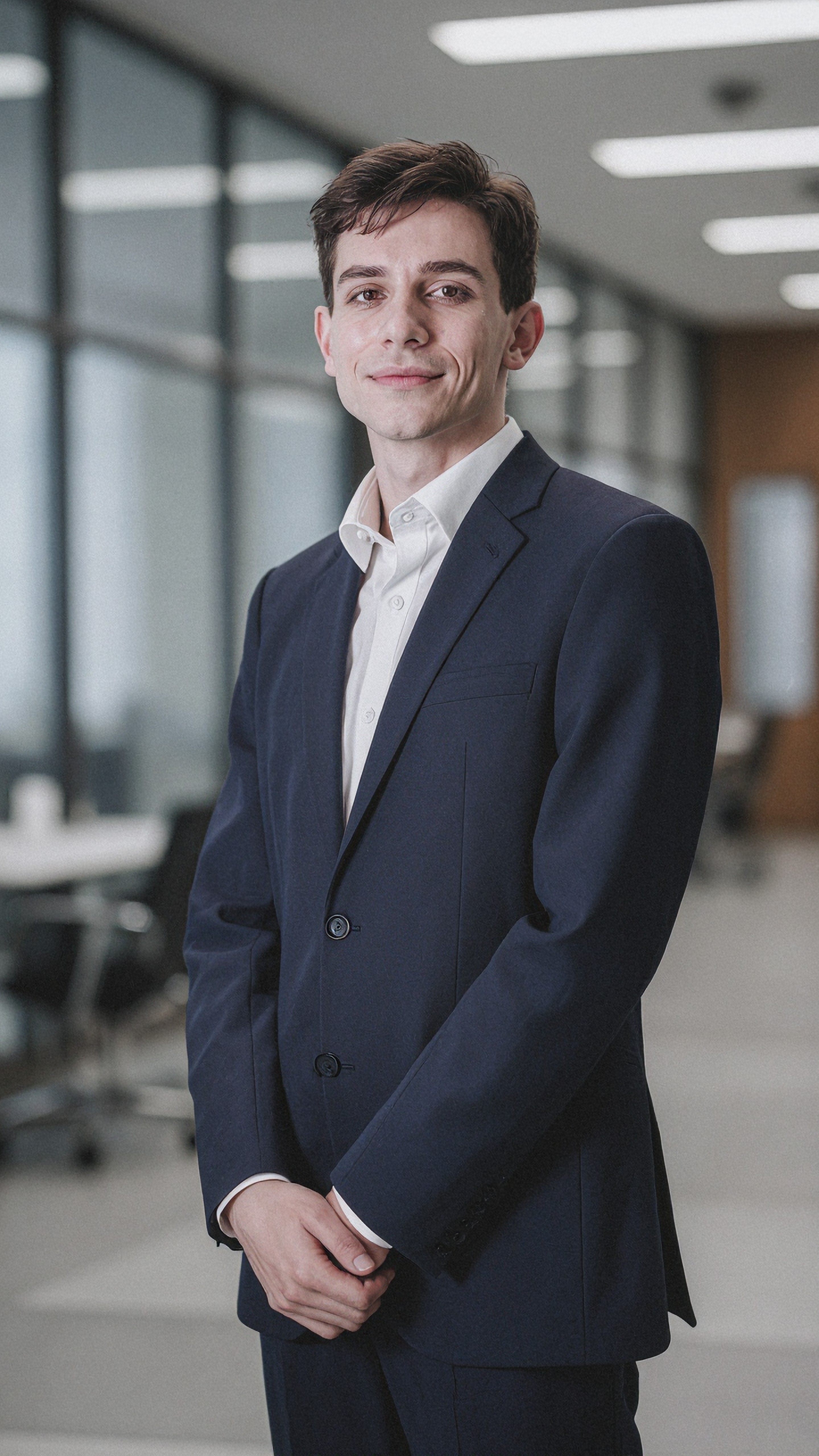
Topic: Luxury skincare campaign portrait
Genre: Beauty Campaign
Camera: Nikon Z8
Lens: 105mm f/2.8 macro
Lighting: Studio butterfly light
Location: Minimal cream-toned beauty studio
Style: High-End Beauty Advertising
Final Prompt: A close-up luxury skincare campaign portrait of a woman with luminous natural skin, hair pulled back neatly, dewy complexion, elegant neutral makeup, holding a frosted glass serum bottle near her cheek, calm refined expression, studio butterfly light sculpting the face, Nikon Z8 ultra-detailed beauty realism, 105mm f/2.8 macro clarity, creamy minimal studio backdrop, soft beige and ivory color palette, glossy high-end beauty advertising style, visible skin texture without over-smoothing, premium packaging detail, symmetrical composition, clean editorial finish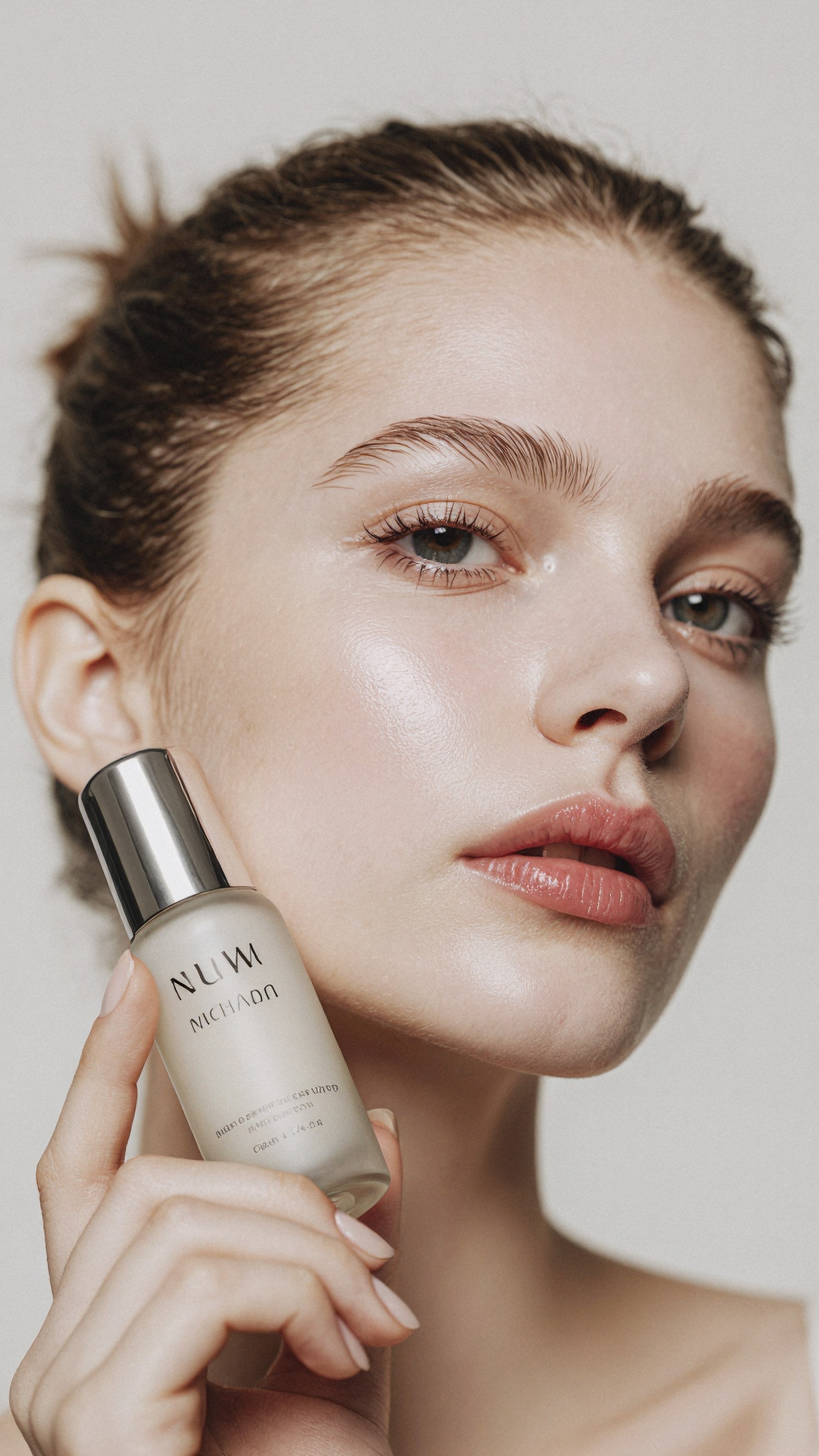
What users mean by “AI image generator”
When users say AI image generator, they often mean something wider and more exploratory.
They may want:
- Photo-real scenes
- Anime or comic visuals
- Brand concept art
- Cinematic key art
- Product packaging concepts
- Interior design mockups
- Surreal or impossible compositions
- Storyboards and moodboards
In other words, image generator is the umbrella term. It covers both realistic photo output and non-photographic visual creation.
Best fit use cases for AI image generators
- Early-stage creative exploration
- Marketing concept boards
- Poster art and cover visuals
- Game or film mood development
- Stylized social content
- Mixed realism and design directions
Topic: Futuristic city commuter scene
Genre: Cinematic Travel
Camera: ARRI Alexa 35 cinematic capture style
Lens: 40mm anamorphic at T2.0
Lighting: Neon rim light
Location: Rainy elevated street in a futuristic Tokyo-inspired district
Style: Cinematic Realism
Final Prompt: A stylish commuter walking through a rainy futuristic city street at night, long charcoal coat, transparent umbrella, reflective pavement glowing with teal and magenta neon signage, dynamic mid-stride pose, focused thoughtful expression, steam drifting from street vents, ARRI Alexa 35 cinematic realism, 40mm anamorphic lens with subtle oval bokeh, neon rim light and wet reflections, layered urban depth, moody atmospheric haze, cinematic composition, high contrast yet natural skin tones, rich texture in fabric and rain droplets, premium sci-fi travel editorial look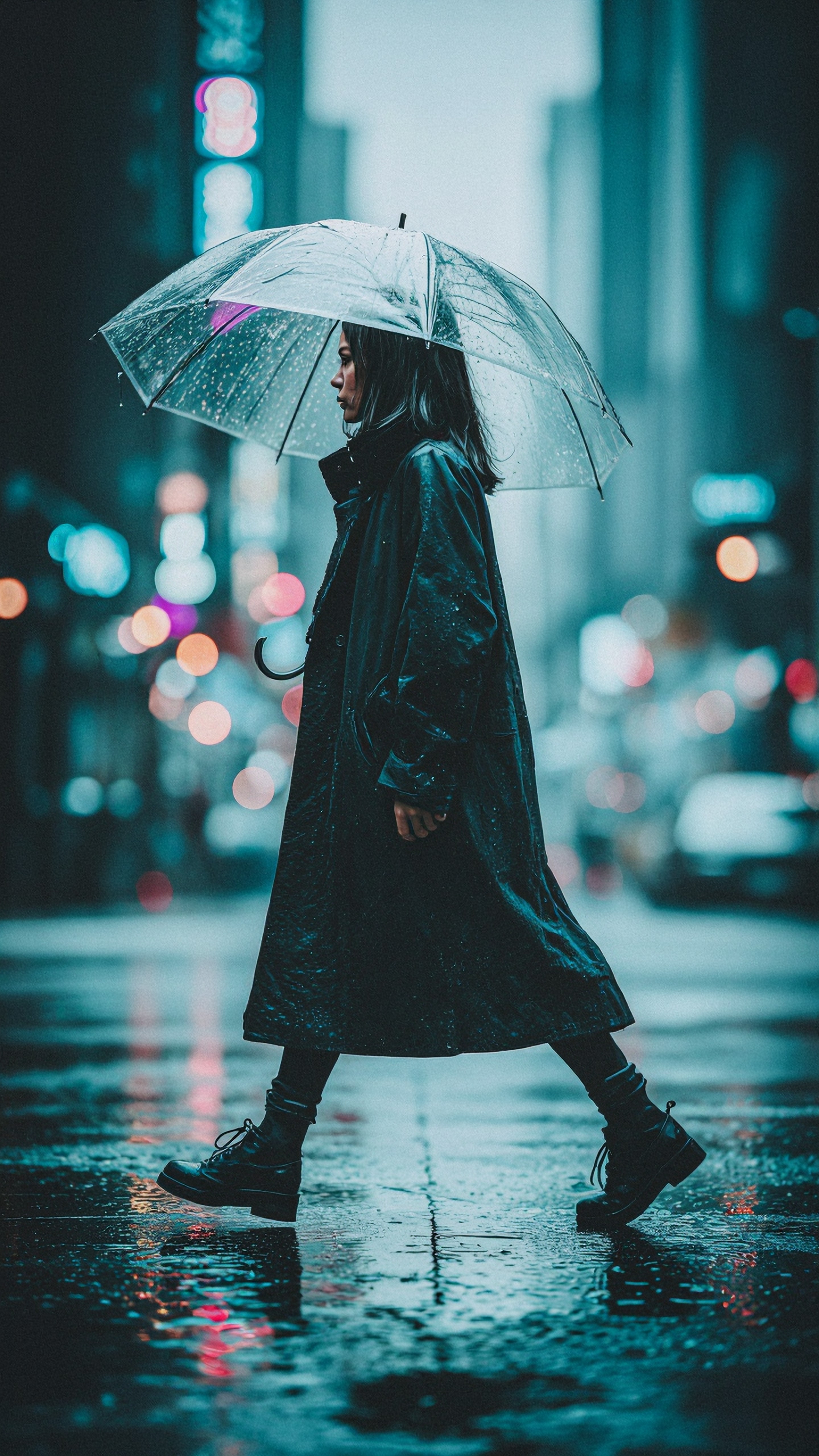
Topic: Anime-inspired fashion key visual
Genre: Anime Key Visual
Camera: Stylized cinematic anime capture
Lens: 50mm equivalent f/1.8 look
Lighting: Sunset backlight
Location: Rooftop overlooking a dense modern city skyline
Style: Korean Magazine Cover
Final Prompt: An anime-inspired fashion heroine standing on a rooftop above a glowing modern city at sunset, tailored oversized blazer, pleated skirt, wind-blown hair, determined gaze toward the horizon, warm sunset backlight outlining the silhouette, vibrant sky gradients of peach and violet, dramatic city depth below, 50mm shallow depth aesthetic translated into polished anime rendering, magazine-cover composition, refined linework, premium fabric folds, glossy editorial styling, cinematic atmosphere, elegant Korean magazine cover energy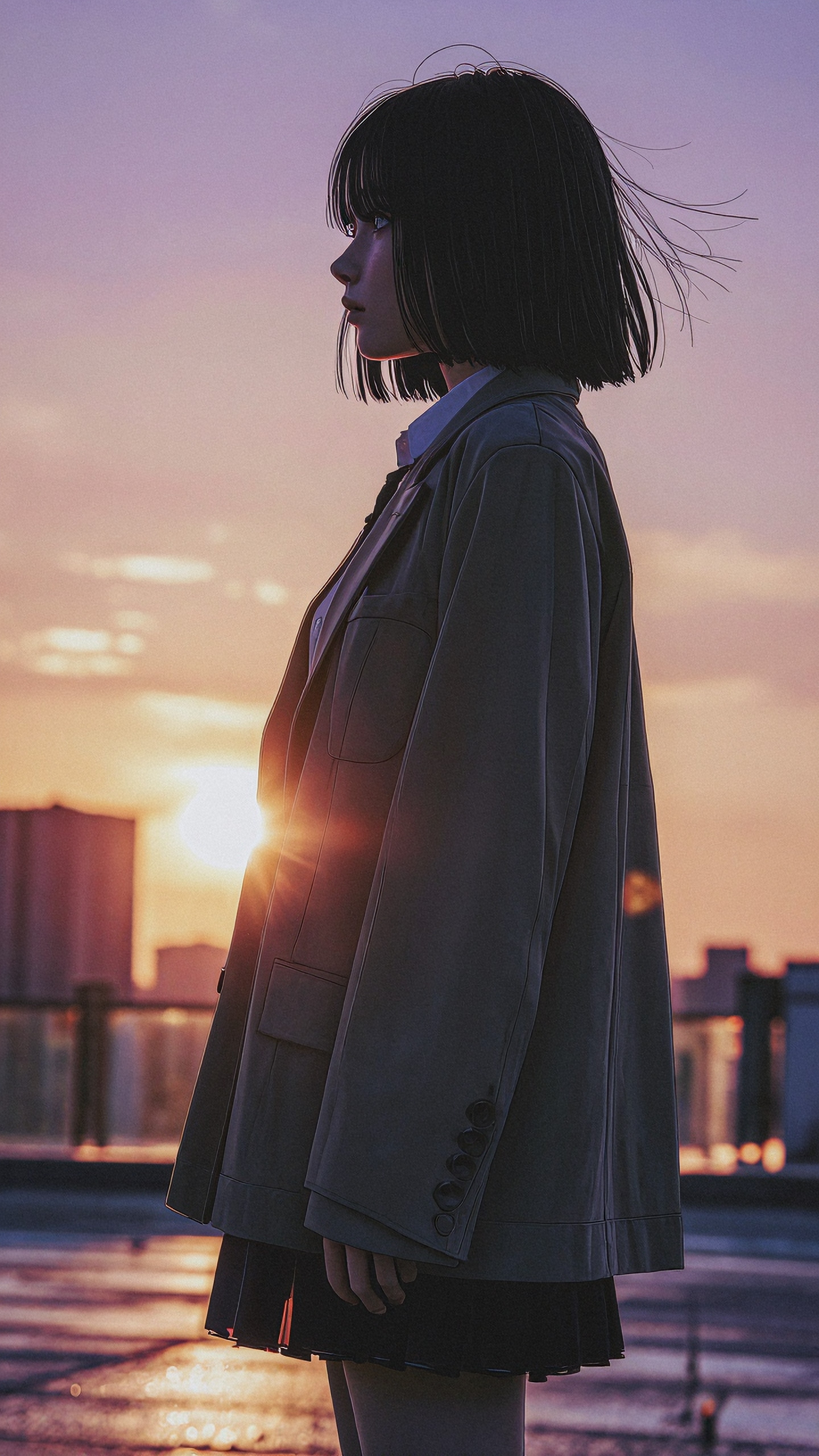
The real difference: output intent, not just model category
The phrase difference between AI photo and image generator sounds technical, but for most buyers and creators the difference is practical.
Choose an AI photo generator if you need:
- Faces that hold up under close inspection
- Realistic eyes, hands, skin, and hair
- Camera-like composition
- Commercial product and portrait quality
- Controlled fashion, beauty, or corporate visuals
Choose a broader AI image generator if you need:
- Multiple styles beyond realism
- Fast ideation across art directions
- Concept visuals before production
- Posters, illustrations, story frames, and experimental looks
- Flexible output from realistic to abstract
A lot of modern tools do both. The difference is where they are strongest.
AI generator for portraits vs art
This is one of the clearest decision points.
For portraits
Portrait-focused generation needs:
- Natural facial symmetry
- Accurate skin tones
- Convincing hair strands and eyelashes
- Realistic lens compression
- Controlled background blur
- Authentic pose and expression
For art
Art-focused generation prioritizes:
- Style adaptability
- Composition invention
- Brush, ink, cel-shaded, or painterly qualities
- Worldbuilding over realism
- Mood and design language
If your project is a founder profile, dating app avatar, or cosmetics ad, portrait-first tools matter more. If your project is album art, story concepting, or stylized campaign imagery, broader image tools often win.
Topic: Editorial portrait for personal branding
Genre: Street Style
Camera: Fujifilm GFX 100S
Lens: 110mm f/2
Lighting: Overcast diffusion
Location: Quiet urban side street with textured concrete and soft reflections
Style: Luxury Fashion Campaign
Final Prompt: A refined personal branding portrait of a creative director standing on a quiet city side street after light rain, structured camel coat over monochrome layers, one hand in pocket, relaxed confident posture, subtle half-smile, soft overcast diffusion creating flattering skin tones, Fujifilm GFX 100S medium-format realism, 110mm f/2 compression, muted concrete textures and shallow background separation, understated luxury fashion campaign styling, earthy neutral palette, precise garment detail, natural facial texture, premium editorial framing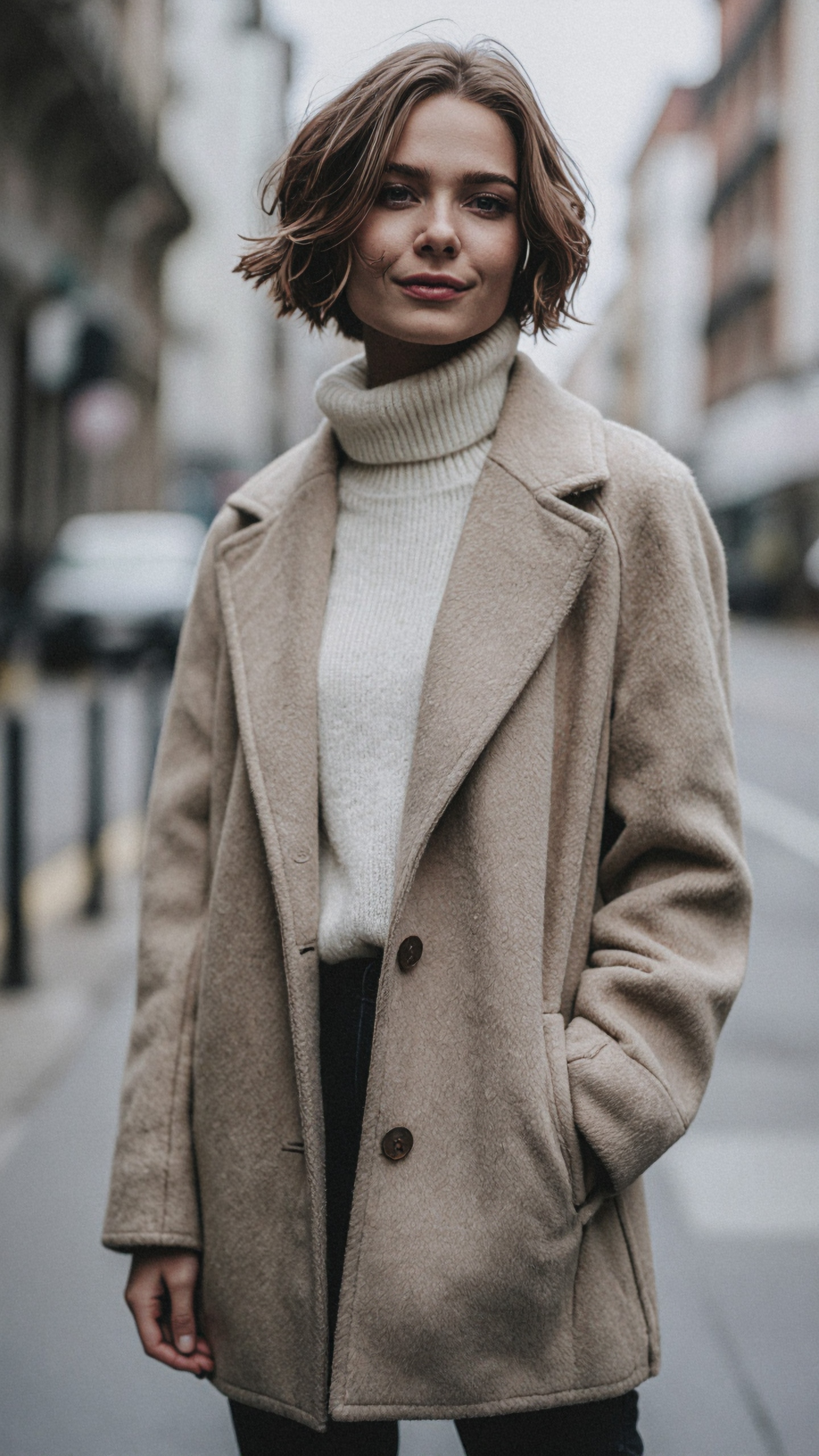
Topic: Surreal portrait-inspired concept art
Genre: Product Editorial
Camera: Hasselblad X2D 100C
Lens: 80mm f/1.9
Lighting: Moonlit volumetric glow
Location: Dreamlike desert with floating mirrors and silver grass
Style: Cinematic Realism
Final Prompt: A surreal portrait concept of a solitary figure in a sculptural black suit standing in a moonlit desert of silver grass, floating mirrors surrounding the subject, calm intense expression, elegant upright pose, cool blue moonlit volumetric glow, Hasselblad X2D 100C detail and tonal depth, 80mm f/1.9 selective focus, reflective surfaces catching soft highlights, cinematic realism blended with impossible environmental design, restrained monochrome and silver palette, atmospheric haze, premium concept editorial composition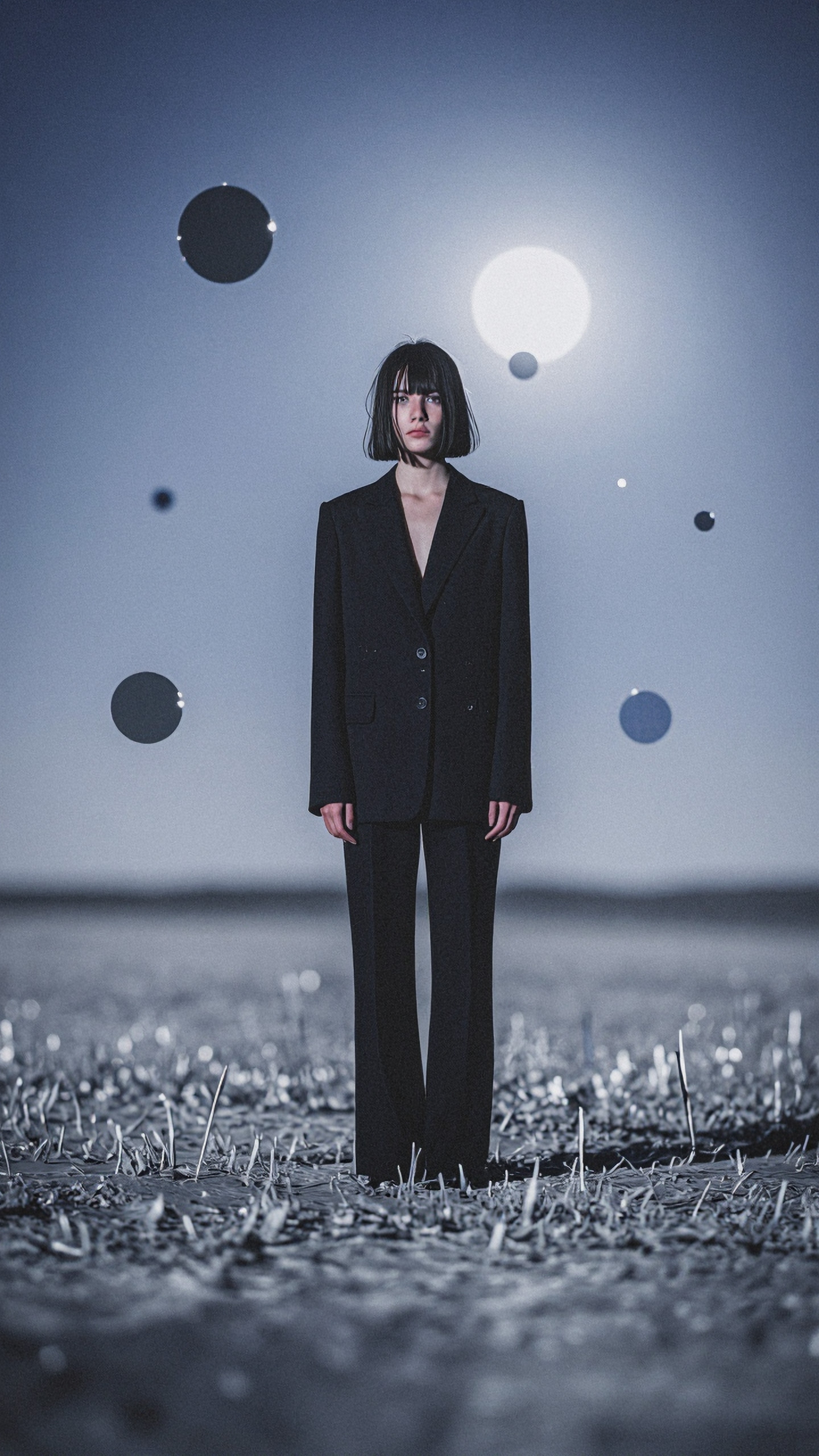
Best AI photo generator vs best AI image generator
People often compare tools as if there is one universal winner. There usually is not.
A “best AI photo generator” should excel at:
- Portrait realism
- Consistent identity across multiple images
- Fashion and beauty styling
- Product photography simulation
- Natural lighting and camera depth
- Strong prompt adherence for realistic scenes
An “AI image generator for realistic photos” should also handle:
- Interior scenes
- Food and hospitality visuals
- Travel scenes
- Lifestyle composition
- Brand-safe commercial aesthetics
A “best AI image generator” more broadly should offer:
- Wide style range
- Fast iteration
- Good composition invention
- Reliable text-prompt interpretation
- Flexible aspect ratios and visual genres
In short, best depends on the brief. For realism-heavy workflows, start with a model known for believable photography. For broader ideation, use an image generator with stronger style range and concept flexibility.
Which tools fit each job
Instead of ranking every tool, it is more useful to map categories to jobs.
1. Headshots and realistic portraits
Best fit: realism-first photo generators
Look for:
- strong face rendering
- identity consistency
- subtle skin texture
- clean studio or natural-light prompting
Topic: Premium studio headshot for entrepreneur
Genre: Lifestyle Portrait
Camera: Sony A1
Lens: 135mm f/1.8
Lighting: Studio butterfly light
Location: Charcoal seamless studio backdrop
Style: Clean Commercial Look
Final Prompt: A premium studio headshot of an entrepreneur against a charcoal seamless backdrop, fitted black blazer and fine-knit top, poised seated posture, soft confident expression, direct eye contact, studio butterfly light with gentle fill for defined cheekbones, Sony A1 crisp realism, 135mm f/1.8 elegant compression and creamy background falloff, clean commercial portrait styling, subtle contrast, realistic skin pores and hair detail, minimal sophisticated palette, high-end editorial sharpness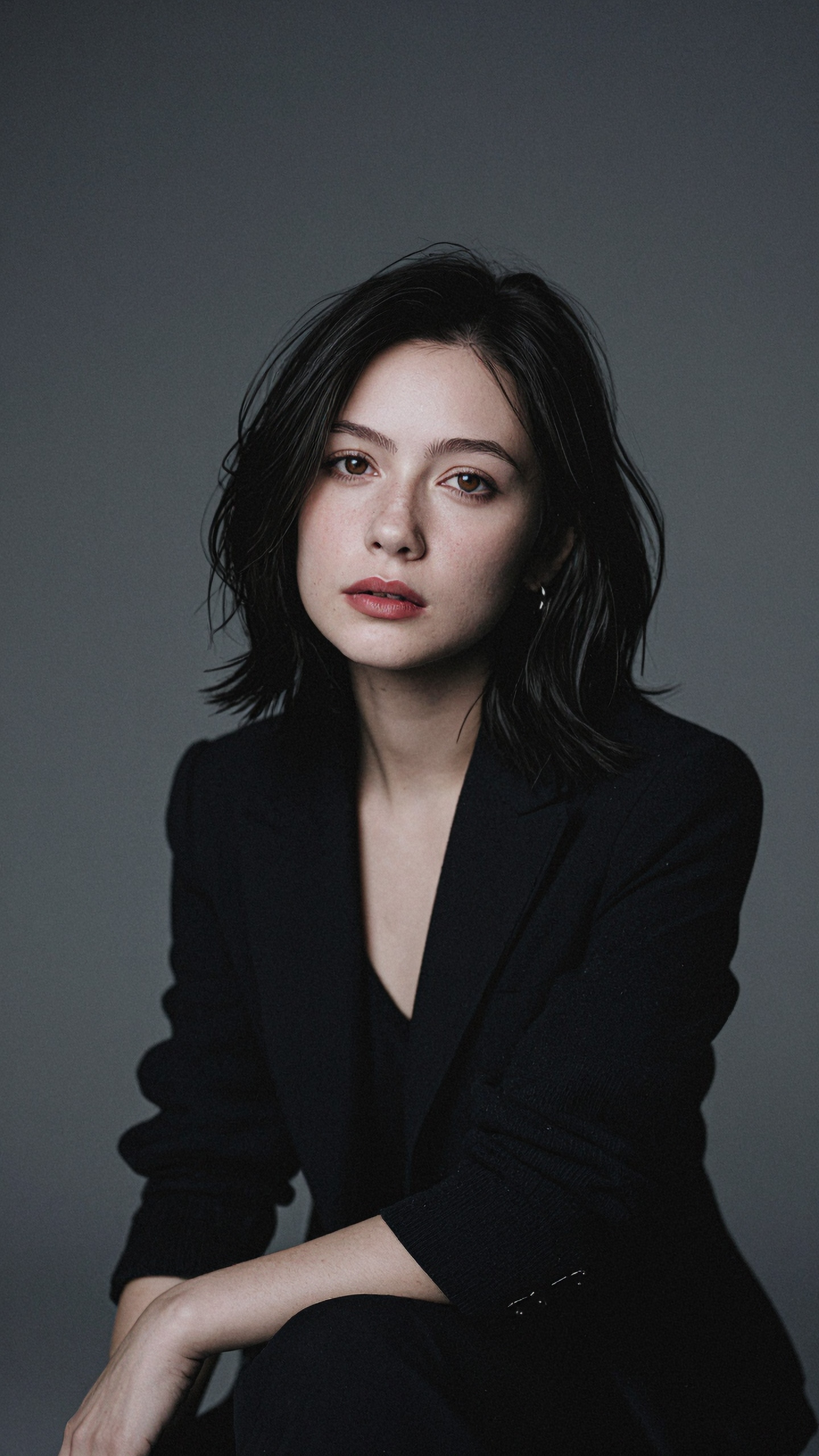
2. Product ads and e-commerce mockups
Best fit: photo generators with strong lighting control
Look for:
- reflective material accuracy
- clean backgrounds
- packaging sharpness
- ad-style composition
Topic: Luxury perfume product hero shot
Genre: Product Editorial
Camera: Phase One XF IQ4
Lens: 120mm f/4 macro
Lighting: Softbox key light with controlled edge highlights
Location: Black acrylic tabletop in a premium studio set
Style: High-End Beauty Advertising
Final Prompt: A luxury perfume bottle hero shot placed on a black acrylic tabletop, faceted glass bottle with gold cap, subtle condensation beads, softbox key light with precise edge highlights defining the glass silhouette, deep shadow reflections below, Phase One XF IQ4 ultra-premium product realism, 120mm f/4 macro detail, elegant black and amber palette, cinematic negative space, clean high-end beauty advertising composition, crisp label readability, luxury texture and controlled specular highlights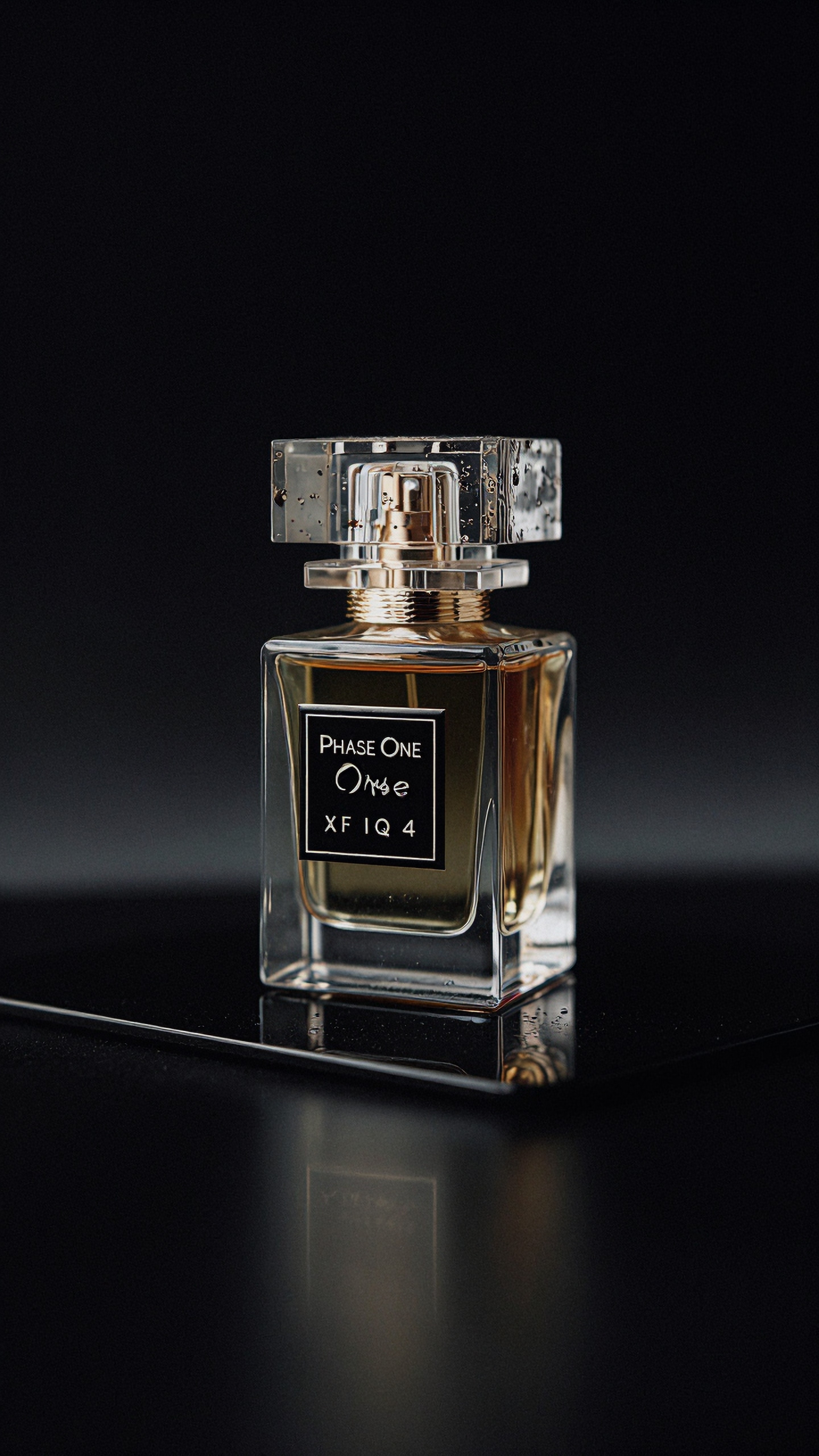
3. Concept art, campaign ideas, and moodboards
Best fit: flexible image generators
Look for:
- style variety
- dramatic environments
- quick iteration
- stronger visual imagination
Topic: Boutique hotel courtyard concept visual
Genre: Cinematic Travel
Camera: Leica SL2-S
Lens: 35mm f/2
Lighting: Golden Hour
Location: Mediterranean stone courtyard with olive trees and linen seating
Style: Elegant Resort Editorial
Final Prompt: A boutique hotel courtyard at golden hour, warm stone walls, olive trees casting soft shadows, linen lounge seating, a stylish guest in a relaxed ivory resort outfit walking through the scene, serene welcoming expression, Leica SL2-S natural cinematic travel realism, 35mm f/2 immersive composition, honey-toned sunset light, terracotta and olive-green palette, elegant resort editorial art direction, tactile stone and fabric textures, aspirational hospitality mood, polished architectural depth
4. Social content that mixes realism and style
Best fit: hybrid tools that can do photo and design language
Look for:
- strong composition
- visual trend adaptability
- portrait plus graphic sensibility
- reliable vertical outputs
Topic: Trend-driven café portrait for social media
Genre: Street Style
Camera: Canon EOS R6 Mark II
Lens: 50mm f/1.2
Lighting: Window light with warm bounce
Location: Minimal specialty coffee shop with wood and cream interiors
Style: Korean Magazine Cover
Final Prompt: A stylish social-media portrait of a young woman seated by the window in a minimal specialty coffee shop, cream trench coat, sleek black trousers, hand wrapped around a ceramic cup, soft thoughtful expression, natural window light with warm bounce on the face, Canon EOS R6 Mark II realism, 50mm f/1.2 shallow depth of field, wood and cream interior tones, clean Korean magazine cover styling, vertical composition, refined lifestyle branding energy, realistic skin texture, soft glossy color grade
Prompting changes depending on whether you want photo or image output
Many weak results happen because users ask for "a photo" but write prompts like abstract art direction, or ask for concept art with strict camera realism.
For AI photo generator results, emphasize:
- camera body and lens
- lighting setup
- wardrobe and materials
- facial expression and pose
- background realism
- commercial or editorial style references
For AI image generator results, emphasize:
- overall aesthetic
- worldbuilding
- composition mood
- shape language
- color script
- stylization level
Good prompts reduce the gap between what you mean and what the model assumes.
Common mistakes when comparing photo vs image generators
1. Expecting every tool to be equally realistic
Some models are good at style but weak at skin and anatomy.
2. Using vague prompts
"Beautiful woman portrait" or "cool futuristic city" is not enough for production use.
3. Ignoring aspect ratio and composition intent
A headshot, hero banner, and editorial cover all need different framing.
4. Confusing stylized realism with true photo realism
An image can look polished without looking actually photographic.
5. Testing with the wrong subject
If you care about portraits, test portraits. If you care about product ads, test reflective objects and packaging.
How to choose quickly
Use this simple decision filter.
Pick an AI photo generator when:
- the image must pass as a believable photo
- faces are the priority
- your use case is business, beauty, fashion, product, or lifestyle
- you need polished commercial realism
Pick an AI image generator when:
- you need realism plus illustration or design styles
- you are still exploring creative directions
- concept development matters more than camera accuracy
- you want broader visual range from one system
Final takeaway
The best answer to AI photo generator vs AI image generator is that the distinction is mostly about user intent.
If you want portraits, products, travel scenes, or lifestyle visuals that feel camera-shot, use a realism-first AI photo generator or a photo-capable image model tuned for photorealism. If you want broader creativity across realism, illustration, concept art, and stylized visuals, use a more flexible AI image generator.
For most creators, the winning workflow is not choosing one forever. It is using the right tool for the job: realism-first models for believable photography, and broader image generators for ideation, art direction, and style exploration.