패션 룩북을 위한 best AI image generator를 찾고 있다면, 진짜 질문은 어떤 모델이 가장 예쁜 단일 이미지를 만드는지가 아닙니다. 핵심은 어떤 툴이나 workflow가 하나의 세트 안에서 outfit logic을 유지할 수 있느냐입니다. 전신 실루엣, 원단 일관성, 액세서리, 페이지에 바로 쓸 수 있는 프레이밍, 그리고 눈에 띄는 AI drift 없이 editorial layout이나 catalog-style 결과물을 만들 수 있을 만큼의 제어력이 중요합니다. 이번 테스트에서는 바로 그 사용 사례에 집중했습니다.
저는 일반적인 패션 촬영 유형 전반에서 룩북 스타일 이미지를 생성한 뒤, 결과물이 어디에서 잘 유지되고 어디에서 무너지는지 비교했습니다. 프레임마다 밑단이 바뀌거나, 가방이 변형되거나, 손이 의상 주변에서 엉키거나, 레이아웃 이미지가 읽을 수 없는 가짜 타이포그래피로 무너지는 문제를 확인했습니다. 가장 강력한 결과는 하나의 마법 같은 prompt가 아니었습니다. 그것은 workflow였습니다. hero outfit shot에는 제어 가능한 이미지 모델을 사용하고, 스타일링 가시성을 중심으로 prompt를 타이트하게 구조화하며, 페이지 디자인이 어느 정도 합성적 behavior를 감수할 수 있을 때만 layout-like composition을 요청하는 방식입니다.
빠른 답변
- 패션 룩북을 위한 best AI image generator는 대개 가장 극적인 조명을 만드는 모델이 아니라, composition control과 style consistency가 가장 좋은 모델입니다.
- outfit set의 경우, 직접적인 "magazine spread with text" 요청보다 전신 및 3/4 editorial shot이 더 잘 작동했습니다.
- catalog grid는 concepting에는 사용할 수 있지만, product accuracy와 readable type은 여전히 수동 정리가 필요합니다.
- 모델을 먼저 묘사하는 것보다 shot type을 먼저 쓰고, 그다음 outfit system, 이후 retail/editorial context를 쓰는 방식이 더 안정적인 결과를 냈습니다.
- 게시 가능한 페이지가 필요하다면 [Create](/create)에서 이미지를 만든 뒤 [Prompt Lab](/promptlab)에서 문구를 다듬고, 이후 layout tool에서 가벼운 후작업을 병행하세요.
테스트 설정
저는 이것을 쇼케이스가 아니라 실무적인 상업용 검증 테스트로 진행했습니다.
테스트한 항목:
- 머리부터 발끝까지 보이는 룩북 이미지
- 3/4 editorial outfit shot
- catalog-style grid page
- 런웨이/백스테이지 패션 context
- flat lay, garment detail, 액세서리
- storefront 및 visual merchandising scene
각 결과에서 확인한 항목:
- 레이어와 액세서리 전반의 outfit consistency
- 데님, 울, 가죽, 새틴, 니트의 fabric texture
- 전신 anatomy와 신발 렌더링
- catalog use를 위한 배경의 깔끔함
- 실제 룩북에 쓸 수 있는 page-composition usefulness
- [Upscaler](/upscaler)에서 가벼운 업스케일을 견딜 수 있는지 여부
패션 룩북이 모든 AI fashion image generator에 어려운 테스트인 이유
패션 룩북은 사용 가능한 세트를 만들라고 요청하기 전까지는 단순해 보입니다. 강한 단일 hero frame은 쉽습니다. 하지만 styling logic을 보여주는 시퀀스는 훨씬 어렵습니다.
대부분의 툴에서 약점은 continuity입니다. 블레이저 길이가 힙에서 허벅지까지 바뀝니다. 토트백이 숄더백이 됩니다. 비슷한 prompt 사이에서도 바지가 테일러드 울에서 루스한 데님으로 바뀝니다. 그래서 AI image generator for lookbooks에 대한 질문은 사실상 control에 관한 질문입니다.
Editorial layout은 또 다른 난이도를 추가합니다. 모델은 잡지 페이지의 느낌을 제안하는 데는 꽤 괜찮지만, 여전히 실제 page logic에는 약합니다. 균일한 gutter, product spacing, readable label, image-to-image garment consistency가 그렇습니다. 목표가 fashion concepting이라면 괜찮습니다. 목표가 판매 가능한 catalog image라면 더 엄격한 shot planning이 필요합니다.
첫 번째 시도: 넓은 prompt는 매력적이지만 신뢰하기 어려운 outfit set을 만들었다
첫 번째 시도에서는 "minimalist lookbook," "editorial model," "luxury campaign" 같은 일반적인 패션 표현을 사용했습니다. 출력물은 썸네일 크기에서는 세련돼 보였지만, 자세히 보면 익숙한 문제가 드러났습니다.
- 신발이 잘리거나 바닥과 융합됨
- 소매와 커프 길이가 부자연스럽게 바뀜
- 레이어드 의상이 서로 분리되어 보이지 않음
- 핸드백 스트랩 구조가 물리적으로 불가능하게 나타남
- 가짜 페이지 텍스트 때문에 catalog grid를 사용할 수 없음
교훈은 즉각적이었습니다. text to image AI for outfits에서는 모호한 미학적 표현이 mood는 만들지만, merchandise clarity는 만들지 못합니다.
테스트 1: outfit logic을 위한 street-style full body
이 첫 prompt는 모델이 실제 거리 context에서 트렌드 중심의 완성된 outfit을 머리부터 발끝까지 읽히게 유지할 수 있는지 확인하기 위한 것이었습니다.
Topic: Trend-led layered street outfit for a fashion lookbook
Genre: Street Style
Camera: Sony A7R V
Lens: 40mm f/2.5
Lighting: Overcast diffusion
Location: Seongsu side street with clean concrete storefronts and soft reflections after light rain
Style: Clean commercial street fashion
Final Prompt: street-style full body fashion shot, complete head-to-toe lookbook image focused on styling system, model secondary to outfit, wearing oversized charcoal wool blazer over ribbed ivory knit top, wide-leg slate trousers with sharp crease, black leather loafers, structured burgundy shoulder bag, thin belt, silver earrings, layered silhouette clearly visible, relaxed walking pose, full body in frame with shoes visible, Seongsu fashion district background, neutral grey and burgundy palette, documentary 40mm framing, commercial clarity, crisp textile detail, realistic garment drape, clean negative space for lookbook use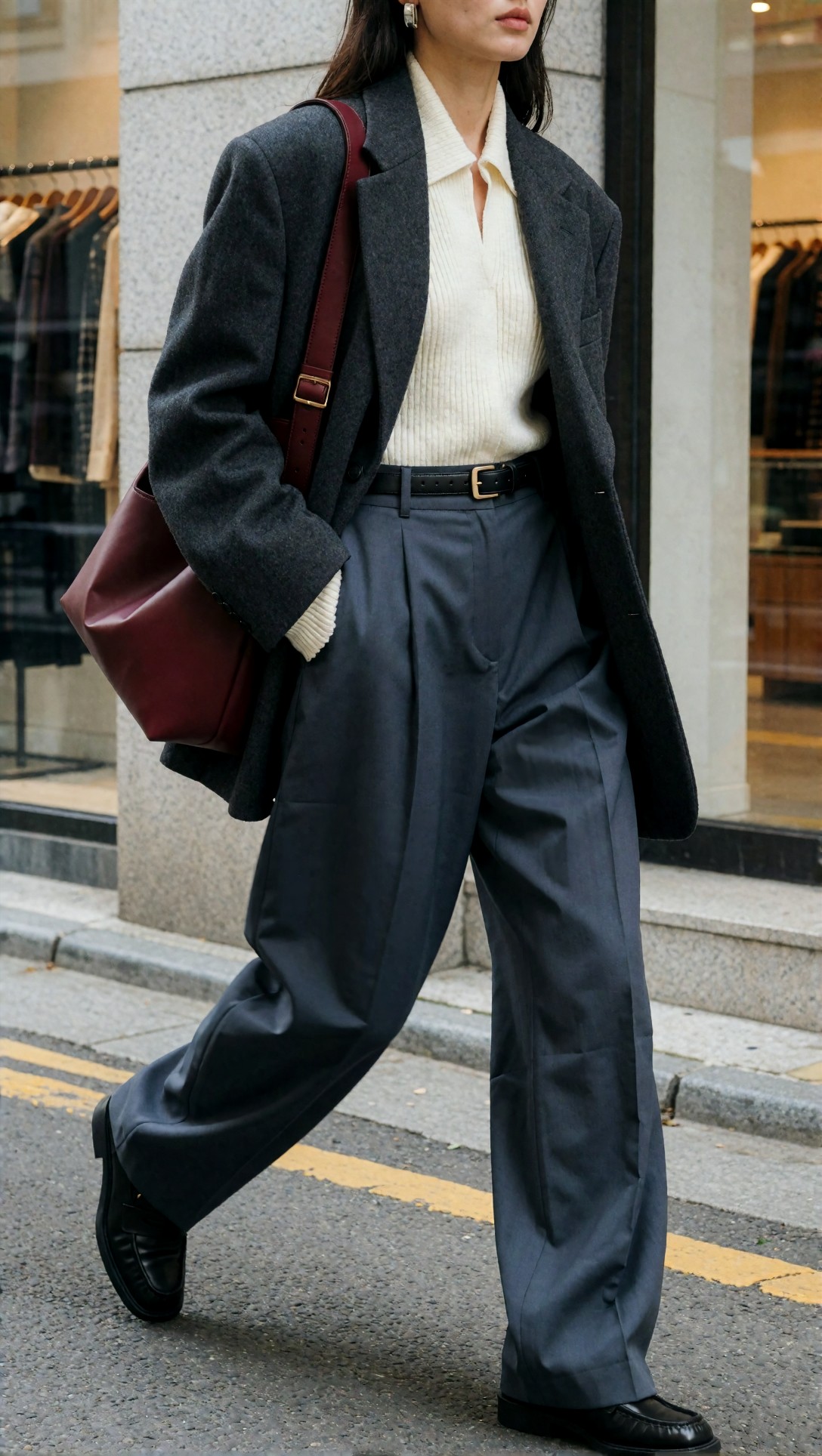
블레이저 밑단, 바지 밑단 처리, 신발, 가방이 모두 한 프레임 안에서 명확하게 읽히는지 확인하세요. outfit이 스타일리시해 보여도 어느 한 레이어라도 모호해진다면, 그 이미지는 처음 보이는 것보다 룩북용으로 덜 유용합니다.
테스트 2: 의상 제어력을 높이기 위한 3/4 길이 아웃핏 에디토리얼
그다음에는 프레이밍을 좁혀서, 발, 바닥 접촉, 긴 다리 해부 구조를 동시에 해결하지 않아도 될 때 생성기가 비율을 더 잘 처리하는지 테스트했습니다.
Topic: Quiet luxury transitional outfit for editorial use
Genre: Fashion Editorial
Camera: Canon EOS R5
Lens: 50mm f/2
Lighting: Softbox key light mixed with window fill
Location: Paris editorial studio corner with limewashed walls and oak stool
Style: Luxury fashion magazine editorial
Final Prompt: three-quarter outfit editorial shot, trend-led quiet luxury styling, structured camel trench layered over fine gauge black turtleneck, pleated cream midi skirt, knee-high dark chocolate leather boots partly visible, top-handle tan bag, slim gold watch, clean tucked silhouette, body turned slightly to show layering and side seam, calm direct expression, studio-meets-editorial interior, soft directional light, warm beige and black palette, 50mm magazine framing, premium fabric texture, visible trench structure, elegant but commercially readable composition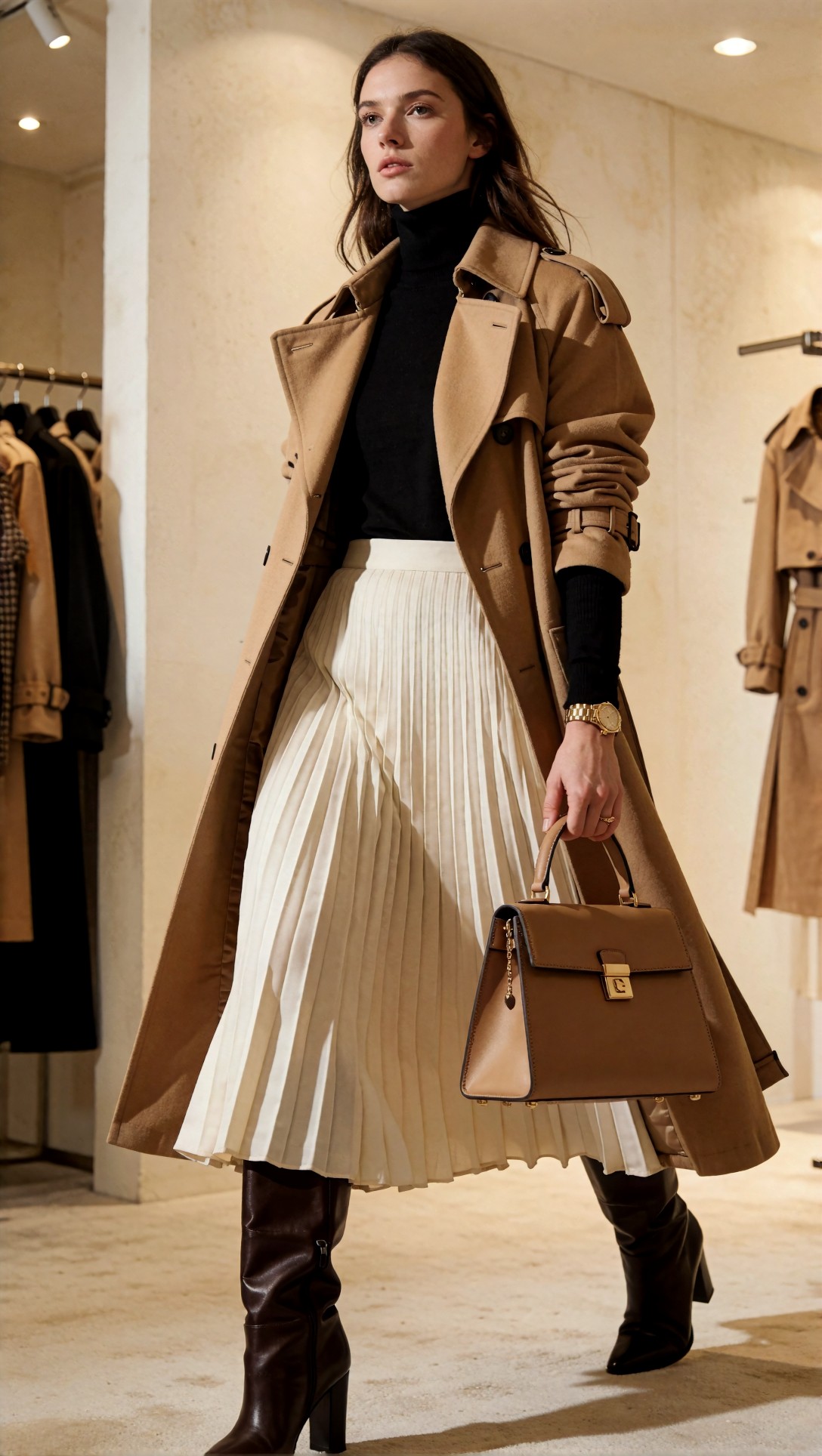
이 방식은 보통 재킷 구조와 가방 형태를 더 개선합니다. 스커트 주름이 균일하게 유지되는지, 트렌치 벨트, 칼라, 소매 구조가 물리적으로 그럴듯하게 유지되는지 확인하세요.
결과를 개선한 조정: 미학보다 먼저 샷을 설계하기
가장 큰 개선은 프롬프트 순서를 바꾸는 데서 나왔습니다. 분위기 단어로 시작하는 대신, 샷 유형과 의상 구조부터 시작했습니다.
더 안정적이었던 구조는 다음과 같았습니다: 1. 명명된 패션 샷 유형 2. 보이는 의상 레이어 3. 액세서리와 신발 4. 신체 프레이밍과 포즈 5. 장면 맥락 6. 팔레트와 텍스처 단서 7. 품질 방향성
기본적으로 들릴 수 있지만, 이렇게 하니 모델이 분위기 엔진보다 레이아웃 어시스턴트처럼 작동했습니다.
각 패션 활용 사례에 가장 잘 맞았던 워크플로우
| 활용 사례 | 이 테스트에서 가장 잘 작동한 것 | 주요 위험 | 추천 | |---|---|---|---| | 전신 룩북 | 단순한 배경의 전신 프롬프트 | 신발, 손, 바닥 접촉 | 포즈를 최소화하고 전신이 프레임 안에 들어가도록 명시하세요 | | 에디토리얼 아웃핏 세트 | 레이어 설명이 강한 3/4 프레이밍 | 의상 비율이 어긋날 수 있음 | 정확한 SKU 정확도보다 스타일링 스토리가 더 중요할 때 사용하세요 | | 카탈로그 그리드 페이지 | 콘셉트 보드용 다중 아이템 레이아웃 프롬프트 | 읽을 수 없는 텍스트, 고르지 않은 제품 | 목업에 사용한 뒤 수동으로 다시 구성하세요 | | 런웨이/백스테이지 | 움직임이 있는 다큐멘터리 프롬프트 | 군중 속 얼굴과 팔다리가 왜곡될 수 있음 | 분위기와 트렌드 신호에 가장 적합 | | 플랫레이/제품 | 제어된 조명의 탑다운 프롬프트 | 접힌 의상이 합쳐질 수 있음 | 상품 구성과 컬러 스토리 계획에 좋음 | | 액세서리 디테일 | 제어된 클로즈업 프롬프트 | 하드웨어 대칭 | 소재와 머천다이징 콘셉트에 가장 적합 |
가장 강력했던 워크플로우에 맞춘 프롬프트 예시
전신 룩북 샷은 가장 안전한 시작점이었습니다
이 프롬프트는 모델이 스타일리시한 크롭만이 아니라 전체 실루엣을 실제로 보여주는 깔끔한 AI fashion image generator 결과를 만들 수 있는지 확인합니다.
Topic: Head-to-toe minimalist autumn outfit set for lookbook pages
Genre: Fashion Lookbook
Camera: Nikon Z8
Lens: 35mm f/4
Lighting: Large north-window daylight
Location: Scandinavian minimalist studio with pale grey seamless backdrop and concrete floor
Style: Clean commercial lookbook
Final Prompt: head-to-toe lookbook fashion image, complete outfit clearly visible for catalog-style presentation, trend-led minimalist autumn styling with boxy navy wool coat, white poplin shirt, soft grey crewneck knit layered over collar, straight black trousers, polished black ankle boots, slim leather crossbody bag, narrow silver cuff, standing pose with slight weight shift, full body centered with shoes unobstructed, neutral studio background, restrained navy grey black palette, commercial fashion clarity, even daylight, realistic wool and cotton texture, sharp garment edges, clean spacing for possible page layout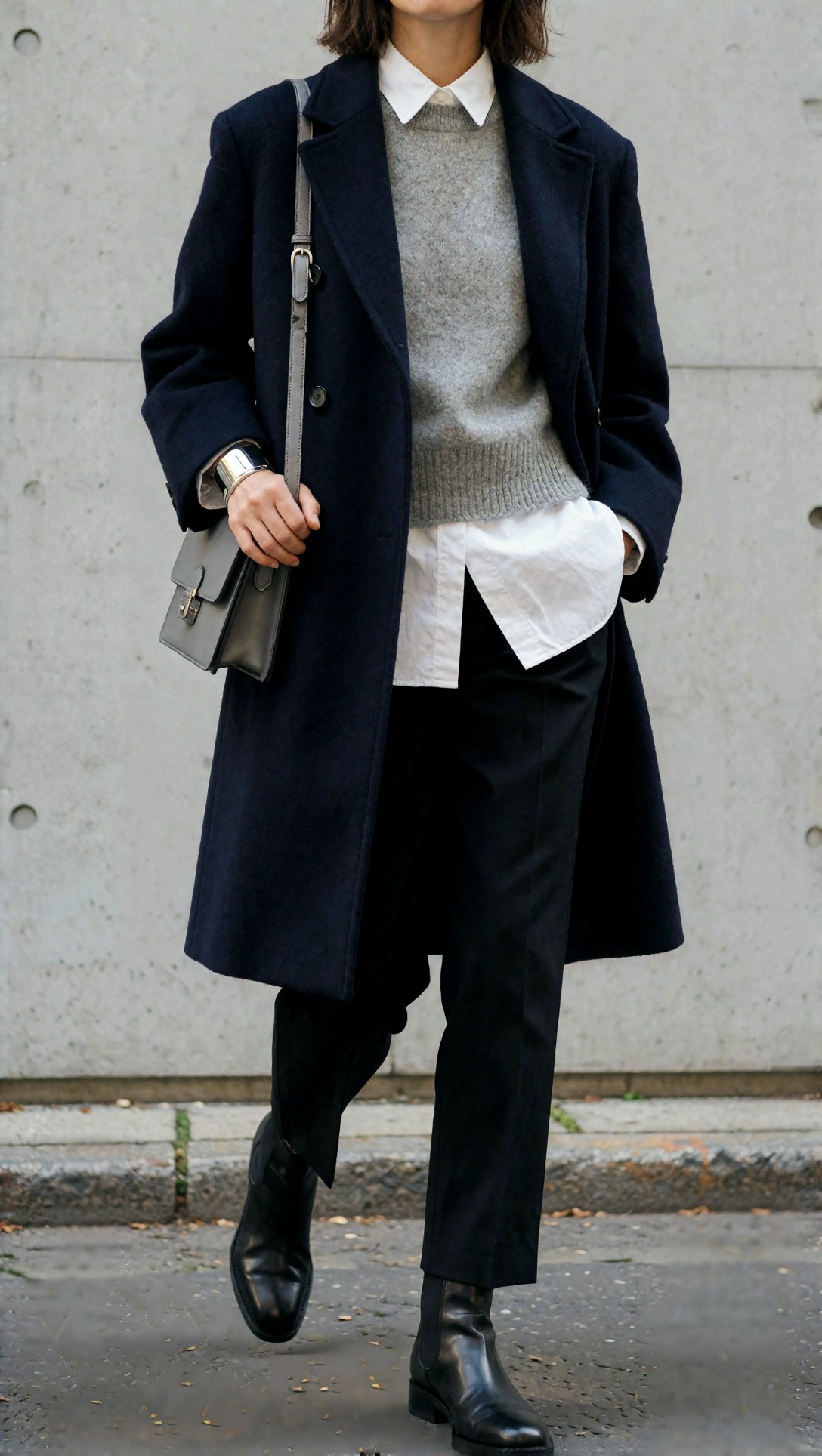
부츠 형태와 네크라인의 셔츠-니트 레이어링을 확인하세요. 모델이 의상을 단순화하려고 할 때 흔히 실패하는 지점입니다.
에디토리얼 프레이밍은 프리미엄 텍스처와 스타일링 방향에 도움이 되었습니다
이 테스트는 의상을 상업적으로 읽을 수 있게 유지하면서, 더 트렌드 중심의 매거진 느낌을 밀어붙이기 위한 것이었습니다.
Topic: Modern editorial tailoring with visible layering
Genre: Luxury Campaign
Camera: Fujifilm GFX100 II
Lens: 55mm f/1.7
Lighting: Window light with negative fill
Location: Milan apartment interior with stone floor and muted art wall
Style: High-end fashion campaign
Final Prompt: three-quarter outfit editorial, tailored fashion campaign image prioritizing styling system, cropped graphite blazer over silk cream blouse, high-waisted tobacco wide-leg trousers, pointed dark brown heels, sculptural gold earrings, compact clutch under arm, deliberate layered silhouette, seated edge-of-chair pose that still shows trouser volume and jacket cut, Milan editorial apartment setting, warm tobacco cream graphite palette, medium-format look, soft window light and gentle shadow contrast, refined fabric sheen, luxury campaign composition with commercial readability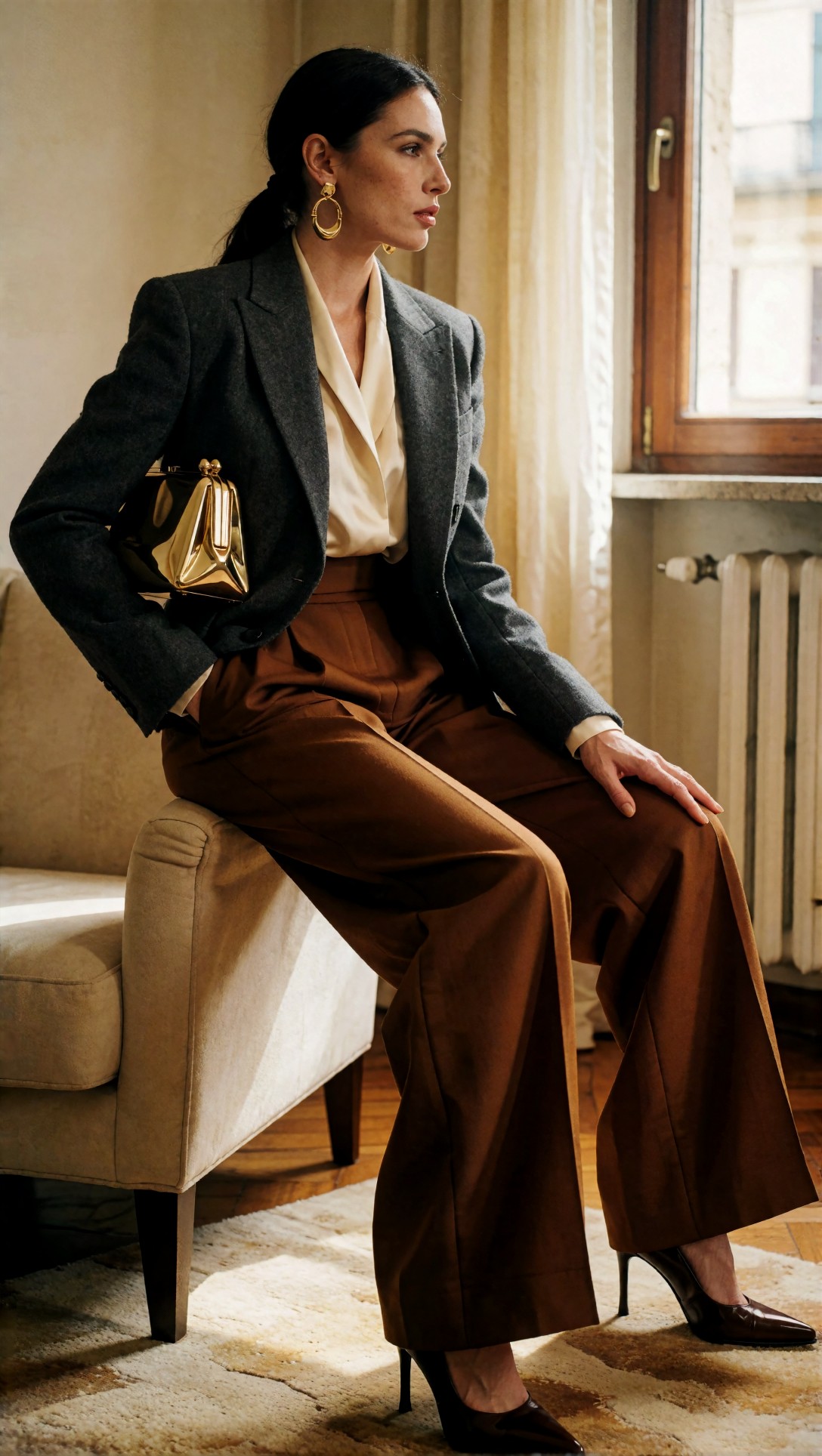
블라우스 칼라, 블레이저 라펠, 바지 허리선이 모두 구분되어 유지되는지 확인하세요. 이것들이 하나의 형태로 뭉개지면, 결과물은 룩북 용도로서의 가치가 떨어집니다.
카탈로그 그리드 페이지는 최종 퍼블리싱이 아니라 콘셉트 구상에 적합했다
다음 프롬프트는 모델이 상품 구성 기획을 위한 페이지 같은 배열을 만들어낼 수 있는지 테스트했다.
Topic: Coordinated catalog grid page for a capsule wardrobe drop
Genre: Product Editorial
Camera: Phase One XF IQ4
Lens: 80mm f/5.6
Lighting: Overhead soft studio diffusion
Location: Clean white layout table translated into a catalog page composition
Style: Contemporary retail catalog
Final Prompt: catalog grid page fashion concept, multiple outfit and product frames arranged like a clean retail lookbook spread, trend-led capsule wardrobe in sand, black, cream, and olive, visible items include trench coat, knit top, pleated skirt, tailored trousers, loafers, shoulder bag, belt, and scarf, balanced grid composition with product-focused spacing, minimal page furniture, premium e-commerce aesthetic, soft overhead studio lighting, sharp edges, realistic fabric texture, clear merchandising logic, modern retail catalog feel without heavy text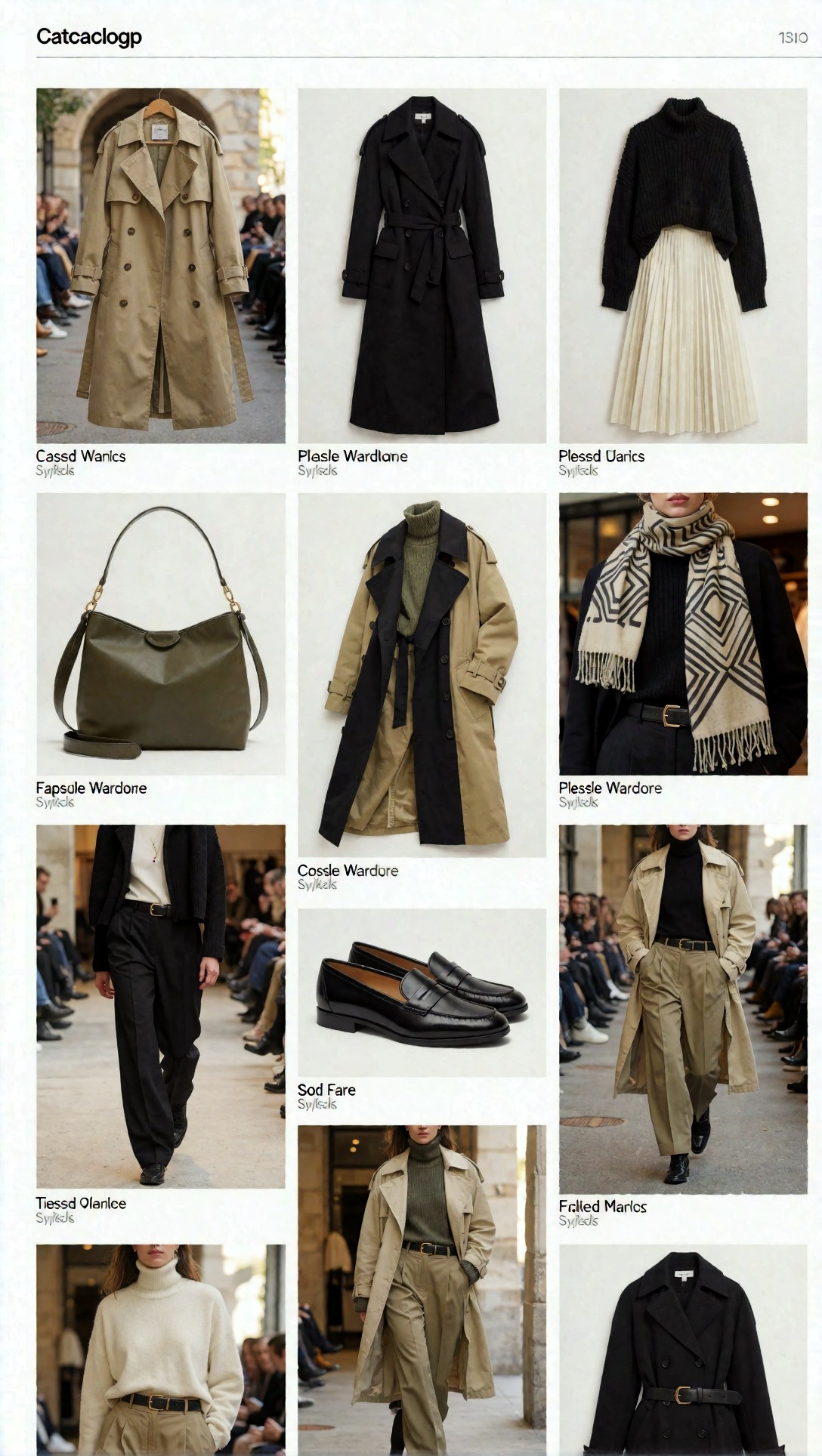
사용 가능한 텍스트를 기대해서는 안 된다. 대신 확인해야 할 것은 제품군이 일관되게 느껴지는지, 그리고 각 아이템이 나중에 수동으로 레이아웃을 다시 구성할 수 있을 만큼 충분히 형태를 유지하는지다.
의외로 유용했던 점: 런웨이와 백스테이지 프롬프트가 트렌드 방향성을 잡는 데 도움이 됐다
런웨이 스타일 프롬프트가 룩북에 도움이 될 것이라고는 예상하지 못했지만, 카탈로그 샷으로 좁혀가기 전에 컬렉션 무드를 찾는 데 유용했다. 이런 이미지는 실루엣 신호가 가장 강하게 나타나는 경우가 많았다.
테스트 5: 실루엣 탐색을 위한 런웨이/백스테이지
이 프롬프트는 모델이 의상 정체성을 잃지 않으면서 움직임, 레이어링, 트렌드 맥락을 보여줄 수 있는지 확인한다.
Topic: Runway backstage moment for oversized tailoring trend research
Genre: Fashion Documentary
Camera: Leica SL2-S
Lens: 24-70mm at 35mm f/3.5
Lighting: Mixed backstage fluorescents and soft tungsten spill
Location: Milan runway backstage with racks, garment bags, and taped floor marks
Style: Documentary fashion realism
Final Prompt: runway backstage moment, trend-led oversized tailoring look being adjusted before showtime, full outfit visible with long black double-breasted coat, pale blue shirt, loosened tie, wide charcoal trousers, square-toe shoes, leather belt, compact crossbody pouch, stylist hands lightly fixing lapel, garment racks and production clutter behind, candid motion, complete silhouette readable, cool mixed backstage lighting, gritty documentary realism, fabric texture and construction visible, fashion week atmosphere without glamour posing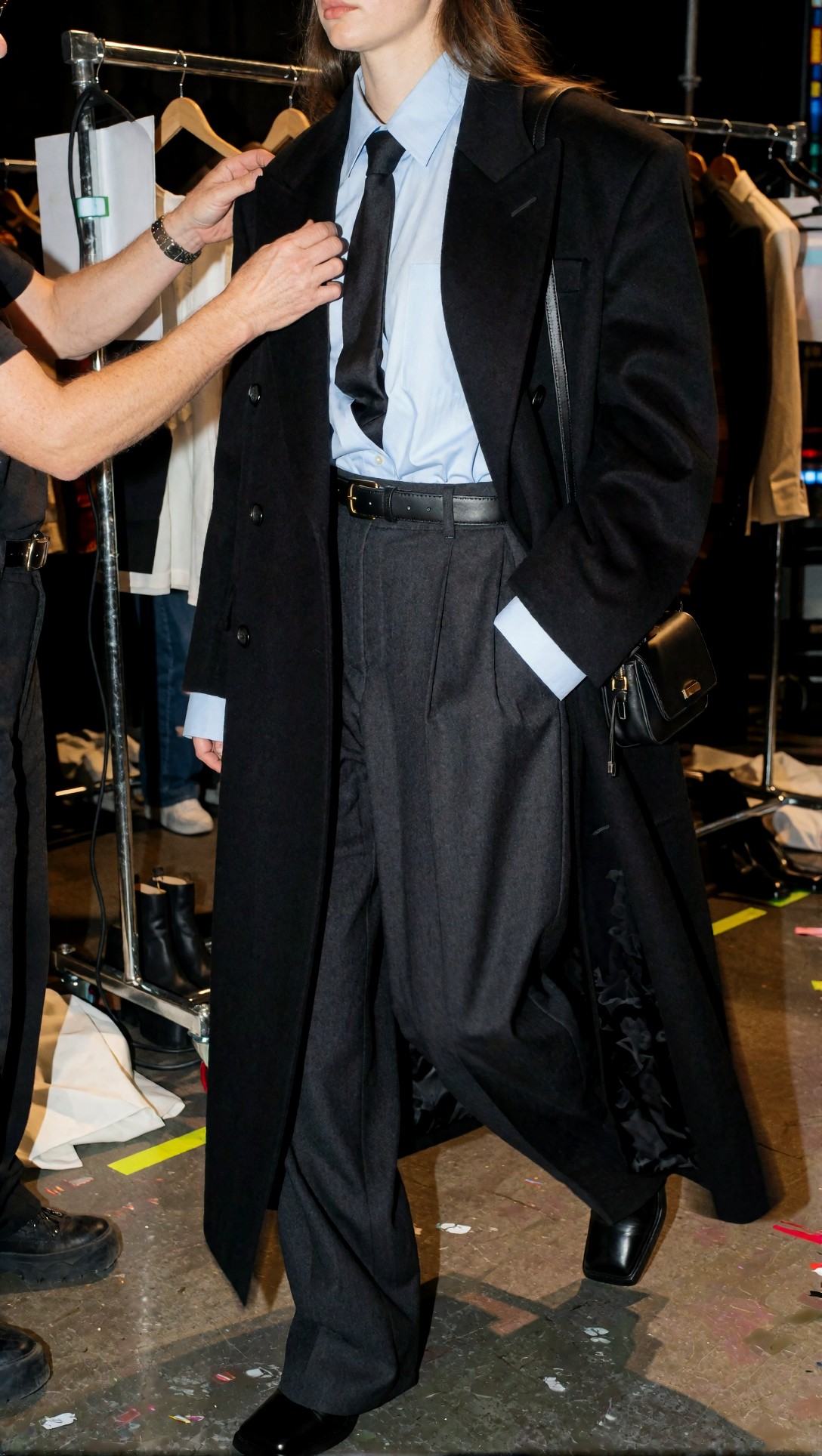
상호작용 지점을 확인하라: 라펠, 손, 타이, 코트 여밈. AI가 혼란스러운 구조를 만들어내기 쉬운 부분이 바로 여기지만, 잘 작동하면 강력한 스타일링 레퍼런스를 제공한다.
플랫 레이와 디테일 샷은 의상 시스템 기획에서 예상보다 좋았다
상품 구성 기획에서는 탑다운 제품 뷰가 레이아웃 페이지보다 더 안정적이었다. 특히 컬러 스토리와 소재 간 관계를 확인하는 데 유용했다.
테스트 6: 캡슐 코디네이션을 위한 제품 플랫 레이
이 테스트는 인체 구조 문제를 제거하고 의상 조합에만 온전히 집중하도록 설계했다.
Topic: Flat lay capsule wardrobe arrangement for a trend-led lookbook
Genre: Product Editorial
Camera: Canon EOS R3
Lens: 50mm f/5.6
Lighting: Overhead softbox with side fill cards
Location: Neutral stone tabletop studio set
Style: Clean premium merchandising
Final Prompt: product flat lay fashion composition, coordinated capsule wardrobe arranged neatly from overhead, oversized oatmeal knit, black tailored trousers, cream tank, cropped olive utility jacket, brown loafers, leather belt, canvas tote, square sunglasses, silk scarf, visible spacing between items, sleeves and hems carefully arranged, trend-led earthy palette, premium retail merchandising feel, top-down commercial clarity, realistic knit and leather texture, clean stone background, suitable for lookbook planning and e-commerce concepting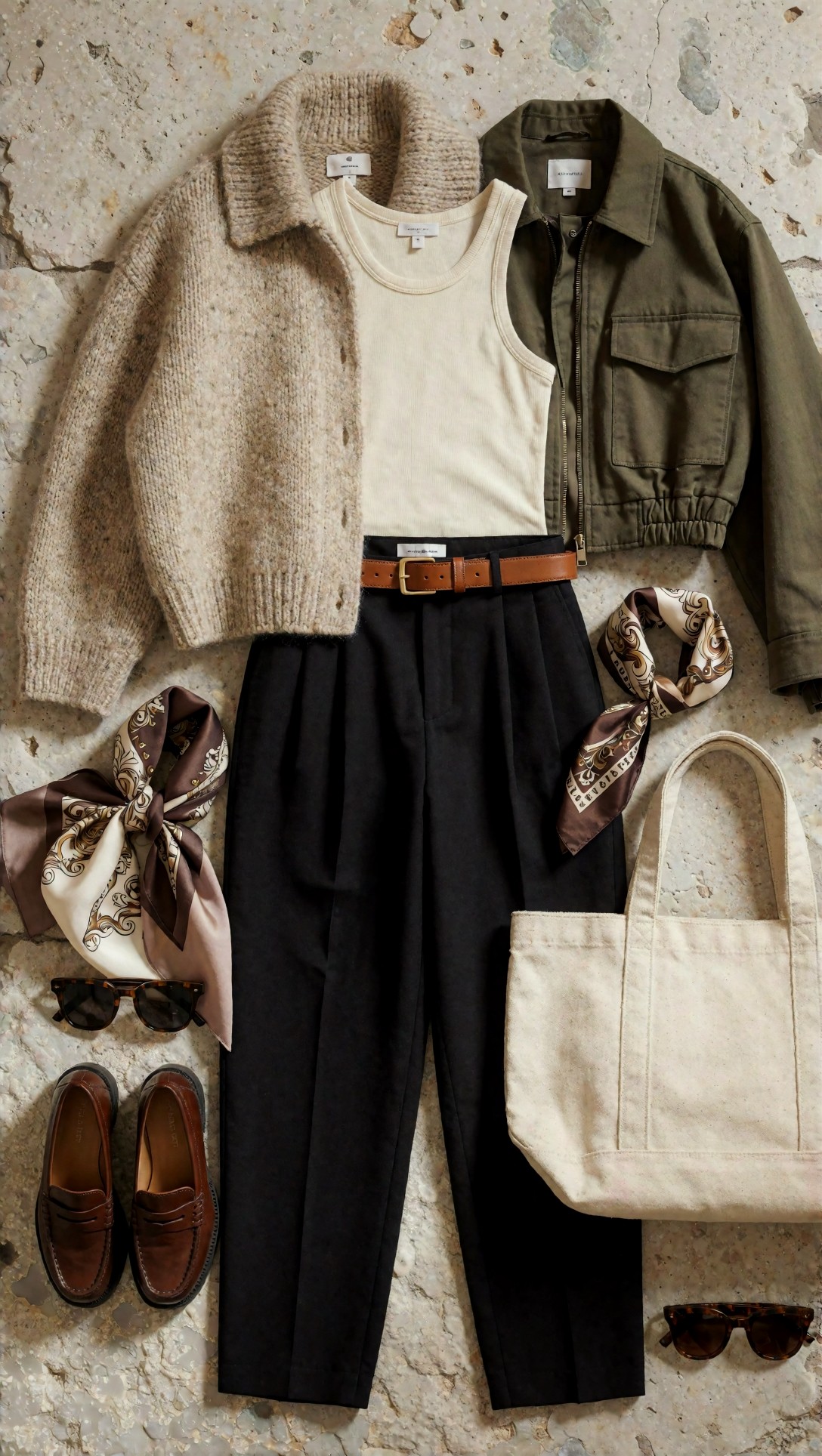
겹치는 아이템 사이의 가장자리 분리를 확인하라. 소매가 바지와 합쳐지거나 액세서리가 부자연스럽게 떠 있으면, 그 배열은 기획에 활용할 만큼 신뢰하기 어렵다.
테스트 7: 텍스타일 신뢰도를 위한 의상 디테일 매크로
룩북 세트는 히어로 샷에서는 품질이 좋아 보이지만 디테일이 버티지 못해 실패하는 경우가 많다. 이 프롬프트는 원단의 설득력을 직접 테스트한다.
Topic: Garment detail macro of premium outerwear construction
Genre: Fashion Detail Study
Camera: Sony A1
Lens: 85mm f/2.8 macro
Lighting: Directional side light with soft reflector fill
Location: Studio garment rack close-up setting
Style: Editorial material study
Final Prompt: garment detail macro image, close study of a charcoal wool coat sleeve, horn buttons, precise topstitching, brushed texture, cream knit cuff peeking underneath, leather glove tucked into pocket edge, fashion editorial material focus, shallow but controlled depth of field, side light revealing weave and seam construction, muted charcoal cream black palette, luxury garment craftsmanship mood, highly realistic textile detail, premium close-up suitable for supporting lookbook pages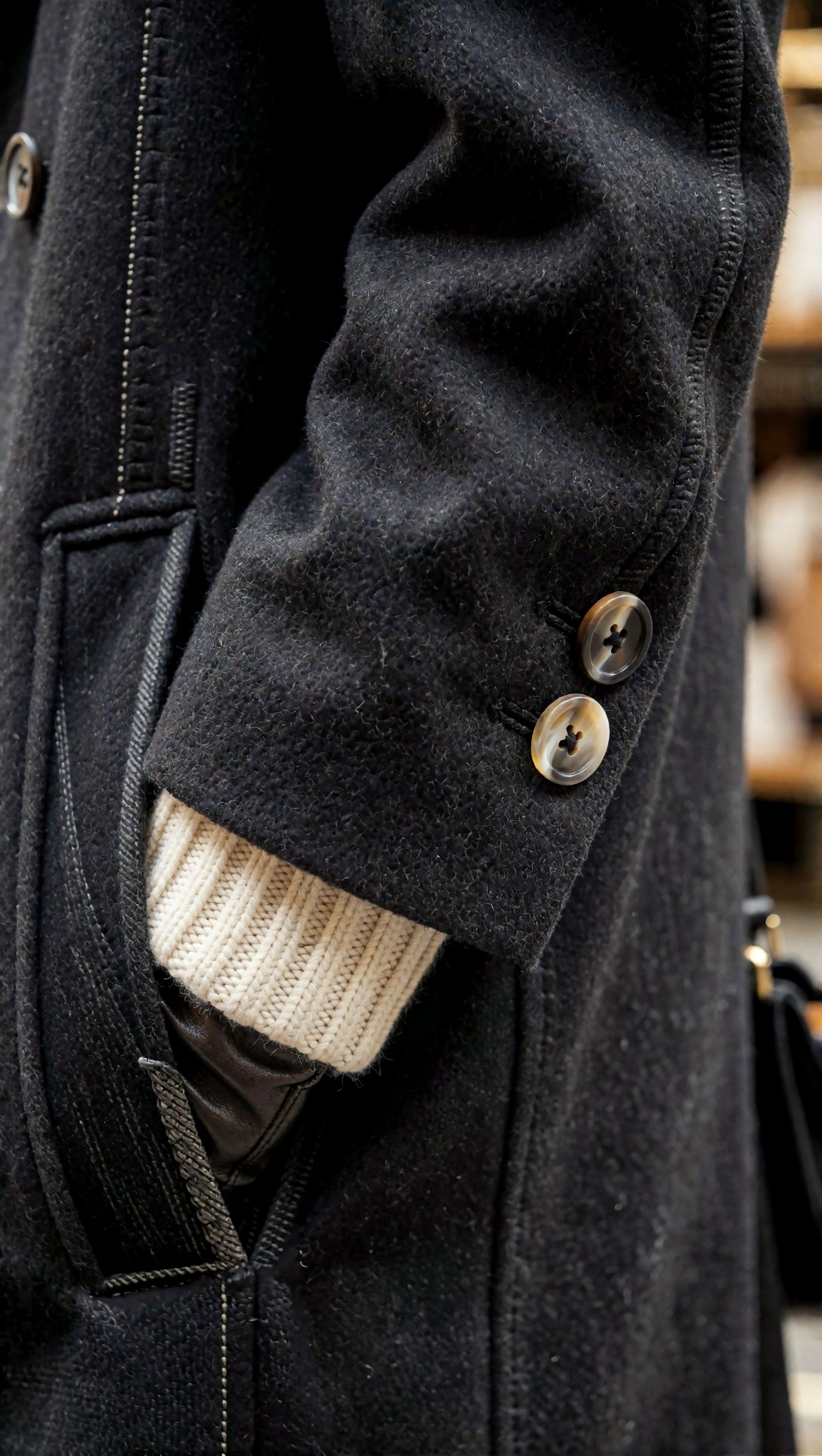
솔기 구조와 단추 배치를 확인하라. 질감은 풍부하지만 테일러링 디테일이 불가능한 구조라면, 그 이미지는 무드 레퍼런스로만 작동한다.
스토어프런트와 액세서리 장면은 보조 페이지에 강했다
패션 프레젠테이션에서는 보조 이미지도 중요하다. 좋은 룩북은 의상 샷만으로 구성되지 않는다. 머천다이징 맥락, 액세서리 페이지, 시각적 전환도 필요하다.
테스트 8: 리테일 맥락을 위한 스토어프런트 디스플레이
이 마지막 테스트는 모델이 스타일링 세계관을 그럴듯한 비주얼 머천다이징 장면으로 확장할 수 있는지 확인합니다.
Topic: Trend-led storefront display for a capsule fashion launch
Genre: Retail Visual Merchandising
Camera: Panasonic Lumix S1R
Lens: 24-70mm at 50mm f/4
Lighting: Early evening window glow with interior spotlights
Location: Seoul boutique storefront in Hongdae with glass reflections and minimalist fixtures
Style: Contemporary fashion retail campaign
Final Prompt: storefront display fashion image, boutique window presentation for a capsule wardrobe launch, mannequins and hanging garments showing complete outfit logic with beige trench, black knit, cream skirt, olive jacket, loafers, shoulder bags, scarves, folded knits on pedestal tables, clean signage areas with no readable text required, Hongdae boutique exterior, warm interior spotlights against cool dusk street reflections, trend-led retail atmosphere, polished merchandising, balanced composition, realistic glass reflections, premium fabric and accessory visibility
그럴듯한 간격, 행거의 논리, 창문 반사를 확인하세요. 마네킹, 가방, 접힌 의류 더미가 왜곡된다면 최종 리테일 크리에이티브가 아니라 영감용 이미지로만 활용하는 것이 좋습니다.
AI photo generator for catalog images 결과물을 게시하기 전에 확인해야 할 것
어떤 결과물이든 게시 가능하다고 판단하기 전에, 저는 다음 체크리스트를 거칩니다.
- 실루엣 무결성: 한눈에 의상을 읽을 수 있는가?
- 레이어 분리: 셔츠, 니트, 재킷, 코트, 액세서리가 명확히 구분되는가?
- 원단의 사실성: 울, 새틴, 데님, 가죽, 니트가 서로 다르게 표현되는가?
- 신발의 현실감: 밑창, 굽, 앞코 형태가 온전한가?
- 액세서리의 연속성: 가방 하드웨어, 스트랩, 여밈 구조가 말이 되는가?
- 손 리스크: 손이 핵심 의류 디테일을 가리거나 불가능한 주름을 만들고 있지는 않은가?
- 배경의 활용성: 이미지가 과도한 정리 작업 없이 룩북 페이지에 들어갈 수 있는가?
- 업스케일링 내성: [Upscaler](/upscaler)로 향상한 뒤에도 텍스처가 유지되는가?
이 중 두 가지 이상이 실패한다면 리터치보다 재생성을 권합니다. 이 테스트에서는 거의 괜찮은 패션 이미지를 억지로 살리는 것보다 재생성이 대체로 더 빨랐습니다.
강점: best AI image generator 워크플로가 패션 팀에 실제로 도움이 되는 지점
가장 강력했던 사용 사례는 다음과 같았습니다.
- 캡슐 워드로브 방향성 콘셉팅
- 실제 촬영 전 에디토리얼 무드 기획
- 피치 덱용 보조 비주얼 제작
- 레이아웃 테스트용 룩북 플레이스홀더 생성
- 컬러, 텍스처, 실루엣 조합을 빠르게 탐색
이러한 작업에서는 워크플로가 효율적이었습니다. 또한 [Gallery](/gallery)에서 레퍼런스를 살펴보고 [Prompt Lab](/promptlab)에서 촬영 언어를 다듬을 때도 잘 작동했습니다.
한계와 실패 리스크
약점은 여전히 정확한 반복 가능성이었습니다. 열 페이지에 걸쳐 동일한 모델, 동일한 의상, 동일한 SKU 정확도가 필요하다면 순수 텍스트 프롬프팅은 아직 불안정합니다.
직접적인 페이지 텍스트 생성에 의존하는 것도 피하는 편이 좋습니다. 모델은 매거진 디자인처럼 보이게 암시할 수는 있지만, 실제 레이아웃 시스템을 대체하지는 못합니다. AI photo generator for catalog images 용도로는 생성 결과를 완성된 페이지 빌더가 아니라 이미지 소스로 다루는 것이 가장 좋습니다.
반복적으로 나타난 다른 리스크는 다음과 같습니다.
- 가짜 여밈 장치와 불가능한 솔기
- 좌우가 예측 불가능하게 바뀌는 미러링된 액세서리
- 프레임마다 달라지는 밑단 길이
- 상품의 명확성을 가리는 과도하게 스타일화된 조명
- 얼굴이 의류보다 더 상세해지는 뷰티 바이어스
실용적 추천: 어떤 구매자에게 어떤 옵션이 가장 적합한가
상업적으로 옵션을 비교한다면, 실용적인 구분은 다음과 같습니다.
- 패션 콘셉팅에 가장 적합: 구도 제어력과 프롬프트 반응성이 강한 이미지 생성기를 사용하세요.
- 룩북 의상 세트에 가장 적합: 단순한 배경의 전신 및 3/4 샷 프롬프트를 우선하세요.
- 카탈로그 기획에 가장 적합: 플랫 레이와 제품 그룹 구성을 사용한 뒤, 최종 페이지는 수동으로 다시 구성하세요.
- 캠페인 무드보드에 가장 적합: 런웨이, 스트리트 스타일, 스토어프런트 프롬프트로 트렌드 방향을 빠르게 정의하세요.
제 일반적인 추천은 [Create](/create)에서 히어로 이미지를 생성하고, 프롬프트 구조를 일관되게 유지하며, 페이지처럼 보이는 레이아웃은 목업으로 다뤄도 괜찮을 때에만 모델에게 요청하는 것입니다.
유사한 주제에 적용할 수 있는 교훈
핵심 교훈은 패션을 넘어 다른 분야에도 적용됩니다. 인테리어, 뷰티 캠페인, 리테일 제품 장면을 테스트하든, best AI image generator는 보통 실제 워크플로가 요구하는 검사 수준을 통과하는 도구입니다.
패션에서 특히 효과가 컸던 프롬프트 디테일은 카메라 브랜드나 시네마틱한 형용사가 아니었습니다. 가장 중요한 것은 명시적인 의상 논리였습니다. 즉 아우터, 상의, 하의, 신발, 가방, 액세서리, 실루엣, 프레이밍입니다. 이 구성이 잘 작동하면 모델은 아트 어시스턴트처럼 행동합니다. 이 구조가 빠지면, 모델은 매력적이지만 신뢰하기 어려운 패션 노이즈로 빈틈을 채웁니다.
FAQ
패션 룩북에 가장 좋은 AI image generator는 무엇인가요?
패션 룩북에서는 여러 샷에 걸쳐 의상 구조와 구도를 안정적으로 유지하는 도구가 가장 좋습니다. 이 테스트에서는 제어된 전신 및 3/4 샷 프롬프트가 느슨한 에디토리얼 프롬프트보다 더 좋은 결과를 냈습니다.
AI image generator로 실제 카탈로그 페이지를 만들 수 있나요?
그럴듯한 목업과 콘셉트 페이지는 만들 수 있지만, 최종 카탈로그 레이아웃에는 여전히 수동 디자인 작업이 필요합니다. 텍스트, 간격, 제품 반복 가능성은 여전히 약점입니다.
AI fashion image generator 결과에는 어떤 프롬프트 스타일이 가장 잘 맞나요?
샷 타입으로 시작한 뒤 의상 레이어, 액세서리, 프레이밍, 장소, 팔레트를 설명하세요. 이 방식은 무드만 제시하는 프롬프팅보다 더 안정적인 이미지를 만들었습니다.
플랫 레이가 모델 샷보다 더 쉬운가요?
대체로 그렇습니다. 플랫 레이는 해부학적 오류를 피할 수 있고, 캡슐 구성, 컬러 스토리, 머천다이징 페이지를 기획하는 데 유용합니다.
패션 AI 이미지는 검토 전에 업스케일해야 하나요?
먼저 구조적 문제를 확인한 뒤에만 업스케일하세요. 업스케일링은 텍스처를 개선할 수 있지만, 망가진 신발, 이상한 손, 불가능한 의복 구조를 고치지는 못합니다.
에디토리얼 결론
패션 분야에서 best AI image generator를 평가하는 사람이라면, 제 추천은 분명합니다. 빠른 룩북 콘셉트, 에디토리얼 플레이스홀더, 트렌드 보드, 리테일 무드 비주얼이 필요하다면 이 워크플로를 사용하세요. 수동 수정 없이 여러 페이지에 걸쳐 의상의 정확한 연속성이 필요한 경우라면 피하는 것이 좋습니다.
이번 테스트에서 가장 중요했던 설정은 숨겨진 모델 파라미터가 아니었습니다. 핵심은 프롬프트 규율이었습니다. 먼저 패션 촬영 유형을 정하고, 전체 착장 논리가 명확히 드러나게 하며, 장면 맥락은 지배적이기보다 보조적으로 유지하는 것입니다. 이것이 매력적인 AI 패션 이미지를 실제로 사용할 수 있는 룩북 소재로 바꿔준 요소였습니다.