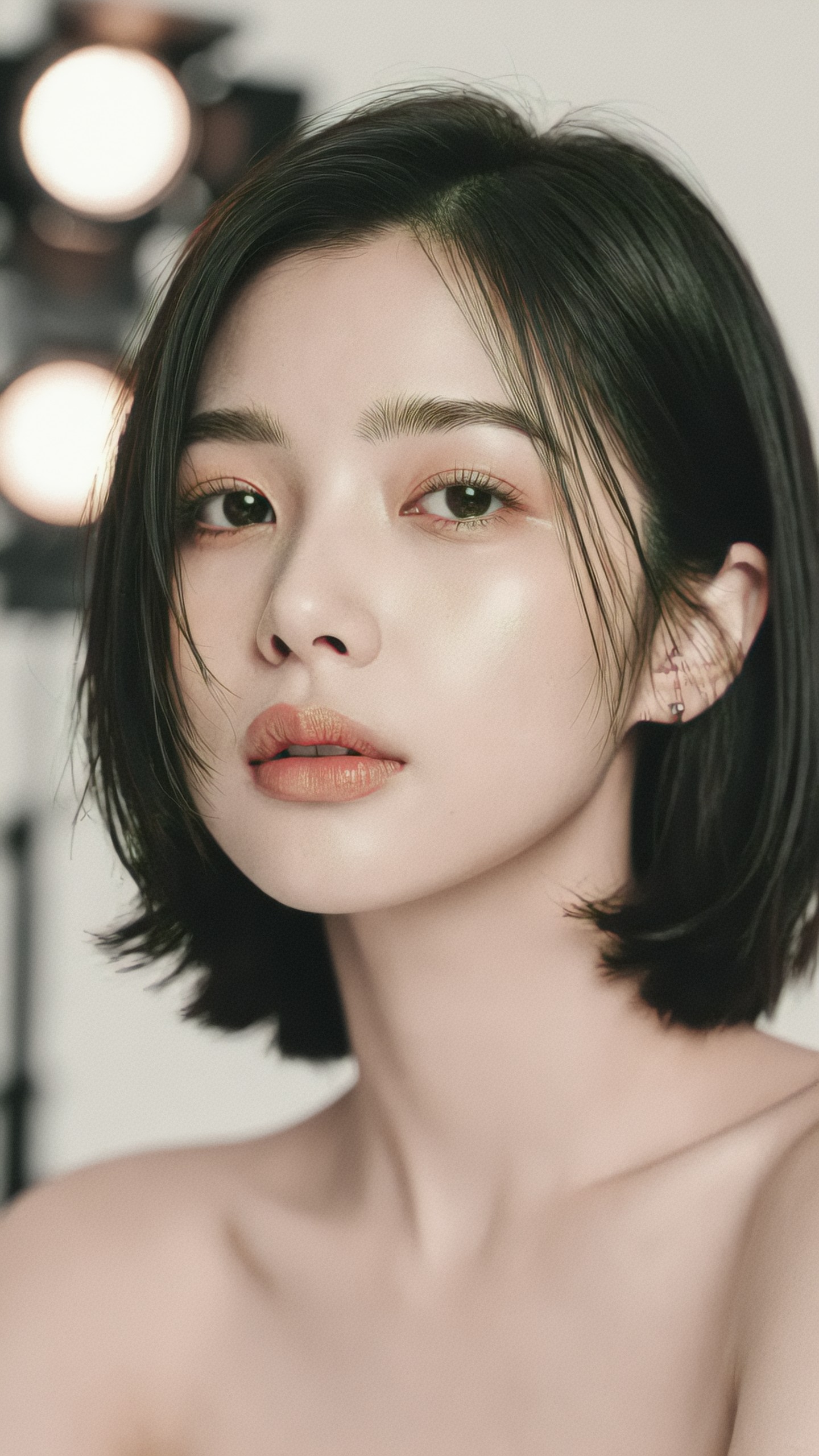
Korean Style Prompt Tests for Z-Image Turbo: From Face Shots to Full Outfit Lookbooks
This article has been rebuilt for search quality and practical use. The goal is not to collect generic AI image phrases, but to explain how to build prompts that create readable fashion images, clear styling direction, and stronger visual results with Z-Image Turbo.
Search intent
People searching for this topic usually want one of three things:
- A prompt they can paste into an AI image model.
- A way to compare model behavior across outfits, lighting, pose, and composition.
- A reliable structure for making images that look like fashion editorials, lookbooks, travel campaigns, or product-ready visual tests.
For that reason, this guide focuses on full outfit Korean style prompt tests. It avoids thin portrait-only wording and instead prioritizes full styling information: outfit, silhouette, fabric, accessories, location, pose, camera distance, lighting, and quality review.
Recommended prompt structure
A useful prompt should be specific enough for the model to understand the image, but not so crowded that the result becomes messy. For fashion and editorial image generation, the structure below works better than a single sentence.
1. Subject and framing: adult model, full-body or medium-wide composition, outfit visible. 2. Wardrobe: top, bottom, outerwear, shoes, bag, accessories, and fabric texture. 3. Location: street, resort, studio, cafe, airport, hotel, gallery, or campaign setting. 4. Lighting: natural daylight, golden hour, soft studio light, documentary flash, or cinematic window light. 5. Camera language: editorial photography, lookbook framing, commercial campaign, street style, or social-first composition. 6. Quality control: realistic textile detail, clean background, stable hands, natural pose, readable silhouette.
Prompt examples
1. Korean street style lookbook, adult model, oversized navy shirt, pleated mini skirt, loafers, shoulder bag, full-body pose, crosswalk background, editorial daylight 2. modern Seoul weekend outfit, adult model, cropped trench jacket, black tank, relaxed denim, slim belt, clean city alley, natural pose, whole outfit readable 3. soft luxury Korean fashion editorial, adult model, ivory knit set, long wool coat, minimal gold jewelry, hotel lobby, medium-wide framing, premium fabric texture
Why these prompts are stronger
The common mistake is writing a prompt that only describes a face, a pretty model, or a vague style mood. That produces images that may look polished at first glance, but they are weak for SEO articles and weak for repeatable image generation. A stronger prompt gives the model a visual job to complete.
For fashion images, the job is simple: make the outfit readable. The viewer should understand the clothing shape, styling mood, material, and environment. If the image could be mistaken for a generic portrait, the prompt is not doing enough work.
Model workflow notes
Use Z-Image Turbo as the primary model when the prompt needs to test visual interpretation. Keep the first run simple, then revise only one or two parts at a time. Changing outfit, lighting, pose, and background all at once makes it difficult to know what improved the result.
When the output is close but not ready, use an upscaler or a second comparison pass. SeedVR2 3B can be useful for quicker previews, while SeedVR2 7B is better when the final image needs more detail. For prompt extraction, PromptLAB can help turn a reference image into a structured subject, lighting, style, and composition description.
Publishing checklist
Before using a generated image in a public article or gallery, check these points:
- Is the full outfit visible enough for the article topic?
- Does the image match the title and search intent?
- Are hands, accessories, and fabric details acceptable?
- Is the image safe for public gallery and advertising review?
- Does the article explain the prompt decision instead of only listing examples?
- Would a reader understand what to change if they wanted a different style?
Practical conclusion
The best prompts are not the longest prompts. They are the prompts that control the parts of the image that matter. For full outfit Korean style prompt tests, that means clear wardrobe language, believable location context, and a composition that shows the style rather than hiding it behind a close-up face.
Use the examples above as starting points, then adjust the outfit, location, lighting, and camera distance for your own workflow.