Generative AI Images for Brands: Emerging Styles Marketers Are Adopting Now 한국어 요약
이 페이지는 ZView Space의 영어 원문을 한국어 검색 사용자도 이해할 수 있도록 정리한 SEO 요약입니다. 핵심은 단순한 얼굴 중심 이미지가 아니라 패션 에디토리얼, 룩북, 아웃핏, 프롬프트 테스트, 이미지 생성 워크플로우를 실제로 어떻게 구성할지입니다.
핵심 요약
- 원문 주제: Generative AI Images for Brands: Emerging Styles Marketers Are Adopting Now
- 목적: AI 이미지 생성에서 outfit, silhouette, fabric, pose, location, camera framing을 더 명확하게 설계합니다.
- 활용 범위: Z-Image Turbo, Krea2 Turbo, Qwen Image, Anima, SeedVR2 같은 이미지 생성 및 업스케일 워크플로우에 적용할 수 있습니다.
- SEO 관점: 제목, 설명, 이미지 alt, 프롬프트 예시가 실제 검색 의도와 맞아야 색인 가능성이 높아집니다.
한국어 사용자를 위한 체크포인트
1. 프롬프트가 얼굴 묘사에만 머물지 않고 전체 스타일과 의상 구성을 설명하는지 확인합니다. 2. 패션 이미지라면 상의, 하의, 아우터, 신발, 액세서리, 소재감, 촬영 장소를 분리해서 씁니다. 3. 생성 결과는 바로 게시하지 말고 디테일, 손, 의상 형태, 배경 일관성, 이미지 품질을 비교합니다. 4. 글 본문에는 실제 테스트 기준과 실패를 줄이는 방법이 들어가야 검색엔진에서 얇은 콘텐츠로 보일 가능성이 줄어듭니다.
원문 미리보기
Marketers are no longer using generative AI images just to make placeholder artwork. The more practical shift is happening in brand systems: campaign concepting, social creative variation, product storytelling, editorial style ads, and faster visual testing ac
---
Marketers are no longer using generative AI images just to make placeholder artwork. The more practical shift is happening in brand systems: campaign concepting, social creative variation, product storytelling, editorial-style ads, and faster visual testing across channels.
For teams evaluating generative AI images for marketing, the key question is not whether AI can make images. It is whether AI can produce visuals that feel commercially usable, on-brand, and distinct enough to support real campaigns.
Right now, several visual styles are emerging as the most useful for brands. They are not random aesthetic trends. They map directly to common marketing needs: premium positioning, quick product launches, seasonal refreshes, social-first storytelling, and lower-cost campaign testing. This article breaks down the styles marketers are adopting now, where they work best, and how to prompt them more effectively.
Why brands are using generative AI images now
The commercial appeal is straightforward. AI image generation helps teams:
- create campaign concepts before production
- test multiple art directions quickly
- generate social assets for niche audiences
- extend product photography into new environments
- localize visuals without reshooting everything
- build moodboards and pitch-ready comps faster
That does not mean AI replaces photo shoots or design systems. In most strong workflows, it sits between strategy and production. Teams use it to explore options, speed up iteration, and fill specific content gaps.
The styles below are gaining traction because they can plug into real marketing use cases without feeling obviously synthetic.
1. Clean commercial product imagery
One of the most adopted styles in AI images for brands is the polished studio product visual. This is especially useful for beauty, wellness, consumer tech, beverages, and packaged goods.
The reason is simple: marketers need more than one hero shot. They need launch banners, seasonal variants, landing page headers, retail promos, and social crops. Generative AI can help extend a product visual language once the product design, label, and brand colors are clearly defined.
What works in this style:
- clean backgrounds
- controlled reflections
- premium material detail
- minimal prop styling
- strong negative space for copy
- lighting that feels believable and repeatable
Use cases:
- PDP hero alternatives
- email campaign headers
- A/B testing product arrangements
- seasonal packaging mock campaigns
- concept visuals for pre-launch decks
Topic: Premium skincare serum bottle for a brand launch visual
Genre: Product Editorial
Camera: Canon EOS R5
Lens: 100mm f/2.8 Macro
Lighting: Studio softbox key light with subtle edge rim light
Location: Minimal beige studio set with reflective stone surface
Style: Clean commercial look
Final Prompt: A premium amber skincare serum bottle with matte black dropper cap centered on a polished beige stone pedestal in a minimal studio, softbox key light creating smooth gradients and subtle reflection, delicate rim light defining bottle edges, luxury label typography sharp and readable, a few restrained botanical accents placed far in background, negative space for headline copy, warm neutral palette of sand, cream, and amber, ultra-clean composition, precise glass texture, high-end commercial retouching, Canon EOS R5 look, 100mm macro clarity, crisp focus, premium beauty advertising quality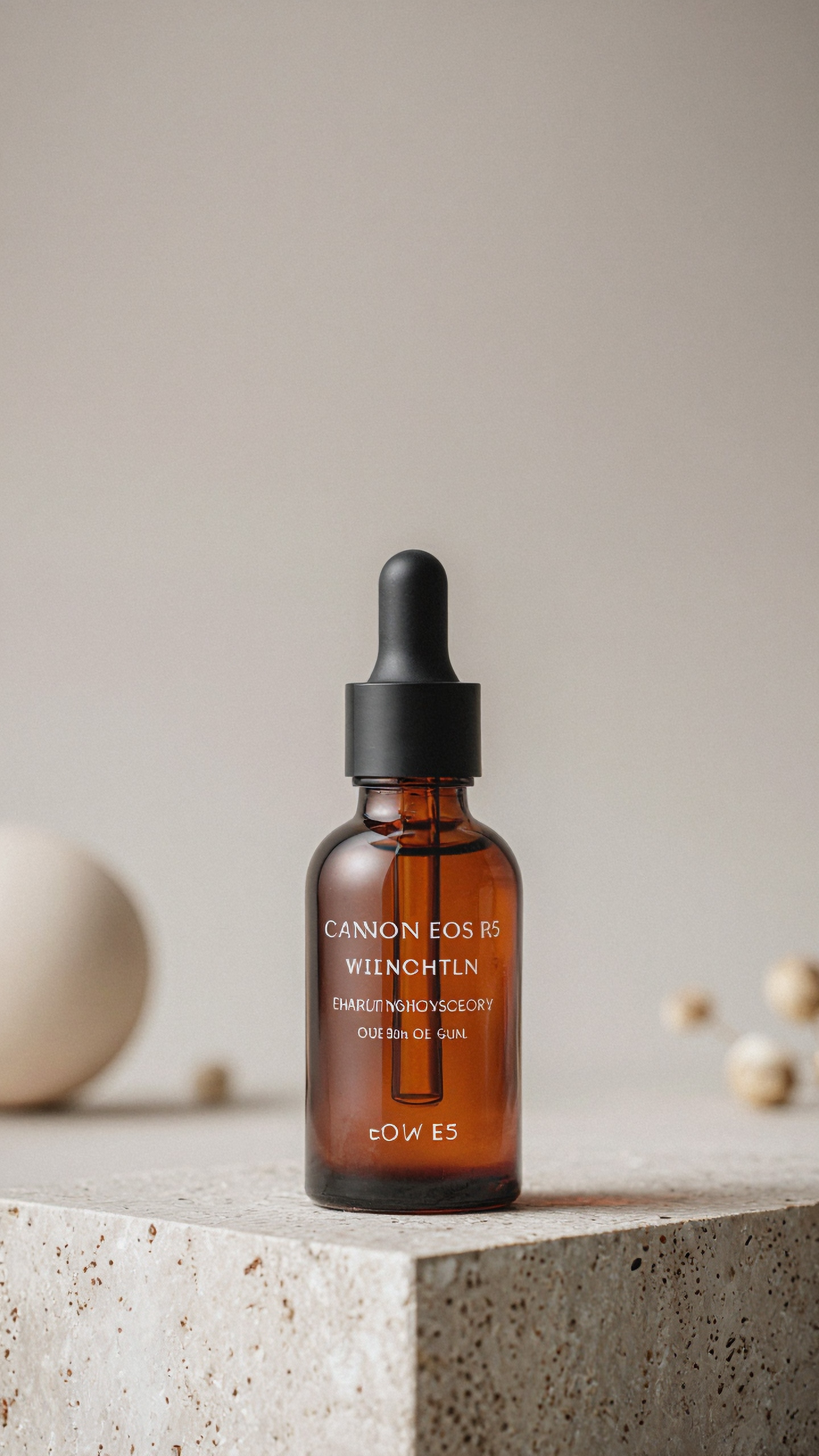
A common mistake here is over-styling. Commercial product imagery performs best when the scene supports the product instead of competing with it.
2. Lifestyle realism with light aspirational polish
Brands also want AI campaign imagery that feels human, but not stiff. The strongest style in this category is lifestyle realism: scenes that look plausible, lightly idealized, and emotionally specific.
This is useful because many stock-style visuals feel generic, while fully surreal AI imagery can weaken trust. Lifestyle realism sits in the middle. It can give marketers believable scenes for wellness brands, fintech apps, home goods, food delivery, travel offers, and fashion basics.
What defines this look:
- natural expressions
- everyday environments with elevated styling
- realistic skin texture
- candid compositions
- controlled color palette
- storytelling through small details
Use cases:
- website hero sections
- paid social ads
- brand storytelling posts
- app marketing visuals
- customer persona campaigns
Topic: Young professional using a wellness app during a calm morning routine
Genre: Lifestyle Portrait
Camera: Fujifilm GFX 100S
Lens: 63mm f/2.8
Lighting: Soft window light with overcast diffusion
Location: Scandinavian apartment kitchen with muted wood and linen textures
Style: Cinematic realism
Final Prompt: A young professional in relaxed neutral loungewear standing by a bright Scandinavian kitchen counter, casually checking a wellness app on a smartphone while holding a ceramic mug, calm focused expression, natural posture, soft overcast window light wrapping the face and hands, subtle steam from coffee, muted oak cabinetry, linen curtains, small green plant, clean countertop, realistic skin texture and fabric detail, airy beige, sage, and soft gray palette, documentary-style composition with premium brand polish, Fujifilm GFX 100S medium-format look, 63mm natural perspective, credible lifestyle advertising image with room for copy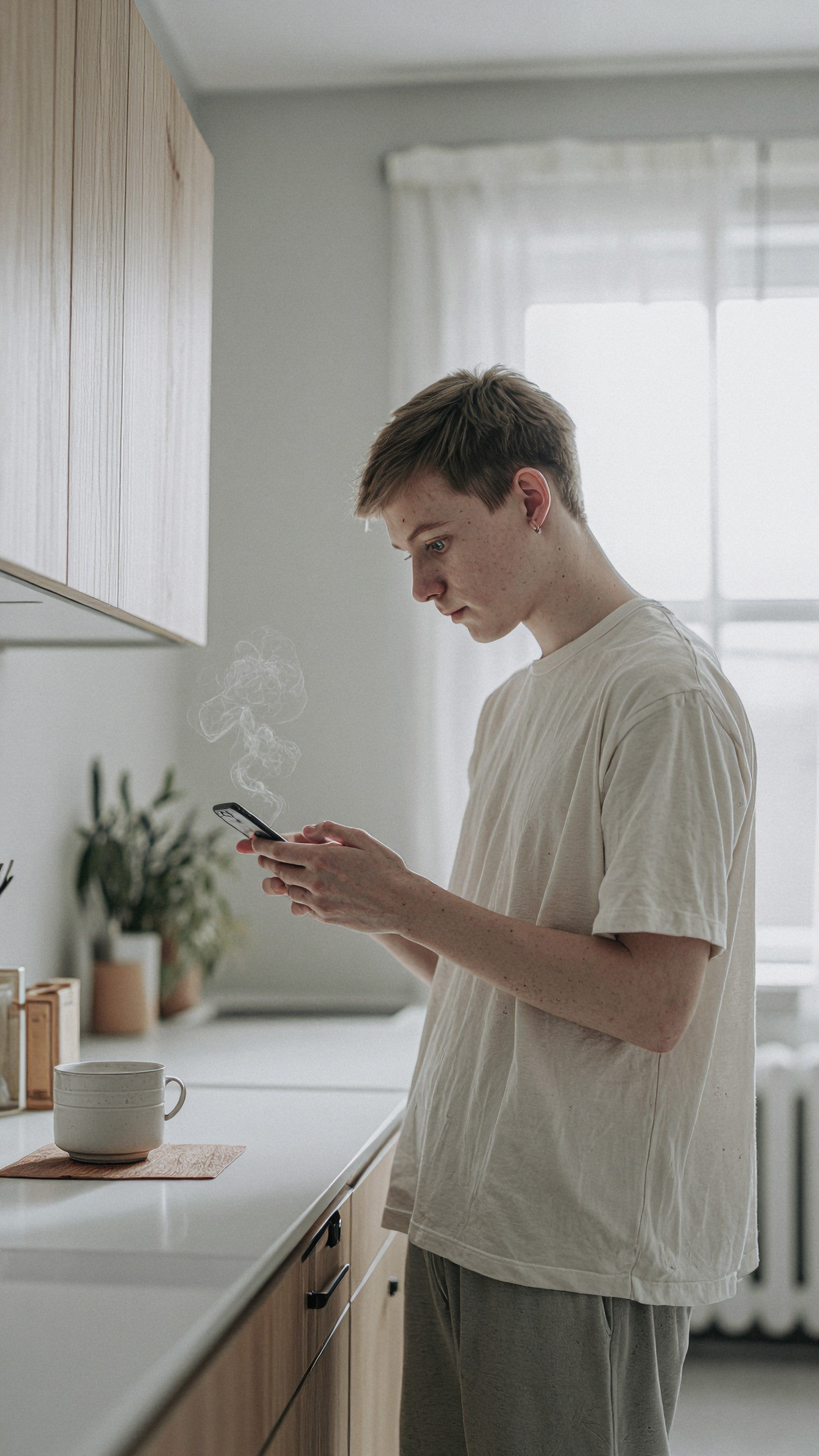
For this category, prompt specificity matters. If you do not define emotion, wardrobe, and setting clearly, results tend to drift into vague stock-photo territory.
3. Editorial fashion framing for non-fashion brands
An interesting shift in commercial AI image styles is the spread of fashion editorial language into broader marketing. Tech accessories, beverages, fragrance, consumer apps, and even finance brands are borrowing fashion-adjacent aesthetics to look more current.
This does not mean every campaign should look like a runway spread. It means art direction is becoming more image-led, styled, and compositionally deliberate.
Typical features:
- strong pose direction
- intentional wardrobe styling
- bold crops
- clean but dramatic backgrounds
- magazine-like color grading
- high visual confidence
Use cases:
- premium social ads
- launch campaign key art
- outdoor poster concepts
- partnership campaign visuals
- Gen Z or trend-sensitive audiences
Topic: Premium wireless headphones positioned as a fashion-led accessory
Genre: Fashion Editorial
Camera: Sony A7R V
Lens: 85mm f/1.4
Lighting: Studio butterfly light with cool-toned fill
Location: Contemporary color-block studio with sculptural backdrop
Style: Korean magazine cover
Final Prompt: A stylish model wearing oversized tailored charcoal blazer and minimal silver jewelry, premium wireless headphones worn as a statement accessory, confident direct gaze, elegant half-turn pose, sculptural color-block set in pale gray and powder blue, butterfly key light shaping the face with subtle cool fill for modern gloss, sleek hair, natural skin with editorial finish, luxury tech-meets-fashion mood, balanced negative space, sharp product visibility, premium fabric texture, refined blue-gray palette, Sony A7R V precision, 85mm f/1.4 shallow depth, magazine-cover composition designed for a high-end campaign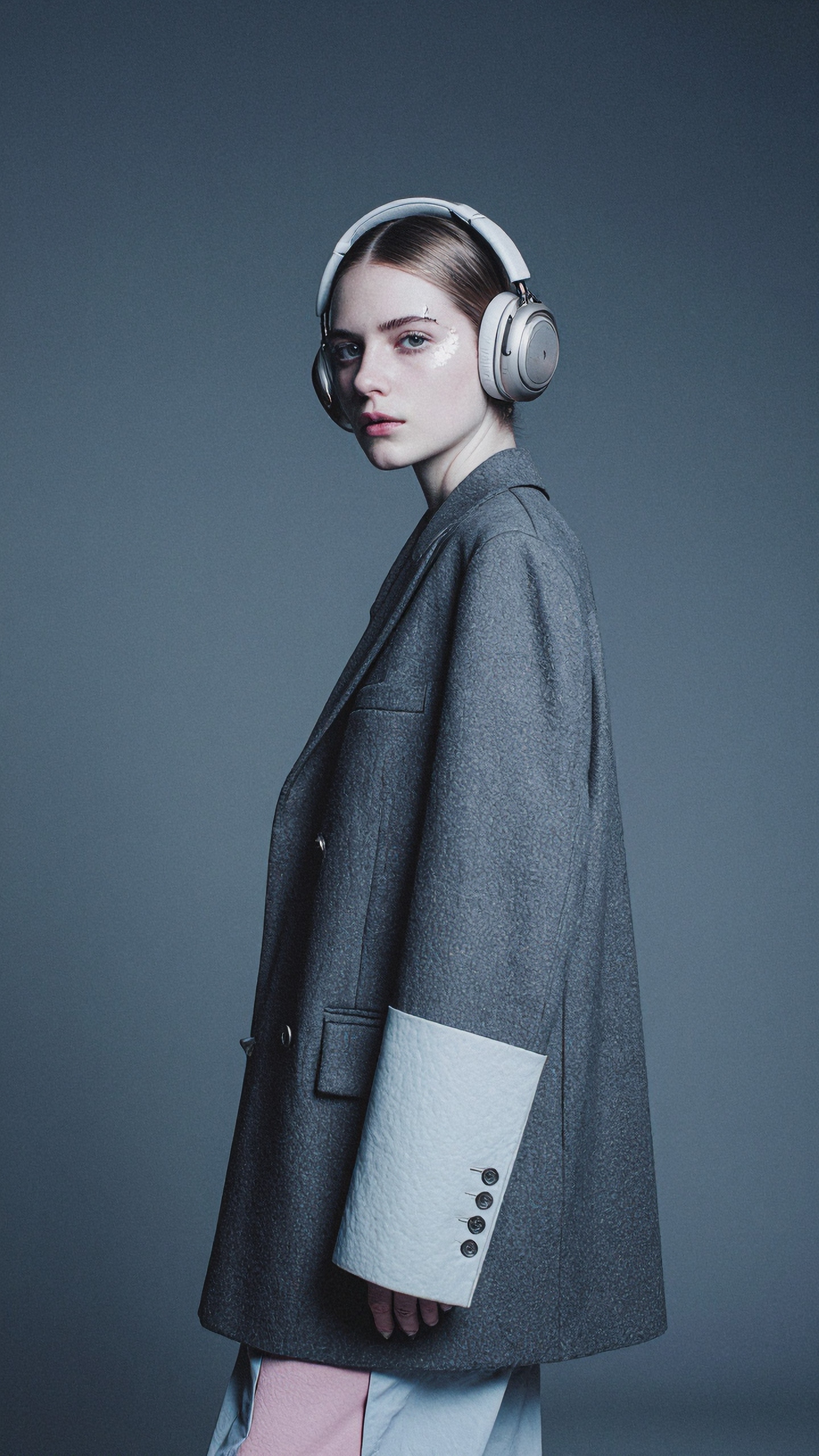
This style works best when the product already has strong industrial design or when the brand wants to elevate perception without leaning on overt luxury clichés.
4. Soft luxury and quiet premium branding
Many brands have moved away from loud aspirational imagery and toward a quieter premium feel. In generative AI, this often appears as muted palettes, tactile surfaces, restrained styling, and gentle natural light.
This is especially effective for skincare, interiors, hospitality, jewelry, and upscale DTC brands that want to feel refined rather than flashy.
What makes it commercially useful:
- premium without looking inaccessible
- strong fit for landing pages and packaging campaigns
- easy to adapt across digital and print
- aligns with current minimalist branding systems
Use cases:
- homepage refreshes
- collection launches
- seasonal campaign mood pieces
- hospitality promotions
- premium membership visuals
Topic: Boutique hotel breakfast scene communicating quiet luxury
Genre: Luxury Campaign
Camera: Leica SL2-S
Lens: 50mm f/1.4
Lighting: Early morning natural light with soft curtain diffusion
Location: Mediterranean suite terrace with travertine table and sea view
Style: Elegant resort editorial
Final Prompt: An intimate boutique hotel breakfast scene on a Mediterranean terrace, fresh pastries, linen napkin, small ceramic coffee set, cut fruit, and a partially visible guest in a cream knit set seated with relaxed posture, only hands and profile softly shown, calm contemplative expression, travertine tabletop, textured stucco walls, distant sea horizon, diffused early morning light through sheer curtains, soft beige, ivory, stone, and faded blue palette, tactile linen and ceramic detail, understated luxury atmosphere, Leica SL2-S cinematic stillness, 50mm f/1.4 depth, refined hospitality campaign image with quiet premium mood
This style is often more durable than trend-heavy visuals because it integrates well with established brand identities.
5. Bold color worlds for social-first campaigns
Not every brand needs realism. For social ads, event promos, and short-cycle campaigns, marketers are increasingly using AI-generated color worlds that are exaggerated but still commercially legible.
These visuals are useful when the goal is scroll-stopping recognition rather than literal depiction.
Common characteristics:
- saturated branded color palettes
- simple geometric environments
- surreal but readable styling
- strong silhouette and contrast
- graphic compositions that survive mobile cropping
Use cases:
- paid social creative testing
- event announcements
- promo campaigns
- creator collaboration visuals
- music, beverage, and beauty launches
Topic: Sparkling beverage can in a bold brand color environment
Genre: Product Editorial
Camera: Hasselblad X2D 100C
Lens: 55mm f/2.5
Lighting: Neon rim light with frontal soft fill
Location: Surreal geometric studio with glossy reflective floor
Style: High-impact commercial advertising
Final Prompt: A sleek sparkling beverage can standing upright in a surreal geometric studio, oversized curved panels in electric coral and deep violet, glossy reflective floor, sharp neon rim light tracing the can edges, soft frontal fill keeping branding crisp, tiny condensation droplets visible, dynamic shadows, floating sliced citrus accents arranged with graphic precision, energetic premium composition designed for mobile-first ad creative, bold coral, violet, silver, and citrus yellow palette, polished aluminum texture, Hasselblad X2D 100C clarity, 55mm balanced perspective, vivid commercial campaign image with strong visual punch and clean copy space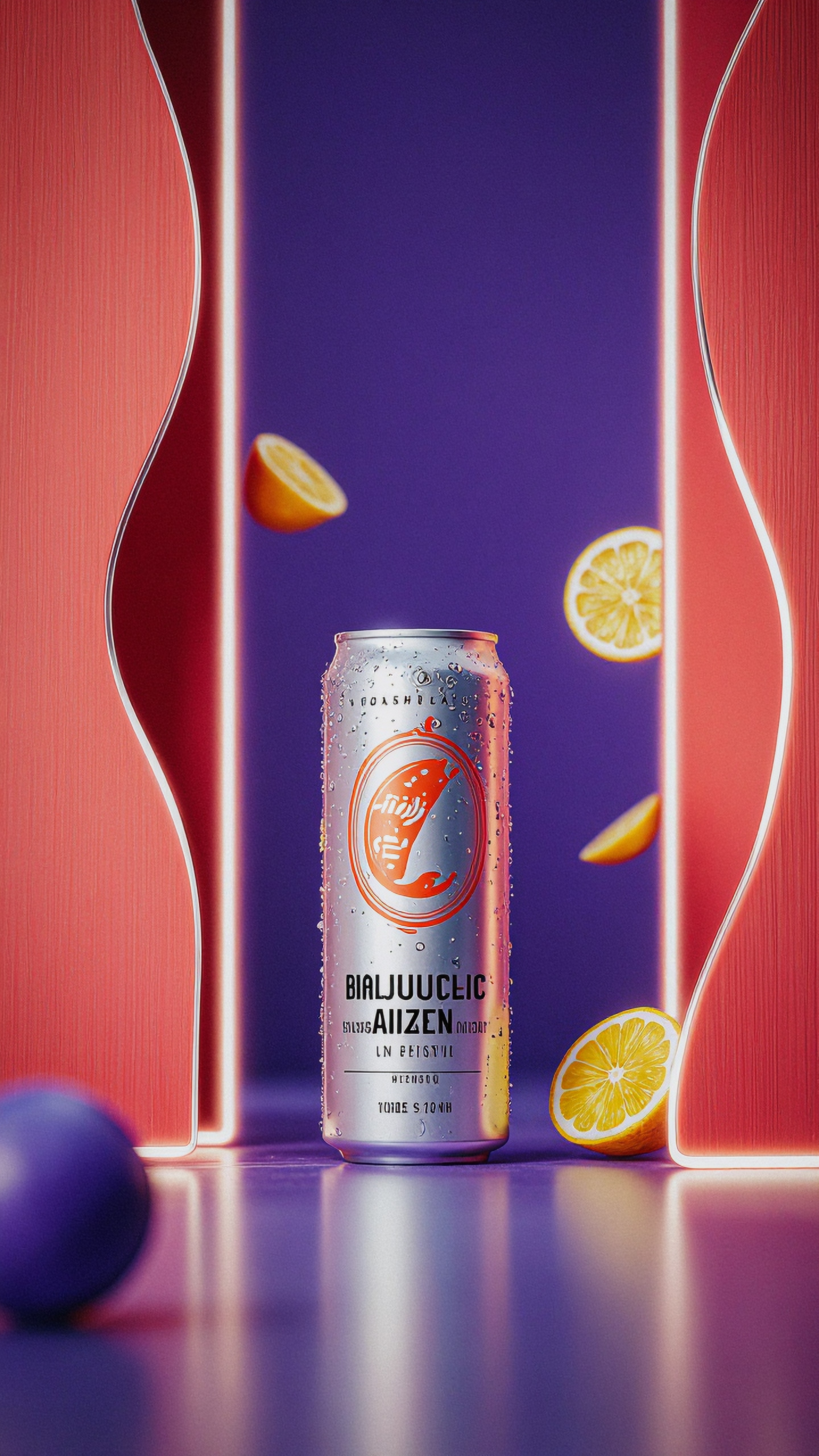
The key here is brand discipline. Without a clear palette and composition system, bright AI visuals can feel disposable.
6. Conceptual still life for storytelling campaigns
Another style marketers are adopting is symbolic still life. Instead of showing the product in a literal way, the image communicates mood, benefit, or campaign theme through objects, materials, and metaphor.
This works particularly well for wellness, sustainability, finance, productivity, fragrance, and premium food brands.
What it looks like:
- carefully staged objects
- material symbolism
- elevated composition
- tactile texture
- controlled color theory
- editorial art direction
Use cases:
- campaign key visuals
- article illustrations
- thought-leadership creative
- email headers
- abstract brand storytelling
Topic: Sustainable finance brand visualized through a conceptual still life
Genre: Product Editorial
Camera: Nikon Z8
Lens: 50mm f/2
Lighting: Softbox side light with gentle shadow falloff
Location: Minimal studio tabletop with recycled paper and brushed metal textures
Style: Modern editorial still life
Final Prompt: A conceptual still life representing sustainable finance, featuring stacked recycled-paper forms, a slim brushed-metal card, young green sprout emerging from a precise cut opening, circular coin-like shadows, textured cream backdrop, side-lit composition with soft sculptural shadows, minimal but intelligent arrangement, palette of sage green, warm white, brushed silver, and stone, crisp material detail, understated optimism, editorial negative space for copy, Nikon Z8 realism, 50mm clean perspective, sophisticated commercial image for a fintech or sustainability campaign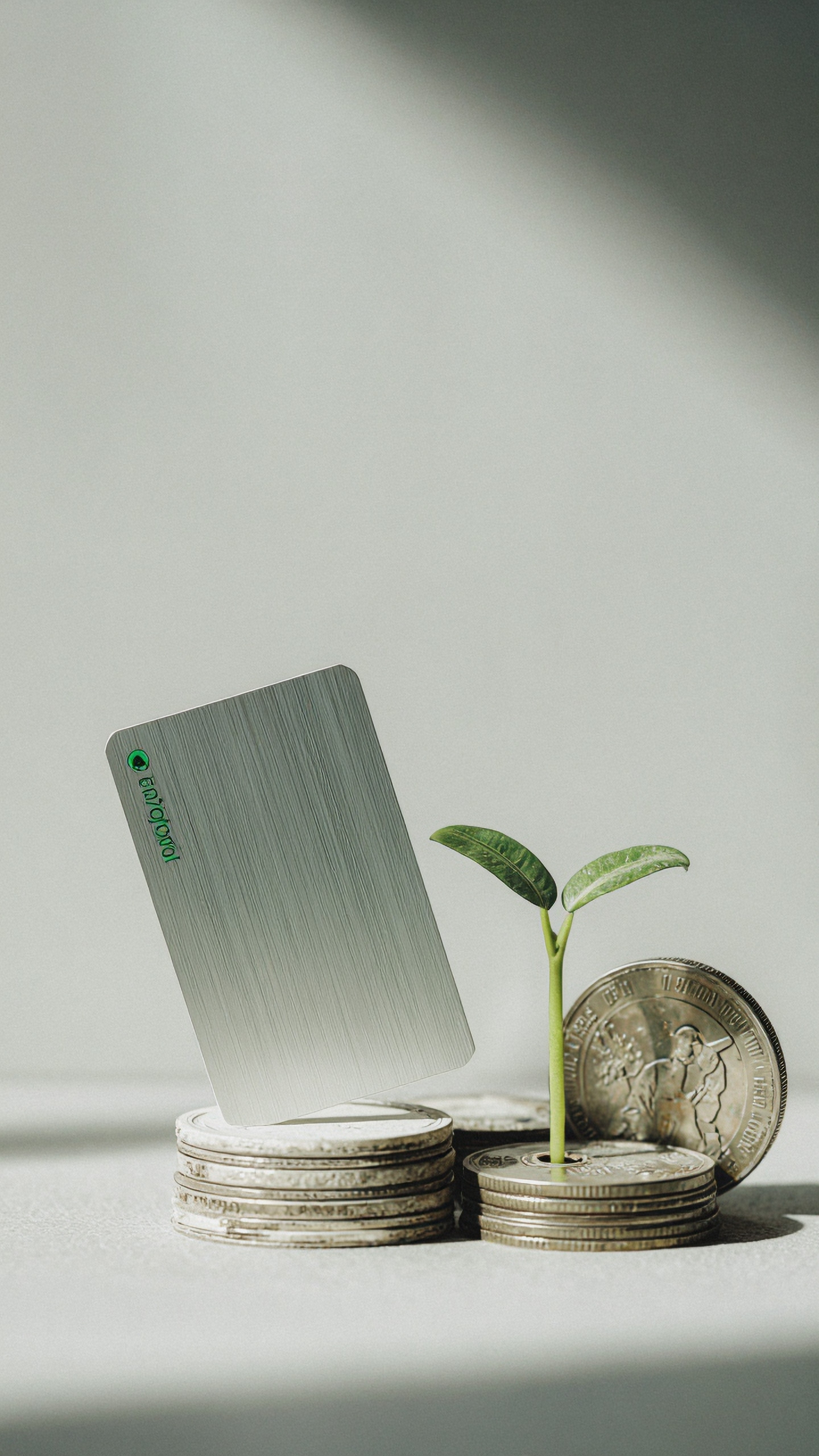
This is a strong option when marketers want visuals that feel more original than standard people-and-product imagery.
7. Travel and place imagery built for campaign flexibility
Travel, hospitality, and destination marketing teams are using AI to previsualize campaigns, generate mood-led scene variations, and localize concepts before final production. It is also useful for adjacent sectors such as luggage, fashion, insurance, and payment brands that need travel-coded visuals.
The style gaining traction is cinematic place imagery: scenes with atmosphere, movement, and environmental storytelling, but enough compositional control for ad use.
Use cases:
- travel landing pages
- seasonal destination promos
- campaign mockups for stakeholders
- airline and hotel concept boards
- branded content visuals
Topic: Coastal city weekend escape for a travel payment brand campaign
Genre: Cinematic Travel
Camera: RED Komodo 6K cinematic capture style
Lens: 35mm f/2
Lighting: Sunset backlight with practical street glow
Location: Lisbon tram street overlooking the waterfront
Style: Cinematic realism
Final Prompt: A stylish couple on a weekend city escape walking beside a classic tram street in Lisbon at sunset, one pulling a compact carry-on, the other holding a phone and glancing toward the waterfront, relaxed happy expressions, light linen travel wardrobe in cream, terracotta, and navy, warm sunset backlight mixed with early streetlamp glow, tiled facades, distant river shimmer, motion in passing tram, layered depth and atmospheric haze, cinematic framing with ad-friendly composition, rich travel textures, RED Komodo 6K filmic look, 35mm immersive perspective, premium campaign imagery for a travel payment or booking brand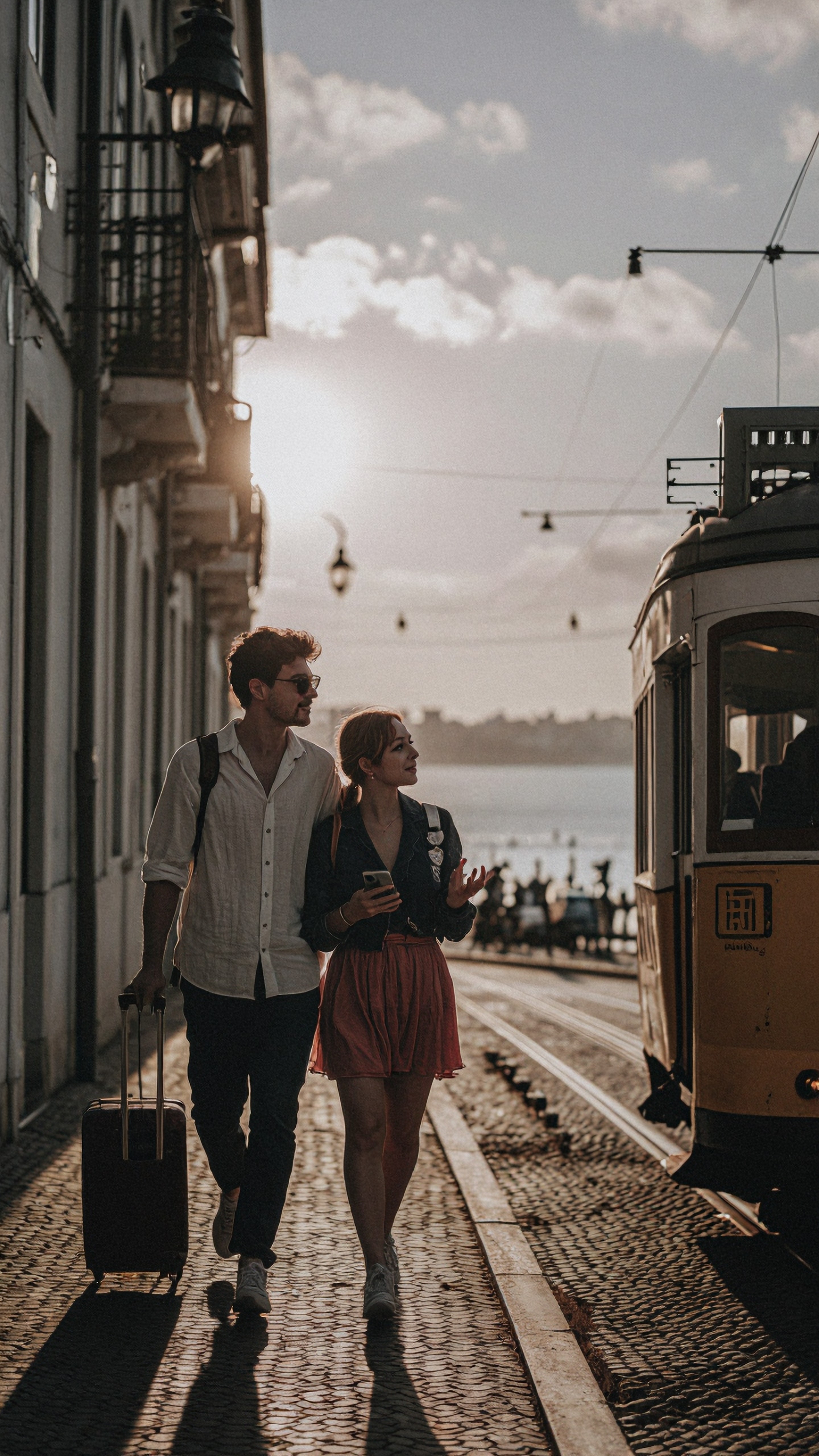
For commercial use, travel prompts should define both mood and utility. Beautiful scenery alone is rarely enough.
8. Beauty close-ups with credible texture
Beauty and personal care brands are among the heaviest adopters of brand image generation, but the style is changing. The strongest results now avoid the plastic, over-smoothed look that early AI beauty images often produced.
The current preference is high-detail beauty imagery with believable skin, careful makeup direction, and strong macro-level texture control.
What makes this valuable:
- supports product-benefit storytelling
- works for skincare, makeup, and haircare
- adapts to social, retail, and editorial use
- can test shades, looks, and art direction quickly
Use cases:
- shade campaign concepts
- ingredient storytelling
- close-up social ads
- beauty editorial mockups
- retail banners
Topic: Dewy skincare result portrait for a hydration campaign
Genre: Beauty Campaign
Camera: Phase One XF IQ4
Lens: 120mm f/4 Macro
Lighting: Studio beauty dish with silver reflector fill
Location: Seamless soft-pearl studio background
Style: High-end beauty advertising
Final Prompt: Close-up beauty portrait of a model with luminous hydrated skin, minimal fresh makeup, brushed natural brows, glossy lips, hair pulled cleanly back to reveal facial contours, calm confident expression, slight head turn, visible natural pores and subtle peach-fuzz texture, dewy highlights across cheekbones and forehead, seamless soft-pearl studio background, beauty dish creating precise facial shaping with silver reflector fill for polished glow, palette of pearl, blush nude, and soft champagne, extremely refined macro detail, premium skincare campaign aesthetic, Phase One XF IQ4 look, 120mm macro precision, luxury beauty advertising quality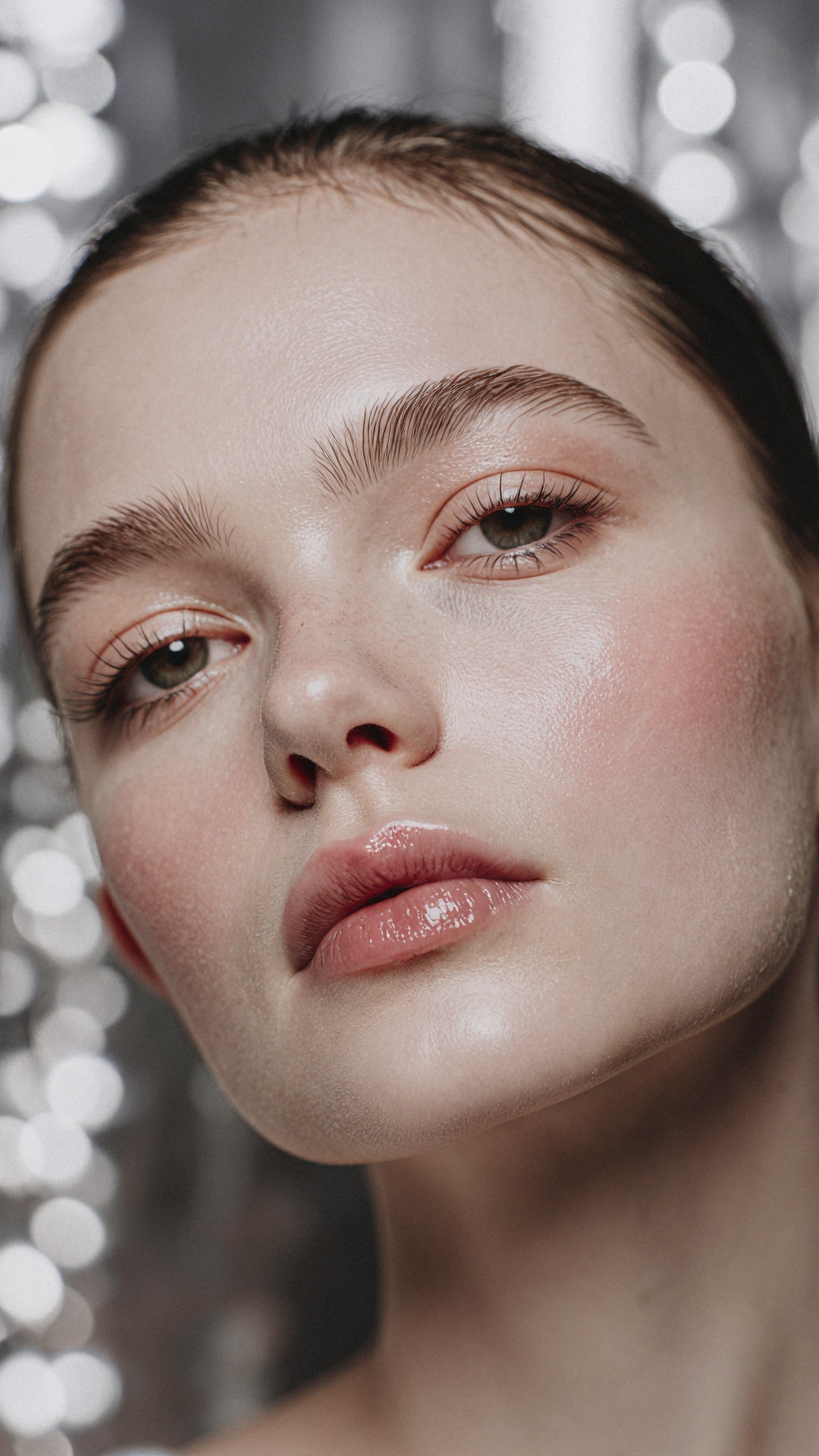
In this category, detail control is everything. Strong prompts should specify skin finish, makeup restraint, and light behavior.
9. Street-style energy for younger audiences
For youth-focused brands, polished studio campaigns are often less effective than images that feel embedded in culture. Street-style-inspired AI visuals are becoming popular for fashion, sneakers, creator brands, music-adjacent products, and lifestyle apps.
This style works because it feels immediate and social-native while still being art directed.
Typical elements:
- motion or candid posture
- urban textures
- layered styling
- flash or mixed-light look
- expressive framing
- trend-aware color treatment
Use cases:
- social campaigns
- creator collab launch art
- apparel drops
- sneaker promos
- urban lifestyle branding
Topic: Gen Z creator campaign for a sneaker brand drop
Genre: Street Style
Camera: Canon EOS-1D X Mark III
Lens: 35mm f/1.8
Lighting: Direct flash with ambient dusk city light
Location: Basketball court beside a mural-covered city block
Style: Youth culture editorial
Final Prompt: A Gen Z creator leaning forward on an outdoor basketball court at dusk, wearing oversized varsity jacket, loose cargo pants, fresh white-and-colorblock sneakers, layered rings and headphones around neck, playful confident expression, one foot posed prominently toward camera to feature the sneakers, mural-covered brick walls and chain-link fence in background, direct flash freezing subject against ambient blue-hour city light, gritty asphalt texture, vivid red, cobalt, and off-white palette, energetic composition with social-first attitude, Canon EOS-1D X Mark III action-ready look, 35mm close perspective, trend-driven streetwear campaign image with authentic urban edge
This approach can be highly effective, but only when the brand already has a clear youth-facing voice.
How marketers should evaluate AI image styles before adoption
Not every visual trend belongs in every brand system. Before using generative AI images for marketing, teams should assess each style against a few practical questions.
Does the style match brand perception?
A luxury-coded editorial look may elevate one product and distort another. A playful surreal palette may help a beverage launch but weaken trust for a healthcare service.
Can the style scale across formats?
A strong campaign image should still work when cropped into:
- 9:16 stories
- 1:1 social posts
- website hero banners
- display ads
- email headers
Is the imagery believable enough for the category?
Product-heavy categories often need realism. Concept-heavy categories have more room for abstraction.
Can the team maintain consistency?
The real challenge is not making one attractive image. It is producing a set that feels coherent across multiple channels.
Practical workflow for using AI campaign imagery
The most effective teams rarely prompt from scratch every time. They build a lightweight system.
1. Define the visual job
Specify what the image needs to do:
- sell a product
- stop a scroll
- explain a service
- create premium perception
- support a seasonal launch
2. Lock key brand inputs
Before prompting, define:
- palette
- mood
- product features
- target audience
- logo or packaging constraints
- required copy space
3. Generate variations by style, not only by subject
Instead of asking for ten versions of the same thing, test several art directions:
- clean commercial
- lifestyle realism
- editorial fashion
- conceptual still life
- bold color world
4. Curate aggressively
AI output volume is not the goal. Select the few images that clearly support the campaign and brand tone.
5. Finish with human editing
Commercially usable imagery often needs:
- retouching
- typography integration
- compositing cleanup
- packaging correction
- brand consistency review
Common mistakes in AI marketing visuals
Many weak AI ad creative trends come from avoidable prompt and workflow issues.
Chasing novelty over relevance
An image can look impressive and still be wrong for the campaign.
Using vague prompts
If the prompt does not specify environment, lighting, mood, composition, and styling, the result often feels generic.
Forgetting copy placement
Marketers need space for headlines, offers, CTAs, or product text.
Ignoring category credibility
Beauty, food, healthcare, and product categories require more precision than abstract mood campaigns.
Mixing too many styles
Consistency matters more than variety once the campaign direction is chosen.
Choosing the right style for your brand
If you are comparing generative AI images, start with the style that best matches the campaign objective rather than the trend cycle.
- Choose clean commercial product imagery for conversion-focused product marketing.
- Choose lifestyle realism for trust, relatability, and service storytelling.
- Choose editorial framing for premium launches and trend-sensitive audiences.
- Choose quiet luxury for hospitality, beauty, and upscale DTC positioning.
- Choose bold color worlds for social-first awareness campaigns.
- Choose conceptual still life for abstract brand narratives and thought leadership.
- Choose cinematic travel imagery for destination, mobility, or travel-adjacent promotions.
- Choose beauty close-ups for product-benefit campaigns with texture-led storytelling.
- Choose street-style energy for youth audiences and creator-driven launches.
Final takeaway
The most important shift in generative AI images for marketing is not that AI can imitate many styles. It is that marketers now have a broader set of commercially relevant image directions they can test quickly and use strategically.
The winning approach is usually not the most extreme or futuristic visual. It is the one that aligns with brand perception, channel needs, and campaign goals while still feeling visually current.
For brands exploring AI image generation today, the practical opportunity is clear: use AI to accelerate concept development, expand creative range, and prototype campaign aesthetics with more speed and less production waste. The styles above are where that value is becoming easiest to see.