Qwen Image 2512 Camera and Lighting Prompts for Resort Photography 한국어 요약
이 페이지는 ZView Space의 영어 원문을 한국어 검색 사용자도 이해할 수 있도록 정리한 SEO 요약입니다. 핵심은 단순한 얼굴 중심 이미지가 아니라 패션 에디토리얼, 룩북, 아웃핏, 프롬프트 테스트, 이미지 생성 워크플로우를 실제로 어떻게 구성할지입니다.
핵심 요약
- 원문 주제: Qwen Image 2512 Camera and Lighting Prompts for Resort Photography
- 목적: AI 이미지 생성에서 outfit, silhouette, fabric, pose, location, camera framing을 더 명확하게 설계합니다.
- 활용 범위: Z-Image Turbo, Krea2 Turbo, Qwen Image, Anima, SeedVR2 같은 이미지 생성 및 업스케일 워크플로우에 적용할 수 있습니다.
- SEO 관점: 제목, 설명, 이미지 alt, 프롬프트 예시가 실제 검색 의도와 맞아야 색인 가능성이 높아집니다.
한국어 사용자를 위한 체크포인트
1. 프롬프트가 얼굴 묘사에만 머물지 않고 전체 스타일과 의상 구성을 설명하는지 확인합니다. 2. 패션 이미지라면 상의, 하의, 아우터, 신발, 액세서리, 소재감, 촬영 장소를 분리해서 씁니다. 3. 생성 결과는 바로 게시하지 말고 디테일, 손, 의상 형태, 배경 일관성, 이미지 품질을 비교합니다. 4. 글 본문에는 실제 테스트 기준과 실패를 줄이는 방법이 들어가야 검색엔진에서 얇은 콘텐츠로 보일 가능성이 줄어듭니다.
원문 미리보기
Resort images work best when the prompt does more than name a beach or pool. With Qwen Image 2512, camera and lighting details help define mood, texture, and commercial polish. If you want images that feel like a travel editorial, hotel campaign, or premium bo
---
Resort images work best when the prompt does more than name a beach or pool. With Qwen Image 2512, camera and lighting details help define mood, texture, and commercial polish. If you want images that feel like a travel editorial, hotel campaign, or premium booking visual, it helps to specify how the scene is being photographed, not just what is in it.
This guide shows how to build better resort photography prompts by controlling camera body, lens choice, light quality, and art direction. The examples are designed for practical AI image generation use cases such as hotel landing pages, travel ads, social content, and moodboards for hospitality brands.
Why camera and lighting matter in resort prompts
Resort scenes can easily become flat or generic when the prompt relies on broad words like luxury, tropical, or beautiful sunset. Camera and lighting choices add structure:
- Camera suggests image character and realism
- Lens shapes framing, subject separation, and scale
- Lighting defines time of day, skin tone, reflections, and atmosphere
- Location plus style turns a generic resort into a clear visual concept
For example, a 24mm lens at a pool deck gives an open environmental feel, while an 85mm portrait lens creates a more premium editorial look. Golden hour creates warmth and softness, while overcast diffusion is useful for spa and wellness visuals.
Prompt framework for resort photography
A reliable resort prompt usually includes these layers:
1. Subject — model, couple, suite, pool, dining scene, or product detail 2. Genre — travel editorial, lifestyle portrait, luxury campaign, product editorial 3. Camera and lens — to control perspective and realism 4. Lighting — to shape mood and commercial quality 5. Location — beachfront villa, cliffside infinity pool, tropical spa garden 6. Style — clean hotel branding, cinematic travel, elegant resort editorial 7. Visual detail — wardrobe, pose, expression, textures, weather, color palette
Use this structure when you need consistent outputs across a campaign.
Use case 1: Hero image for a resort booking page
For a homepage hero, aim for a wide composition that sells place first and lifestyle second. A wider lens helps show architecture, water, and horizon without losing the subject.
Topic: Sunset infinity pool portrait at a luxury tropical resort
Genre: Cinematic Travel
Camera: Canon EOS R5
Lens: RF 24-70mm f/2.8 at 35mm
Lighting: Sunset Backlight
Location: Cliffside infinity pool overlooking the Indian Ocean in Bali, calm evening atmosphere, reflective water surface, warm sky gradient
Style: Elegant Resort Editorial
Final Prompt: A refined female traveler standing at the edge of a cliffside infinity pool in a luxury Bali resort, wearing a flowing cream linen resort dress and minimal gold jewelry, relaxed confident pose with one hand resting at her side, soft smile, sunset backlight wrapping around her silhouette, warm reflections on the pool surface, ocean horizon and tropical architecture visible in the background, captured in a cinematic travel editorial style, Canon EOS R5 look, RF 24-70mm f/2.8 at 35mm, balanced environmental composition, natural skin texture, premium fabric detail, warm amber and turquoise color palette, soft breeze, realistic water shimmer, clean high-end hospitality campaign quality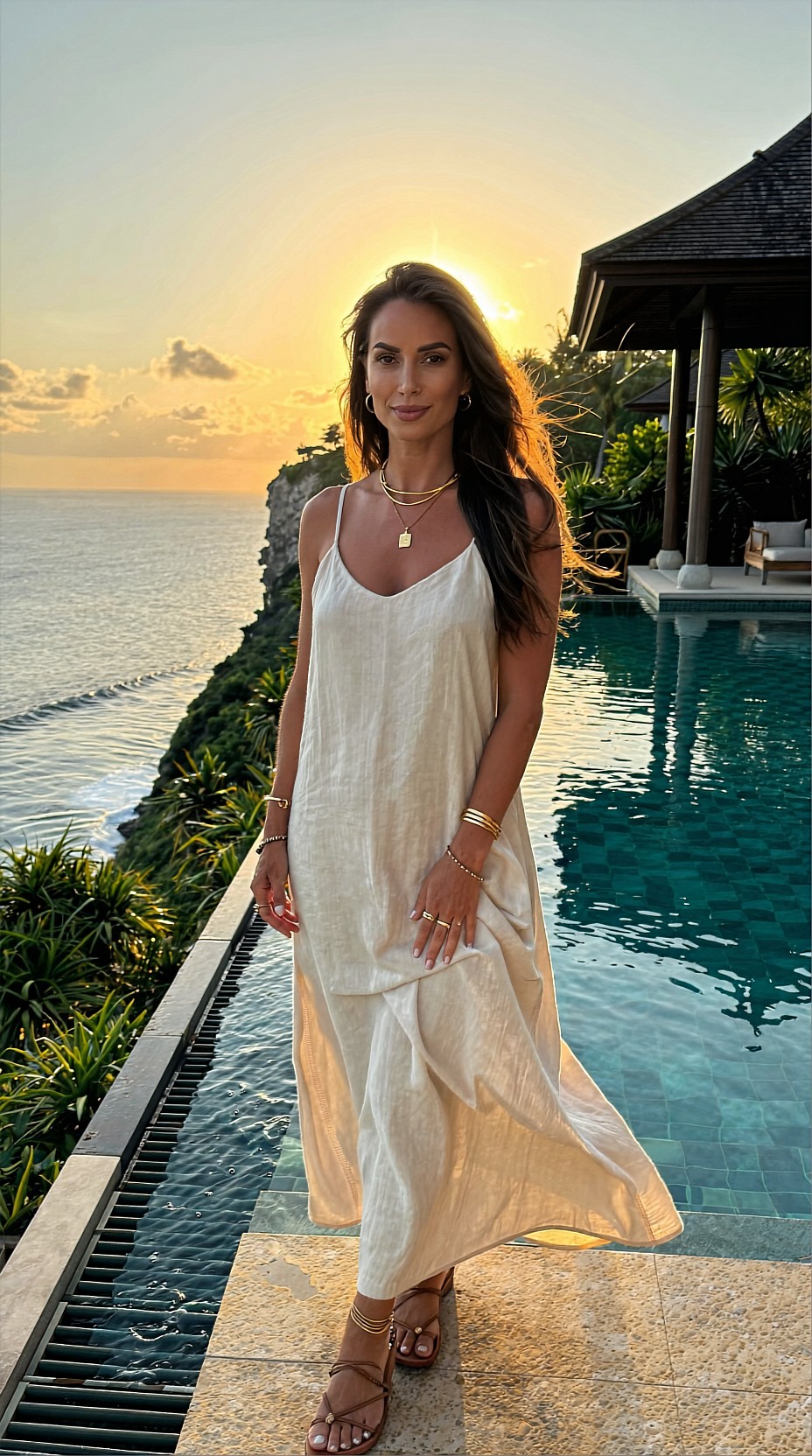
This kind of prompt is useful for:
- resort homepages
- OTA banner mockups
- destination campaign visuals
- social ad creatives promoting premium stays
Use case 2: Lifestyle portraits for social media and lookbooks
When the goal is people-focused content, switch to a portrait lens and use light that flatters skin while keeping the resort context visible. Golden hour is a reliable choice for polished but natural travel imagery.
Topic: Poolside lifestyle portrait at a Mediterranean resort
Genre: Fashion Editorial
Camera: Sony A7R V
Lens: 85mm f/1.4
Lighting: Golden Hour
Location: White stone pool terrace at a luxury resort in Santorini, soft sea view, dry summer air, upscale relaxed mood
Style: Luxury Fashion Campaign
Final Prompt: A stylish woman seated on a white stone lounge chair beside a turquoise resort pool in Santorini, wearing a structured ivory swimsuit with a sheer beige cover-up and oversized sunglasses, legs crossed, relaxed editorial posture, subtle confident expression, golden hour sunlight creating warm highlights on skin and reflective shimmer on the water, blurred Aegean architecture and sea in the background, luxury fashion campaign direction, Sony A7R V realism, 85mm f/1.4 shallow depth of field, crisp facial detail, premium textile texture, neutral white and blue palette with warm sun accents, magazine-ready framing, polished but natural retouching, elegant resort atmosphere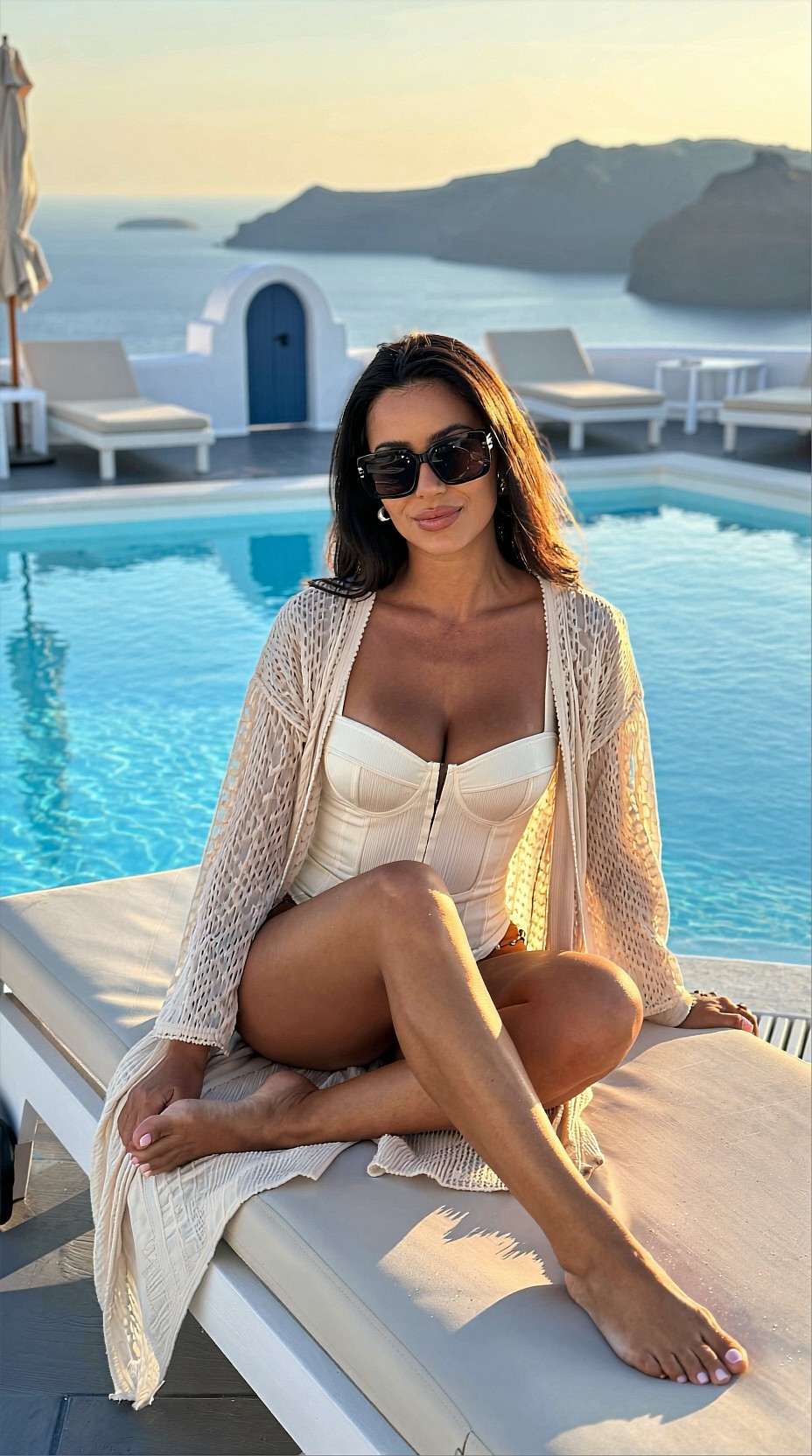
This setup works well for:
- Instagram carousel posts
- resort fashion collaborations
- traveler persona moodboards
- lifestyle sections in hotel brochures
Use case 3: Spa and wellness imagery with soft commercial light
Spa visuals often look better with diffused lighting instead of dramatic contrast. Overcast conditions or shaded garden light help communicate calm, cleanliness, and skin detail.
Topic: Outdoor spa treatment scene in a tropical wellness resort
Genre: Lifestyle Portrait
Camera: Fujifilm GFX 100S
Lens: GF 63mm f/2.8
Lighting: Overcast Diffusion
Location: Open-air spa pavilion surrounded by tropical greenery in Ubud, bamboo textures, damp stone, quiet morning mood
Style: Clean Commercial Look
Final Prompt: A serene wellness scene at an open-air resort spa in Ubud, a guest reclining on a natural wood treatment bed in a white robe with eyes gently closed, a spa therapist preparing herbal oils nearby, soft overcast diffusion creating even skin tones and delicate detail, lush tropical plants and bamboo screens surrounding the pavilion, damp stone floor and folded towels adding tactile realism, photographed in a clean commercial hospitality style, Fujifilm GFX 100S medium format look, GF 63mm f/2.8 natural perspective, muted green and beige palette, calm composition with breathable negative space, realistic fabric folds, subtle moisture in the air, premium spa branding quality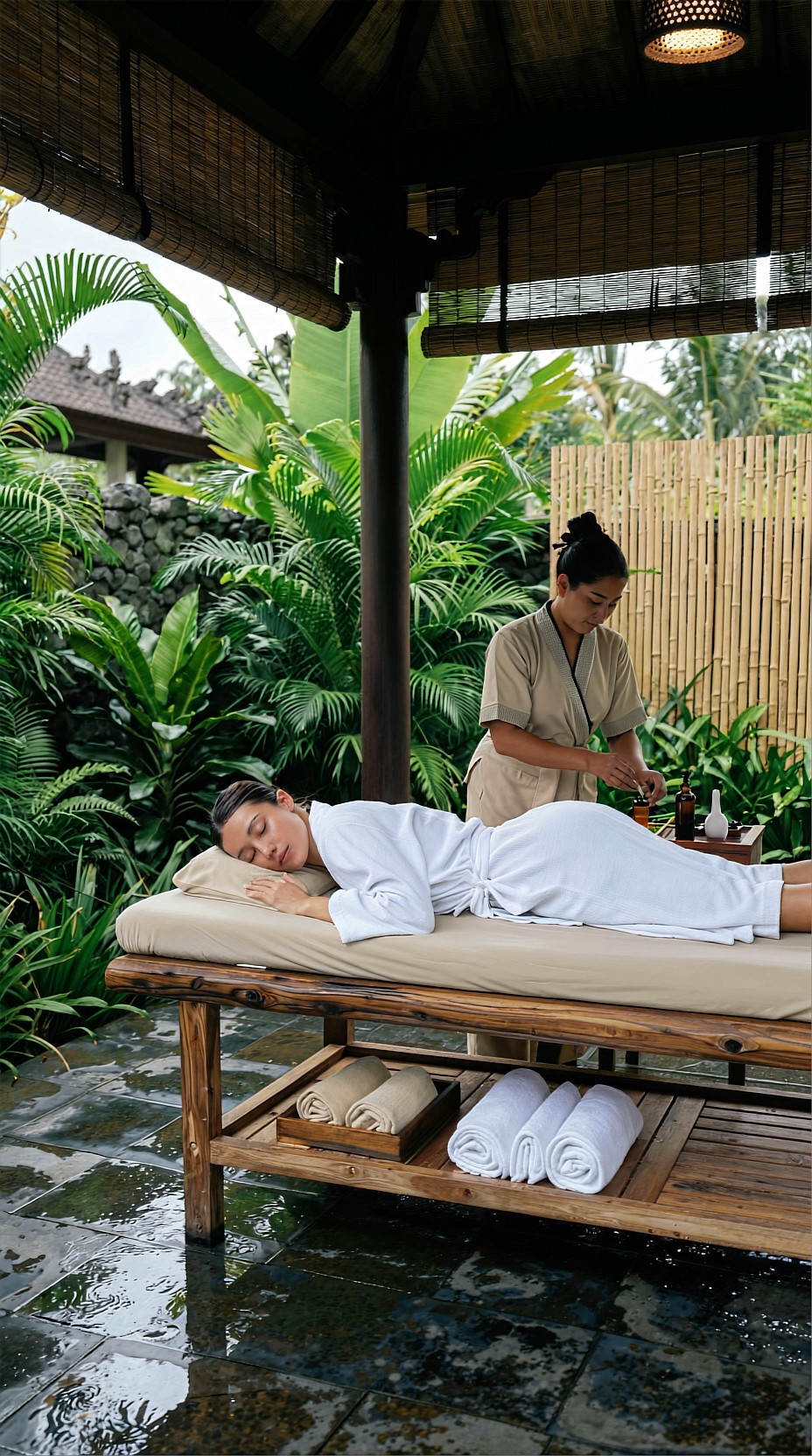
Use this approach for:
- wellness retreat pages
- spa service menus
- skincare or aromatherapy brand mockups
- editorial visuals for relaxation-themed campaigns
Use case 4: Night dining and bar scenes with controlled contrast
Resort photography is not only beaches and daylight. Evening restaurant and bar images benefit from a lighting setup that mixes ambient practical lights with selective rim or accent lighting. This makes the image feel premium instead of dark and muddy.
Topic: Rooftop resort dining scene at night
Genre: Product Editorial
Camera: Nikon Z8
Lens: NIKKOR Z 50mm f/1.8 S
Lighting: Neon Rim Light
Location: Rooftop seafood bar at a modern Maldives resort, ocean darkness beyond, candlelit tables, moody tropical night
Style: Cinematic Realism
Final Prompt: An elegant rooftop dining scene at a modern Maldives resort, a couple seated at a candlelit table with plated seafood and cocktails, refined resort evening wardrobe in navy and sand tones, relaxed intimate posture, subtle smile and eye contact, warm practical table lights combined with soft neon rim light from the bar area outlining hair and shoulders, ocean darkness and faint horizon behind them, tropical wood, glass, and brushed metal textures visible, captured with cinematic realism, Nikon Z8 look, 50mm f/1.8 natural shallow depth of field, rich contrast without crushed shadows, deep teal and amber color palette, premium food styling, realistic reflections on glassware, high-end travel campaign composition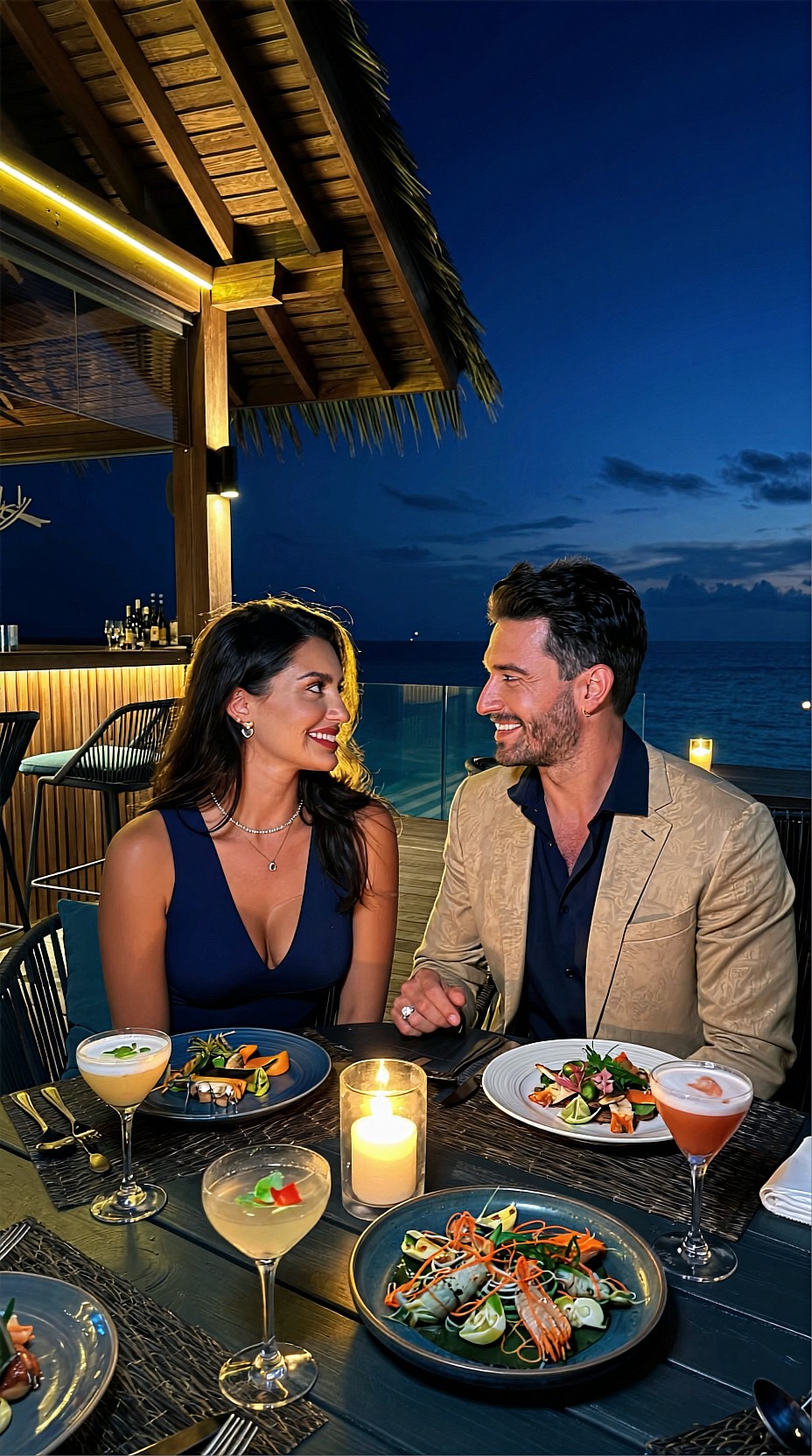
This type of prompt is useful for:
- restaurant and bar promotion
- luxury travel magazine layouts
- evening hospitality campaigns
- resort amenity pages
How to vary results without losing consistency
If you are generating a full resort image set, keep the brand direction stable while changing technical variables with intent.
Change the lens based on the message
- 24mm to 35mm for architecture, pool decks, suites, and environmental portraits
- 50mm for balanced dining, lobby, and couple scenes
- 85mm for premium portraits and fashion-led compositions
Match lighting to the service category
- Golden hour for aspirational travel portraits
- Sunset backlight for hero images and campaign banners
- Overcast diffusion for spa, beauty, and wellness
- Neon rim light or practical night lighting for bars, restaurants, and nightlife
Keep style language consistent
If your outputs are for one property, repeat the same style direction across prompts, such as:
- elegant resort editorial
- clean commercial look
- cinematic travel
- luxury fashion campaign
That consistency helps Qwen Image 2512 produce a more unified set.
Common prompt mistakes in resort image generation
A few issues show up often:
- Too many luxury adjectives, not enough visual direction
- No lens choice, which leads to unpredictable framing
- No lighting setup, causing generic daylight results
- Weak wardrobe description, making characters look random
- No composition cues, so the image lacks hierarchy
Instead of writing luxury tropical resort woman at sunset, define the scene more clearly: wardrobe, posture, lens, lighting angle, background elements, and palette.
Final tips for Qwen Image 2512
For resort photography, think like a travel art director. Start with the commercial use case, then choose the camera and lighting that support that goal.
A simple workflow is:
1. Pick the content purpose: hero banner, portrait, spa page, or dining visual 2. Choose the lens that fits the framing 3. Set the lighting based on mood and time of day 4. Add wardrobe, pose, and material details 5. Finish with a clear style direction for consistency
That extra structure usually produces images that feel less generic and more publication-ready. If you are building a larger resort series, create a base prompt template and swap only the subject, lens, and lighting per scene.