이번 테스트는 생성 이미지에서 실제로 조화롭게 유지되는 로맨틱 페미닌 룩 프롬프트를 만드는 것에 관한 것입니다. 스커트 실루엣, 메리 제인 슈즈, 헤어 액세서리, 부드러운 도쿄 거리 맥락, 그리고 의상이 잘 보이는 바디 인식형 에디토리얼 포즈까지 포함했습니다. 이번 세션에서는 하라주쿠와 더 넓은 도쿄 스트리트 패션 레퍼런스를 바탕으로 부드러운 도시적 로맨스 무드로 룩을 밀어붙인 뒤, 흔히 발생하는 문제들을 수정했습니다. 모호한 스커트, 깨진 신발 논리, 무작위 레이스 과잉, 스타일링을 잘라 먹는 포즈가 그 문제였습니다.
먼저 알아둘 것
- 가장 좋은 결과는 초상화 중심 프롬프트가 아니라 전신 또는 3/4 샷 설계에서 나왔습니다.
- "Romantic feminine"은 구체적인 의상 아이템으로 번역했을 때 더 잘 작동했습니다: A-line mini skirt, ruffle blouse, cardigan, sheer socks, double-strap Mary Janes, ribbon barrette.
- 도쿄 맥락은 단순히 "Japan street"가 아니라 Harajuku side street, cafe frontage, station-adjacent sidewalk처럼 패션 장소가 구체적일 때 도움이 됐습니다.
- 모델이 얼굴을 지나치게 글래머러스하게 만들고 의상을 무시하기 시작하면, 머리부터 발끝까지의 스타일링 논리와 신발 가시성을 추가하는 것으로 대부분 해결됐습니다.
- 더 깔끔한 의상 디테일과 액세서리 일관성을 위해서는, 먼저 대략적인 콘셉트를 [Prompt Lab](/promptlab)에 통과시킨 뒤 [Create](/create)에서 출력물이나 변형을 다듬는 방식이 좋습니다.
테스트 설정
이번 테스트에서는 로맨틱 페미닌, 코케트에 가까운 도쿄 의상 스토리를 목표로 한 프롬프트 변형 세트를 실행했습니다. 목표는 단순히 예쁜 이미지가 아니었습니다. 목표는 로맨틱 페미닌 룩 레퍼런스, 룩북 프레임, 또는 스타일링 시스템이 잘 보이는 에디토리얼 스트리트 스타일 이미지를 생성하려는 사람에게 유용한 워크플로우였습니다.
테스트한 항목:
- 전신 스트리트 스타일 vs 3/4 에디토리얼 프레이밍
- 미니 스커트, 플리츠 스커트, 새틴 스커트의 동작
- 양말을 신은 메리 제인 vs 맨다리 vs 타이츠
- 보우, 리본, 진주 헤어 액세서리의 안정성
- 일반적인 핑크 판타지로 변하지 않는 부드러운 도시적 로맨스 무드
- 레이어, 신발, 가방 위치가 여전히 보이는 포즈 지시
출력물은 다섯 가지 기준으로 판단했습니다: 실루엣 명확도, 의상 레이어링, 신발 정확도, 액세서리 일관성, 그리고 도쿄 배경이 의상을 삼키지 않고 받쳐주는지 여부입니다.
바로 보기 좋았던 것
가장 강력한 결과는 간결한 의상 언어 + 하나의 명확한 거리 맥락 + 하나의 통제된 무드 문구 조합에서 나왔습니다. "soft city romance"를 특정 샷 타입과 명명된 의상 아이템과 함께 사용했을 때, 모델들은 대체로 코스프레, 브라이덜, 또는 무작위 카와이 잡동사니가 아니라 로맨틱 페미닌으로 읽히는 의상을 만들어냈습니다.
스커트는 길이와 구조를 모두 정의했을 때 가장 잘 작동했습니다. "High-waist pleated mini skirt"는 단순한 "cute skirt"보다 밑단 논리를 더 잘 만들어냈습니다. 메리 제인도 스트랩 개수와 양말 종류를 명시했을 때 개선됐습니다.
두 번째 즉각적인 성과는 컬러 절제였습니다. 크림, 블러시, 더스티 로즈, 블랙 페이턴트, 뮤트 차콜은 의상에 충분한 대비를 주어 에디토리얼한 느낌을 만들었습니다. 팔레트를 너무 넓히면 이미지는 쇼핑몰 카탈로그 스타일링으로 흘러갔습니다.
빠른 체크리스트: 꾸준히 도움이 된 프롬프트 요소
| Element | Weak wording | Strong wording from this test | Why it worked | |---|---|---|---| | Skirt | short skirt | high-waist pleated mini skirt, crisp hemline | 형태와 비율을 제공함 | | Shoes | cute shoes | black patent double-strap Mary Janes with sheer ankle socks | 신발 정체성을 개선함 | | Hair accessory | bow in hair | velvet ribbon barrette, pearl clip, lace headband | 배치가 더 일관됨 | | Setting | Japan street | Harajuku side street outside a cafe, wet pavement, signage in background | 더 나은 패션 맥락을 제공함 | | Pose | standing | one knee relaxed, weight on back leg, handbag at hip, full outfit visible | 실루엣을 보존함 | | Mood | romantic | soft city romance, confident editorial sensuality | 일반적인 달콤함으로 흐르는 것을 방지함 |
수정이 필요했던 것
약점은 생성기가 로맨틱 페미닌 스타일링을 오버사이즈 dollcore나 일반적인 럭셔리 포트레이트로 혼동하는 경우가 잦았다는 점입니다. 이번 테스트에서는 네 가지 실패가 반복적으로 나타났습니다.
1. 스커트가 구조를 잃고 형태 없는 러플이 됐습니다. 2. 메리 제인이 변형되어 펌프스, 로퍼, 또는 발레 플랫이 됐습니다. 3. 헤어 액세서리가 떠다니거나 카메라가 너무 멀어지면 사라졌습니다. 4. 스트리트 에디토리얼 포즈가 핵심 아이템을 잘라냈고, 특히 양말, 신발, 가방이 잘렸습니다.
또 다른 문제도 있었습니다. "sexy"를 너무 직접적으로 요청하면 일부 모델은 스타일링보다 신체 강조로 주의를 옮겼습니다. 더 나은 접근은 핏, 자세, 드러난 쇄골, 짧은 밑단의 균형, 자신감 있는 스탠스를 통해 세련된 패션 관능미를 만드는 것이었습니다.
결과를 바꾼 프롬프트 요소
가장 큰 개선은 프롬프트를 분위기 보드가 아니라 패션 촬영 리스트처럼 작성했을 때 나왔습니다. 각 프롬프트가 다음을 명시했을 때 더 잘 제어할 수 있었습니다.
- 명명된 샷 타입
- 상의부터 하의까지의 의상 구조
- 텍스타일 단서
- 정확한 액세서리
- 도쿄 안의 하나의 위치 앵커
- 의상을 읽기 쉽게 유지하는 하나의 포즈 지시
구성 요소 1: shot type부터 시작하기
이 주제에서는 shot type이 의상이 제대로 살아남는지를 결정합니다. Street-style full body와 head-to-toe lookbook이 romantic feminine outfit 튜토리얼에서 가장 안정적인 형식이었습니다.
이 첫 번째 테스트의 목적은 깔끔한 street-style 설정이 스커트 형태, 신발 정체성, 그리고 로맨틱한 도쿄 무드를 동시에 유지할 수 있는지 확인하는 것이었습니다.
Topic: Romantic Feminine Tokyo Street Outfit
Genre: Street Style
Camera: Canon EOS R5
Lens: 35mm f/2
Lighting: Overcast diffusion
Location: Harajuku side street with cafe frontage, tiled sidewalk, subtle signage
Style: Tokyo street fashion editorial
Final Prompt: street-style full body fashion shot of a romantic feminine outfit in Tokyo, confident young woman as secondary to the styling system, wearing a cream fitted cardigan over a blush ruffle blouse, high-waist pleated mini skirt in soft charcoal, black patent double-strap Mary Janes, sheer ankle socks, mini shoulder bag, velvet ribbon barrette, delicate pendant necklace, full outfit visible head to toe, one knee relaxed and weight on the back leg, soft city romance mood, tasteful editorial sensuality, Harajuku side street outside a cafe, muted pink and cream palette with black shoe contrast, clear skirt structure, visible sock-shoe interaction, realistic fabric texture, documentary fashion framing, clean composition, natural movement in hem and cardigan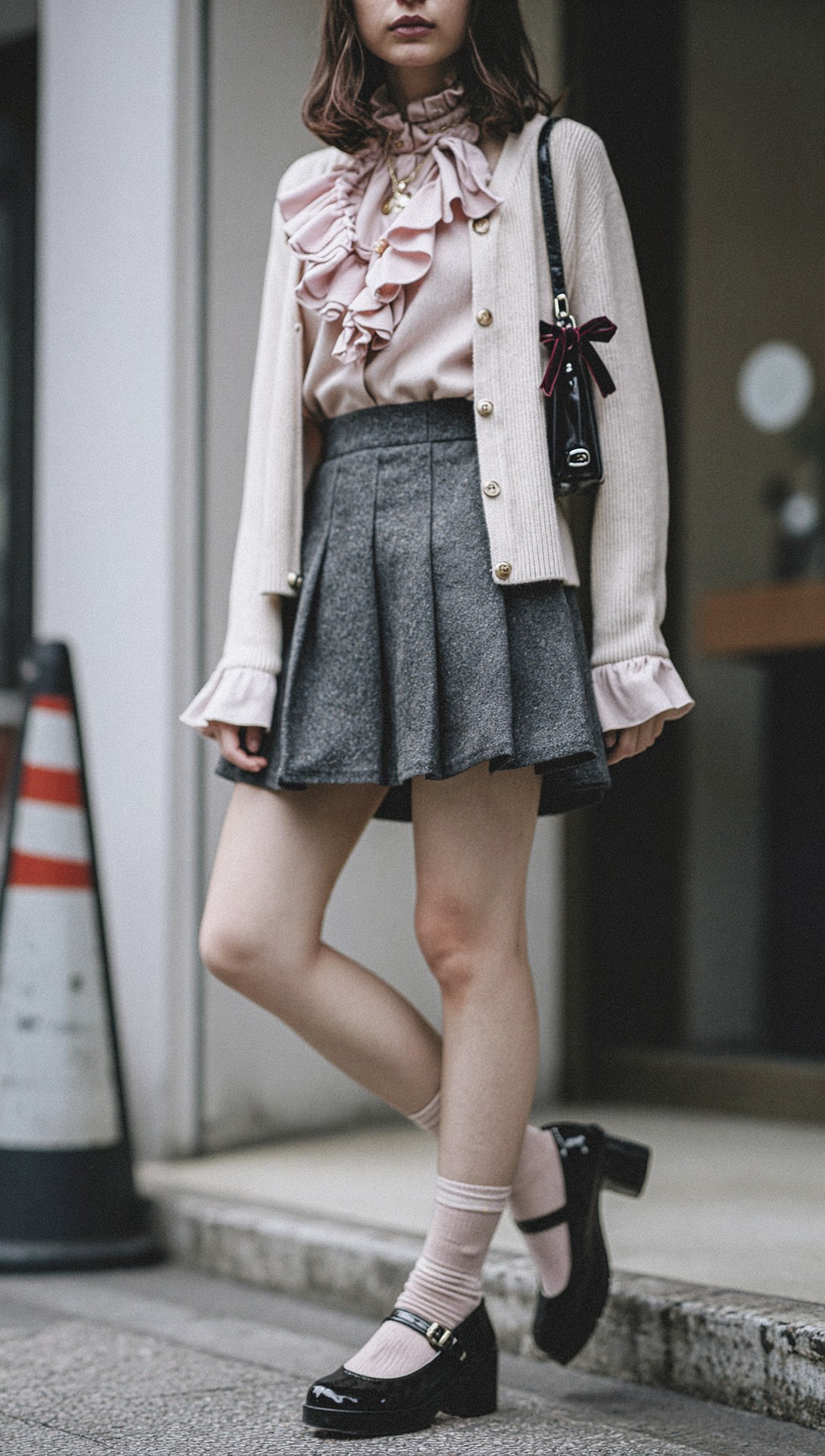
플리츠가 선명하게 유지되는지, Mary Janes가 일반적인 힐이 아니라 double-strap shoes로 여전히 읽히는지 확인하세요. 이 설정에서 나온 좋은 결과물은 보통 portrait-oriented prompts보다 보도블록의 현실감과 의상 비율의 설득력이 더 좋았습니다.
구성 요소 2: 상의-하의-신발 관계 고정하기
모델에는 전체적인 논리 사슬이 필요했습니다. 블라우스, 카디건, 스커트, 양말, 신발, 가방을 순서대로 명확히 적자 무작위 대체가 줄었습니다.
이 테스트는 three-quarter editorial framing을 목표로 했으며, 이 구도에서는 신발이 사라지거나 스커트가 너무 잘려 형태를 알아보기 어려워질 위험이 있습니다.
Topic: Coquette-leaning Romantic Feminine Outfit with Mary Janes
Genre: Fashion Editorial
Camera: Sony A7R V
Lens: 50mm f/2
Lighting: Soft window light with bounce fill
Location: narrow Tokyo boutique entrance with glass door reflections
Style: Soft city romance magazine editorial
Final Prompt: three-quarter outfit editorial of a romantic feminine outfit, body-conscious but tasteful silhouette, ivory puff-sleeve blouse with lace trim, fitted cropped cardigan in dusty rose, black high-waist A-line mini skirt, black patent Mary Janes with slim double straps, sheer white socks, small structured handbag, pearl hair clip and ribbon detail, model turned slightly sideways to show waist shape and skirt line, one hand adjusting the bag strap, Tokyo boutique entrance with glass reflections and soft signage, editorial fashion mood, soft city romance, visible garment layering, premium textile detail, balanced composition that keeps shoes, hemline, and accessories readable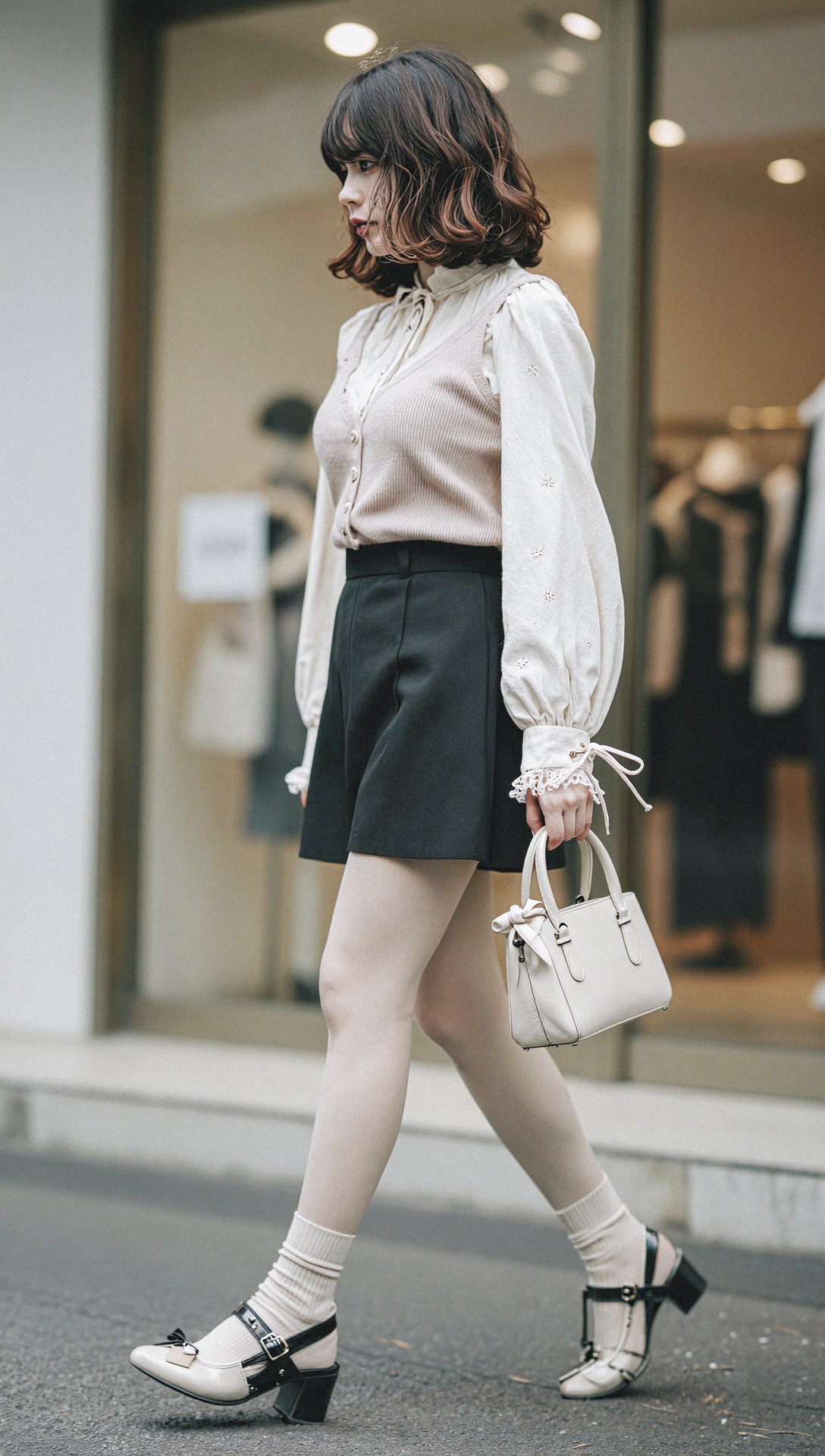
가방 스트랩 위치가 자연스러운지, 블라우스 트리밍이 웨딩 레이스처럼 변하지 않고 패션 디테일로 남아 있는지 확인하세요. 더 강한 결과물에서는 허리에서 스커트로 이어지는 전환이 깔끔하게 유지되고, 도쿄 매장 입구는 산만한 요소가 아니라 맥락으로 읽힙니다.
구성 요소 3: 스타일링을 뒷받침하는 location anchor 사용하기
"Tokyo street fashion outfit"은 배경에 cafe frontage, side street, rail overpass, boutique lane처럼 하나의 식별 가능한 용도가 있을 때 가장 잘 작동했습니다. 큰 도시 풍경은 종종 의상의 명확성을 떨어뜨렸습니다.
이 테스트는 head-to-toe lookbook 프레임이 도쿄의 힌트를 은은하게 유지하면서도 의상에 충분한 존재감을 줄 수 있는지 확인했습니다.
Topic: Head-to-Toe Tokyo Lookbook Romantic Feminine Styling
Genre: Lookbook Photography
Camera: Nikon Z7 II
Lens: 40mm f/2
Lighting: Bright open shade
Location: quiet lane near Omotesando with concrete wall and small boutique plants
Style: Clean commercial lookbook
Final Prompt: head-to-toe lookbook image focused on a romantic feminine outfit, complete styling system visible from hair accessory to shoes, cream knit top tucked into a blush satin midi skirt with gentle movement, slim waist belt, black patent Mary Janes, semi-sheer socks, pearl drop earrings, padded headband, compact top-handle bag, poised standing pose with shoulders open and feet slightly offset, Omotesando side lane with minimal concrete wall and boutique greenery, clean commercial fashion look, soft city romance palette, elegant but youthful, full silhouette visibility, accurate skirt drape, polished catalog clarity with editorial texture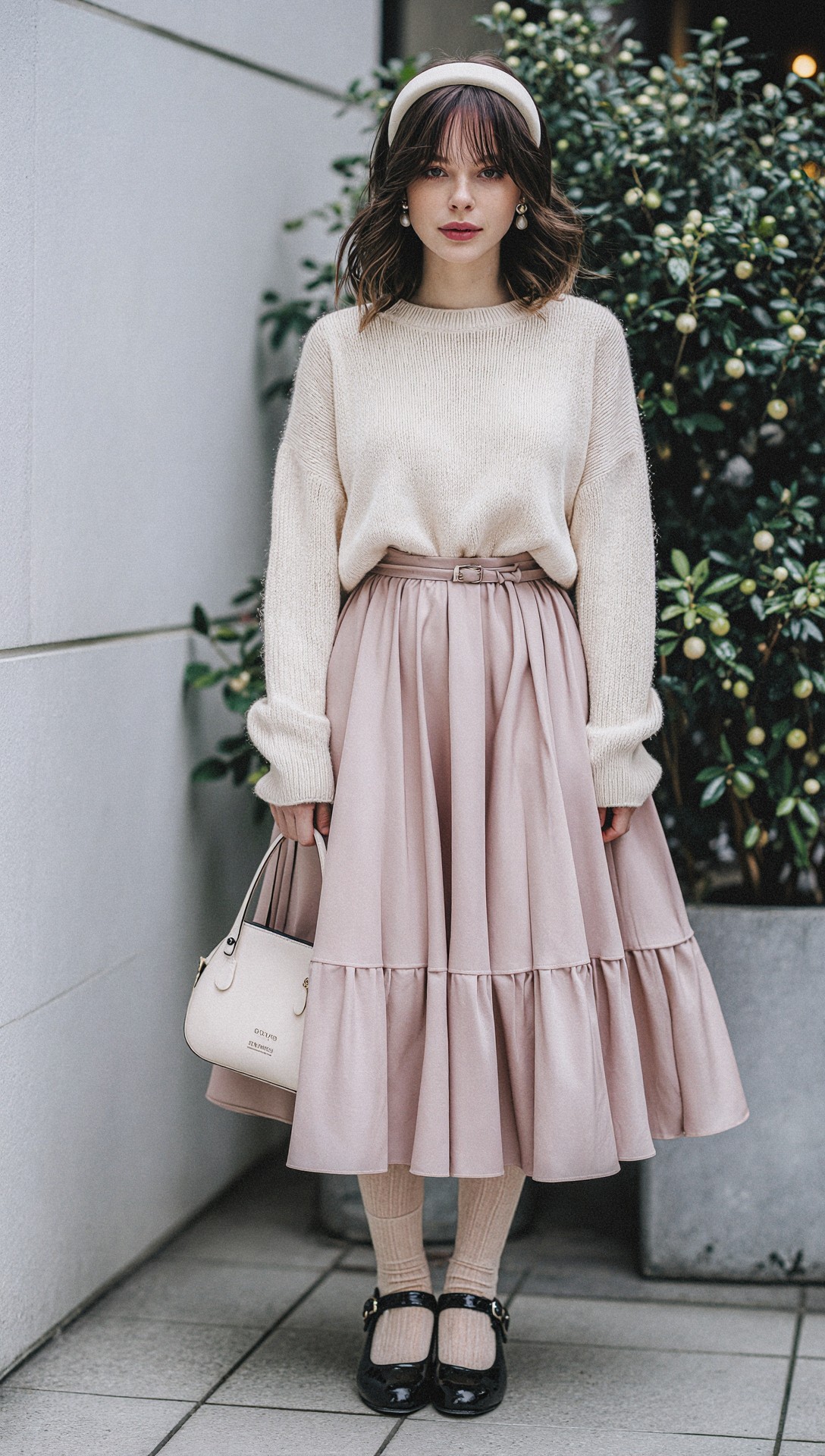
새틴 스커트의 빛 감쇠와 자연스러운 드레이프가 설득력 있는지 확인하세요. 이 형식은 의상의 모든 아이템이 계속 보이기 때문에 쇼핑 보드나 [gallery](/gallery) 비교용으로 가장 활용도 높은 참고 이미지를 만들어내는 경우가 많았습니다.
Prompt 예시와 이미지 점검 노트
하라주쿠 의상 아이디어를 위한 스트리트 에디토리얼 포즈 테스트
하라주쿠 의상 아이디어에서는 이미지에 과한 novelty를 채우지 않으면서도 스타일링을 로맨틱하게 유지하는 것이 과제였습니다. 배경을 최대한 혼란스럽게 만들기보다, 더 깔끔한 거리와 하나의 포인트 디테일을 요청했을 때 더 좋은 결과를 얻었습니다.
이 프롬프트는 걷는 동작을 테스트하고, 더 역동적인 street-style 프레임에서도 의상이 알아보기 쉽게 유지되는지 확인하기 위한 것이었습니다.
Topic: Harajuku Romantic Feminine Walking Look
Genre: Street Style
Camera: Fujifilm GFX100S
Lens: 45mm f/2.8
Lighting: Soft late afternoon cloud cover
Location: Harajuku cross street with vending machine color accents and narrow storefronts
Style: Contemporary Japanese street editorial
Final Prompt: street-style full body walking shot of a romantic feminine outfit in Harajuku, styling-first composition, fitted black cardigan worn over a pale pink camisole, gray pleated mini skirt with crisp movement, black patent Mary Janes, lace-trim ankle socks, ribbon hair bow, small crossbody bag, confident fashion walk with one foot forward and chin slightly lowered, complete outfit visible, tasteful sensual editorial mood, Harajuku side street with selective color accents, muted romantic palette with black grounding elements, high detail in pleats and patent leather, realistic motion in hem and socks, street editorial realism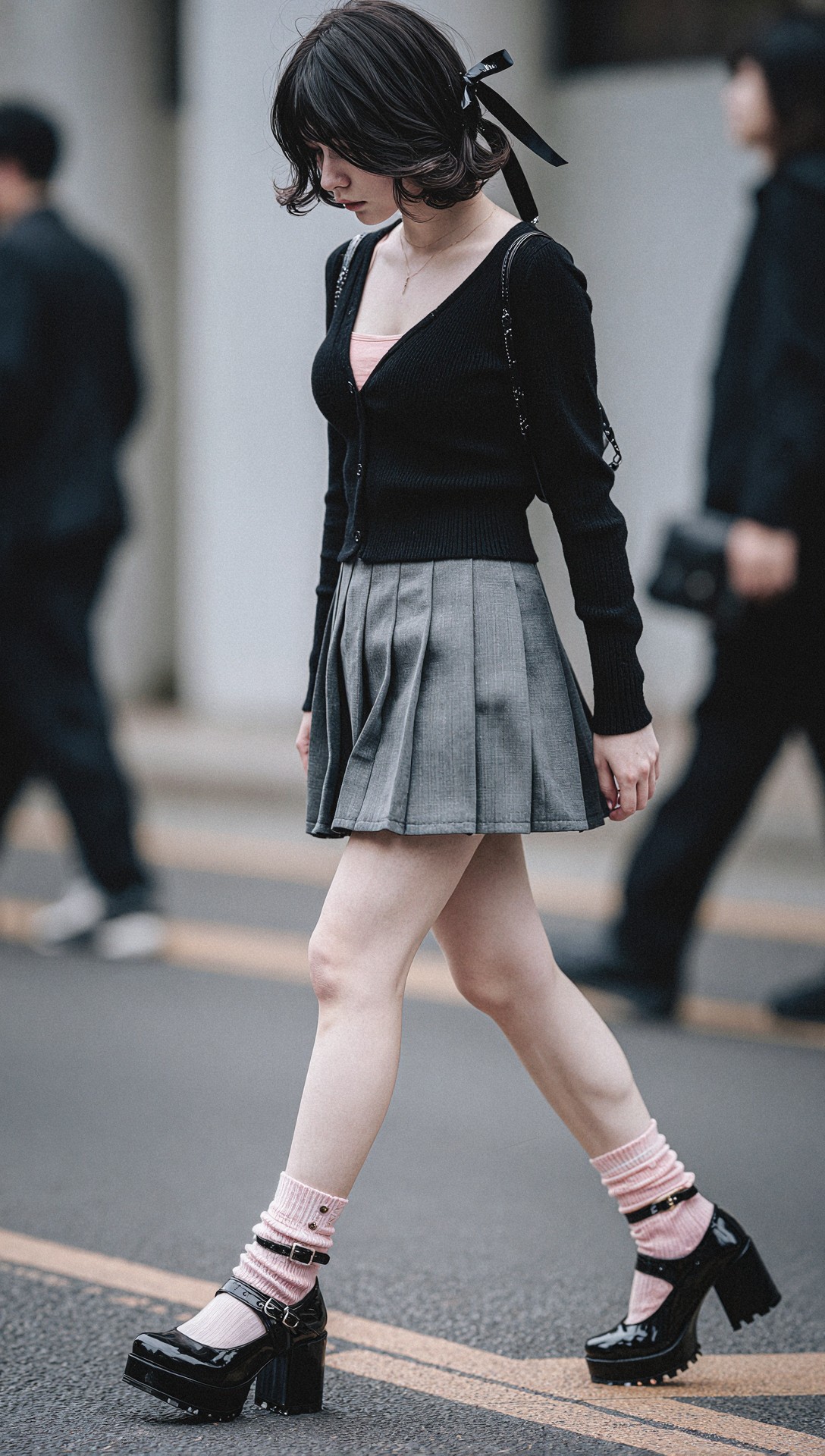
먼저 앞쪽 발과 신발 형태를 살펴보세요. 약한 생성 결과에서는 앞발이 스트랩 구조를 자주 망가뜨립니다. 반대로 강한 결과에서는 양말과 밑단을 가리지 않으면서도 걸음이 움직임을 더해줍니다.
다음 프롬프트는 Pinterest coquette outfit 레퍼런스를 찾는 사람들을 위한, 더 정돈된 포즈를 테스트하려는 목적이었습니다. 다만 침실 스타일링이 아니라 Tokyo street fashion처럼 느껴지도록 하는 것이 중요했습니다.
Topic: Pinterest Coquette Outfit in Tokyo Editorial Pose
Genre: Fashion Campaign
Camera: Leica SL2-S
Lens: 50mm f/1.8
Lighting: Diffused morning light with soft reflector lift
Location: quiet Tokyo sidewalk beside a cream-tiled building and flower stand
Style: Romantic fashion campaign
Final Prompt: three-quarter outfit campaign image inspired by a Pinterest coquette outfit but grounded in Tokyo street fashion, blush fitted cardigan with pearl buttons, white ruched blouse, black tulip mini skirt, white lace socks, glossy black Mary Janes, satin hair ribbon, mini top-handle bag, model leaning lightly near a flower stand with crossed ankles to keep the shoe line visible, complete styling hierarchy clear, soft city romance mood, clean cream-tiled Tokyo sidewalk, tasteful editorial sensuality through posture and fit, polished fabric textures, controlled pink black cream palette, luxury campaign framing without losing street realism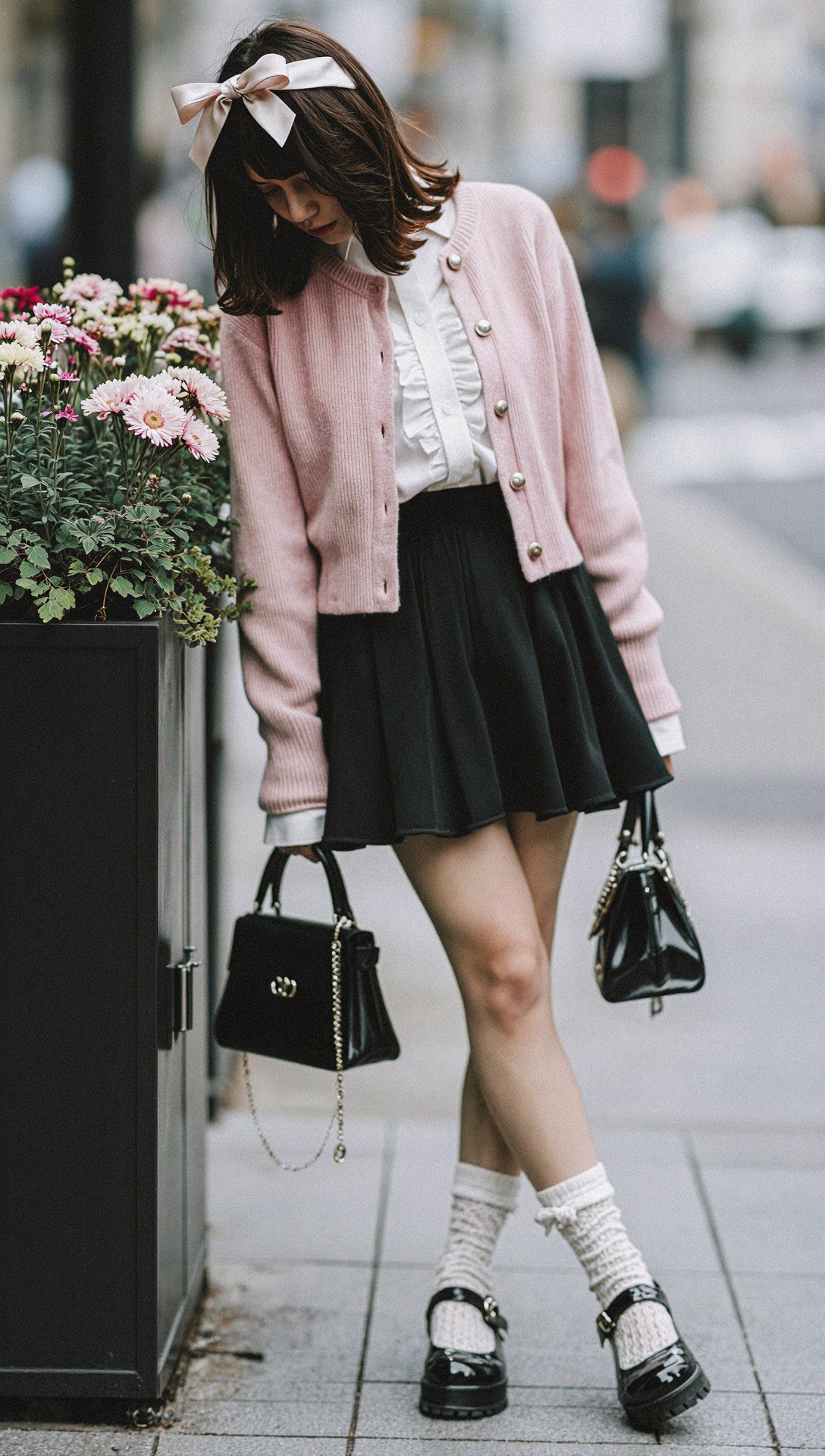
팔레트가 절제된 상태로 유지되는지, 아니면 지나치게 달콤하게 변하는지 확인하세요. 여기서 가장 좋은 결과는 보통 배경에 명확한 플로럴 포인트가 하나만 있고, coquette 레퍼런스를 랜덤한 소품이 아니라 의상 안에 유지합니다.
헤어 액세서리와 상반신 스타일링 안정성
헤어 액세서리는 옷보다 더 불안정했습니다. 리본 바레트와 진주 클립은 작은 레이스 리본보다 더 잘 유지되었습니다. 액세서리의 명확성이 필요할 때는 프레임을 더 가깝게 잡거나 헤어스타일을 단순화했습니다.
이 프롬프트는 액세서리 클로즈업 프레이밍에서도 romantic feminine outfit workflow에 유용할 만큼 충분한 의상 논리를 유지할 수 있는지 확인하기 위한 것이었습니다.
Topic: Romantic Feminine Hair Accessories with Outfit Logic
Genre: Accessories Editorial
Camera: Canon EOS R3
Lens: 85mm f/2
Lighting: Softbox key light with ambient window spill
Location: Tokyo apartment dressing area with garment rack and mirror edge
Style: High-end accessories campaign
Final Prompt: accessories close-up that still shows upper outfit styling, romantic feminine fashion direction with black velvet ribbon barrette, pearl hair clip, softly waved hair, fitted blush cardigan over ivory lace-trim camisole, visible neckline and shoulder styling, mini chain bag on shoulder, model angled toward mirror with confident editorial expression, Tokyo dressing area with garment rack in soft focus, luxurious but youthful coquette-inspired styling, premium texture detail in ribbon, knit, lace, and hardware, tasteful sensuality through styling and pose, campaign-grade composition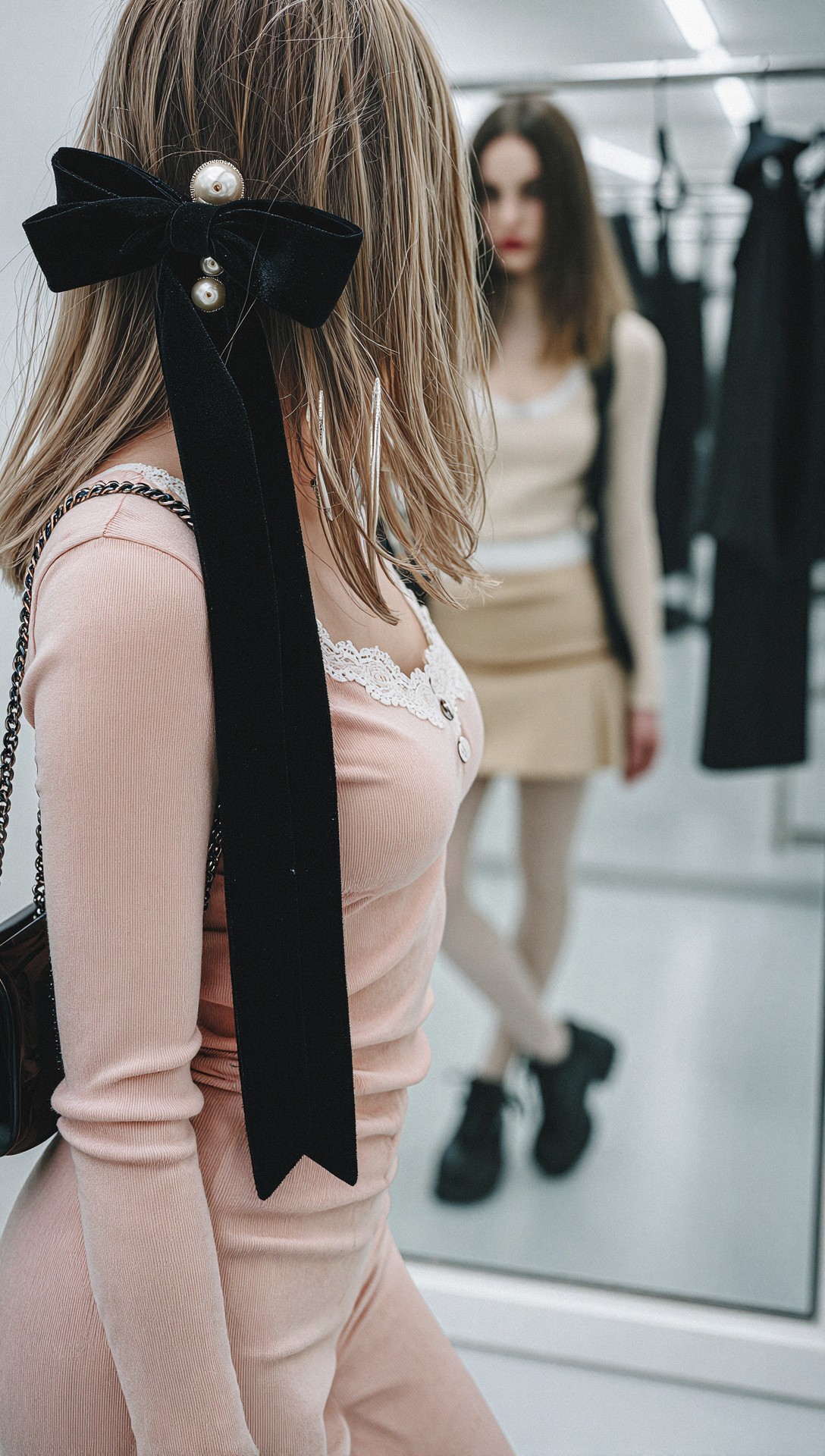
확인해야 할 것은 배치의 정확성입니다. 좋은 이미지는 리본이 머리카락에 자연스럽게 고정되어 있고 가디건 텍스처를 보존합니다. 약한 결과는 액세서리를 중복 생성하거나 가방 스트랩을 어깨 라인과 뭉개버립니다.
신발과 원단 정확도를 위한 제품 및 디테일 테스트
풀바디 이미지에서 Mary Janes가 계속 잘못 렌더링될 때, 제품 스타일의 인서트 컷이 문제의 일부를 해결해 주었습니다. 이는 Japan lookbook이나 fashion mood board를 위한 보조 비주얼이 필요할 때 유용합니다.
이 prompt는 생성기가 outfit shot에서 사용한 정확한 Mary Jane 스타일링 언어를 이해하는지 테스트하기 위한 것이었습니다.
Topic: Mary Jane and Sock Styling Detail for Romantic Feminine Outfit
Genre: Product Editorial
Camera: Sony A1
Lens: 90mm f/2.8 macro
Lighting: Studio softbox with gentle floor bounce
Location: minimal editorial studio with blush paper backdrop
Style: Clean luxury product look
Final Prompt: garment detail macro focused on the footwear logic of a romantic feminine outfit, glossy black patent double-strap Mary Janes paired with semi-sheer white ankle socks with delicate lace edge, lower leg styling visible with hem of a charcoal pleated mini skirt entering the frame, blush paper backdrop, fashion product editorial aesthetic, crisp strap hardware, clean patent reflections, premium sock texture, refined feminine styling, tasteful sensual fashion mood, immaculate commercial composition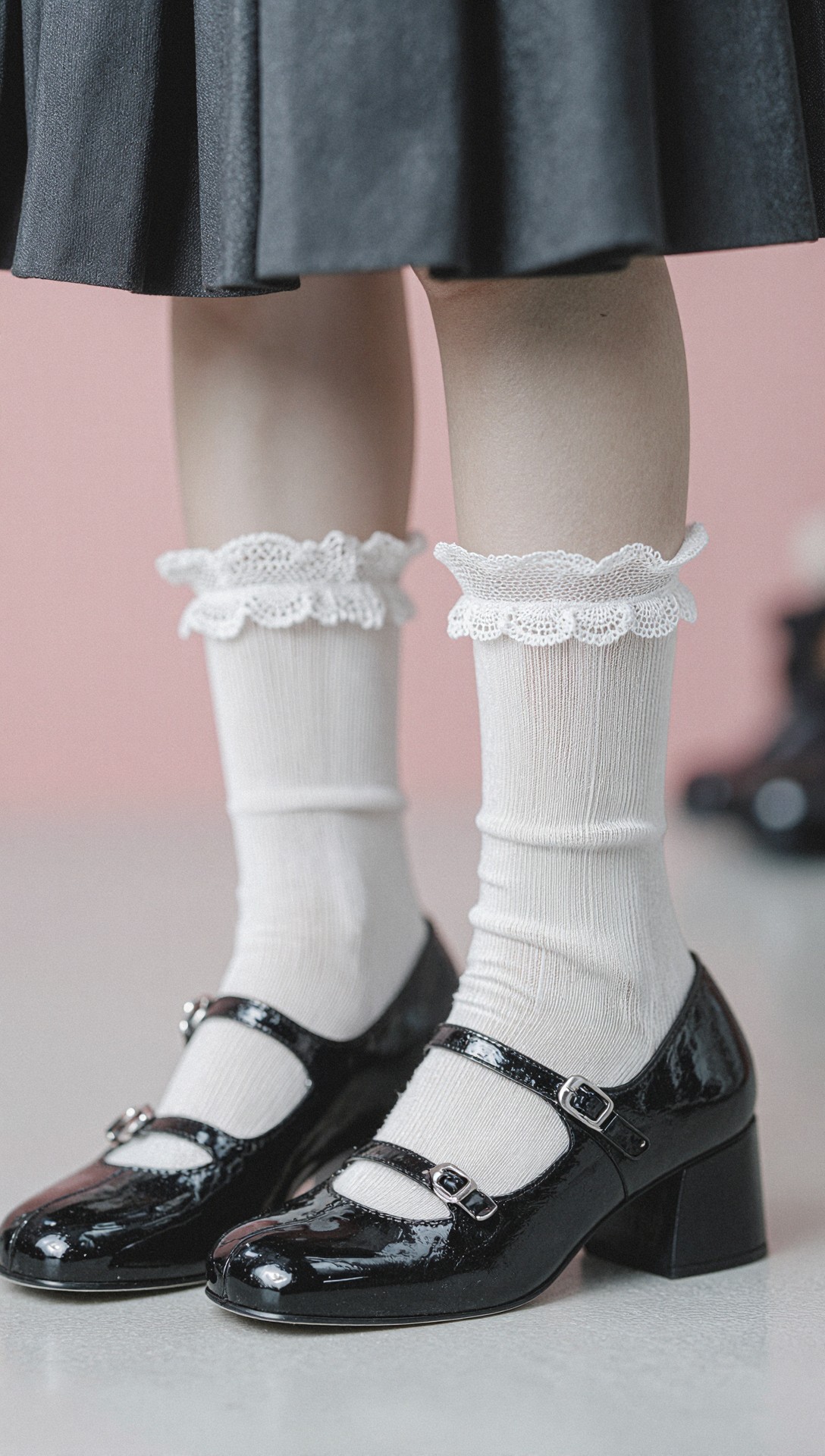
버클과 스트랩 개수를 확인하세요. 모델이 macro에서도 신발 디자인을 안정적으로 유지하지 못한다면, street scene에서도 유지되지 않을 가능성이 큽니다.
또한 satin skirt는 조명이 부드럽지 않으면 종종 플라스틱처럼 보였기 때문에 textile test도 진행했습니다.
Topic: Satin Skirt Texture in Romantic Feminine Tokyo Styling
Genre: Garment Editorial
Camera: Nikon D850
Lens: 70mm f/2.8
Lighting: Side window light with negative fill
Location: minimalist Tokyo showroom corner
Style: Editorial fabric study
Final Prompt: garment detail macro of a romantic feminine outfit centered on a blush satin midi skirt with realistic weight and fluid drape, styled with a tucked cream knit top, slim black waist belt, one hand resting lightly near the hip to show seam behavior, black patent Mary Janes partially visible below, Tokyo showroom corner with restrained luxury atmosphere, fashion-editor fabric study, soft city romance palette, accurate weave sheen without plastic gloss, premium construction detail, tasteful body-conscious styling, polished editorial composition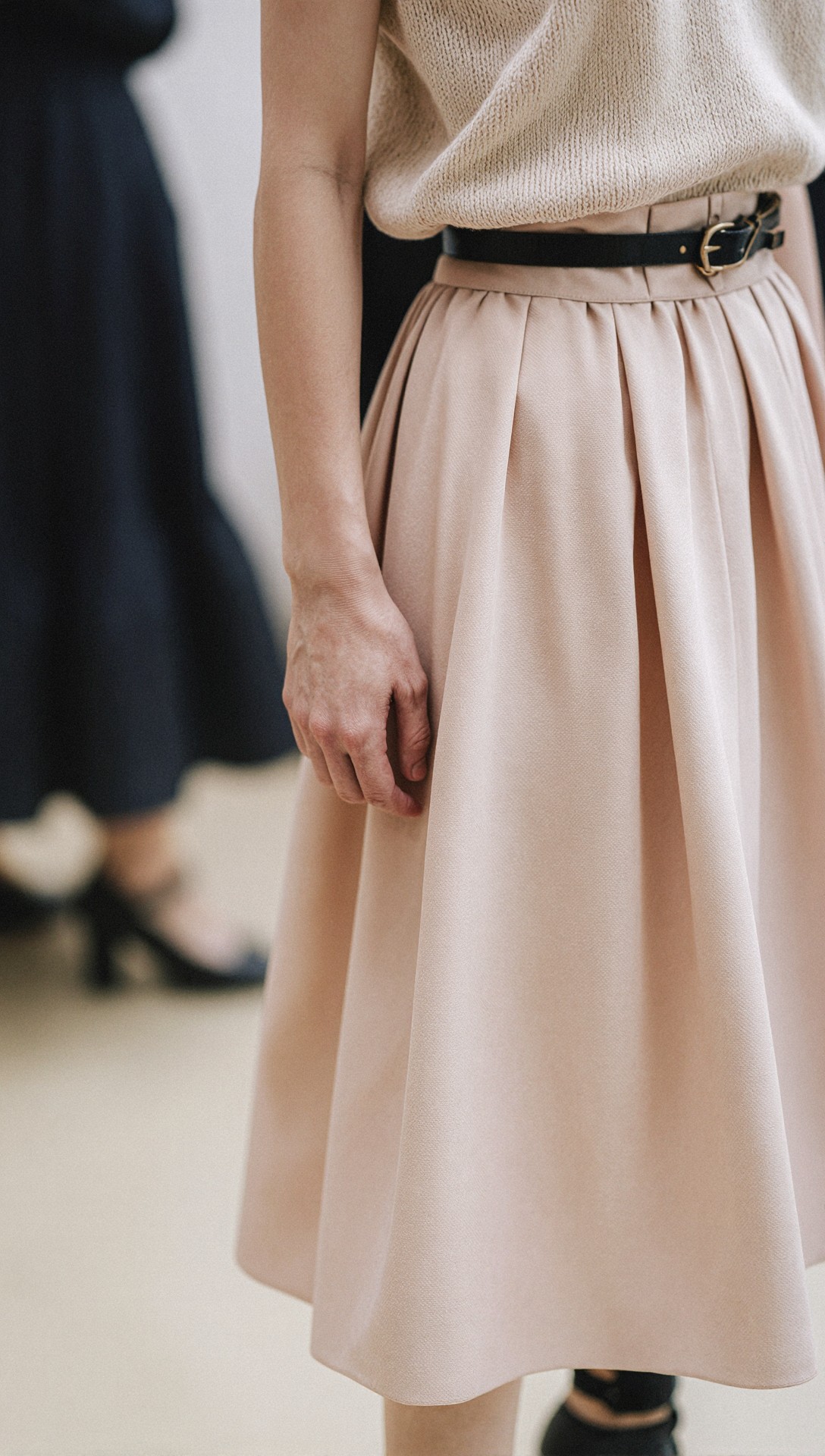
핵심 검사 포인트는 satin이 부드러운 방향성 sheen을 가지는지, 아니면 거울 같은 가짜 gloss처럼 보이는지입니다. 더 좋은 결과물은 주름에 중력이 느껴지고 waistband 전환이 그럴듯합니다.
모델이나 설정을 전환해야 할 때
이 테스트에서 저는 네 가지 상황에서 모델이나 generation settings를 전환하겠습니다.
1. 풀바디 비율이 계속 무너질 때
다리, socks, 또는 shoe scale이 반복적으로 깨진다면, fashion pose anatomy가 더 강한 모델로 이동하거나 stylization setting을 덜 강하게 사용하세요. Street style에는 극적인 분위기보다 비율을 지키는 정확성이 더 중요합니다.
2. 액세서리가 사라질 때
barrettes, ribbons, pearl clips가 사라진다면 hairstyle을 단순화하고 scene complexity를 줄이세요. 별도의 accessory-focused frame을 생성한 뒤, 다음 prompt cycle에서 [Create](/create)를 통해 visual guidance로 사용할 수도 있습니다.
3. lace가 지저분해질 때
일부 모델은 "lace"를 과하게 해석해 모든 garment edge에 퍼뜨립니다. 모호한 lace 표현을 정확히 한 곳의 배치로 바꾸세요: "lace-trim camisole" 또는 "lace-edge ankle socks." 이렇게 하면 보통 style lock이 개선됩니다.
4. Tokyo가 노이즈가 될 때
도시 배경이 의상과 경쟁하기 시작한다면, 더 깔끔한 editorial model로 전환하거나 location을 하나의 골목, storefront, 또는 wall로 좁히세요. prompt drafting에는 [Prompt Lab](/promptlab)이 유용합니다. generation 전에 subject, wardrobe, environment를 분리하도록 해주기 때문입니다.
렌더링 전 실무 체크리스트
단순한 mood piece가 아니라 사용 가능한 romantic feminine outfit 이미지를 목표로 한다면 이 체크리스트를 사용하세요.
- 먼저 street-style full body, three-quarter editorial, 또는 head-to-toe lookbook 중 하나를 선택하세요.
- outfit을 위에서 아래로 명명하세요: top, layer, skirt, socks, shoes, bag, hair accessory.
- palette는 서로 연결된 3~5가지 색상으로 유지하세요.
- Tokyo는 거대한 skyline이 아니라 하나의 구체적인 setting으로 고정하세요.
- hem과 shoes가 보존되는 pose note를 하나 추가하세요.
- 노출이 많은 표현이 아니라 fit과 posture를 통해 sensuality를 사용하세요.
- shoes가 중요하다면 detail prompt도 함께 실행하세요.
- textile detail을 선명하게 만들 계획이라면, base image가 이미 올바른 garment logic을 갖춘 뒤에만 [Upscaler](/upscaler)에서 결과를 확인하세요.
리테일, 디스플레이, 무드보드 활용을 위한 추가 이미지 테스트 프롬프트
로맨틱 페미닌 워크플로는 모델 샷뿐 아니라 머천다이징 프레임까지 포함할 때 더 다용도로 활용할 수 있습니다. 다음 프롬프트들은 보조 레퍼런스를 만드는 데 유용했습니다.
이 매장 전면 디스플레이 테스트는 사람이 이미지를 이끌지 않아도 outfit logic이 여전히 읽히는지 확인하기 위한 것이었습니다.
Topic: Tokyo Storefront Display for Romantic Feminine Outfit
Genre: Retail Editorial
Camera: Panasonic Lumix S1R
Lens: 24-70mm at 45mm f/4
Lighting: Soft indoor boutique lighting with window daylight mix
Location: Harajuku boutique window display
Style: Fashion retail campaign
Final Prompt: storefront display featuring a romantic feminine outfit styled on a mannequin, cream cardigan layered over a ruched ivory blouse, blush pleated mini skirt, black patent Mary Janes with lace-trim socks, pearl headband, mini handbag, arranged in a Harajuku boutique window with soft reflections and restrained signage, fashion merchandising composition, soft city romance palette, polished retail editorial style, clear silhouette, premium fabric textures, Tokyo street fashion context, elegant coquette-inspired display without clutter
마네킹 스타일링이 헤어 액세서리부터 신발까지 일관되게 유지되는지 확인하세요. 이는 비주얼 머천다이징 레퍼런스에 유용한 테스트이며, 보통 포즈가 역할을 대신하지 않아도 wardrobe combination이 타당한지 드러내 줍니다.
마지막으로 신발, 스커트, 리본, 보도, 부티크 맥락이라는 여러 조각 사이에서 style lock을 테스트하기 위해 무드보드 콜라주 프롬프트를 만들었습니다.
Topic: Romantic Feminine Tokyo Mood-Board Collage
Genre: Mood-Board Collage
Camera: Mixed editorial capture style
Lens: 35mm and 85mm fashion crop mix
Lighting: Overcast street light mixed with soft studio inserts
Location: Harajuku lane, boutique interior, blush paper backdrop
Style: Magazine concept board
Final Prompt: mood-board collage for a romantic feminine outfit story set in Tokyo, curated fashion editor layout with full-body street-style frame, cropped detail of black patent Mary Janes and sheer socks, close crop of ribbon hair accessory, satin skirt texture insert, boutique storefront panel, color swatches in cream blush charcoal black, coquette outfit ideas interpreted through Tokyo street fashion, soft city romance atmosphere, tasteful sensual editorial energy, premium magazine board design, cohesive styling system, high-detail textures and balanced negative space
여기서 확인할 지점은 패널 간 스타일 일관성입니다. 각 패널이 서로 다른 이야기처럼 느껴진다면, base prompt language가 너무 넓은 것입니다.
이 워크플로의 강점과 실패 위험
이 설정이 잘 작동하는 경우
- outfit 가시성이 명확한 Tokyo street-style editorial
- 더 많은 구조와 덜한 의상극 느낌이 필요한 coquette outfit ideas
- 신발과 액세서리가 중요한 Japan lookbook board
- [글](/articles) 또는 갤러리 비교를 위한 fashion prompt development
어려움을 겪는 경우
- 네온과 군중 디테일이 많은 매우 복잡한 밤거리 장면
- outfit logic이 사라지는 ultra-close beauty crop
- 트리밍, 리본, 레이스 가장자리, 소품이 너무 많이 들어간 과밀한 프롬프트
- 스타일링 시스템보다 몸을 우선시하는 섹시한 무드 프롬프트
이번 세션에서 가장 강한 결과는 이미지를 판타지 캐릭터 프롬프트가 아니라 패션 브리프처럼 다뤘을 때 나왔습니다. wardrobe chain이 구체적일수록 모델이 임의의 여성적 기호로 대체할 가능성이 낮아졌습니다.
FAQ
로맨틱 페미닌 outfit을 costume-like하게 보이지 않도록 프롬프트하려면 어떻게 해야 하나요?
구체적인 clothing category와 절제된 trim placement를 사용하세요. “ruffle blouse, fitted cardigan, pleated mini skirt, sheer socks, double-strap Mary Janes”처럼 쓰는 것이 cute, girly, doll, lace, bow, princess 같은 모호한 단어를 쌓는 것보다 더 잘 작동합니다.
Tokyo street fashion outfit prompt에 가장 좋은 shot type은 무엇인가요?
이 테스트에서는 street-style full body가 outfit clarity 측면에서 가장 안정적이었습니다. Three-quarter editorial은 포즈가 신발과 밑단을 보이게 유지할 때 잘 작동했습니다.
Mary Janes는 왜 그렇게 자주 잘못 렌더링되나요?
Mary Janes는 둥근 앞코, 스트랩 위치, patent texture, 양말과의 상호작용처럼 여러 design cue를 가진 작은 오브젝트입니다. 스트랩 개수, finish, sock type을 명확히 추가하고, full-body frame이 여전히 실패한다면 detail prompt를 사용하세요.
이미지 모델에서 더 나은 Harajuku outfit ideas를 얻으려면 어떻게 해야 하나요?
Harajuku를 전체 스타일 설명이 아니라 location anchor로 사용하세요. outfit은 여전히 의복별로 설명해야 하며, 해당 지역은 맥락으로 작동해야 합니다.
이 룩에는 satin skirt와 pleated mini skirt 중 어느 쪽이 더 좋은가요?
더 강한 street-editorial readability를 가진 발랄한 romantic feminine outfit에는 pleated mini skirt가 더 일관적이었습니다. Satin midi skirt는 우아해 보였지만, 가짜 광택을 피하려면 더 나은 light control이 필요했습니다.
마무리 조언
romantic feminine outfit을 위한 반복 가능한 워크플로를 원한다면, 목표가 lookbook, street editorial, fashion board, prompt testing처럼 outfit-led imagery일 때 이 접근법을 사용하세요. 실제 목표가 beauty portraiture라면 피하는 것이 좋습니다. 여기의 프레이밍 로직은 우선적으로 의복 가시성을 중심으로 설계되어 있기 때문입니다.
이번 세션에서 가장 중요했던 것은 “romantic”이라는 단어가 아니었습니다. 핵심은 outfit chain과 shot plan이었습니다. blouse, layer, skirt, socks, Mary Janes, bag, hair accessory, location, readable pose를 정의하는 순간, 출력물은 훨씬 더 유용해졌습니다.
이 워크플로를 사용해야 하는 사람: prompt writer, fashion mood-board builder, 그리고 full silhouette clarity로 coquette outfit ideas나 Tokyo street fashion outfit reference를 테스트하는 모든 사람.
피해야 하는 사람: 매우 추상적인 fantasy fashion, 극단적인 close-up beauty 작업, 또는 의상이 더 이상 주요 피사체가 아닌 혼란스러운 nightlife scene을 원하는 사용자.
다음 라운드를 진행한다면, 같은 Tokyo anchor를 유지하고 trim variety를 더 줄이며, 매번 하나의 전용 detail render로 신발을 보호하겠습니다.