SEEDVR2 3B and 7B Example Outputs: When FP8 Is Good Enough and When It Is Not 한국어 요약
이 페이지는 ZView Space의 영어 원문을 한국어 검색 사용자도 이해할 수 있도록 정리한 SEO 요약입니다. 핵심은 단순한 얼굴 중심 이미지가 아니라 패션 에디토리얼, 룩북, 아웃핏, 프롬프트 테스트, 이미지 생성 워크플로우를 실제로 어떻게 구성할지입니다.
핵심 요약
- 원문 주제: SEEDVR2 3B and 7B Example Outputs: When FP8 Is Good Enough and When It Is Not
- 목적: AI 이미지 생성에서 outfit, silhouette, fabric, pose, location, camera framing을 더 명확하게 설계합니다.
- 활용 범위: Z-Image Turbo, Krea2 Turbo, Qwen Image, Anima, SeedVR2 같은 이미지 생성 및 업스케일 워크플로우에 적용할 수 있습니다.
- SEO 관점: 제목, 설명, 이미지 alt, 프롬프트 예시가 실제 검색 의도와 맞아야 색인 가능성이 높아집니다.
한국어 사용자를 위한 체크포인트
1. 프롬프트가 얼굴 묘사에만 머물지 않고 전체 스타일과 의상 구성을 설명하는지 확인합니다. 2. 패션 이미지라면 상의, 하의, 아우터, 신발, 액세서리, 소재감, 촬영 장소를 분리해서 씁니다. 3. 생성 결과는 바로 게시하지 말고 디테일, 손, 의상 형태, 배경 일관성, 이미지 품질을 비교합니다. 4. 글 본문에는 실제 테스트 기준과 실패를 줄이는 방법이 들어가야 검색엔진에서 얇은 콘텐츠로 보일 가능성이 줄어듭니다.
원문 미리보기
SEEDVR2 3B and 7B can both produce strong image outputs, but FP8 changes where each model feels reliable. In practice, FP8 is often fine for fast ideation, moodboards, and simpler commercial scenes. It becomes less reliable when you need dense micro detail, pr
---
SEEDVR2 3B and 7B can both produce strong image outputs, but FP8 changes where each model feels reliable. In practice, FP8 is often fine for fast ideation, moodboards, and simpler commercial scenes. It becomes less reliable when you need dense micro-detail, precise text, layered materials, or highly controlled facial rendering. This guide shows where FP8 holds up, where it breaks down, and how to choose between 3B, 7B, and higher precision without wasting time.
Quick rule of thumb
Use SEEDVR2 3B FP8 for rough concepting, simple portraits, product blocking, and broad composition tests.
Use SEEDVR2 7B FP8 for stronger anatomy, better styling coherence, cleaner lighting transitions, and more polished client previews.
Switch away from FP8 when you need:
- readable packaging or interface text
- intricate jewelry, embroidery, lace, or transparent layers
- exact skin texture and eye detail in close-ups
- crowded scenes with many interacting objects
- highly controlled brand visuals where small errors matter
What FP8 changes in real use
FP8 usually gives you better speed and lower memory use. The tradeoff is subtle until a prompt asks for many precise relationships at once.
Typical FP8 failure points:
- accessories merging into clothing
- soft or inconsistent typography
- eyelashes, fingers, and jewelry becoming mushy
- reflective materials losing realism
- background elements drifting off-theme
On simple prompts, especially with strong composition cues, those issues may barely matter. On detail-heavy work, they stack up quickly.
Use case 1: Fast fashion concepting
If you are building moodboards, exploring silhouettes, or testing a seasonal palette, FP8 is usually good enough. The main goal is idea velocity, not pixel-perfect accuracy.
Best fit: 3B FP8 for volume, 7B FP8 for cleaner styling.
Topic: Minimalist Resort Fashion Lookbook Test
Genre: Fashion Editorial
Camera: Sony A7R V
Lens: 85mm f/1.4
Lighting: Golden Hour
Location: White stone terrace overlooking the Mediterranean coast
Style: Luxury Fashion Campaign
Final Prompt: A tall female model wearing a structured ivory linen blazer over a sand silk slip dress, leather flat sandals, delicate gold cuffs, standing in a relaxed three-quarter pose on a white stone terrace above the Mediterranean, calm confident expression, ocean haze in the distance, golden hour backlight wrapping the silhouette, warm beige and pale blue color palette, premium fabric texture, editorial negative space, glossy magazine composition, Sony A7R V realism, 85mm f/1.4 shallow depth of field, clean luxury fashion campaign finish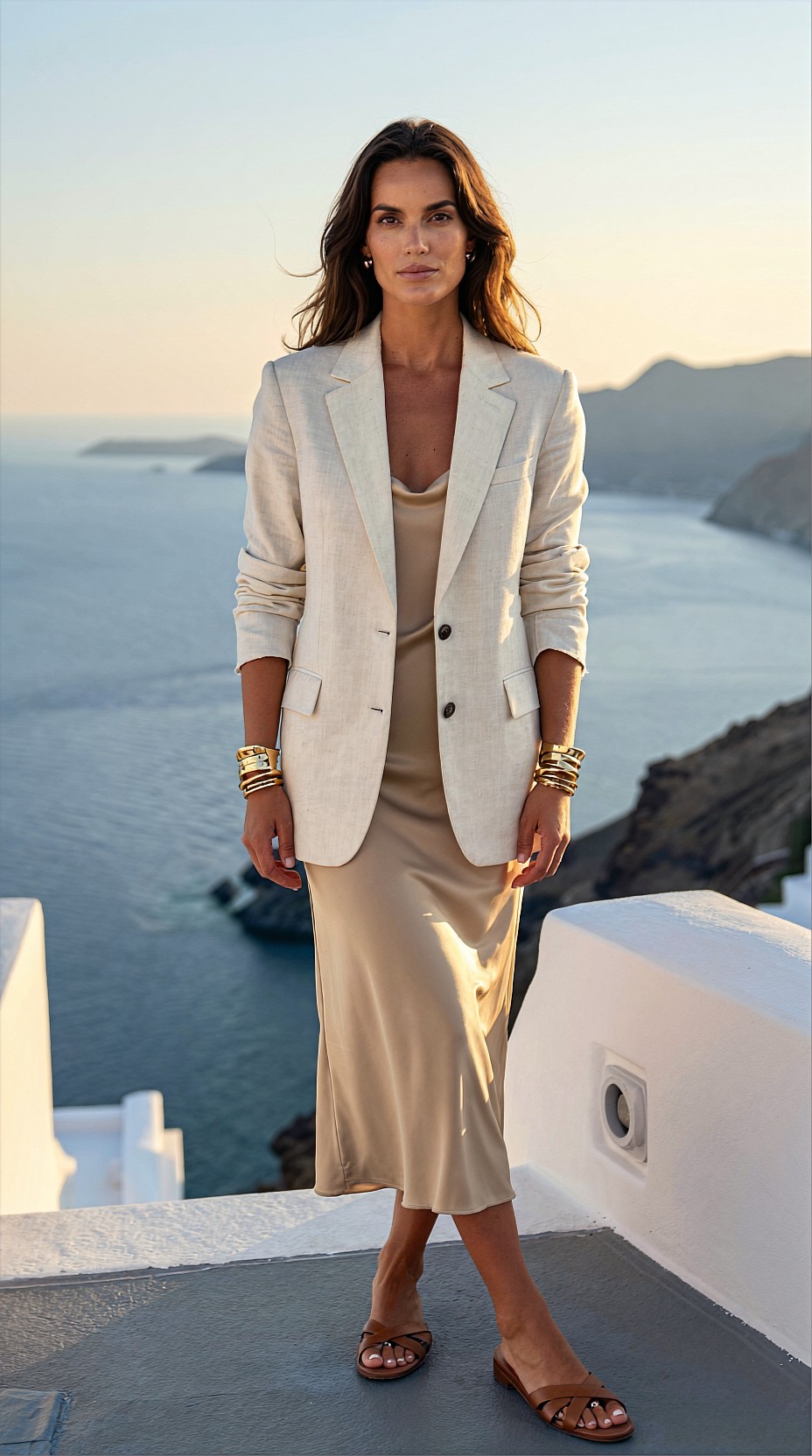
In this kind of image, FP8 usually preserves the silhouette, color palette, and mood. If the look includes beaded trim, woven transparency, or stacked accessories, higher precision becomes safer.
Topic: Streetwear Capsule Colorway Exploration
Genre: Street Style
Camera: Fujifilm GFX100 II
Lens: 63mm f/2.8
Lighting: Overcast Diffusion
Location: Narrow backstreet with concrete walls and faded posters in Seoul
Style: Clean Commercial Look
Final Prompt: A young male model in a charcoal oversized bomber jacket, muted sage cargo trousers, cream sneakers, and a slate crossbody bag, leaning casually against a concrete wall in a Seoul backstreet, neutral expression, hands relaxed, subtle urban attitude, soft overcast diffusion, cool gray and desaturated green palette, poster texture and gritty pavement in the background, centered full-body composition, crisp garment seam detail, realistic fabric folds, Fujifilm GFX100 II medium-format clarity, 63mm f/2.8 natural perspective, clean commercial streetwear campaign look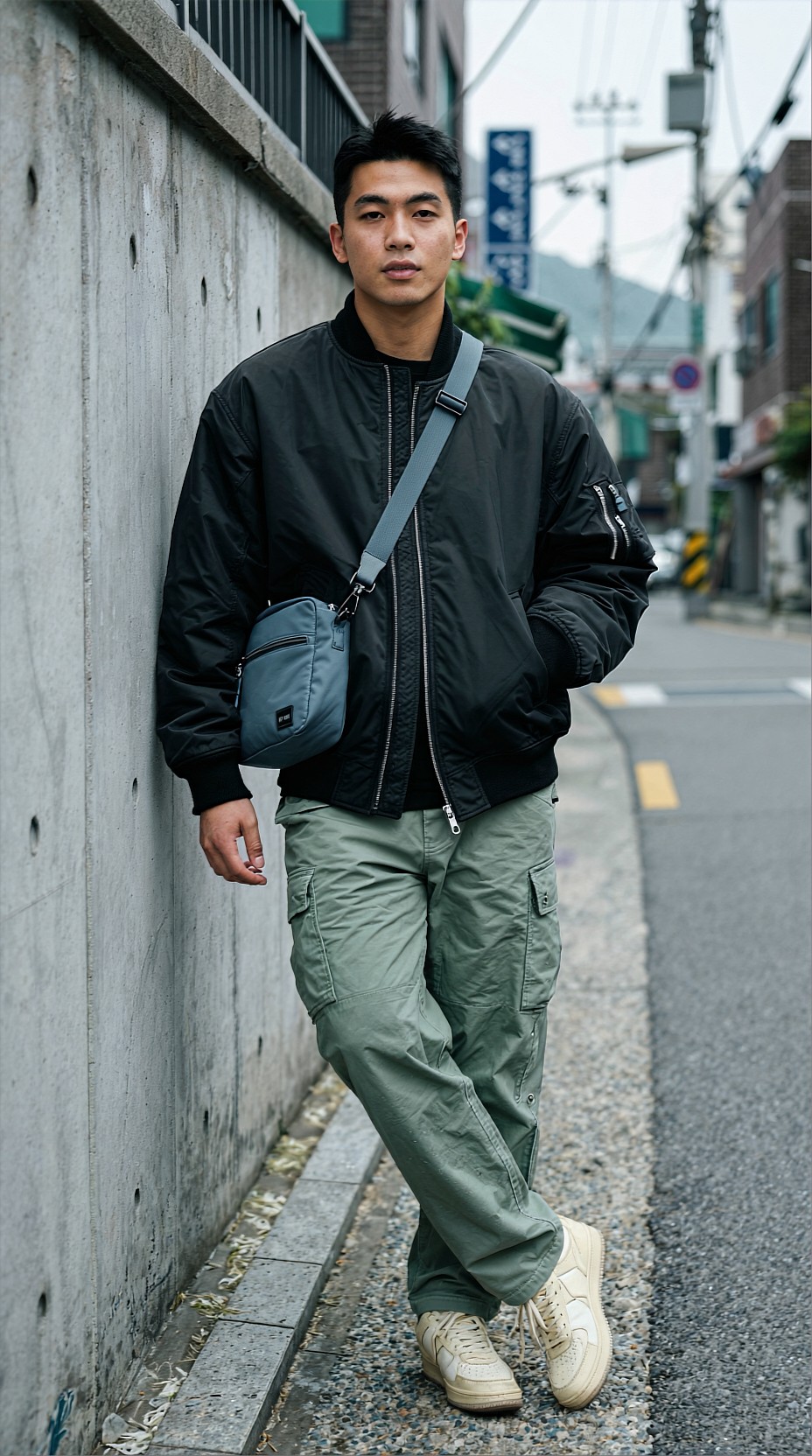
Use case 2: Beauty close-ups
This is where FP8 starts to show limits. Tight crops demand consistent pores, catchlights, lashes, lip edges, hair strands, and cosmetic texture. A 7B FP8 render may still work for internal review, but for final assets, full precision often wins.
Best fit: 7B non-FP8 when skin, makeup finish, and eye detail matter.
Topic: Dewy Skincare Campaign Portrait
Genre: Beauty Campaign
Camera: Canon EOS R5
Lens: 100mm f/2.8 Macro
Lighting: Studio Butterfly Light
Location: Soft beige seamless studio with subtle reflective fill cards
Style: High-end Beauty Advertising
Final Prompt: A close-up beauty portrait of a woman with luminous dewy skin, brushed-up brows, soft peach lips, and minimal gold stud earrings, facing camera with a calm fresh expression, chin slightly lifted, clean shoulders and slicked-back hair, studio butterfly light with gentle reflective fill, creamy beige background, micro skin texture visible, glossy highlight control on cheekbones and lips, refined catchlights in the eyes, luxury skincare campaign composition, Canon EOS R5 macro realism, 100mm f/2.8 precision, polished high-end beauty advertising finish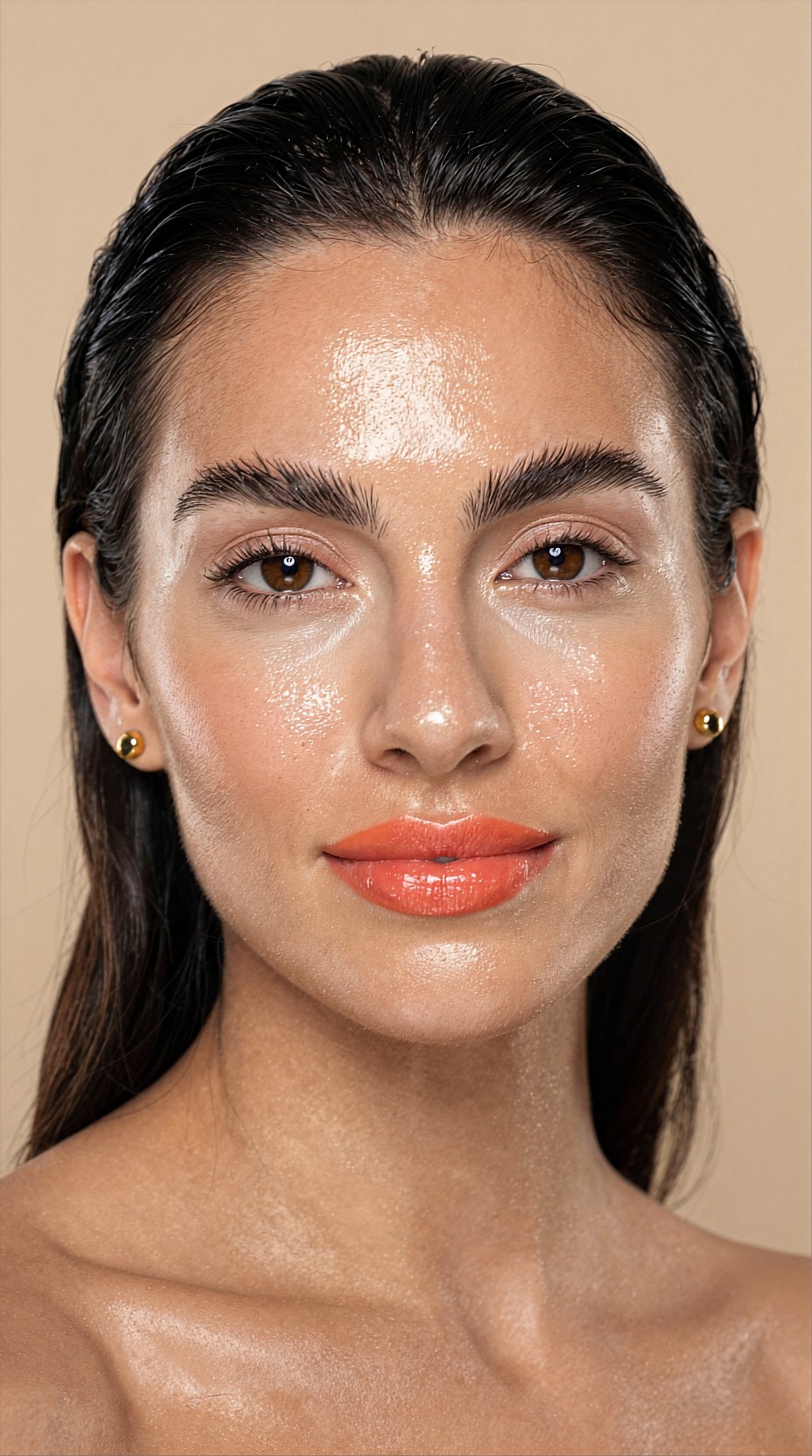
With FP8, this scene may still look attractive, but small artifacts often appear in pores, lashes, or lip contour. Those issues are easy to miss in thumbnails and obvious in campaign crops.
Use case 3: Product editorials with reflective materials
Bottles, watches, chrome, and glass expose quantization tradeoffs quickly. FP8 can handle broad shape and color, but reflections often simplify too much.
Best fit: 7B FP8 for concept frames, higher precision for final product marketing.
Topic: Luxury Fragrance Bottle on Black Stone
Genre: Product Editorial
Camera: Nikon Z8
Lens: 105mm f/2.8 Macro
Lighting: Softbox Key Light with narrow strip rim lights
Location: Dark studio tabletop with wet black volcanic stone
Style: Elegant Commercial Product Shot
Final Prompt: A luxury square fragrance bottle with smoked glass, brushed silver cap, and amber liquid placed on wet black volcanic stone, angled three-quarter toward camera, controlled condensation droplets, softbox key light shaping the front label plane, thin strip rim lights defining the glass edges, deep charcoal background fading into shadow, copper and black color palette, crisp reflections, premium macro detail, cinematic negative space for branding, Nikon Z8 clarity, 105mm f/2.8 macro rendering, elegant commercial product editorial finish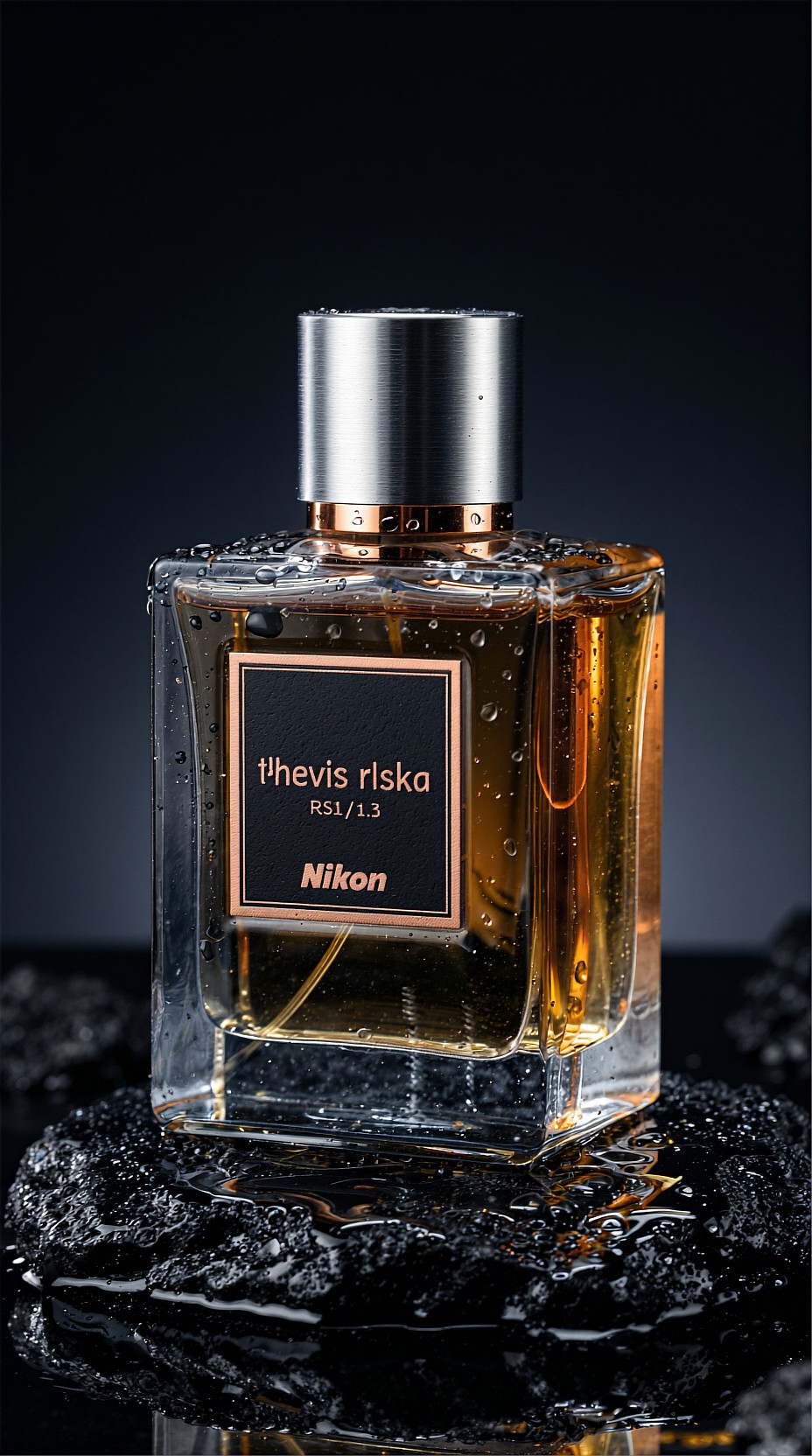
If you need exact label sharpness or premium glass behavior for ads, FP8 becomes a compromise. For moodboards and packaging direction, it is often enough.
Use case 4: Travel and environment scenes
FP8 performs well when the image relies more on atmosphere and composition than on tiny exact details. Landscapes, hotel scenes, and destination storytelling often survive quantization better than close-up commercial work.
Best fit: 3B FP8 for broad ideation, 7B FP8 for stronger polish.
Topic: Rainy Tokyo Alley Night Scene
Genre: Cinematic Travel
Camera: Leica SL2-S
Lens: 35mm f/1.4
Lighting: Neon Rim Light with wet street reflections
Location: Narrow Tokyo alley lined with ramen signs and vending machines
Style: Cinematic Realism
Final Prompt: A cinematic rainy night scene in a narrow Tokyo alley, a traveler in a dark trench coat holding a transparent umbrella, walking past glowing ramen signs and vending machines, reflective wet pavement, drifting steam from a side doorway, moody blue, magenta, and amber palette, off-center composition with layered depth, realistic signage clutter, subtle motion in the coat hem, atmospheric mist, Leica SL2-S low-light realism, 35mm f/1.4 immersive perspective, rich cinematic travel editorial look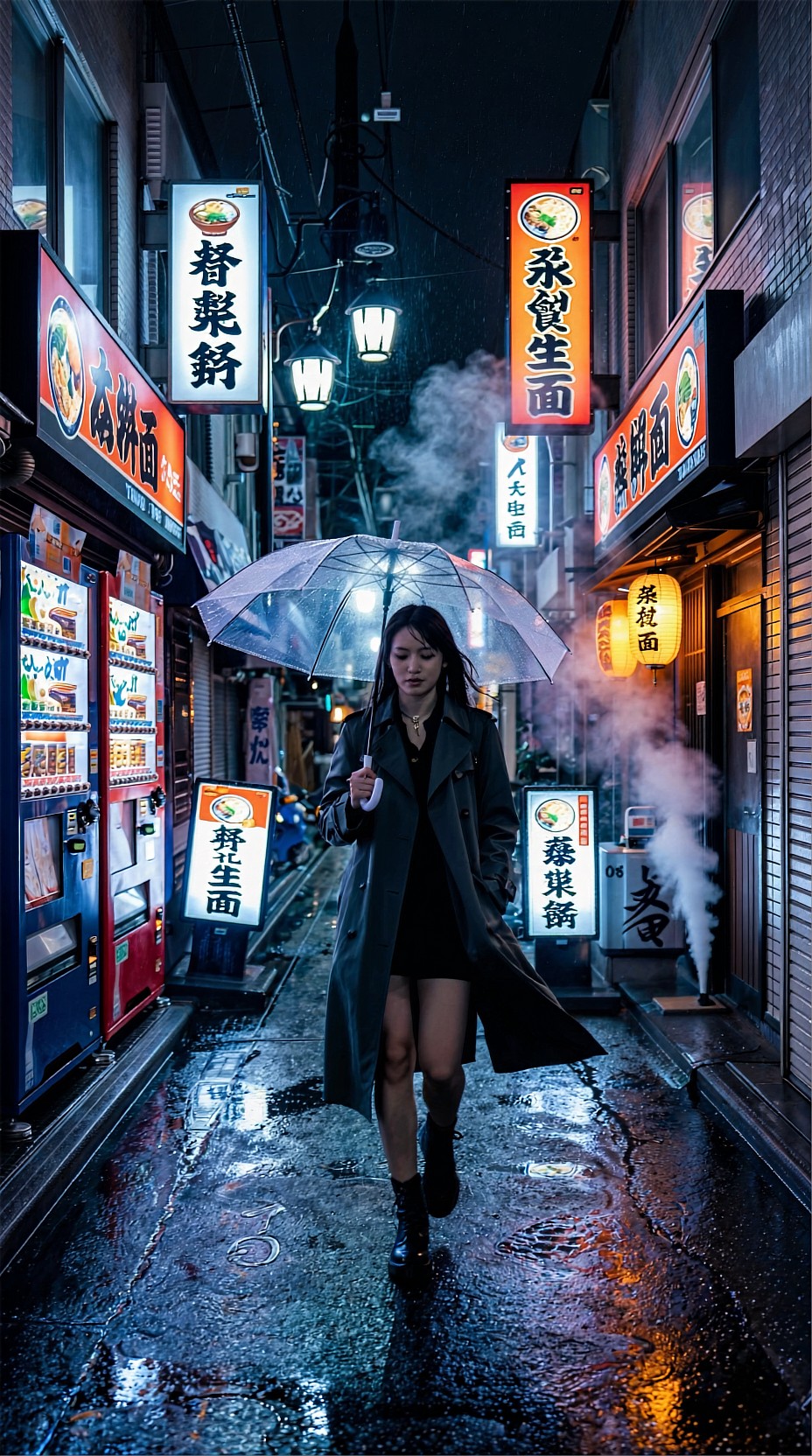
This kind of scene usually remains convincing in FP8 because slight abstraction in background detail can even help the mood.
Use case 5: Interior lifestyle scenes
For furniture, hospitality, and branded spaces, FP8 is often fine until the image includes patterned textiles, small decor objects, or readable books and menus.
Best fit: 7B FP8 for most previews, higher precision for catalog-level detail.
Topic: Boutique Hotel Breakfast Scene
Genre: Lifestyle Portrait
Camera: Panasonic Lumix S1R
Lens: 50mm f/1.8
Lighting: Soft morning window light
Location: Boutique hotel suite with oak table, linen curtains, and city view
Style: Elegant Resort Editorial
Final Prompt: A lifestyle scene of a woman seated at an oak breakfast table in a boutique hotel suite, wearing a cream knit set, pouring coffee beside a plate of fruit and pastries, relaxed half-smile, soft morning window light through linen curtains, warm oak, oatmeal, and muted brass palette, tasteful city view beyond the glass, editorial tabletop styling, realistic ceramic and linen textures, balanced medium shot composition, Panasonic Lumix S1R realism, 50mm f/1.8 natural intimacy, elegant resort editorial finish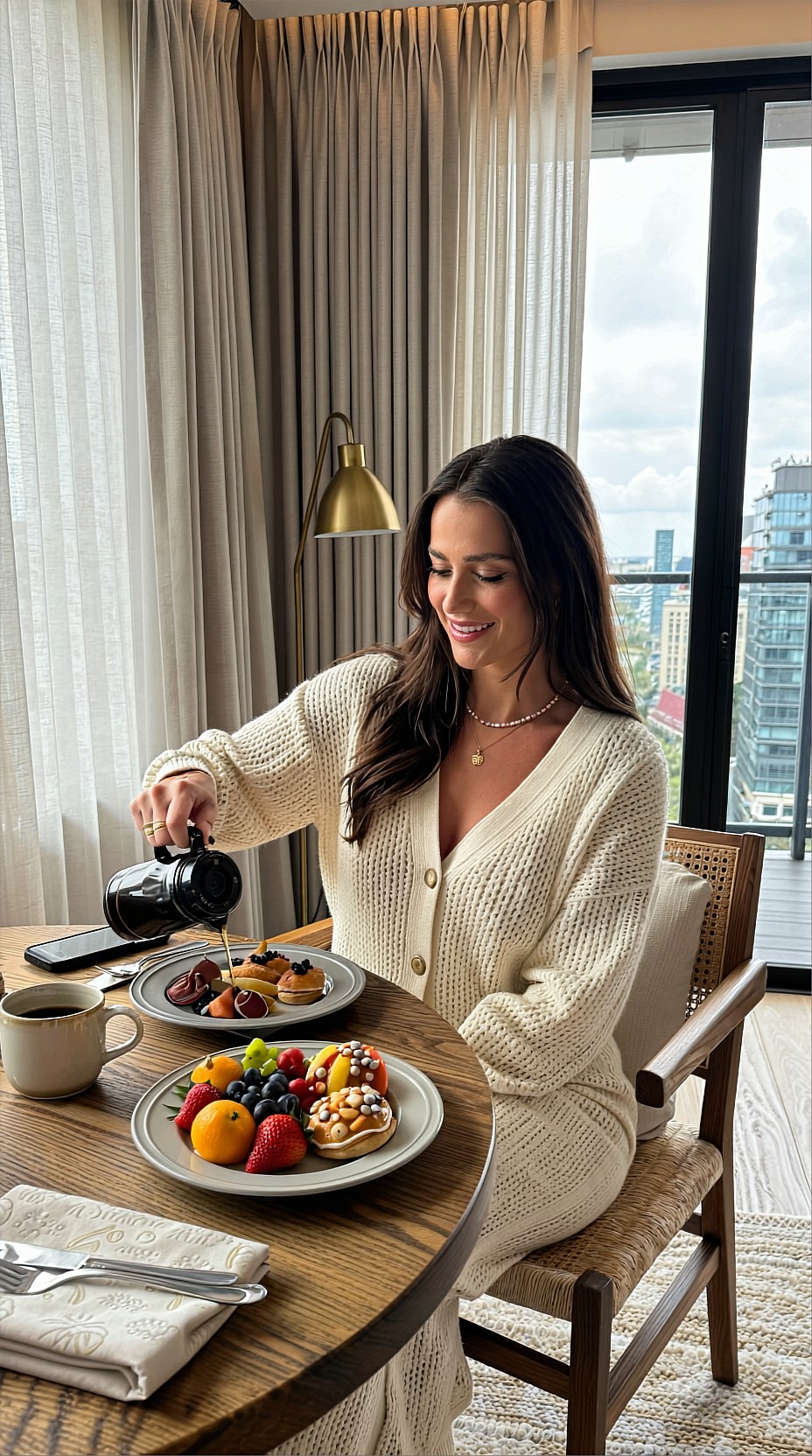
Use case 6: Anime and stylized key visuals
Stylized work often tolerates FP8 better than photoreal close-ups, especially when clean shapes and strong color blocking matter more than micro-texture. But complex hands, armor, and layered props can still fail.
Best fit: 3B FP8 for ideation, 7B FP8 for presentable key art drafts.
Topic: Futuristic Shrine Maiden Hero Poster
Genre: Anime Key Visual
Camera: Cinematic anime poster framing
Lens: 50mm equivalent anime composition
Lighting: Sunset backlight with glowing edge light
Location: Hilltop shrine above a neon city skyline
Style: Premium Anime Promotional Art
Final Prompt: A futuristic shrine maiden heroine standing on stone steps above a neon city at sunset, long black hair with crimson ribbon accents, white and red ceremonial outfit fused with sleek sci-fi armor panels, one hand holding a glowing talisman blade, determined expression, wind lifting sleeves and hair strands, dramatic sunset backlight with luminous edge glow, layered shrine gates and distant skyline below, saturated crimson, violet, and gold palette, polished poster composition, detailed costume design, atmospheric clouds, premium anime promotional art with sharp silhouette clarity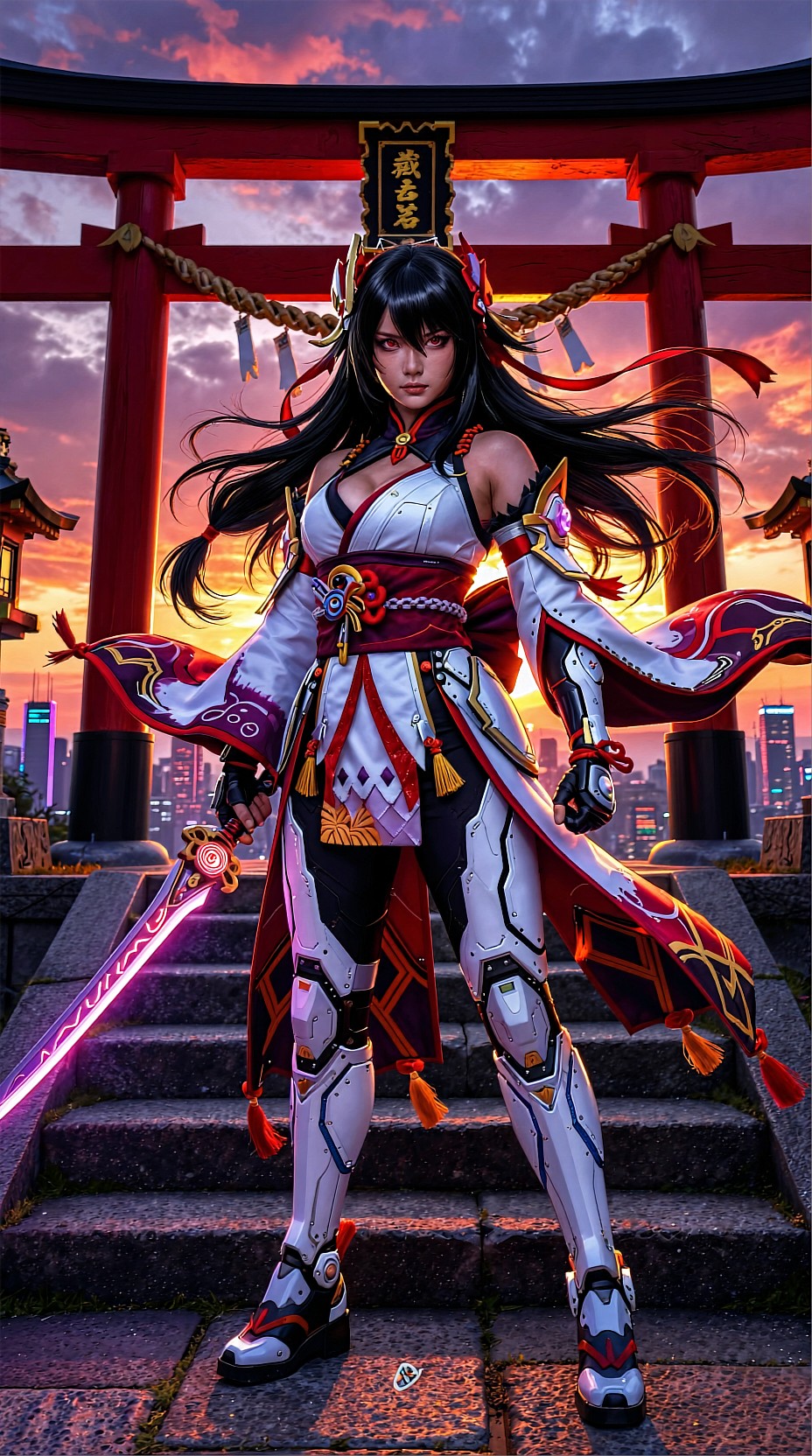
Use case 7: Crowded scenes and multi-subject storytelling
This is where FP8 often falls apart first. More subjects mean more anatomy, wardrobe interactions, and background logic to maintain. Even 7B FP8 can drift in faces, hands, and object relationships.
Best fit: avoid FP8 if the image must hold up under close review.
Topic: Rooftop Dinner Party at Sunset
Genre: Lifestyle Editorial
Camera: Sony FX3 cinematic still
Lens: 35mm T1.5
Lighting: Sunset backlight with practical table candles
Location: Urban rooftop garden with skyline view
Style: Cinematic Realism
Final Prompt: A stylish rooftop dinner party with five friends around a long table at sunset, tailored summer outfits in rust, cream, olive, and navy, natural laughter and conversation, one guest pouring wine while another adjusts a candle, layered plates, flowers, glassware, and string lights, city skyline behind a rooftop garden border, warm sunset backlight mixed with practical candle glow, lively but controlled composition, realistic hand gestures and facial variety, textured linen tablecloth, cinematic color separation, Sony FX3 still-frame look, 35mm T1.5 storytelling perspective, polished lifestyle editorial realism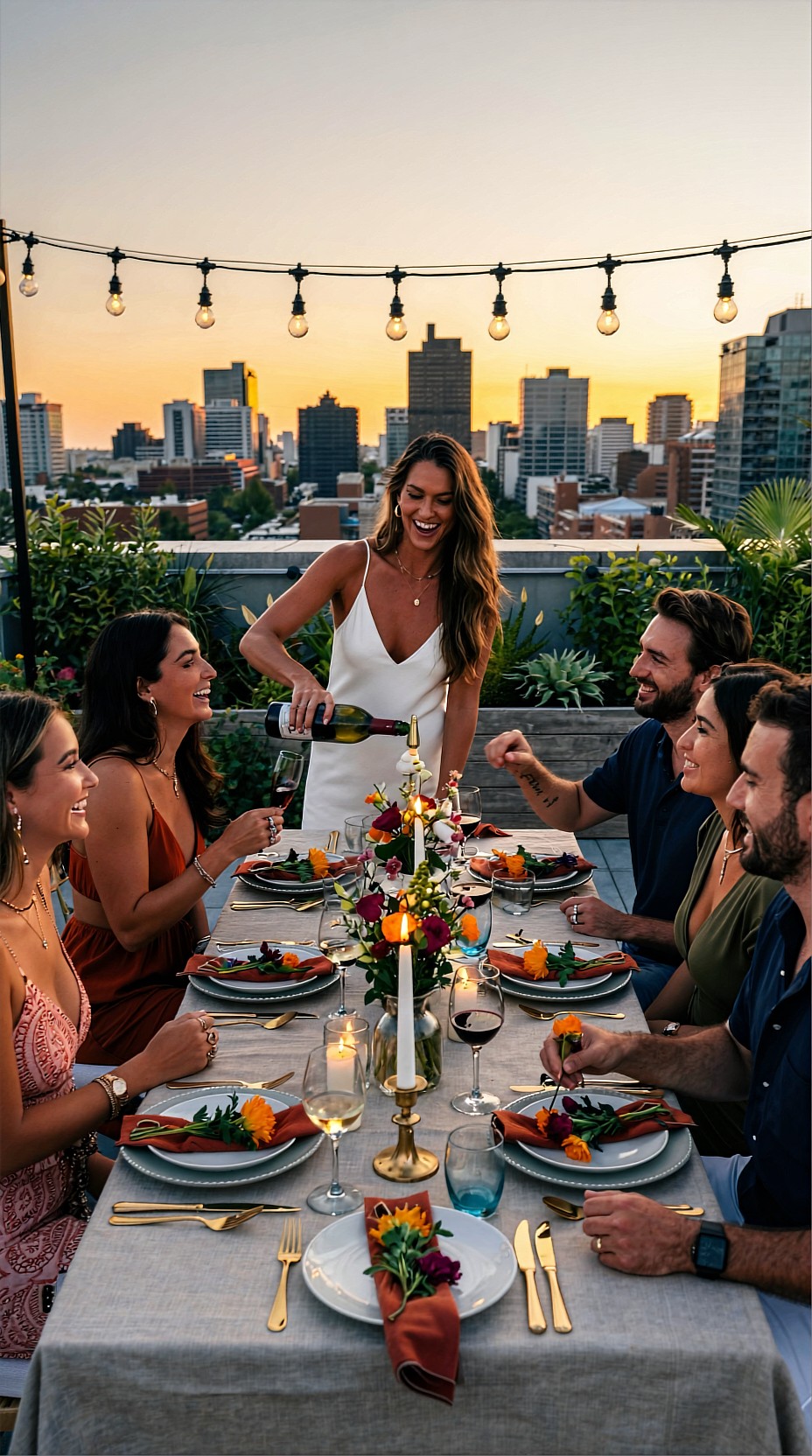
If your goal is just to approve mood and framing, FP8 may be acceptable. If every hand, face, and prop matters, do not rely on it.
Use case 8: Jewelry and fine-detail accessories
Small metal forms, stones, chains, and skin contact areas reveal precision limits fast. FP8 may create attractive thumbnails, but premium detail is often inconsistent.
Best fit: non-FP8 for final luxury outputs.
Topic: Emerald Jewelry Hand Detail Campaign
Genre: Luxury Campaign
Camera: Hasselblad X2D 100C
Lens: 90mm f/2.5
Lighting: Focused softbox key with subtle silver bounce
Location: Deep forest-green studio set with matte stone pedestal
Style: Luxury Fashion Campaign
Final Prompt: A close-up campaign image of a woman’s hand and collarbone adorned with emerald and diamond jewelry, including a fine tennis bracelet, sculptural ring, and elegant pendant necklace, graceful hand pose near the neck, calm poised expression partially visible at frame edge, focused softbox key with silver bounce shaping gemstone sparkle without harsh glare, deep forest-green studio backdrop, rich emerald, champagne, and ivory palette, ultra-refined metal texture, premium skin tone rendering, luxurious negative space, Hasselblad X2D 100C detail, 90mm f/2.5 medium-format elegance, high-end luxury campaign finish
Practical decision framework
Choose your setup based on the job, not the benchmark.
FP8 is good enough when:
- you are exploring art direction quickly
- the output is for internal selection or concept decks
- the subject is simple and clearly framed
- atmosphere matters more than fine inspection
- you need more iterations per hour than maximum fidelity
FP8 is not enough when:
- the image will be cropped tightly
- luxury materials must read correctly
- there is text, packaging, UI, or signage that matters
- multiple people and props interact in one frame
- a client will inspect skin, jewelry, or product surfaces closely
3B vs 7B in FP8
A practical summary:
- 3B FP8: fastest for ideation, decent for simple scenes, weaker in anatomy and complex textures
- 7B FP8: better prompt adherence, stronger composition stability, cleaner faces and wardrobe, still limited in micro-detail
- higher precision 7B: better for final selects, premium product work, beauty close-ups, and dense scenes
If you are unsure, start with 7B FP8 for first-pass generation. Move to higher precision only for shortlisted images that need cleanup, upscale, or final delivery quality.
Workflow tips to get better FP8 results
You can reduce FP8 failure rates with cleaner prompt design:
1. Limit the number of critical details per image. 2. Put the main subject early in the prompt. 3. Use one strong lighting idea instead of several mixed setups. 4. Avoid asking for tiny text or dense repeating patterns. 5. For product work, simplify reflections and label demands in the first pass. 6. Generate wides or mediums first, then move to close-ups in higher precision.
Bottom line
SEEDVR2 FP8 is a practical tool, not a universal default. For fashion concepts, travel moods, stylized posters, and many lifestyle scenes, it is often good enough. For beauty macro work, jewelry, reflective products, and crowded storytelling frames, it is usually not. The best workflow is simple: use FP8 to move fast, then switch to higher precision only where the image actually needs it.