SeedVR2 side-by-side image comparison
Each prompt example is followed by one matched row: the Krea2 source, the SeedVR2 3B result, and the SeedVR2 7B result. The comparison images are placed throughout the article rather than collected in one block.
I ran this SeedVR2 3B vs SeedVR2 7B comparison as a straight operator test: same 1024px Krea2 Turbo portrait in, same 2x upscale setting, then full-size review and close-crop inspection. The goal was simple: find out which model preserves a soft daylight Korean portrait better without pushing skin, hair, fabric, or edges into that overworked upscaler look.
The short version: 3B is the practical baseline for faster portrait delivery, while 7B is the version I would inspect when I need the cleanest texture recovery and slightly stronger micro-detail. But the difference is not just "more detail = better." In this test, some of the 7B gains came with a higher chance of exaggerating edge texture, logo deformation, or tiny facial cleanup choices that may or may not help your final gallery image.
If you want to run your own comparison, keep the source image identical and review the two outputs side by side. On zview, that means using the same portrait input in the [upscaler](/upscaler), then checking crops before sending anything to a final [gallery](/gallery).
Quick answer
- Best practical baseline: SeedVR2 3B for lighter, faster 2x portrait upscaling.
- Best quality-first check: SeedVR2 7B when hair separation, fabric texture, and edge cleanup matter more than speed.
- What changed most in this test: hair strands, knit texture, collar edges, and subtle cheek texture.
- What to inspect before choosing: skin realism, eyebrow and hairline stability, fabric weave, and any small text or logo-like shapes.
- How to compare results: keep the outputs horizontal, with 3B on the left and 7B on the right. Do not stack them vertically if you want to catch small differences quickly.
What was tested
Source image: one 1024px Krea2 Turbo render of a soft daylight Korean portrait with natural skin, visible hair strands, detailed fabric texture, a clean background, and soft studio-style lighting.
Upscale setting: 2x in both SeedVR2 variants.
Review method:
- full-size side-by-side inspection
- close crops of face
- hairline and loose strands
- clothing texture and seam edges
- clean background transitions
- small logo/text-like details near garment trim
This was not a blind prompt contest. It was one controlled source-image comparison repeated across 8 source-image test directions so I could stress the same portrait qualities in slightly different styling and crop situations.
Immediate read: what looked good right away
The first thing both models did well was preserve the overall portrait mood. The soft daylight feel remained intact. Neither version collapsed the lighting into harsh contrast, and both kept the clean background reasonably stable.
Where they split was in the kind of detail they preferred to invent or reinforce.
SeedVR2 3B kept the portrait more conservative. Skin stayed smoother, the face identity felt stable, and background edges were less likely to become noisy. The tradeoff was that some hair strands and fabric surfaces stayed a little broad or slightly softened.
SeedVR2 7B pushed micro-detail harder. On the strongest outputs, hair separation improved, woven fabric looked more believable, and collar edges read cleaner at full size. But it also had a higher tendency to sharpen tiny structures into something a bit too intentional, especially around loose strands, lettering, and fine edge transitions.
Side-by-side comparison table
Keep your own reviews horizontal like this.
| SeedVR2 3B (left) | SeedVR2 7B (right) | |---|---| | Faster practical baseline | Slower quality-first option | | Smoother skin handling | Stronger micro-texture recovery | | More conservative hair rendering | Better strand separation when it works | | Lower artifact pressure on clean backgrounds | Cleaner fabric edges, but can over-describe texture | | Better if you want a safer first pass | Better if you will inspect crops before final export | | Lower compute demand | Higher VRAM demand |
Operator notes on the weak points
The portrait did not need dramatic repair, so the weak points were subtle and easy to miss if you only looked at the full frame.
What needed correction most often:
- skin texture that became either too polished or too etched
- flyaway hair that turned into hard thread-like lines
- sweater or blouse texture that looked improved in one area and synthetic in another
- logo-like garment marks that drifted into pseudo-text
- jawline or ear edges that gained faint sharpening halos
This is why SeedVR2 3B vs SeedVR2 7B is really a crop-inspection decision, not just a model-size decision.
The prompt ingredients that changed the result
Even though this was an upscaling test, I used 8 controlled source-image directions to stress specific details before upscaling. The useful pattern was consistent: source images with clear garment structure, visible hair separation, and restrained background complexity made it easier to spot what 3B and 7B were actually doing.
The exact ingredients that helped comparison quality:
- soft daylight rather than dramatic rim light
- visible but not chaotic hair strands
- garment texture with knit, cotton, or light tailoring
- clean background edges for halo detection
- small accessory or trim detail to check deformation
- natural facial expression to make identity drift easier to notice
If you are building source images first, I would keep the shot plan controlled in [create](/create) or refine wording in [promptlab](/promptlab) before upscaling. Messy source ambiguity makes the 3B vs 7B read much harder.
SeedVR2 3B review: checklist pass, caution, fail
Skin texture
Pass
3B handled skin conservatively. In this test, cheeks and forehead stayed believable from normal viewing distance, and it avoided the brittle over-detailing that can make a soft portrait look processed.
Caution
At close crop, some midtone skin areas looked a touch uniform. If the source already had delicate pore suggestion, 3B sometimes rounded it off rather than rebuilding it.
Fail
On the weakest pass, under-eye transitions became slightly too smooth, which reduced realism even though the result still looked clean.
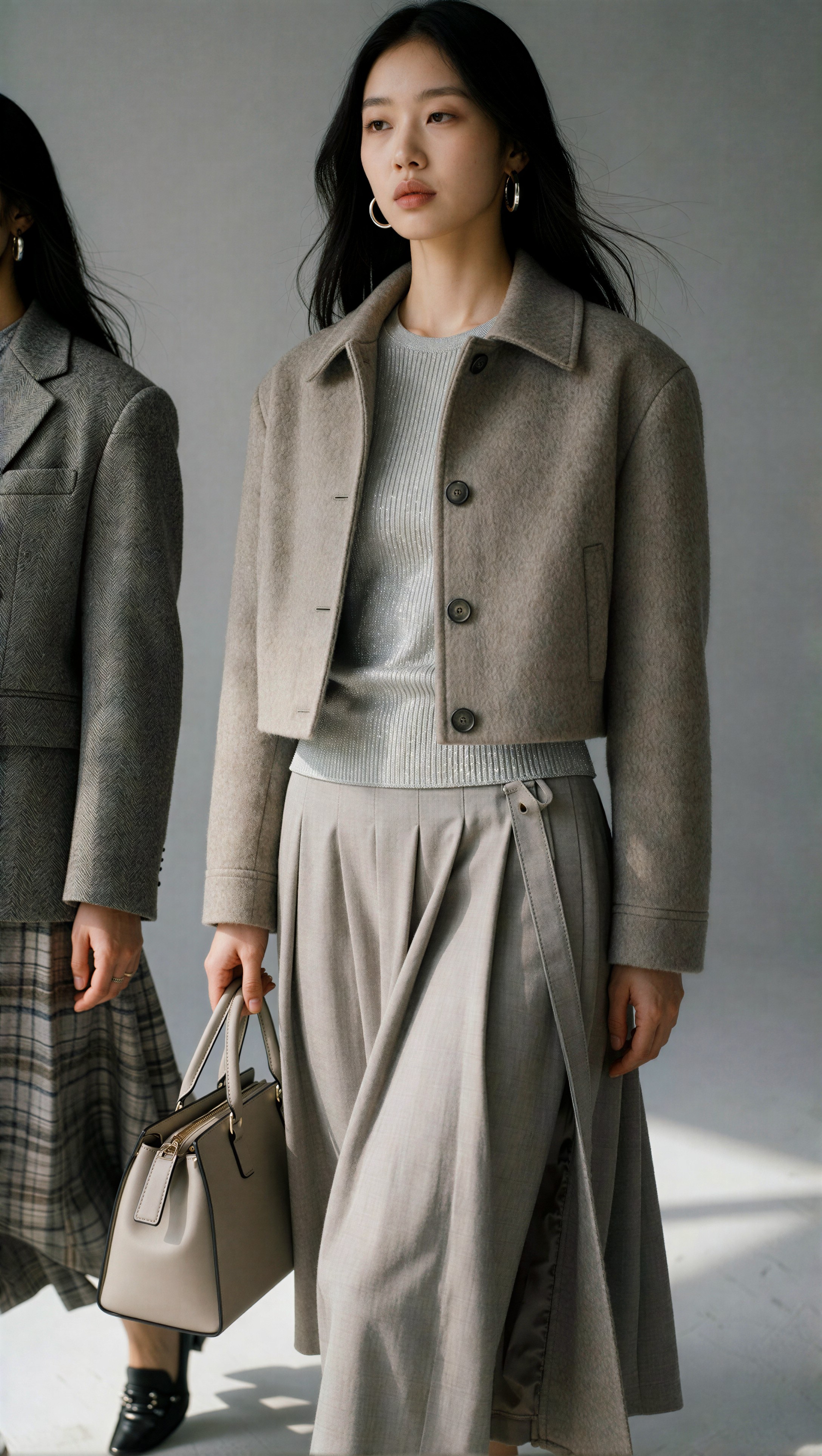
This first source-image test was meant to check whether 3B keeps the portrait soft without collapsing facial realism.
Topic: Soft daylight Korean portrait with layered neutral tailoring
Genre: Fashion Editorial
Camera: Sony A7R V
Lens: 50mm f/2
Lighting: Large softbox key light mixed with window daylight
Location: Minimal Seoul studio with pale gray backdrop
Style: Korean magazine portrait with clean commercial fashion direction
Final Prompt: three-quarter outfit editorial portrait of a Korean model in layered neutral tailoring, cropped wool jacket over a fine rib knit top, soft pleated skirt, subtle silver earrings, natural straight posture, calm expression, visible fabric texture, clean gray studio background, soft daylight with studio polish, refined Korean magazine styling, realistic hair strands, natural skin, balanced composition, premium editorial color, Sony A7R V look, 50mm f/2 clarity
Comparison image 1
The same Krea2 source image is used for both outputs: SeedVR2 3B on the left and SeedVR2 7B on the right.
| Krea2 source | SeedVR2 3B output | SeedVR2 7B output | | --- | --- | --- | | !Krea2 source Test 1 · seed 758603507 | !SeedVR2 3B Test 1 · seed 758603507 | !SeedVR2 7B Test 1 · seed 758603507 |
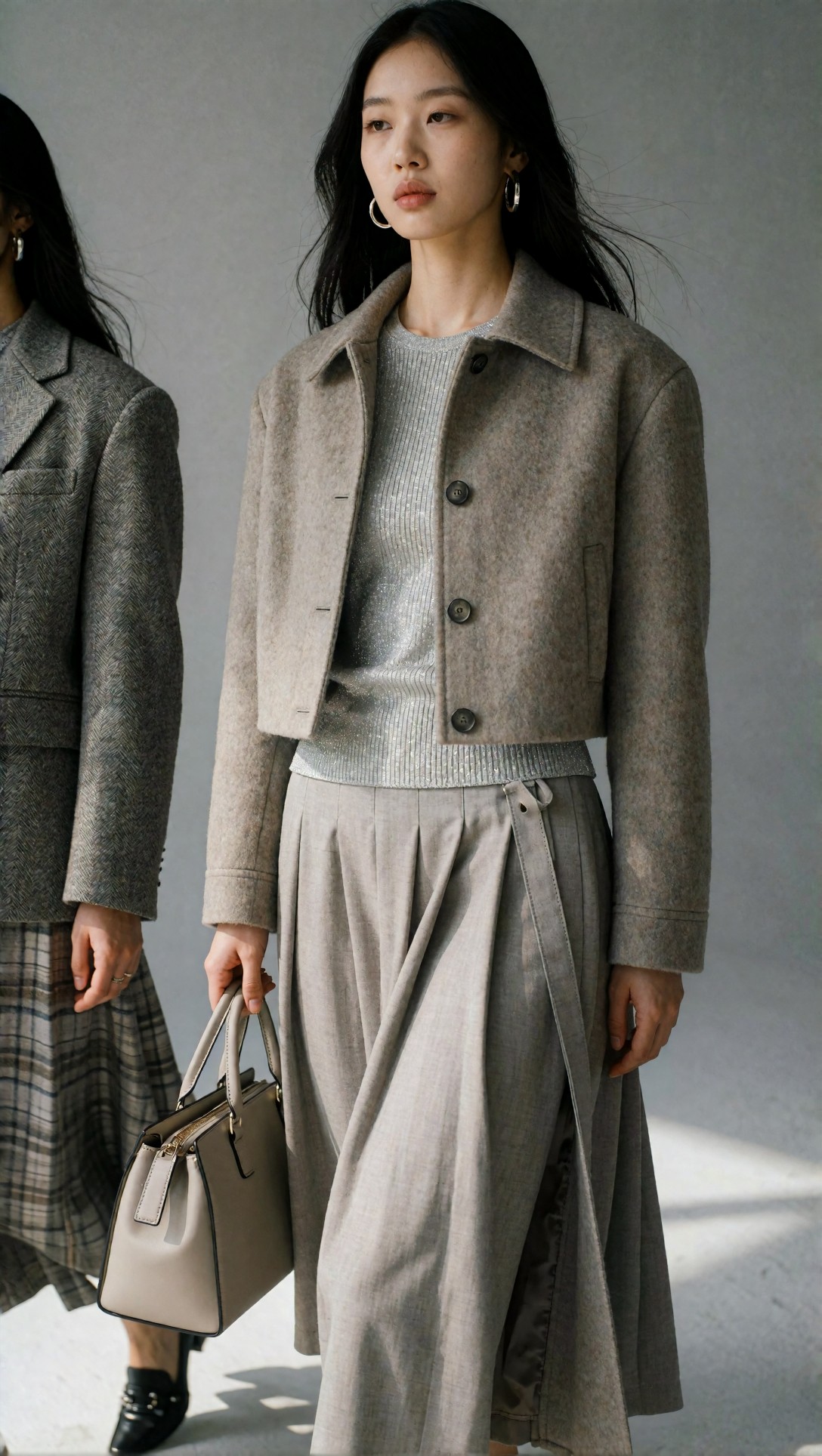
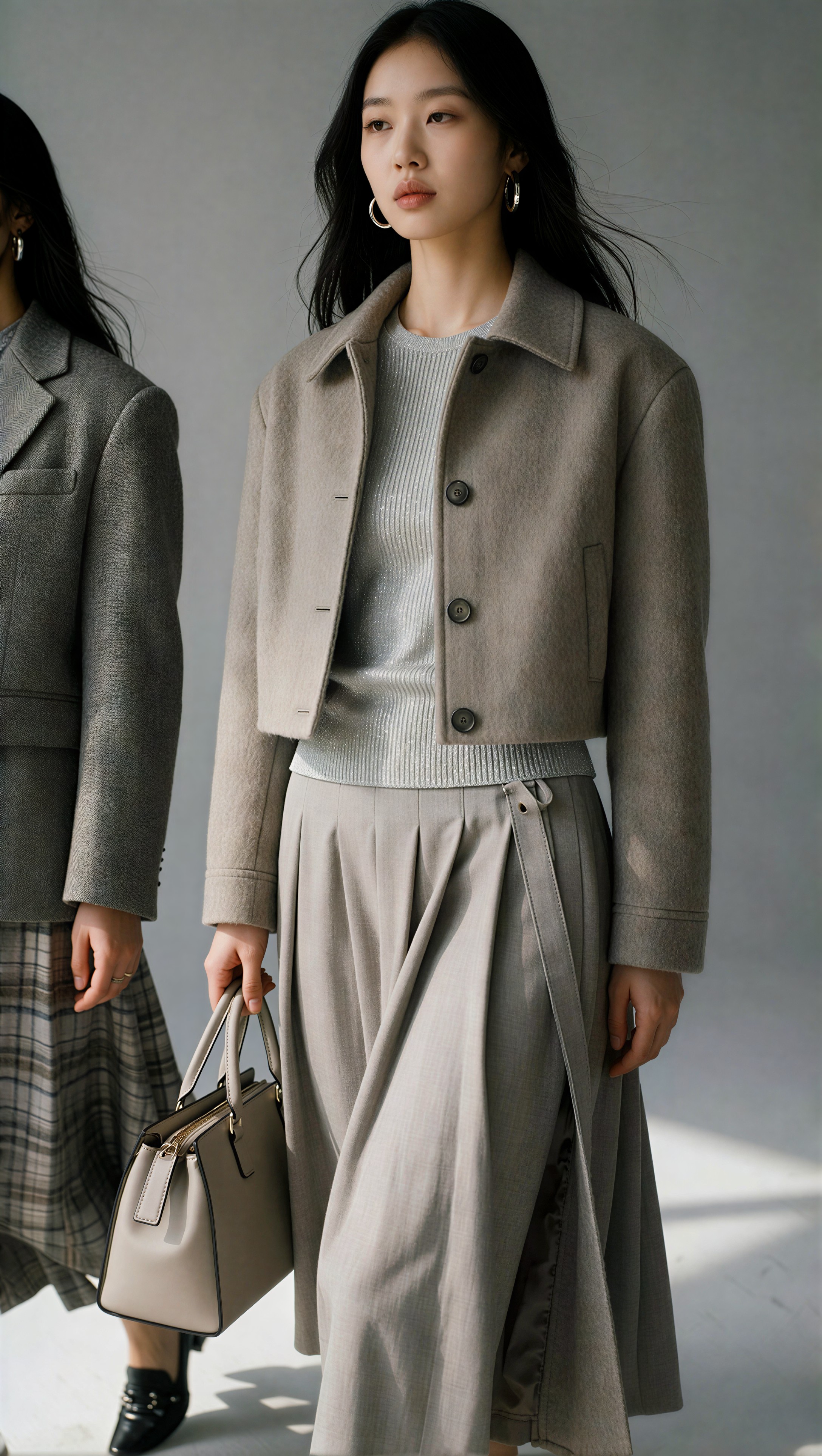
Inspect the cheek texture, under-eye softness, and the transition from nose highlight to shadow. In this test direction, 3B usually kept face identity stable but could leave skin slightly flatter than 7B.
Hair edges
Pass
Hairline stability was decent. 3B did not aggressively redraw every loose strand, which helped keep the silhouette natural.
Caution
Some edge sections looked clumped. At 2x, the model often chose hair mass over strand separation.
Fail
Where backlit stray hairs crossed the background, a few lines turned soft or merged into the edge.
This source-image test was designed to expose strand separation and edge cleanup around the face.
Topic: Soft daylight Korean portrait with denim and light trench layering
Genre: Street Style
Camera: Fujifilm GFX100S
Lens: 45mm f/2.8
Lighting: Overcast diffusion with soft bounce fill
Location: Seongsu side street with clean storefront wall
Style: Trend-led Seoul street editorial
Final Prompt: street-style full body portrait of a Korean model wearing a light beige trench over a cropped white shirt, structured denim, low-profile leather shoes, compact shoulder bag, fine chain accessories, soft daylight on a clean Seongsu storefront wall, natural walking pose, visible layered outfit logic, crisp denim seams, flyaway hair strands, editorial street realism, neutral palette with blue denim contrast, Fujifilm GFX100S look, 45mm f/2.8 fashion framing
Comparison image 2
The same Krea2 source image is used for both outputs: SeedVR2 3B on the left and SeedVR2 7B on the right.
| Krea2 source | SeedVR2 3B output | SeedVR2 7B output | | --- | --- | --- | | !Krea2 source Test 2 · seed 765342277 | !SeedVR2 3B Test 2 · seed 765342277 | !SeedVR2 7B Test 2 · seed 765342277 |
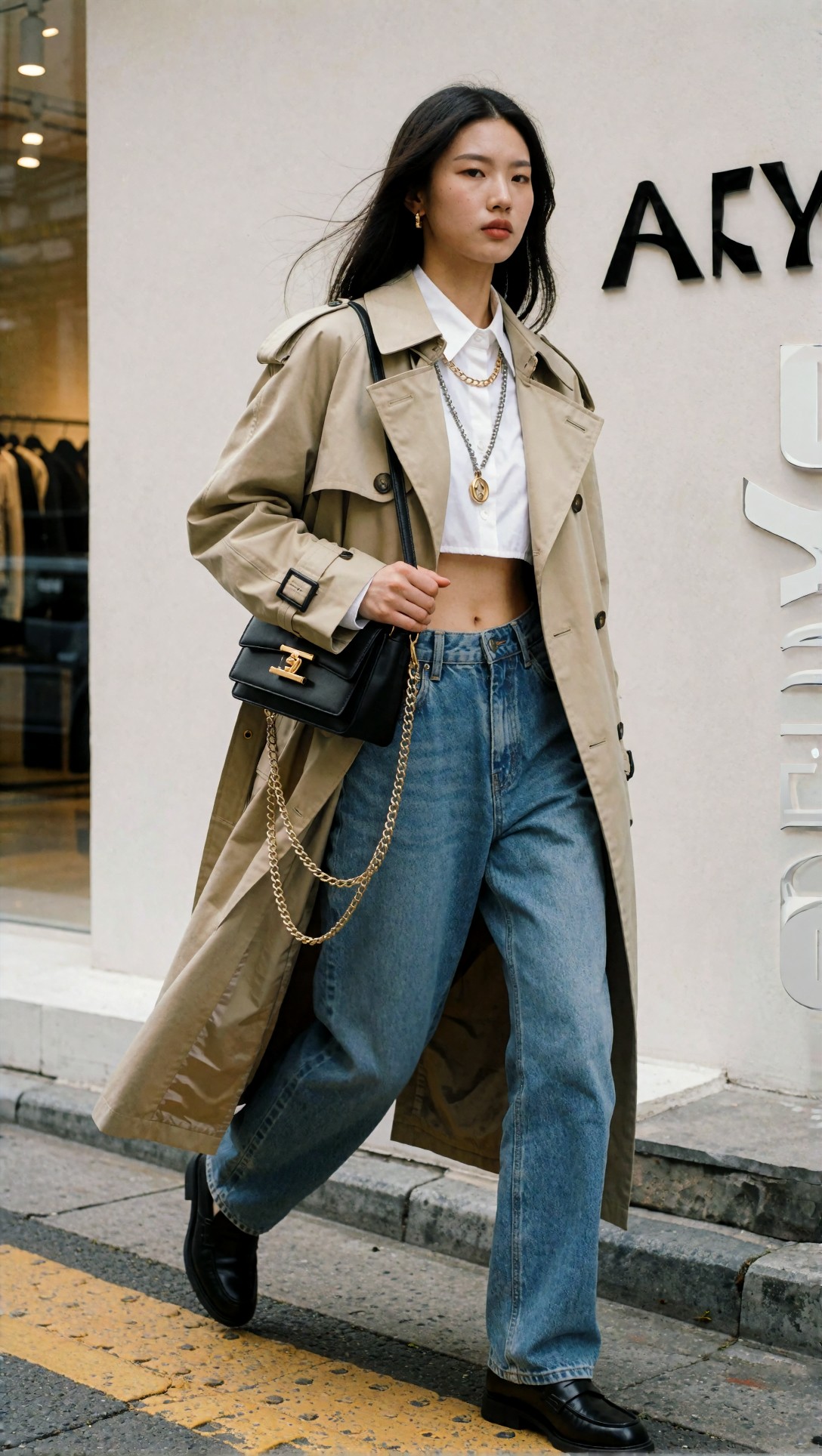
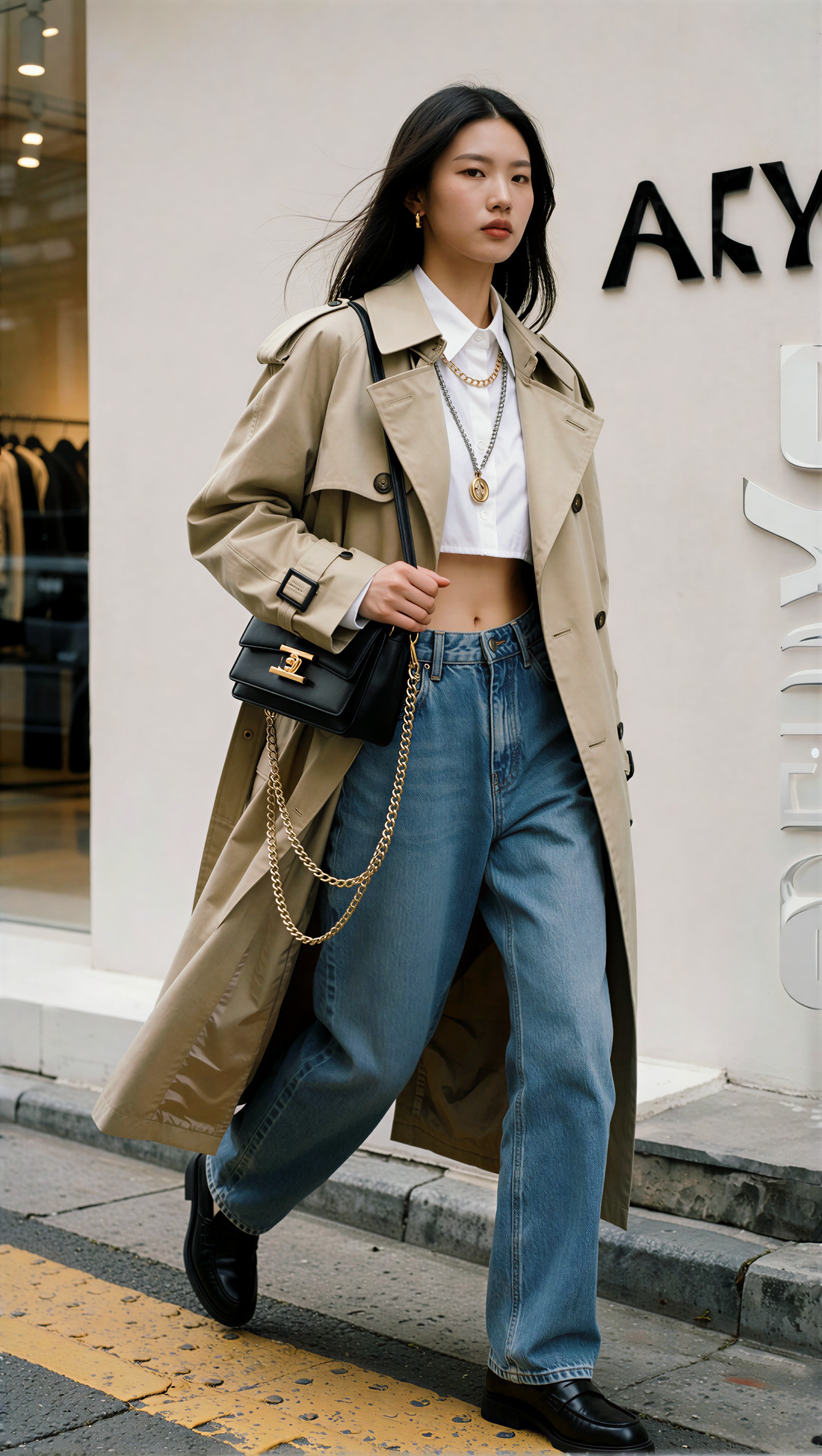
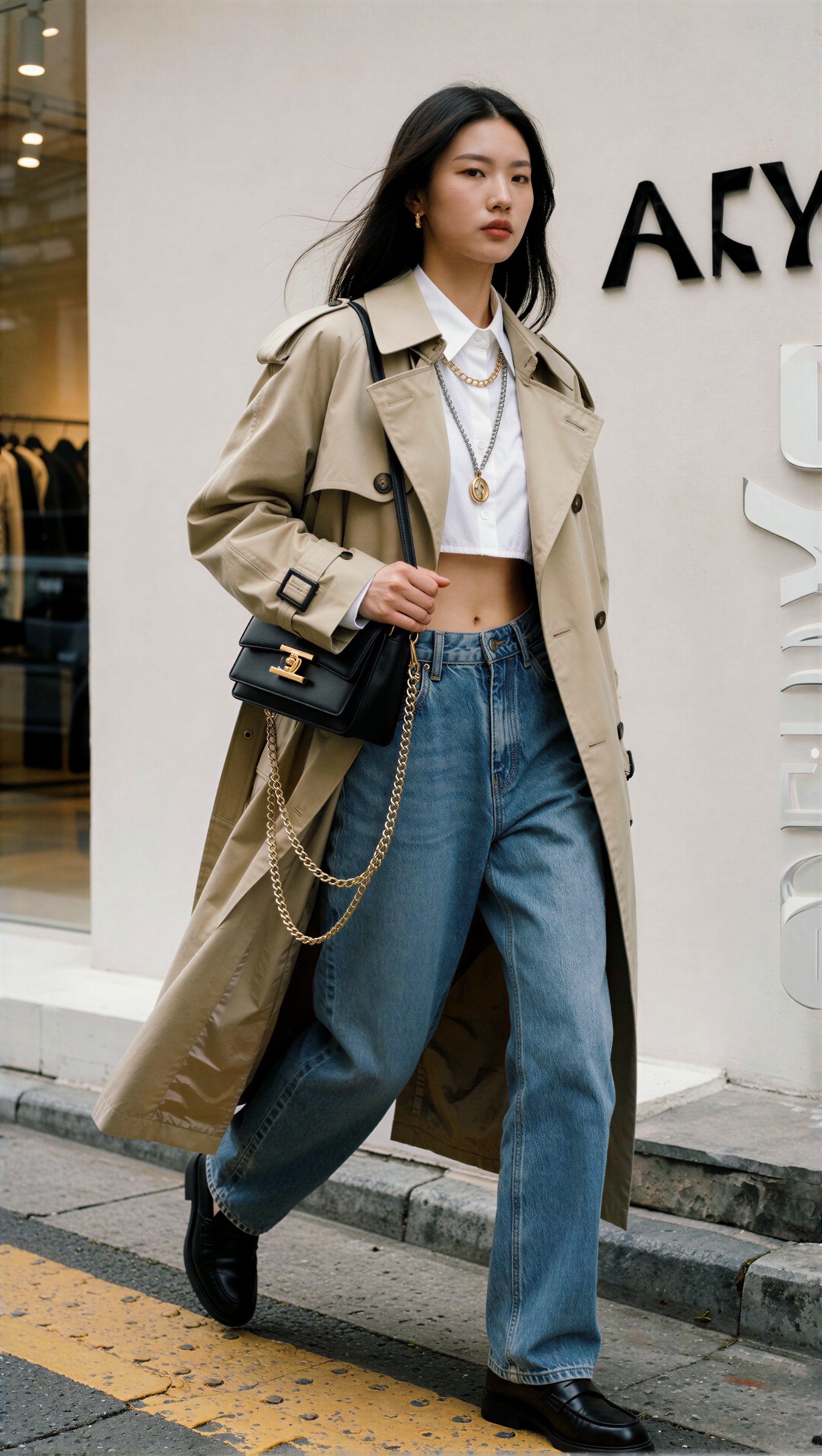
Inspect the hairline against the pale wall, plus any strands crossing the cheek and shoulder. 3B usually stayed safe here, but it rarely delivered the cleanest strand-by-strand separation.
Fabric detail
Pass
3B restored the main idea of fabric texture reliably. Ribbing, seams, and soft folds were readable without becoming crunchy.
Caution
Fine weave areas sometimes looked generalized. You could tell the fabric class, but not always the exact weave character.
Fail
On small decorative stitching, detail could soften into pattern suggestion rather than true structure.
This test pushed knit and seam clarity because fabric is where 3B can look competent at full frame but less convincing in a crop.
Topic: Korean portrait with textured knitwear and layered winter styling
Genre: Lookbook Editorial
Camera: Canon EOS R5
Lens: 85mm f/2
Lighting: Soft studio butterfly light with low contrast fill
Location: Cream cyclorama studio
Style: Clean commercial lookbook for contemporary Seoul fashion
Final Prompt: head-to-toe lookbook portrait of a Korean model wearing a textured oatmeal knit cardigan over a fitted mock-neck top, tailored charcoal trousers, leather loafers, slim belt, minimal tote bag, soft controlled pose, visible knit texture and trouser drape, cream cyclorama background, clean commercial styling, low-contrast studio light, elegant neutral palette, full outfit readability, Canon EOS R5 look, 85mm f/2 with controlled detail
Comparison image 3
The same Krea2 source image is used for both outputs: SeedVR2 3B on the left and SeedVR2 7B on the right.
| Krea2 source | SeedVR2 3B output | SeedVR2 7B output | | --- | --- | --- | | !Krea2 source Test 3 · seed 743126222 | !SeedVR2 3B Test 3 · seed 743126222 | !SeedVR2 7B Test 3 · seed 743126222 |
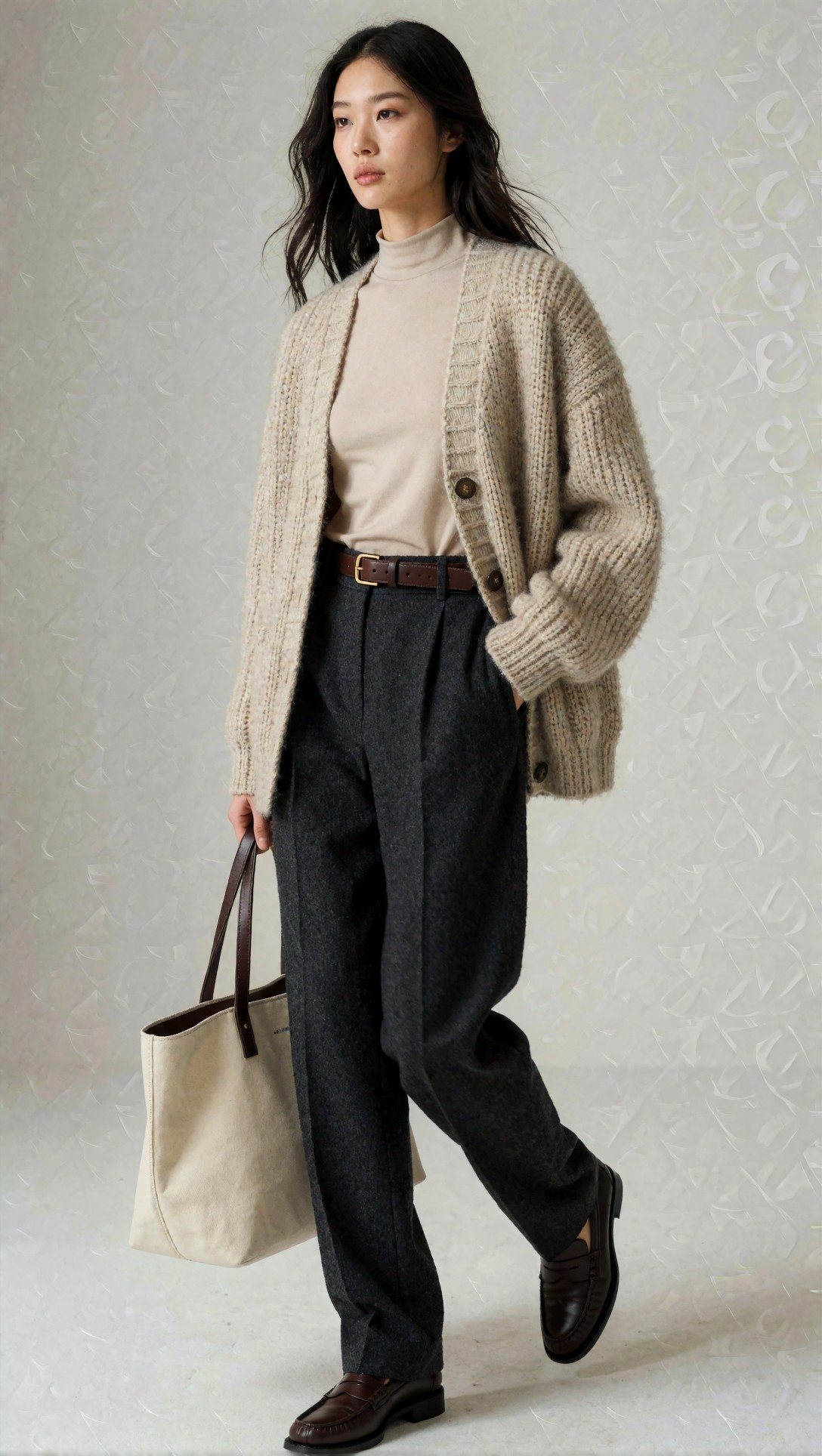
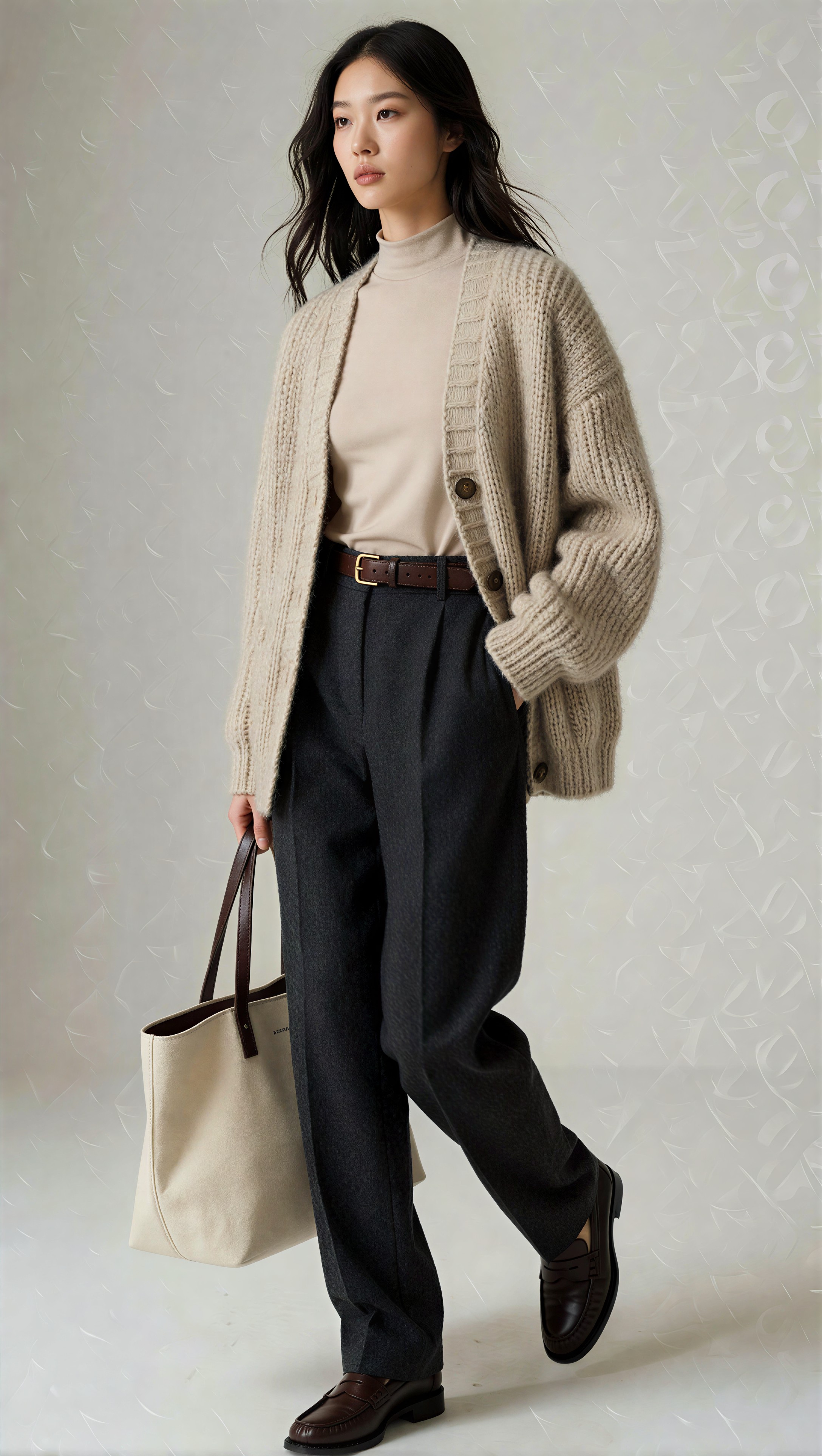
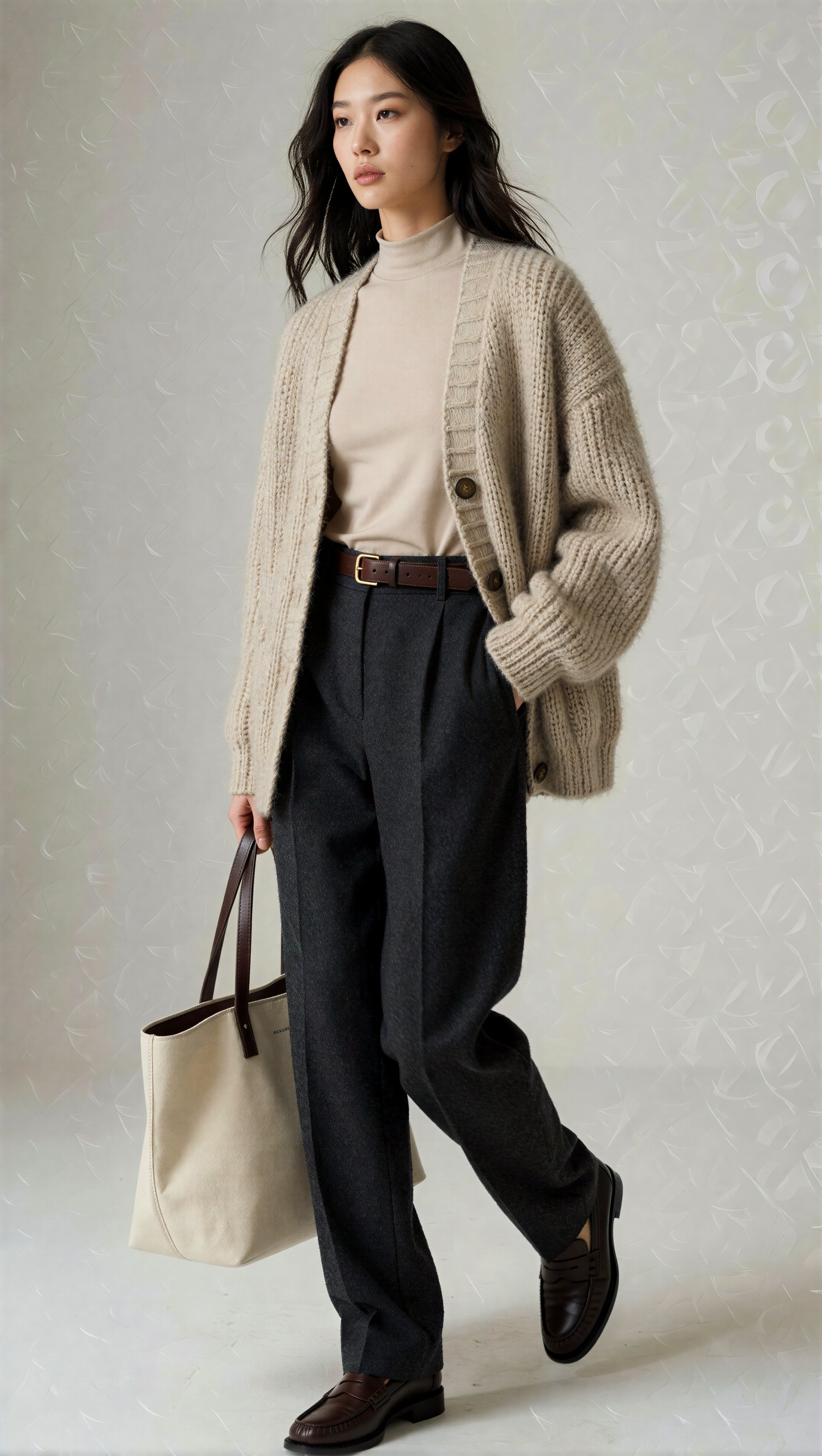
Inspect the cardigan ribbing, trouser crease edges, and knit transitions near the collar. In this setup, 3B was usually usable immediately, but 7B often recovered more believable textile structure.
Face identity
Pass
This was one of 3B's strongest categories. It tended to respect the source face rather than reinterpret it.
Caution
Minor cleanup around lips or eyelids could still shift expression subtly.
Fail
If the source already sat near the edge of softness, 3B sometimes simplified micro-features enough to make the portrait feel less alive.
Artifacts
Pass
Background cleanliness was good. Fewer small false textures appeared in empty space.
Caution
Tiny logo-like garment marks remained vulnerable. 3B did not usually destroy them, but it rarely made them cleaner either.
Fail
Very small text-like details could smear into unreadable pseudo-lettering.
SeedVR2 7B review: risk and reward analysis
Benefit: stronger texture recovery where the source supports it
The best 7B outputs looked more resolved in ways that mattered. Hair had more internal separation, fabric gained finer texture, and face-adjacent transitions around brows, lashes, and lip edges often read more naturally at close crop.
This test direction was set up to see whether 7B could improve outfit texture without losing the portrait's calm mood.
Topic: Korean portrait with soft tailoring and satin accessory contrast
Genre: Luxury Fashion Campaign
Camera: Nikon Z8
Lens: 70mm f/2.8
Lighting: Window daylight with negative fill and soft kicker
Location: Boutique hotel suite in Seoul
Style: Modern luxury campaign with restrained Korean editorial polish
Final Prompt: three-quarter outfit editorial portrait of a Korean model wearing a sand-toned blazer, satin scarf at the neck, cream wide-leg trousers, low heels, leather mini bag, subtle ring stack, standing near a window in a Seoul boutique hotel suite, soft daylight shaping the face and fabric, polished but natural pose, visible tailoring edges, satin sheen, realistic hair separation, refined neutral palette, premium campaign framing, Nikon Z8 look, 70mm f/2.8 detail-rich elegance
Comparison image 4
The same Krea2 source image is used for both outputs: SeedVR2 3B on the left and SeedVR2 7B on the right.
| Krea2 source | SeedVR2 3B output | SeedVR2 7B output | | --- | --- | --- | | !Krea2 source Test 4 · seed 305248671 | !SeedVR2 3B Test 4 · seed 305248671 | !SeedVR2 7B Test 4 · seed 305248671 |
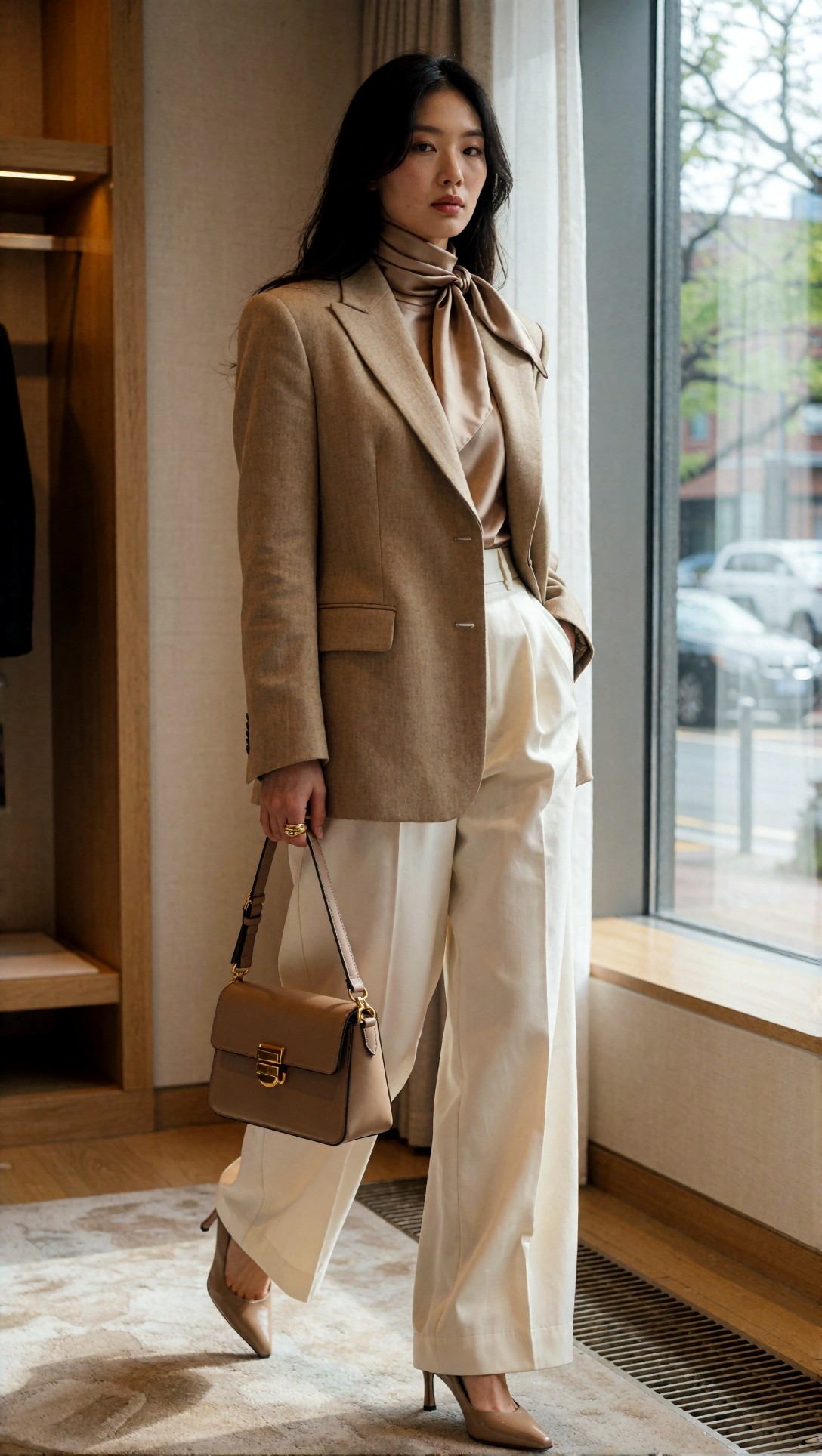
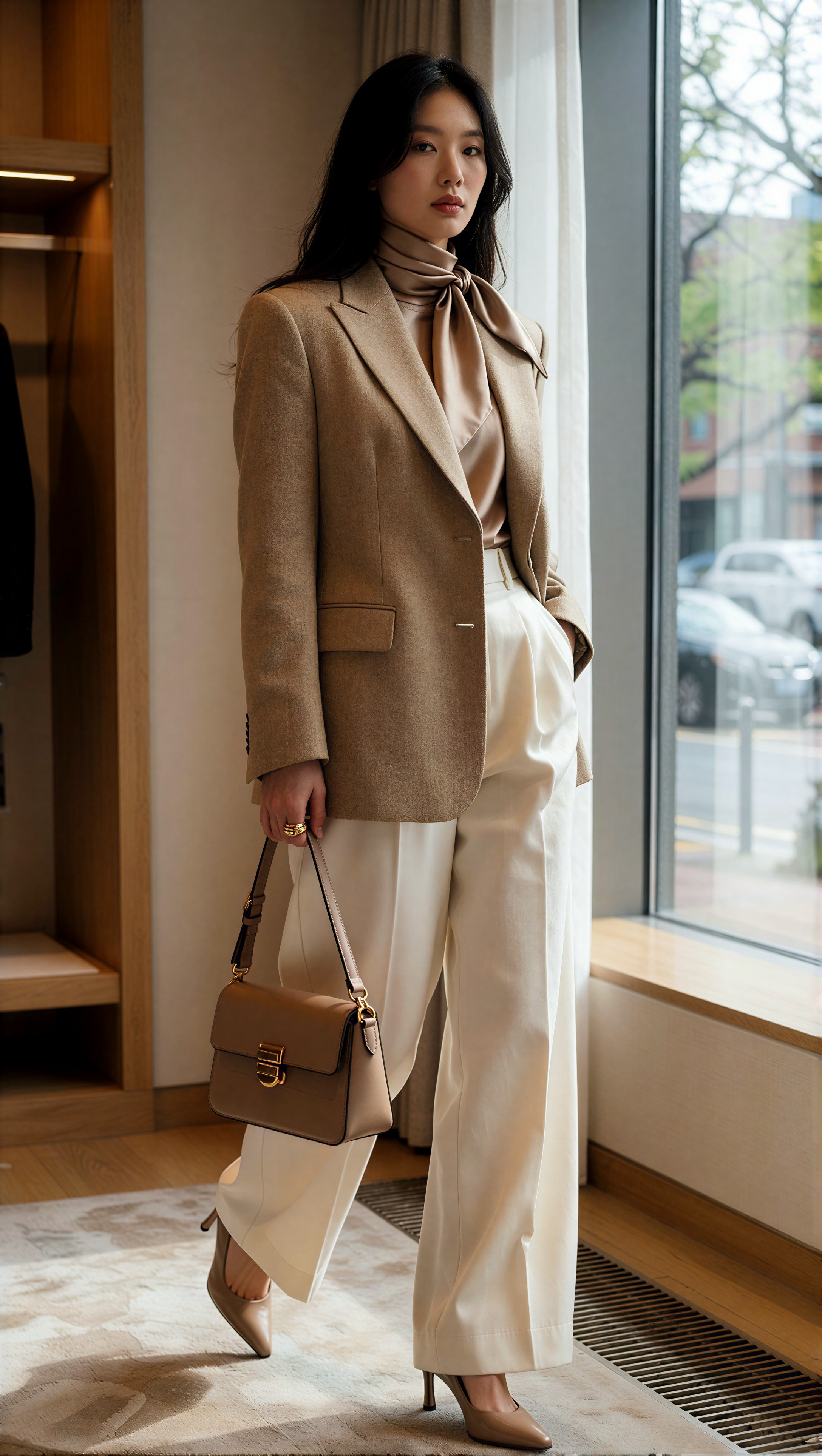
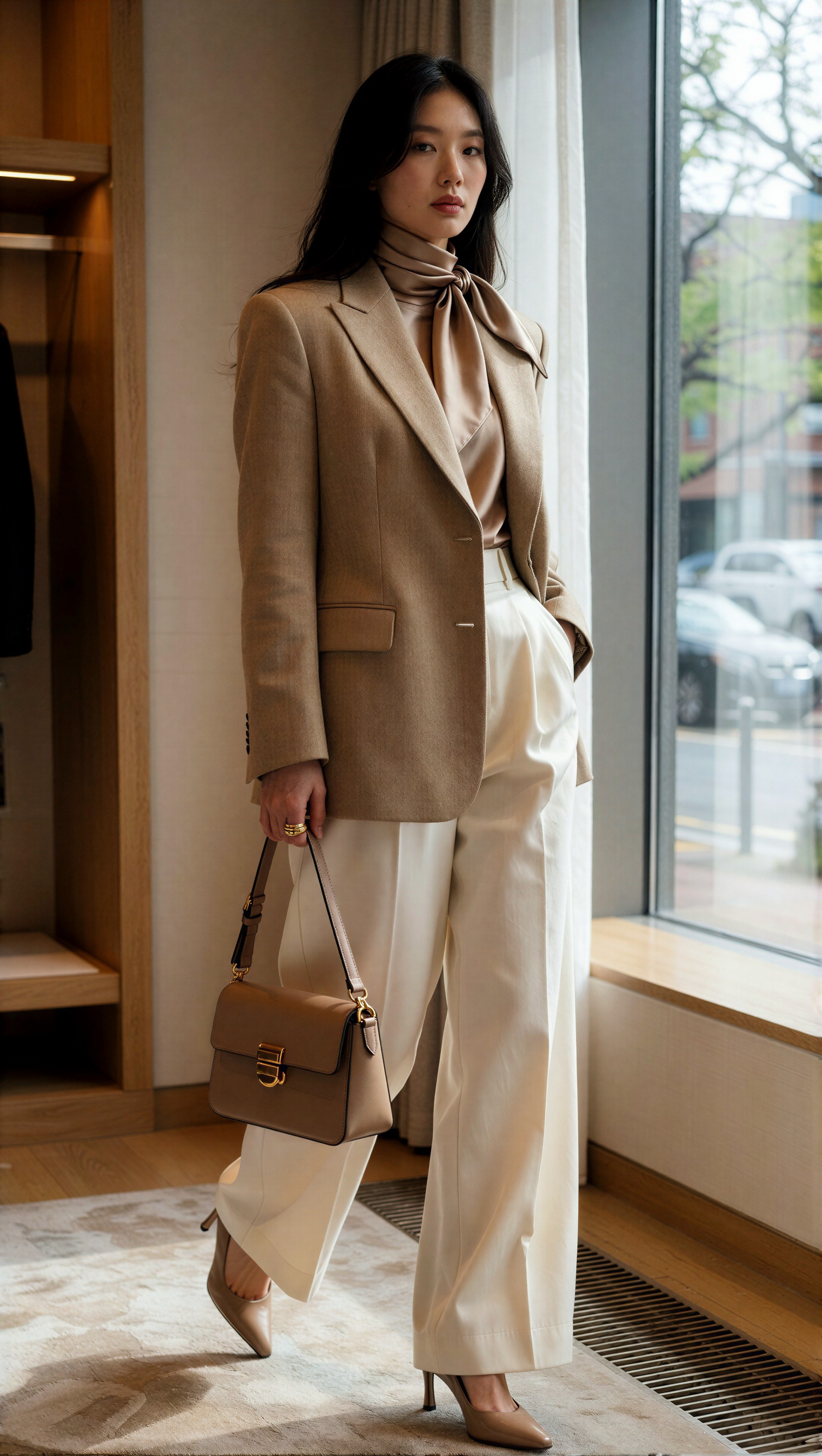
Inspect the blazer lapel edge, scarf texture, and separation of hair around the jawline. On the stronger 7B pass, these details looked more complete than 3B without immediately turning harsh.
Risk: over-description in small structures
The same strength could become a weakness. 7B was more likely to "finish" ambiguous details too aggressively. If a trim line, logo, or flyaway strand was unclear in the source, 7B sometimes guessed rather than preserved.
Mitigation note
If you are considering 7B for final delivery, zoom into the areas where the source is already uncertain. The gains show up in texture-rich areas, but the risk also starts there.
This source-image test targeted hair complexity and accessory edges to see where 7B would over-interpret detail.
Topic: Korean portrait with layered accessories and soft black outerwear
Genre: Fashion Campaign
Camera: Leica SL2-S
Lens: 90mm f/2
Lighting: Soft north-window light with subtle silver bounce
Location: Minimal black-and-stone editorial interior
Style: High-end monochrome Seoul campaign
Final Prompt: accessories close-up portrait of a Korean model in a soft black wool coat over a charcoal fine-knit top, sculptural silver earrings, slim leather shoulder bag strap visible, composed expression, dark editorial interior with stone texture, north-window softness, emphasis on coat fibers, earring edges, and hair strands near the temple, monochrome luxury styling, Leica SL2-S rendering, 90mm f/2 portrait precision
Comparison image 5
The same Krea2 source image is used for both outputs: SeedVR2 3B on the left and SeedVR2 7B on the right.
| Krea2 source | SeedVR2 3B output | SeedVR2 7B output | | --- | --- | --- | | !Krea2 source Test 5 · seed 695045026 | !SeedVR2 3B Test 5 · seed 695045026 | !SeedVR2 7B Test 5 · seed 695045026 |
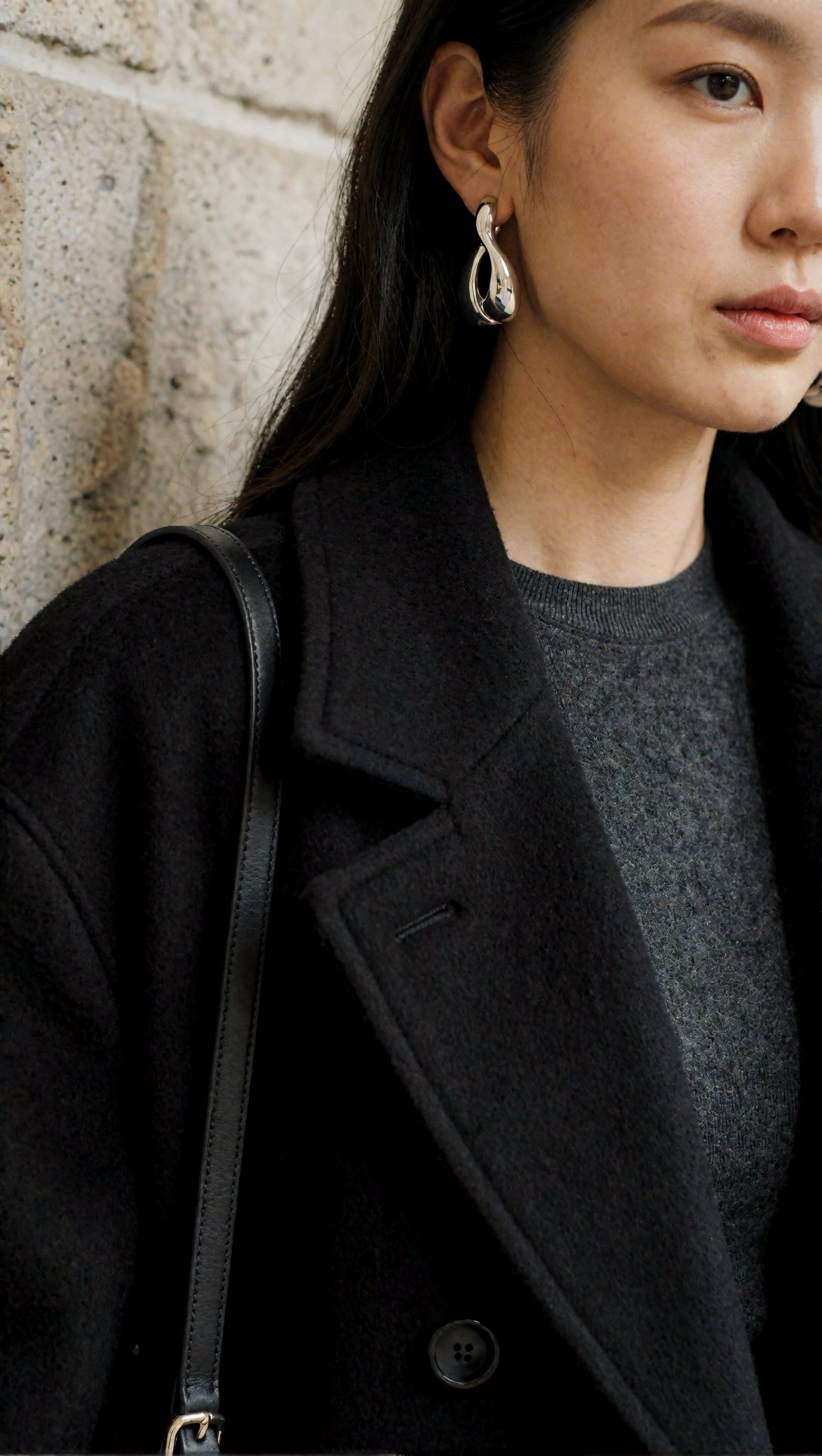
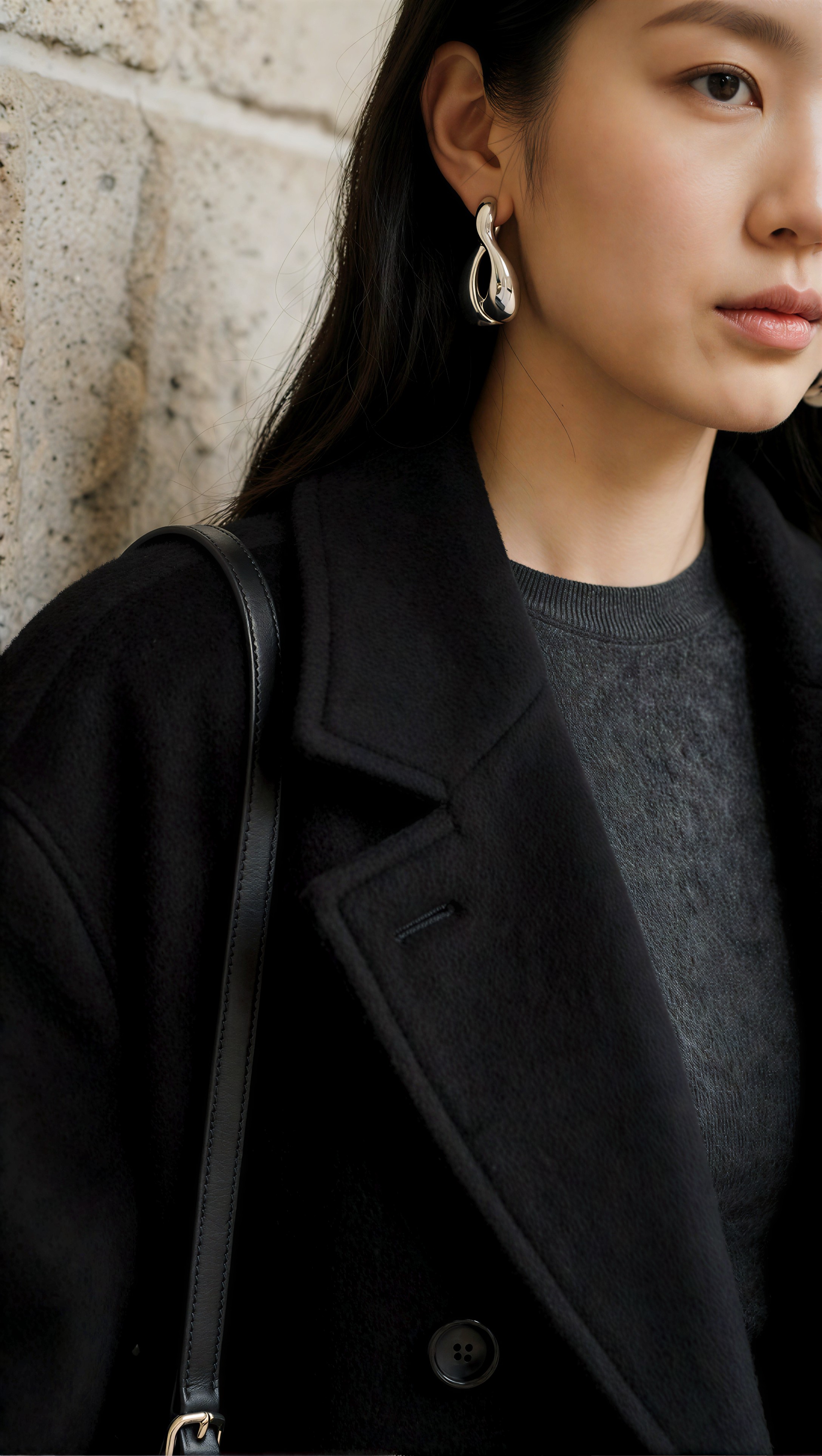
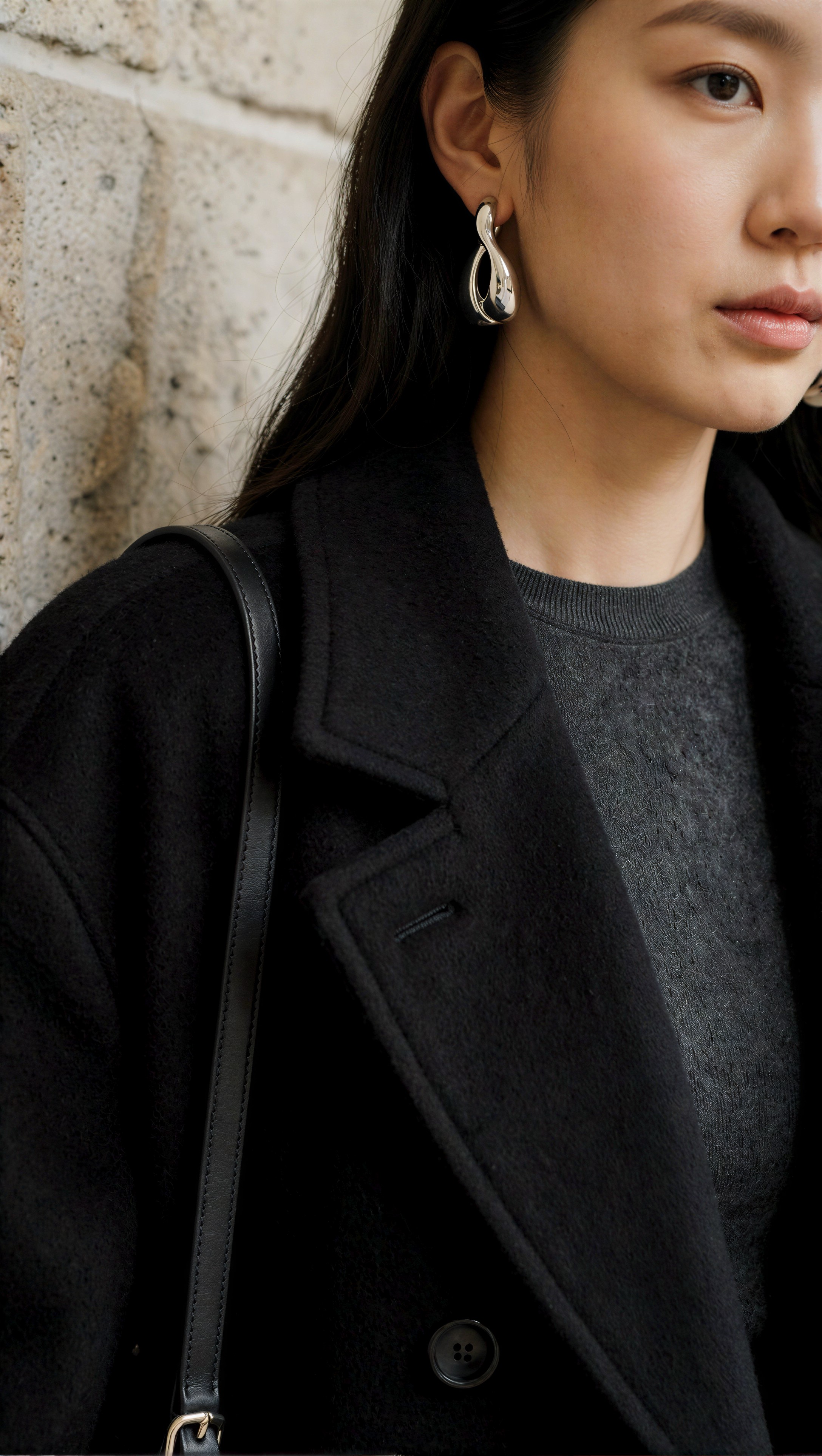
Inspect the temple hair, earring contour, and coat fiber texture. 7B often wins this crop, but it can also sharpen loose strands into slightly wiry lines if the source edge is weak.
Benefit: cleaner fabric edges on structured outfits
On collars, lapels, and seam lines, 7B generally gave a cleaner read. This mattered most in fashion-led portraits where clothing texture and garment construction are part of the final image value.
Risk: edge halos and pseudo-text on tiny marks
The weak point was not broad edge instability. It was micro-edge enthusiasm. Small marks near labels, embroidered lines, or print details could drift into fake lettering faster than in 3B.
Mitigation note
Do not approve 7B from the full frame alone if the image includes tiny typography, badge shapes, or stitch patterns. Check a crop at delivery size.
This test was built around structured clothing and small trim details that commonly deform during 2x upscaling.
Topic: Korean portrait with varsity-inspired layered styling and logo-like trim detail
Genre: Street Style Editorial
Camera: Sony A1
Lens: 35mm f/1.8
Lighting: Soft daylight under shaded storefront awning
Location: Hongdae retail block with clean neutral facade
Style: Trend-led Seoul youth fashion editorial
Final Prompt: street-style full body portrait of a Korean model wearing a navy varsity-style jacket over a pale oxford shirt, pleated skirt, knee socks, polished loafers, compact crossbody bag, subtle stitched chest patch and striped trim, standing under a shaded Hongdae storefront awning, relaxed stance, outfit silhouette fully visible, clean facade background, realistic fabric grain and edge detail, Seoul youth editorial energy, Sony A1 look, 35mm f/1.8 documentary fashion framing
Comparison image 6
The same Krea2 source image is used for both outputs: SeedVR2 3B on the left and SeedVR2 7B on the right.
| Krea2 source | SeedVR2 3B output | SeedVR2 7B output | | --- | --- | --- | | !Krea2 source Test 6 · seed 817811526 | !SeedVR2 3B Test 6 · seed 817811526 | !SeedVR2 7B Test 6 · seed 817811526 |
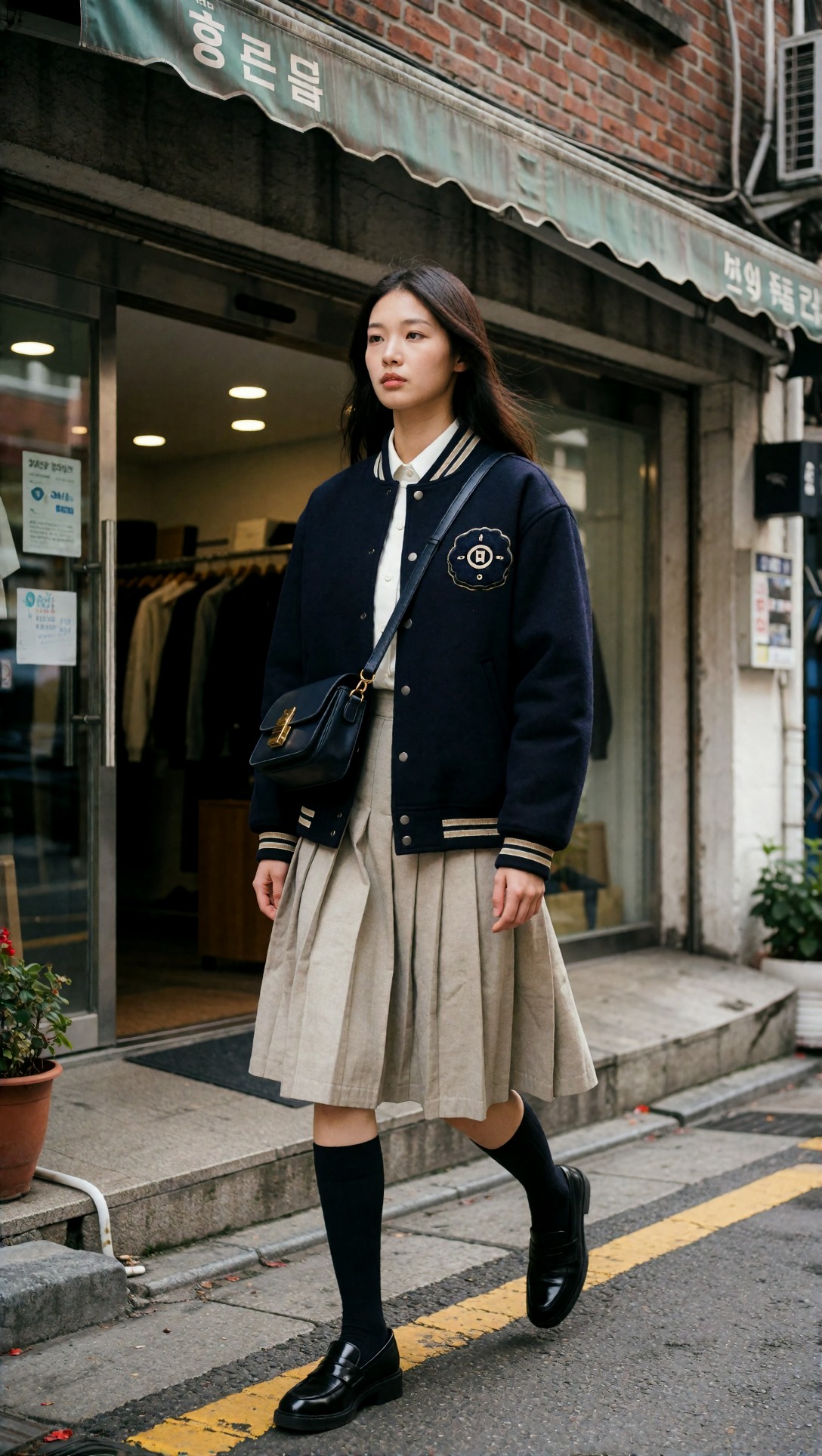
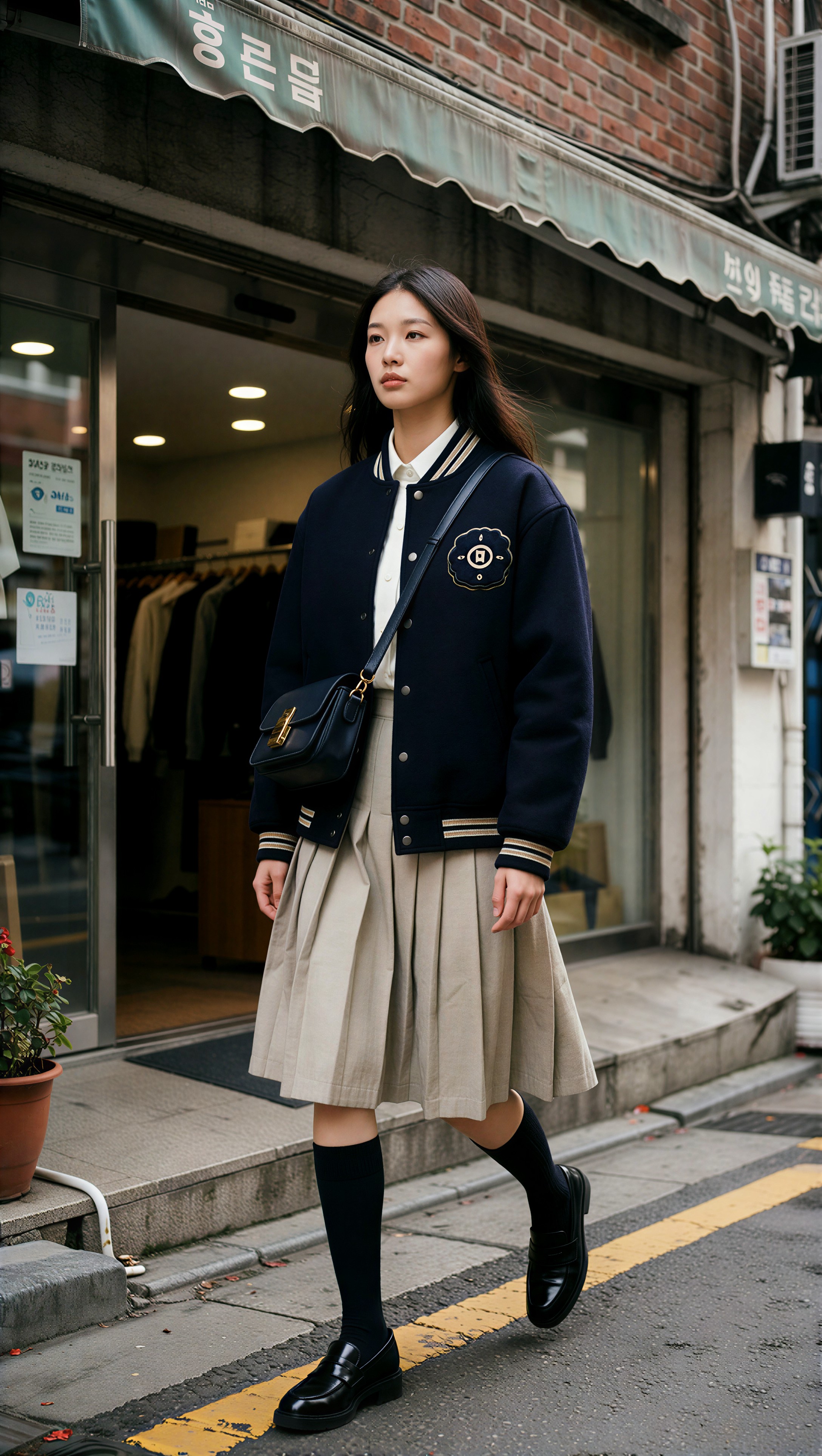
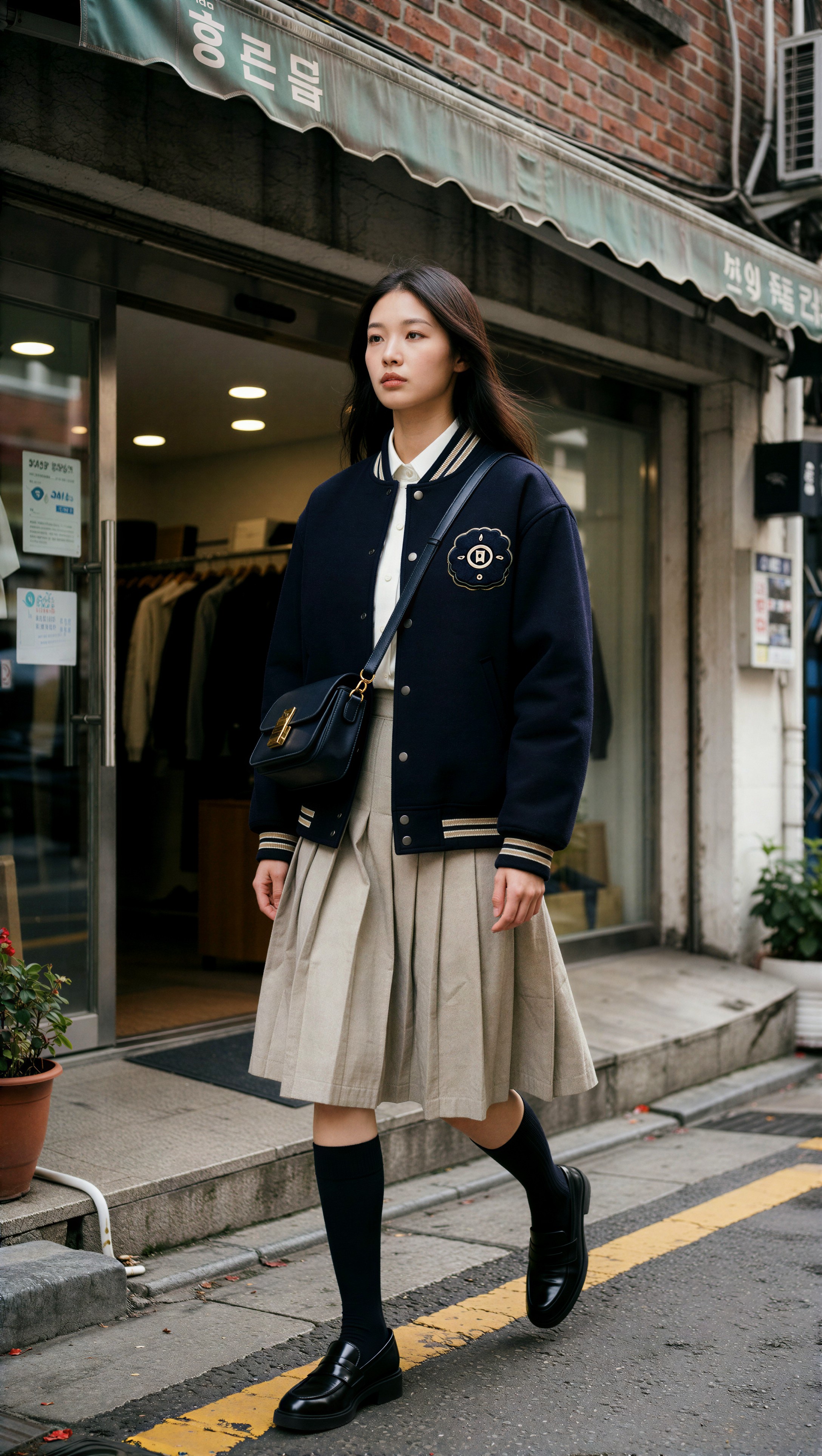
Inspect the striped trim, patch edges, and any tiny logo-like areas. 7B can make the jacket look better overall while still making those small symbols less trustworthy.
Benefit: better separation in layered hair and darker fabrics
When the portrait combined dark hair with dark clothing, 7B gave better local separation. This is where it often justified the extra compute.
Risk: stronger artifact visibility in borderline areas
If the source already had uncertainty near ears, lashes, or overlapping fabric folds, 7B sometimes made that uncertainty more visible rather than hiding it.
Mitigation note
Use 7B when you want to decide from the crop, not when you need a blind safe export at speed.
Eight source-image tests and what they showed
Below are the remaining test directions that helped confirm the pattern across slightly different fashion framing and material conditions.
This test was meant to check background cleanliness and edge stability around lighter fabrics.
Topic: Korean portrait with spring layering and pale cotton textures
Genre: Lookbook Campaign
Camera: Panasonic Lumix S1R
Lens: 50mm f/1.8
Lighting: Soft overcast daylight with white bounce
Location: Seoul rooftop terrace with plain sky wall
Style: Clean seasonal catalog portrait
Final Prompt: three-quarter outfit editorial portrait of a Korean model wearing a pale blue cotton shirt under a lightweight cream cardigan, wide ivory trousers, white sneakers, canvas tote, delicate layered necklace, standing on a Seoul rooftop terrace against a plain sky wall, calm pose, visible cotton weave and cardigan texture, airy spring palette, clean catalog styling, natural hair movement, Panasonic Lumix S1R look, 50mm f/1.8 clarity with soft daylight realism
Comparison image 7
The same Krea2 source image is used for both outputs: SeedVR2 3B on the left and SeedVR2 7B on the right.
| Krea2 source | SeedVR2 3B output | SeedVR2 7B output | | --- | --- | --- | | !Krea2 source Test 7 · seed 141592054 | !SeedVR2 3B Test 7 · seed 141592054 | !SeedVR2 7B Test 7 · seed 141592054 |
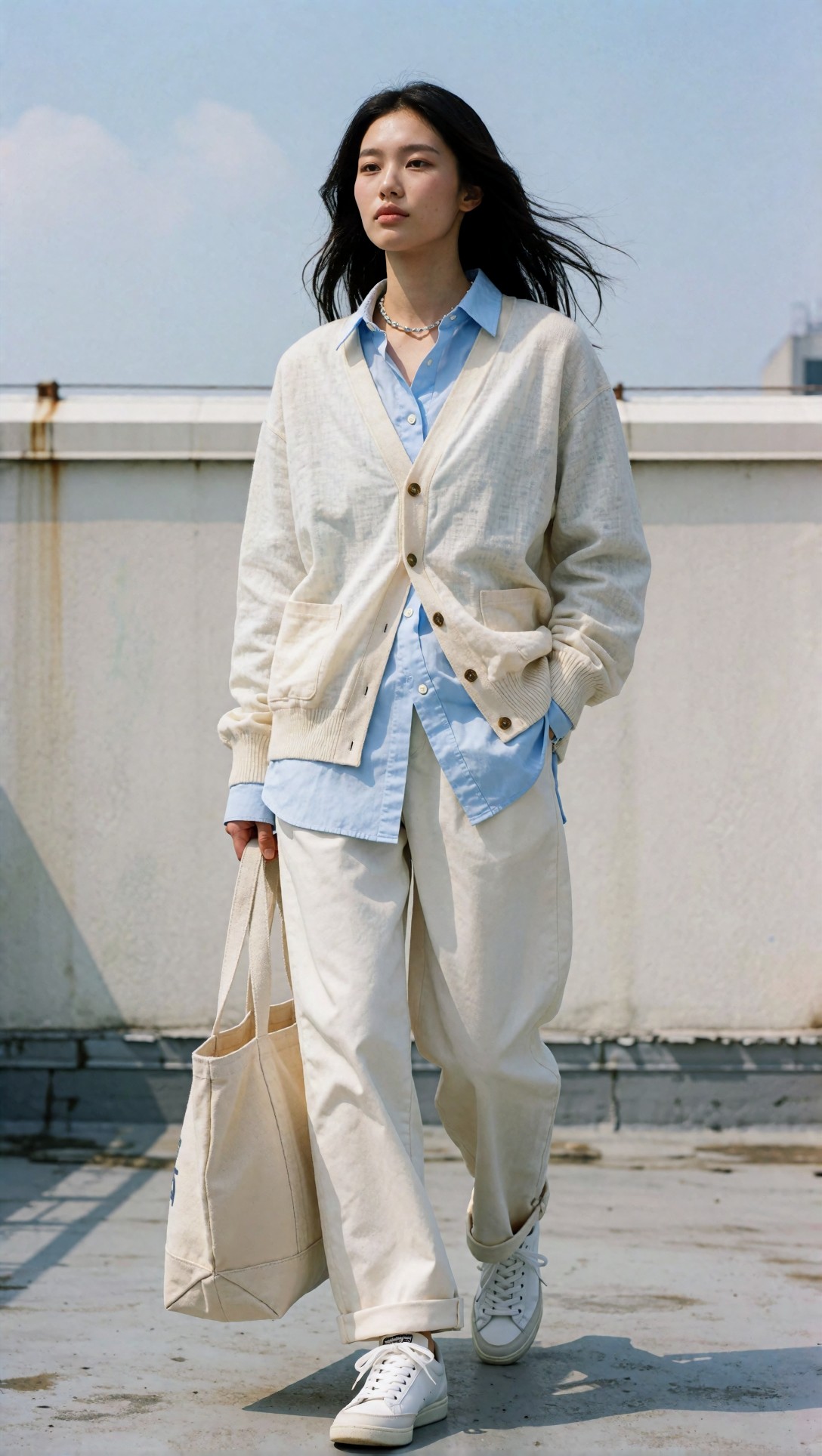
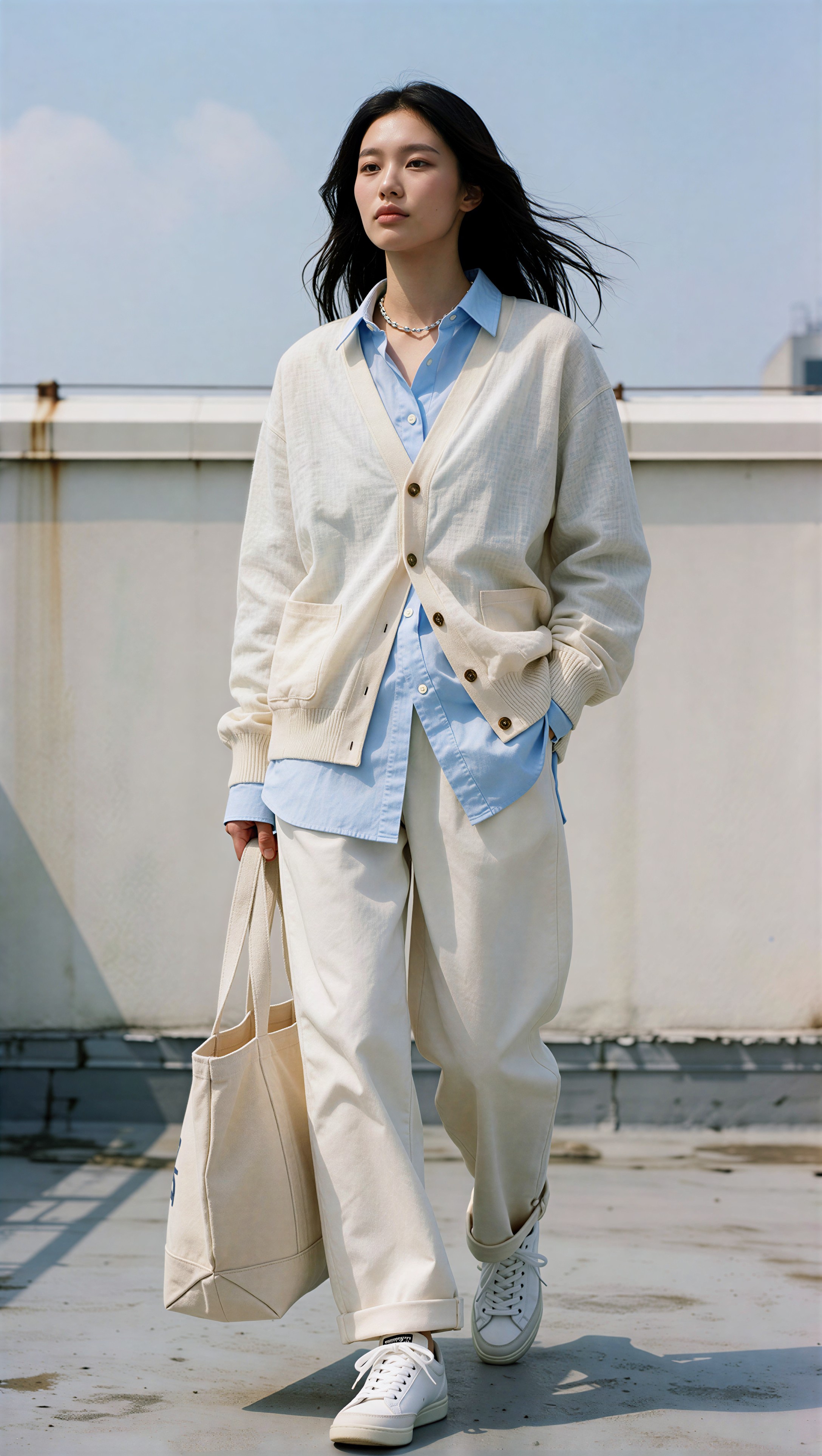
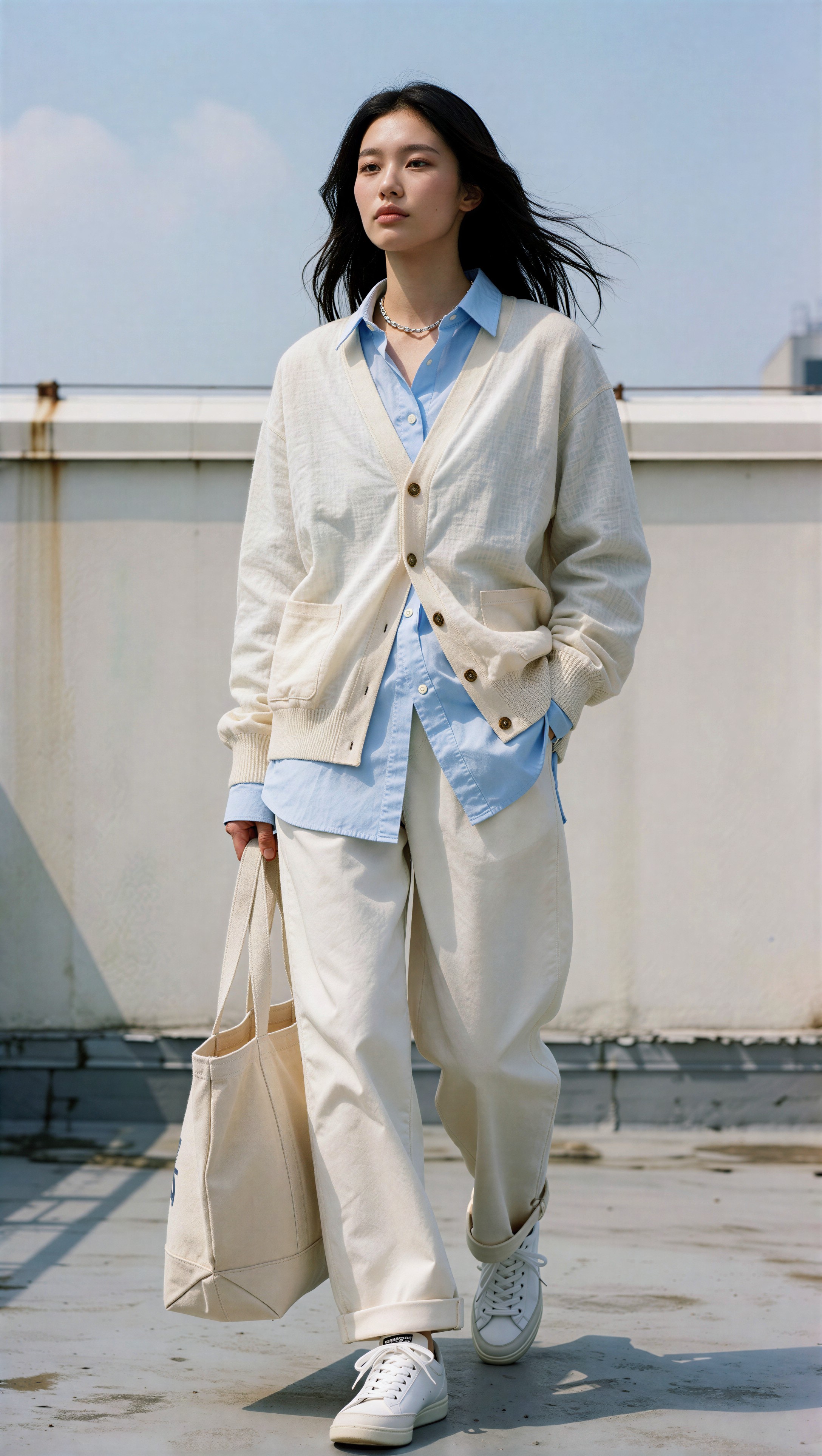
Inspect the cardigan texture against the simple wall and the shirt edge near the neck. This is a good crop for seeing whether 7B improves detail or simply adds more texture than the image needs.
This test stressed fine jewelry, lip edge cleanup, and collar transitions.
Topic: Korean portrait with satin blouse and jewelry detail
Genre: Beauty-Fashion Hybrid Editorial
Camera: Canon EOS R3
Lens: 85mm f/1.8
Lighting: Large octabox key with feathered side fill
Location: Soft beige studio set
Style: Korean magazine cover with fashion-first styling
Final Prompt: upper-body editorial portrait of a Korean model wearing a champagne satin blouse, slim gold earrings, fine chain necklace, tailored high-waist trousers partially visible, poised expression, soft beige studio set, feathered octabox light creating gentle fabric sheen, visible satin folds and clean collar lines, fashion-first Korean cover styling, refined makeup, realistic hairline, Canon EOS R3 look, 85mm f/1.8 polished magazine portrait
Comparison image 8
The same Krea2 source image is used for both outputs: SeedVR2 3B on the left and SeedVR2 7B on the right.
| Krea2 source | SeedVR2 3B output | SeedVR2 7B output | | --- | --- | --- | | !Krea2 source Test 8 · seed 234933434 | !SeedVR2 3B Test 8 · seed 234933434 | !SeedVR2 7B Test 8 · seed 234933434 |
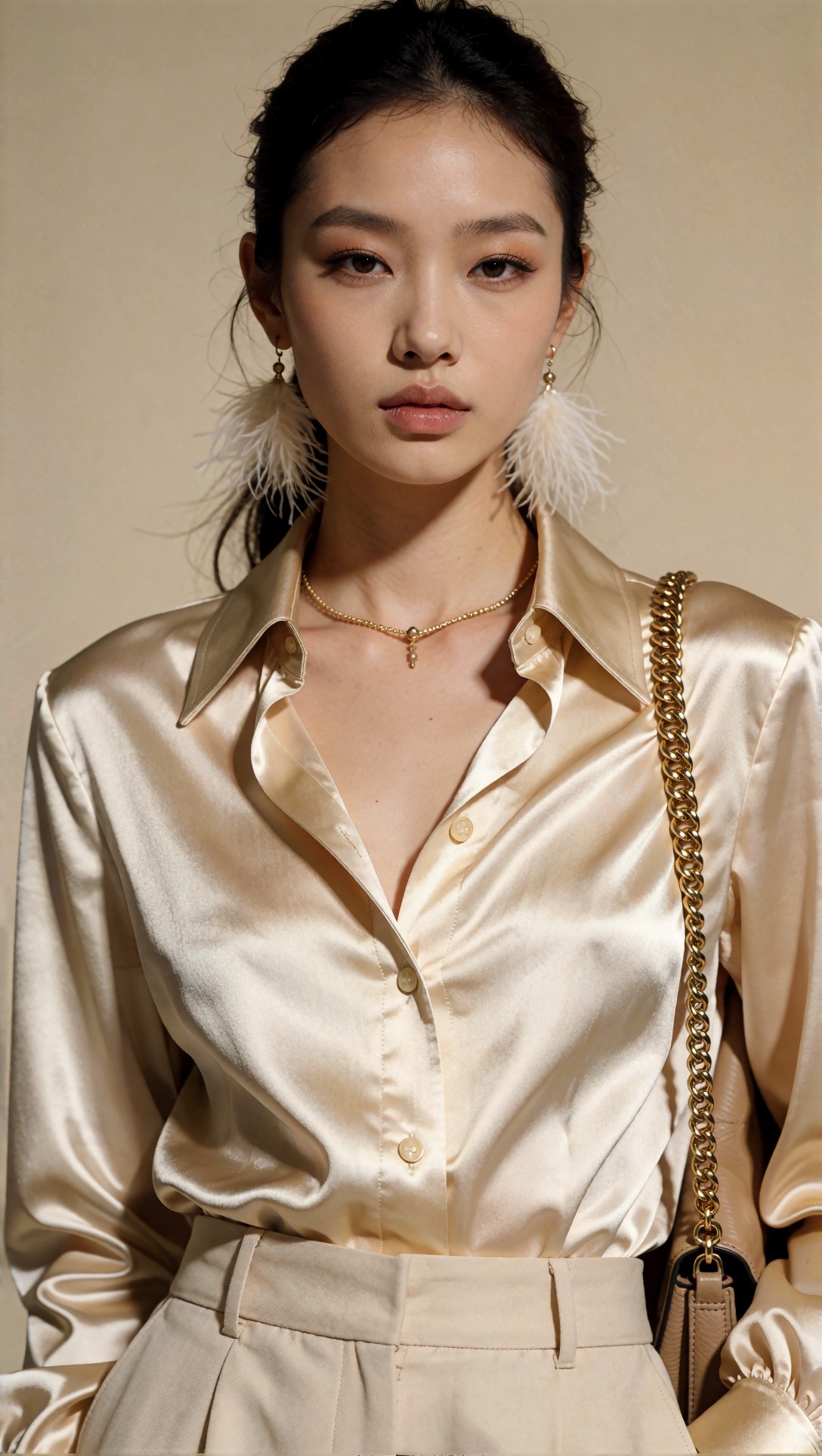
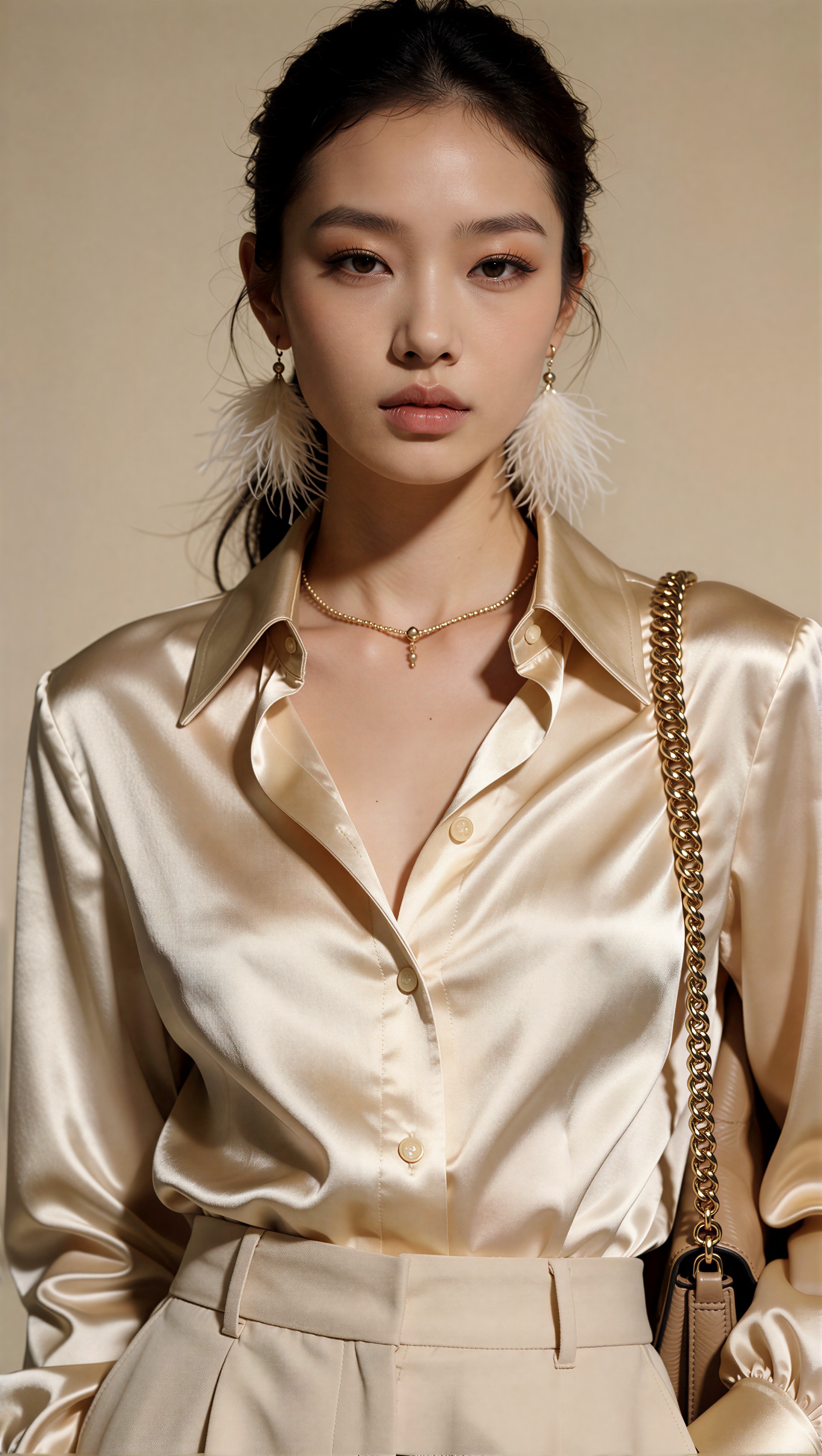
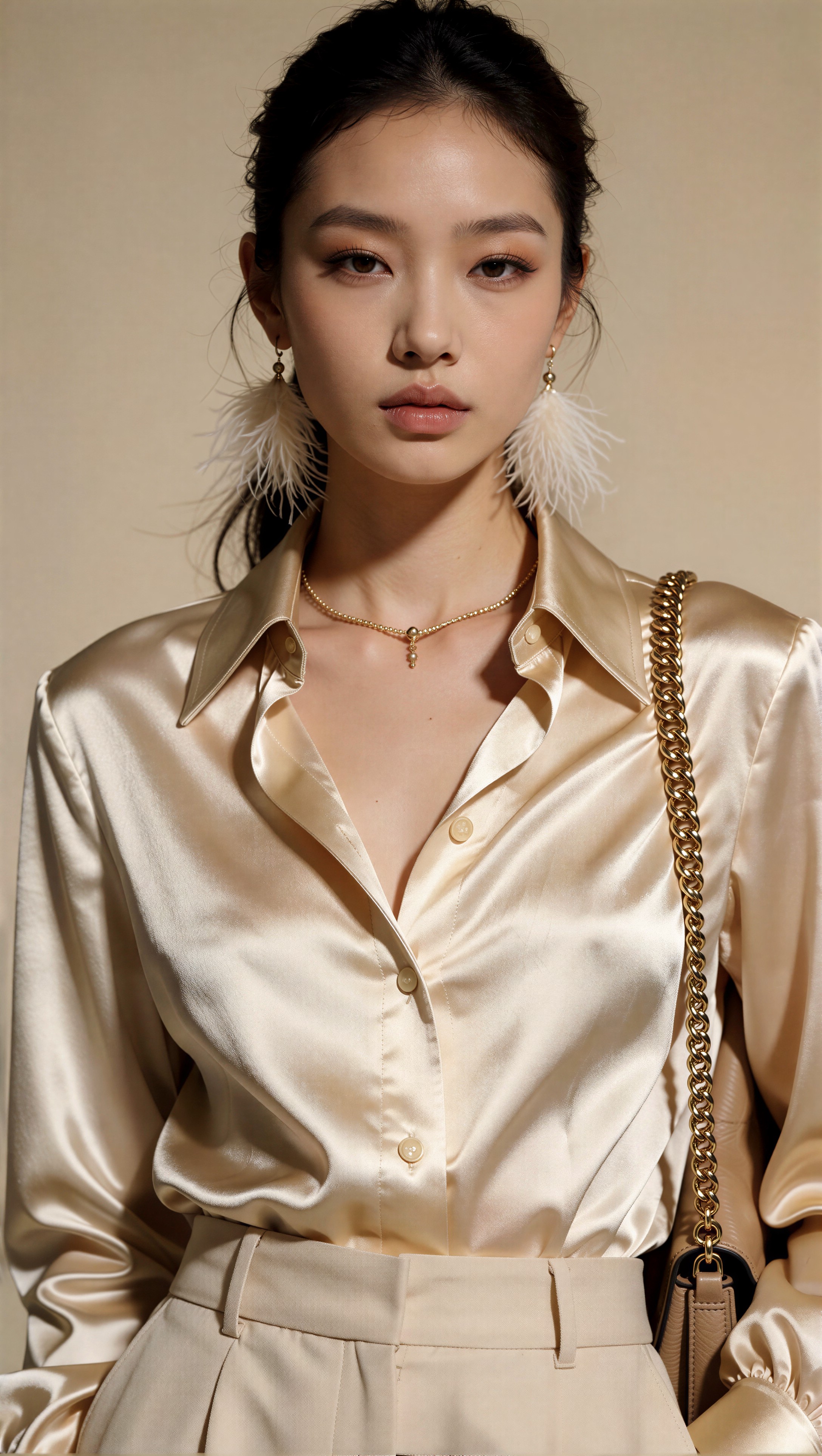
Inspect the satin fold transitions, necklace edges, and the lip contour. 3B usually stays safer on skin; 7B often wins on satin structure if it does not over-polish the face.
This test focused on darker wardrobe, edge compression, and flyaway hair on a low-contrast background.
Topic: Korean portrait with charcoal layering and minimalist city styling
Genre: Minimalist Fashion Editorial
Camera: Nikon D850
Lens: 58mm f/1.4
Lighting: Diffused window light with soft shadow retention
Location: Concrete cafe interior in Seongsu
Style: Scandinavian-leaning Seoul editorial
Final Prompt: three-quarter portrait of a Korean model in a charcoal overcoat layered over a black knit top and graphite trousers, clean leather ankle boots, slim structured bag, minimal silver ring, standing in a concrete cafe interior in Seongsu, soft diffused daylight, restrained pose, tonal styling, visible hair strands against low-contrast background, refined shadow detail, minimalist editorial composition, Nikon D850 look, 58mm f/1.4 with atmospheric realism
Inspect the boundary between dark hair and dark coat. This was one of the strongest places for 7B, but also a place where halos became easier to spot if the result went too far.
This test checked fabric texture plus tiny seam behavior in a cleaner retail-style frame.
Topic: Korean portrait with retail-ready summer tailoring
Genre: Catalog Fashion
Camera: Sony A7 IV
Lens: 40mm f/2.5
Lighting: Bright diffused storefront daylight
Location: Minimal retail entrance in Apgujeong
Style: Clean commercial summer catalog
Final Prompt: head-to-toe lookbook portrait of a Korean model wearing a light khaki short-sleeve blazer, white tank, tailored shorts, leather sandals, woven handbag, slim sunglasses, standing at a minimal retail entrance in Apgujeong, bright diffused daylight, full outfit visible, crisp seam lines and lightweight fabric texture, commercial summer catalog styling, clean neutral storefront background, Sony A7 IV look, 40mm f/2.5 modern retail framing
Inspect the blazer seams, woven bag texture, and sunglasses edge lines. 7B often recovered more texture here, but the bag weave could become too assertive if the source was already slightly fuzzy.
When to switch models or settings
Use SeedVR2 3B when
- you need a fast, lighter 2x portrait upscale baseline
- the source image is already clean and only needs modest enlargement
- face identity stability matters more than maximum micro-texture
- you are processing multiple gallery selects and need a reliable first pass
- the portrait has empty backgrounds that you do not want textured by accident
Use SeedVR2 7B when
- the final output will be inspected closely or printed larger
- hair separation and fabric realism matter to the image value
- the outfit contains tailoring, knits, or layered materials worth preserving
- you are willing to inspect crops before approval
- the source image is strong enough to support more aggressive detail recovery
What artifacts to check before final export
Use this quick QA checklist on both outputs side by side:
- skin: did pores become waxy or etched?
- hair: do loose strands look natural or like drawn wires?
- eyebrows/lashes: are they cleaner or just darker?
- fabric: does texture match the garment type, or look synthetic?
- collar and jawline: any halos or sharpened rims?
- text/logo-like details: are they preserved, smeared, or transformed?
- background: does clean negative space stay clean?
If you are comparing a batch, I would save both versions, then review in a horizontal table or split view rather than switching between single-image previews. For this kind of work, that is more useful than trusting memory from one screen to the next. You can organize outputs later in [gallery](/gallery) or compare workflow ideas through [articles](/articles).
Practical recommendation from this session
For most portrait delivery work, I would start with SeedVR2 3B. It is the safer default and wastes less time when the source image is already solid. In this test, 3B preserved the portrait mood and face well enough that many users would accept it immediately.
I would switch to SeedVR2 7B when the image earns it: visible knitwear, more complex hair, strong tailoring edges, or any final where close viewers will notice fabric and strand quality. But I would not send 7B straight to final without checking crops. Its best outputs were better than 3B. Its misses were also easier to notice once zoomed in.
FAQ
Is SeedVR2 3B or 7B better for portrait upscaling?
For general 2x portrait upscaling, 3B is the better baseline. For maximum detail recovery, 7B is usually better, but only if you inspect close crops for artifacts.
Does SeedVR2 7B always look sharper than 3B?
Usually yes, but sharper is not always better. In this test, 7B often recovered more texture while also increasing the risk of over-described hair strands, pseudo-text, or tiny edge artifacts.
Which model is safer for skin realism?
3B was safer in this session because it stayed more conservative. 7B could improve micro-detail, but it also had a higher chance of making facial texture feel processed.
Should I compare the results side by side?
Yes. Use the same original image and inspect the 3B and 7B outputs side by side after upscaling. Keep the comparison horizontal, with 3B on the left and 7B on the right, so small changes are easier to catch.
What matters most in a 2x upscale test like this?
The biggest checks are skin realism, hair separation, fabric texture, edge stability, and whether small text or logo-like details deform during upscaling.
Closing advice
This SeedVR2 3B vs SeedVR2 7B test came out exactly the way practical upscaler comparisons usually do: there is no universal winner, only a better fit for the source and the delivery standard.
Use 3B if you want a faster, lighter, safer portrait upscale that keeps identity stable and avoids unnecessary texture invention.
Use 7B if the image has enough real structure to reward extra recovery, especially in hair, tailoring, and fabric. Just do the unglamorous QA step and inspect close crops before approval.
If I had to reduce the entire session to one rule, it would be this: compare the same original image side by side after 3B and 7B upscaling, then choose based on skin realism, hair separation, fabric texture, and artifact risk in the final gallery image.
Why the same source image matters
An upscaler comparison only makes sense when the source image stays fixed. Each test uses the same Krea2 Turbo source render for both SeedVR2 3B and SeedVR2 7B, then compares the outputs side by side. That makes differences in hair edges, skin texture, fabric detail, and background stability easier to judge.
Comparison method
Each row starts from one source image. The left result is SeedVR2 3B and the right result is SeedVR2 7B. The goal is not only to see which image looks sharper, but also which one preserves the original character, skin texture, fabric detail, and fine edges more reliably.
Shared SeedVR2 source-image test condition
Use this same source-image/test condition for both SeedVR2 3B and SeedVR2 7B before comparing the output.
Use the same uploaded Krea2 Turbo source image for both tests: a soft daylight Korean portrait with natural skin, detailed fabric texture, clean background, soft studio-style lighting, and visible hair strands at 1024px input. Apply the same 2x upscale setting in both SeedVR2 3B and SeedVR2 7B, then compare visible changes in skin texture, hair detail, fabric clarity, edge stability, text or logo handling, and artifact risk.