SeedVR2 side-by-side image comparison
Each prompt example is followed by one matched row: the Krea2 source, the SeedVR2 3B result, and the SeedVR2 7B result. The comparison images are placed throughout the article rather than collected in one block.
This SeedVR2 3B vs SeedVR2 7B test is a side-by-side 2x portrait upscaling comparison using the exact same 1024px Krea2 Turbo source image in every run. The short version: 3B is the faster preview-safe option when you need throughput and acceptable texture recovery, while 7B is the version that more consistently produces cleaner hair separation, steadier fabric detail, and fewer small edge mistakes in final-gallery portrait work.
If you are deciding which version to use in the [upscaler](/upscaler), the main thing to know is that both can improve a soft studio portrait, but they do not fail in the same way. In this test, the gap showed up most clearly in eyelashes, flyaway hair, knit texture, collar edges, and tiny logo-like details near clothing seams.
Quick answer
- Use SeedVR2 3B when you want faster 2x portrait upscaling, lower retry cost, and quick pass/fail inspection.
- Use SeedVR2 7B when final delivery quality matters more than speed or resource use.
- Inspect both versions side by side from the same original image, with 3B on the left and 7B on the right.
- The biggest visible differences in this test were hair strand separation, skin microtexture control, and edge stability on clothing.
- Check both outputs at full size and in crops of the face, hairline, fabric weave, and clean background edges before saving to your [gallery](/gallery).
What was tested
This was a controlled portrait upscale test, not a broad model overview.
Test setup
- Source image: one uploaded 1024px portrait generated with Krea2 Turbo
- Source scene: soft studio lighting portrait, natural skin, detailed fabric texture, visible hair strands, clean background
- Upscale factor: 2x in both versions
- Comparison method: same source image, same upscale setting, then side-by-side review at full size and in cropped close-ups
- Review points: skin texture, hair detail, fabric fidelity, edge stability, text or logo distortion risk, artifacts, overall realism
- Test count: 8 source-image tests with matched SeedVR2 3B and SeedVR2 7B outputs
The source image was intentionally useful for portrait upscaling because it had enough subtle detail to expose model behavior without hiding errors behind heavy blur or dramatic lighting.
Best result first: where SeedVR2 7B pulled ahead
The strongest result in this comparison came from the 7B version on a soft editorial portrait with layered fabric around the neckline and loose hair crossing the cheek. SeedVR2 7B recovered more believable fine detail without pushing the face into the waxy-overprocessed look that weaker upscales sometimes create.
The visible advantage was not just “more detail.” It was better detail placement. Hair strands stayed attached to the hair mass instead of turning into random sharp lines. Skin pores and cheek texture stayed soft enough for studio beauty work. The knit collar read as fabric instead of a sharpened noise field.
By contrast, 3B often got close enough at normal viewing size, but once cropped in, it was more likely to:
- fuse fine hair into thicker clumps
- sharpen pores unevenly
- invent brittle thread detail on fabric edges
- flatten tiny transitions around eyelids and lashes
That is why 7B was the better final-gallery result in this test. It did not just resolve more information; it made fewer distracting guesses.
Horizontal comparison layout to use
When you compare your own results, keep them horizontal.
| SeedVR2 3B (left) | SeedVR2 7B (right) | |---|---| | Compare the 3B result first for speed-safe texture recovery and obvious artifact checks. | Compare the 7B result next for cleaner fine detail, more stable edges, and stronger publish-ready quality. |
Do not stack the outputs vertically. In portrait upscaling, vertical stacking makes it harder to judge small changes in hairline continuity, eye detail, and garment edge stability.
The comparison table that mattered most
| Checkpoint | SeedVR2 3B | SeedVR2 7B | |---|---|---| | Skin texture | Usually natural at first glance, but can turn slightly flat or uneven in microtexture crops | Better preserved tonal transitions and cleaner microdetail without as much brittle sharpening | | Hair detail | Good broad shape retention, weaker flyaway strand separation | Better strand definition and cleaner separation near cheeks and shoulders | | Fabric fidelity | Acceptable on simple cloth, less reliable on knit, ribbing, or layered collars | More consistent weave/rib recovery and fewer fake thread artifacts | | Edge stability | Fine at normal size, but more prone to haloing on jawline and clothing seams | More stable borders and fewer obvious high-contrast edge mistakes | | Text/logo risk | Higher chance of distorting tiny marks into broken pseudo-text | Still risky on tiny text, but generally cleaner and less chaotic | | Artifact control | Easier to accept for batch previews, but occasional crunchy detail patches | Cleaner final output with fewer distracting invented details | | Speed / lighter use | Better | Heavier | | Best use case | Fast review pass, preview sampling, large portrait batches | Final selects, publish-ready exports, highest quality portrait finish |
SeedVR2 3B: the batch-throughput read
From an operations point of view, SeedVR2 3B behaved like the practical first-pass option. If the goal is to move through a batch of portrait upscales, identify obvious winners, and avoid spending too much on retries, 3B is the version I would inspect first.
In this test, 3B was often “good enough” at full-image viewing distance. It preserved face identity reasonably well, held the overall lighting mood, and improved apparent sharpness without completely remapping the portrait. That matters if you are triaging many outputs in [create](/create) or reviewing multiple image variations from the same shoot direction.
Where 3B earns its place is output usefulness. On simpler source frames with clean hair shape, moderate garment texture, and no tiny text elements, it reached a usable result quickly. For social crops, draft layouts, and preview approvals, that can be enough.
The weak point was failure recovery. When 3B missed, it tended to miss in predictable but visible ways: crunchy transitions at the hairline, too-hard sharpening on soft skin, and false confidence around textured clothing. The retry cost is lower than with a heavier option, but the operator still needs to inspect crops before assuming the upscale is done.
Final action for 3B: treat it as the first-pass portrait upscaler when speed and throughput matter, then promote only the best candidates to 7B if the image is headed for final presentation.
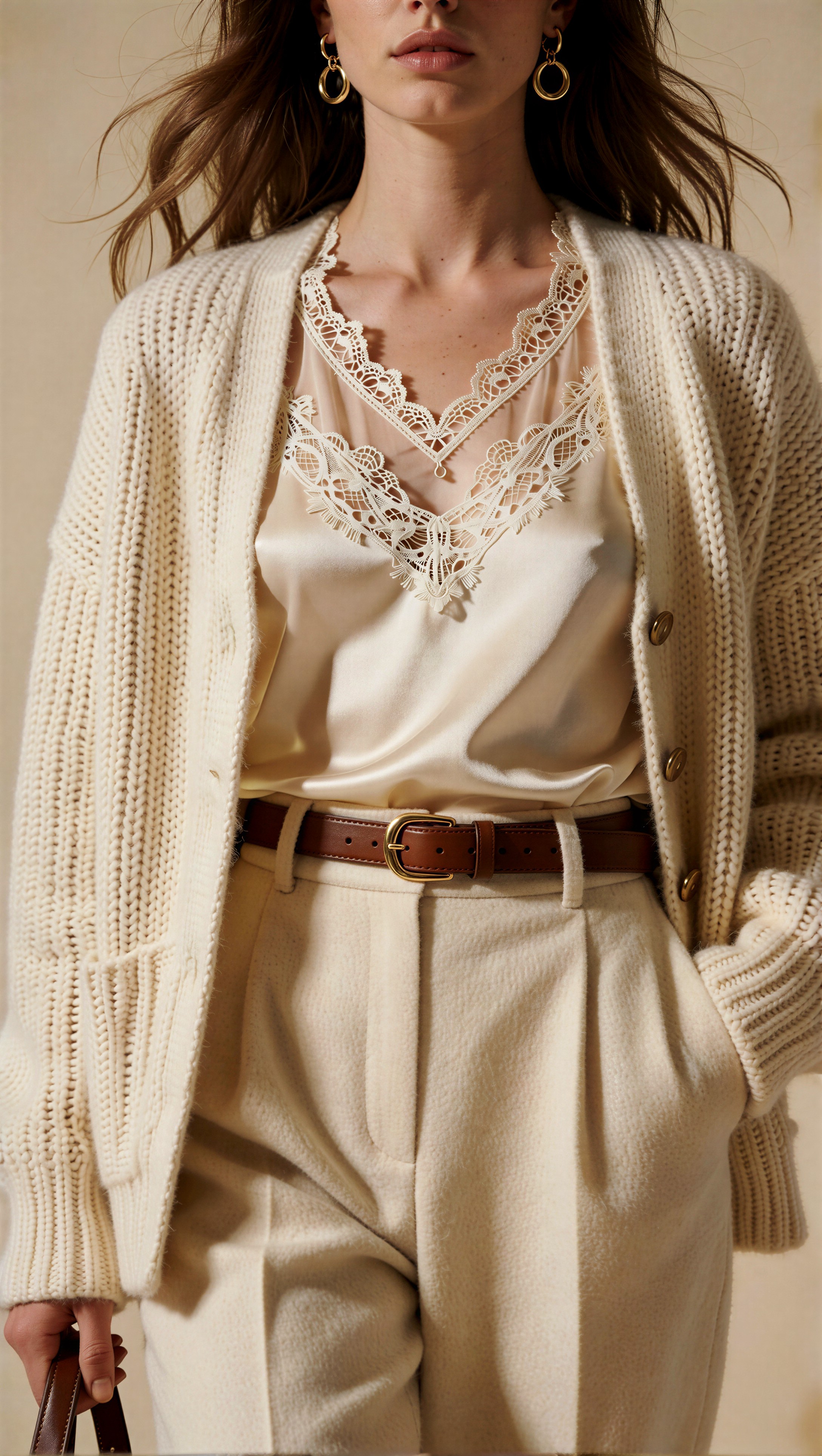
Test 1: street-style full body source adapted for portrait crop stability
This first prompt is built to check whether the source portrait keeps outfit logic and edge separation once cropped into a soft studio-feeling upscale test. The useful stress point here is layered clothing around the neckline plus visible hair against a simple background.
Topic: Soft studio fashion portrait with layered knit styling
Genre: Fashion Editorial
Camera: Sony A7R V
Lens: 50mm f/2
Lighting: Large softbox key light with subtle fill
Location: Minimal editorial studio with warm neutral backdrop
Style: Clean commercial look
Final Prompt: three-quarter outfit editorial portrait of a model wearing a layered cream knit cardigan over a silk camisole, tailored wool trousers, slim leather belt, delicate gold earrings, soft studio lighting, natural upright pose, visible hair strands around the face and shoulders, clean warm beige background, neutral palette, realistic textile texture, polished magazine framing, clear neckline layering, premium fashion editorial composition
Comparison image 1
The same Krea2 source image is used for both outputs: SeedVR2 3B on the left and SeedVR2 7B on the right.
| Krea2 source | SeedVR2 3B output | SeedVR2 7B output | | --- | --- | --- | | !Krea2 source Test 1 · seed 420208890 | !SeedVR2 3B Test 1 · seed 420208890 | !SeedVR2 7B Test 1 · seed 420208890 |
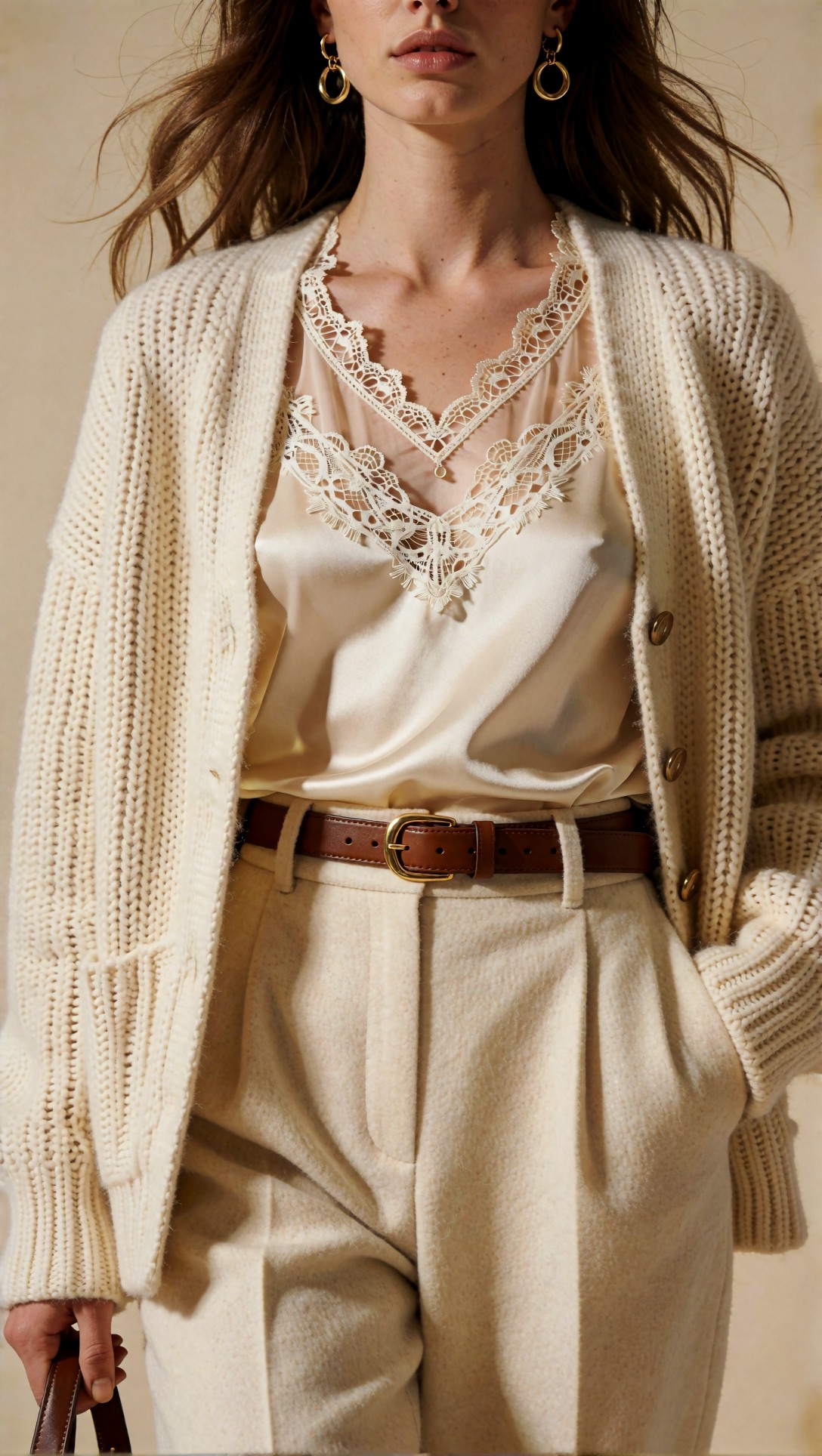
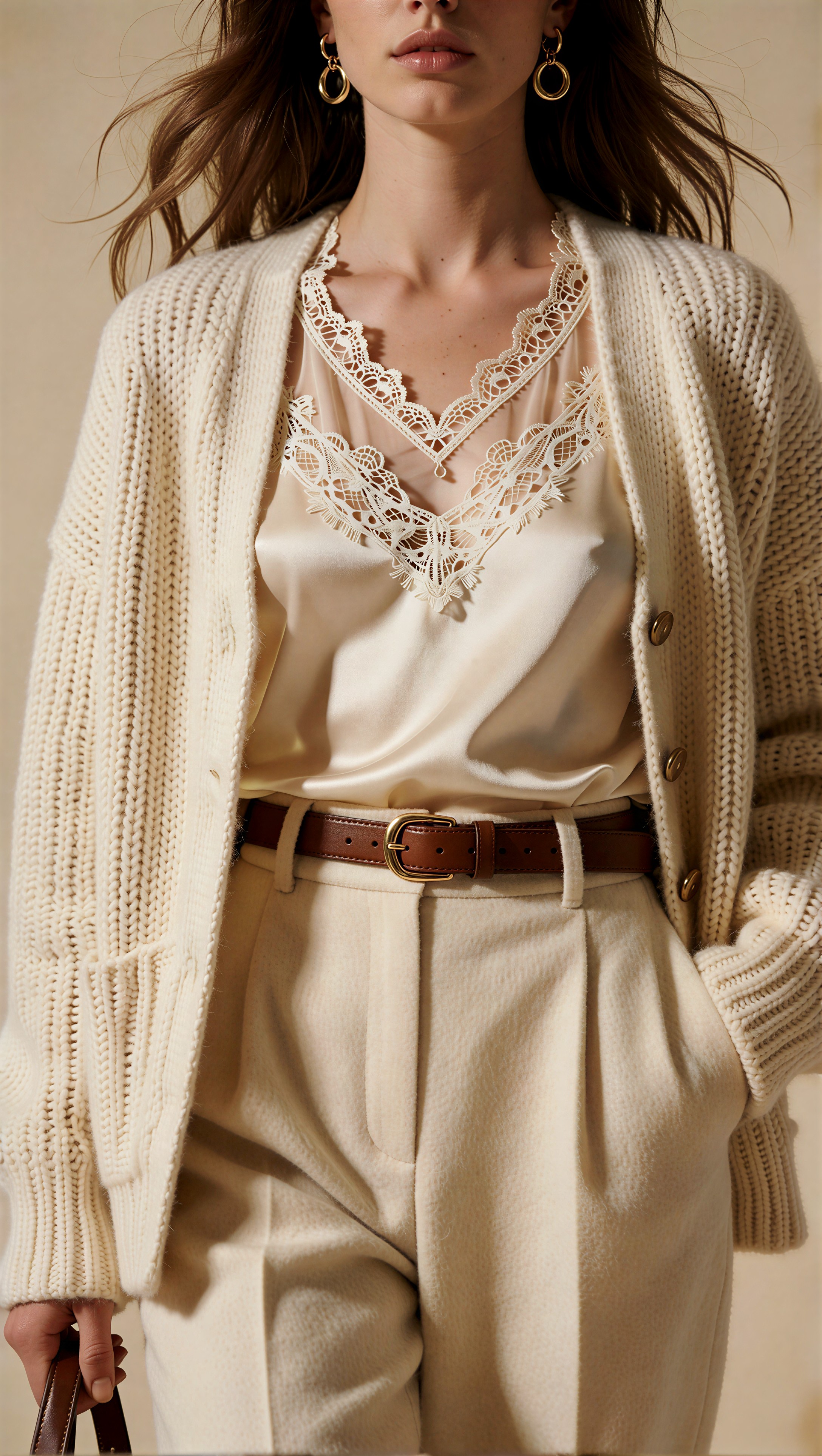
Inspect the upscaled result for the cardigan edge, hair crossing the shoulder, and whether skin remains soft instead of over-sharpened. On this kind of source, 3B usually looks fine at first glance, but its fabric edge decisions are easier to spot in a crop.
Test 2: head-to-toe lookbook source with small texture zones
This setup checks whether 3B can hold fine garment structure when the original image includes multiple fabrics that later become portrait-crop texture anchors.
Topic: Minimalist lookbook styling with ribbed knit and satin contrast
Genre: Lookbook Photography
Camera: Canon EOS R5
Lens: 35mm f/4
Lighting: Soft umbrella overhead with front fill
Location: Matte white studio cyclorama
Style: Scandinavian minimalist retail
Final Prompt: head-to-toe lookbook image of a model wearing a charcoal ribbed knit top, ivory satin midi skirt, cropped structured blazer, leather loafers, compact shoulder bag, simple silver jewelry, centered stance on white cyc, balanced retail lighting, full outfit clarity, crisp garment lines, visible rib knit texture, satin sheen control, quiet monochrome styling, clean catalog composition
Comparison image 2
The same Krea2 source image is used for both outputs: SeedVR2 3B on the left and SeedVR2 7B on the right.
| Krea2 source | SeedVR2 3B output | SeedVR2 7B output | | --- | --- | --- | | !Krea2 source Test 2 · seed 173977123 | !SeedVR2 3B Test 2 · seed 173977123 | !SeedVR2 7B Test 2 · seed 173977123 |
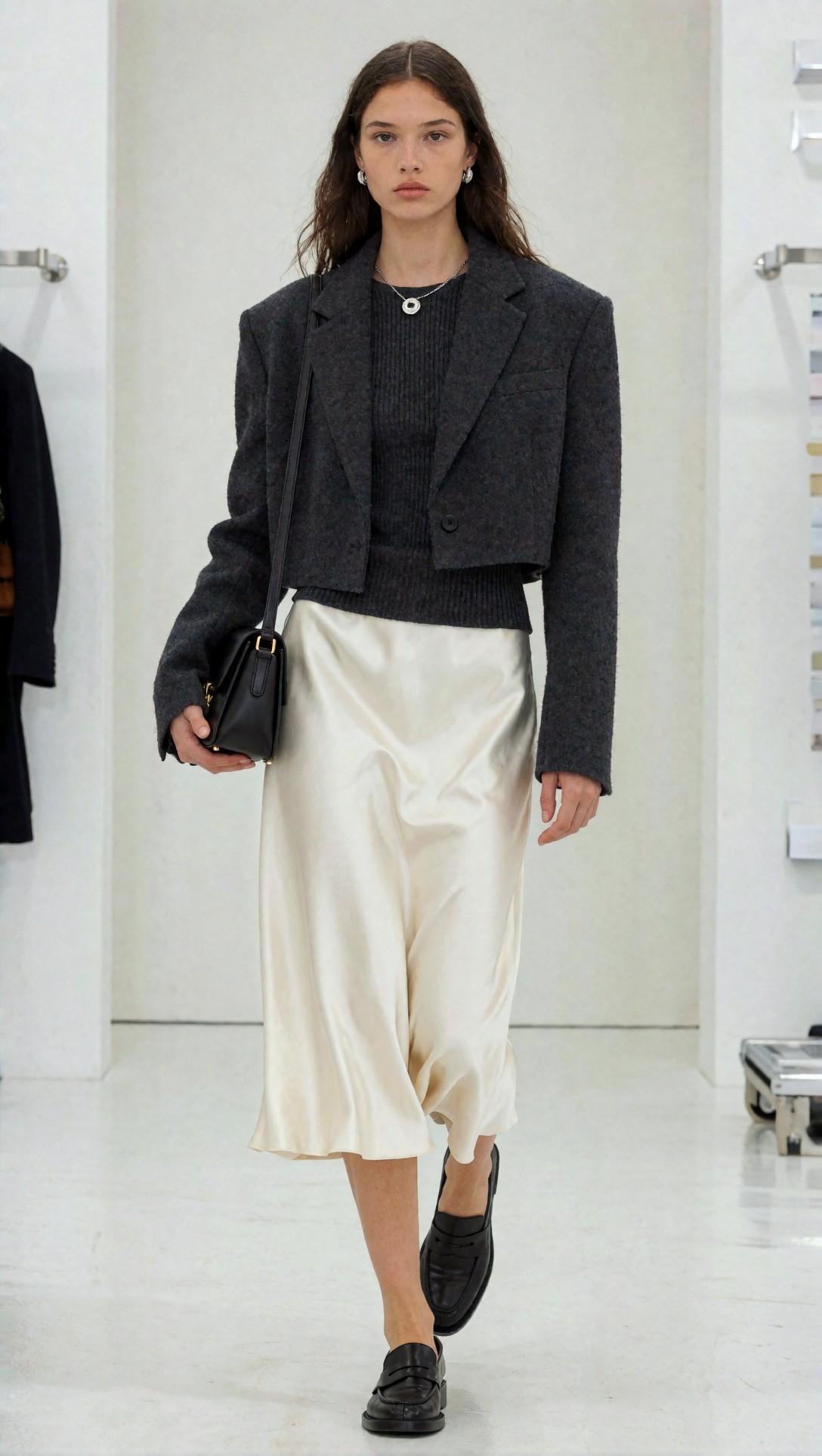
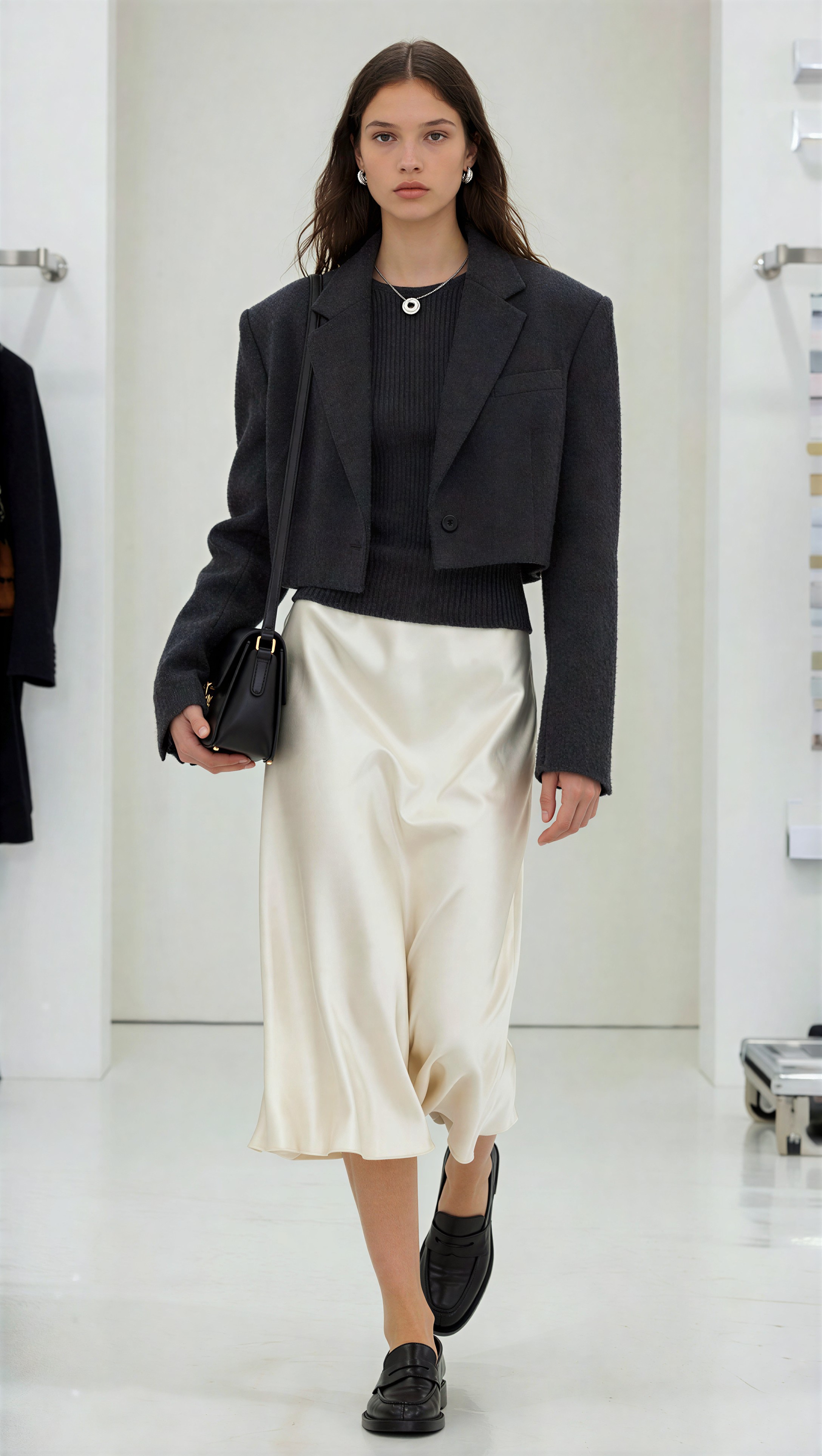
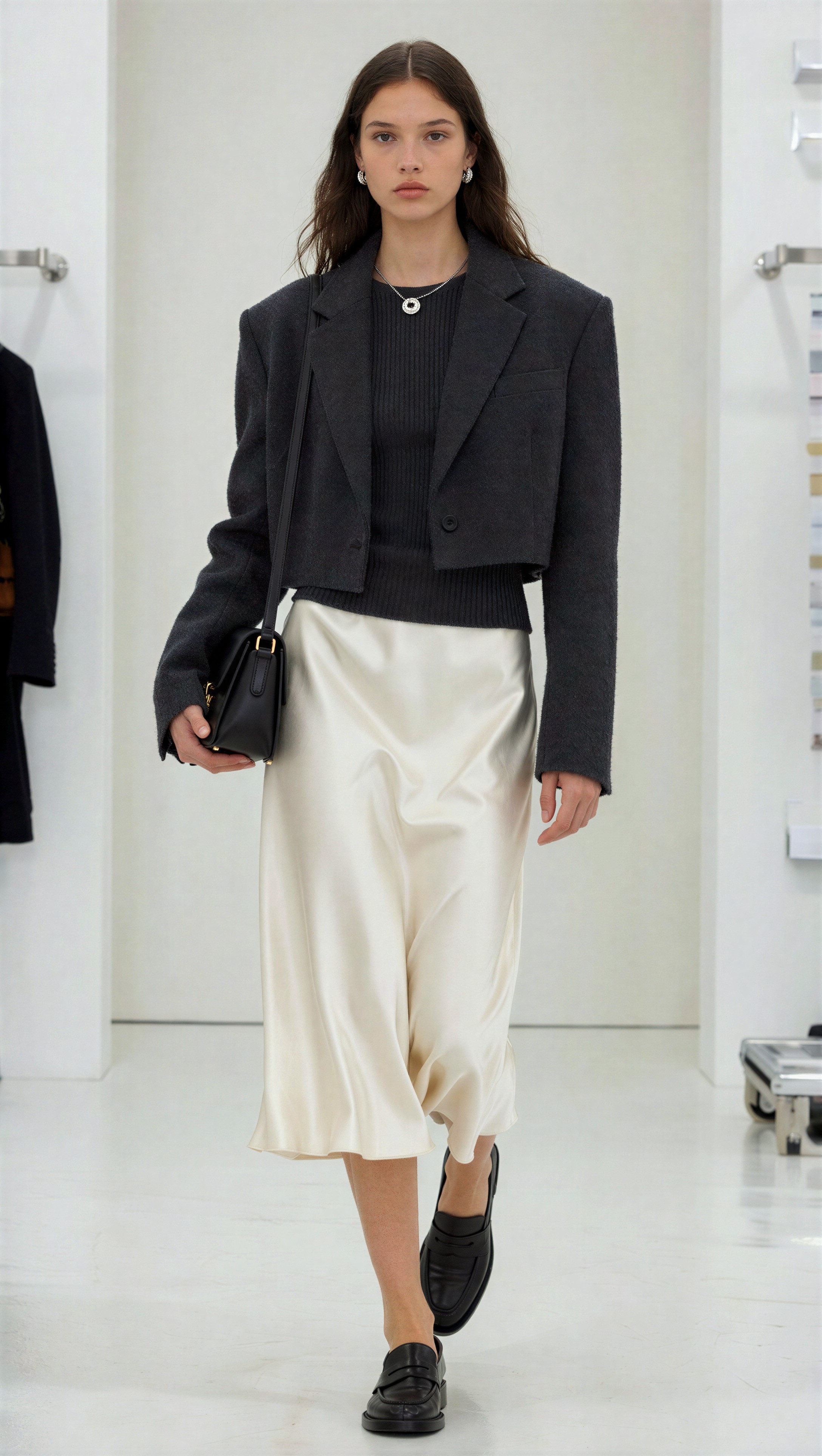
What to inspect after upscaling: ribbed knit should read as fabric structure, not serrated noise. If 3B starts adding brittle micro-lines or unstable seam detail, that is the signal to move the image to 7B.
Prompt examples beside the observed behavior
The eight prompts below are not alternative model settings. They are source-image test directions designed to expose where 3B and 7B differ after the same 2x upscale. The important method is always the same: generate the source image, upscale it once in 3B and once in 7B, then inspect the outputs horizontally.
Test 3: garment detail macro for edge realism
This one is useful because it concentrates tiny texture and seam transitions in one area. It makes fake sharpening easier to catch.
Topic: Garment detail macro of structured collar and fine stitching
Genre: Product Editorial
Camera: Nikon Z8
Lens: 85mm f/2.8 macro
Lighting: Studio strip light with soft fill bounce
Location: Neutral fashion studio set
Style: Luxury fashion campaign
Final Prompt: garment detail macro focused on a structured wool-blend collar with visible topstitching, layered silk lining peeking from beneath, brushed metal snap hardware, soft editorial studio light, precise fashion product framing, muted taupe and black palette, tactile fibers, refined luxury campaign finish, shallow depth but enough clarity across the collar edge and stitching lines
Comparison image 3
The same Krea2 source image is used for both outputs: SeedVR2 3B on the left and SeedVR2 7B on the right.
| Krea2 source | SeedVR2 3B output | SeedVR2 7B output | | --- | --- | --- | | !Krea2 source Test 3 · seed 528846027 | !SeedVR2 3B Test 3 · seed 528846027 | !SeedVR2 7B Test 3 · seed 528846027 |
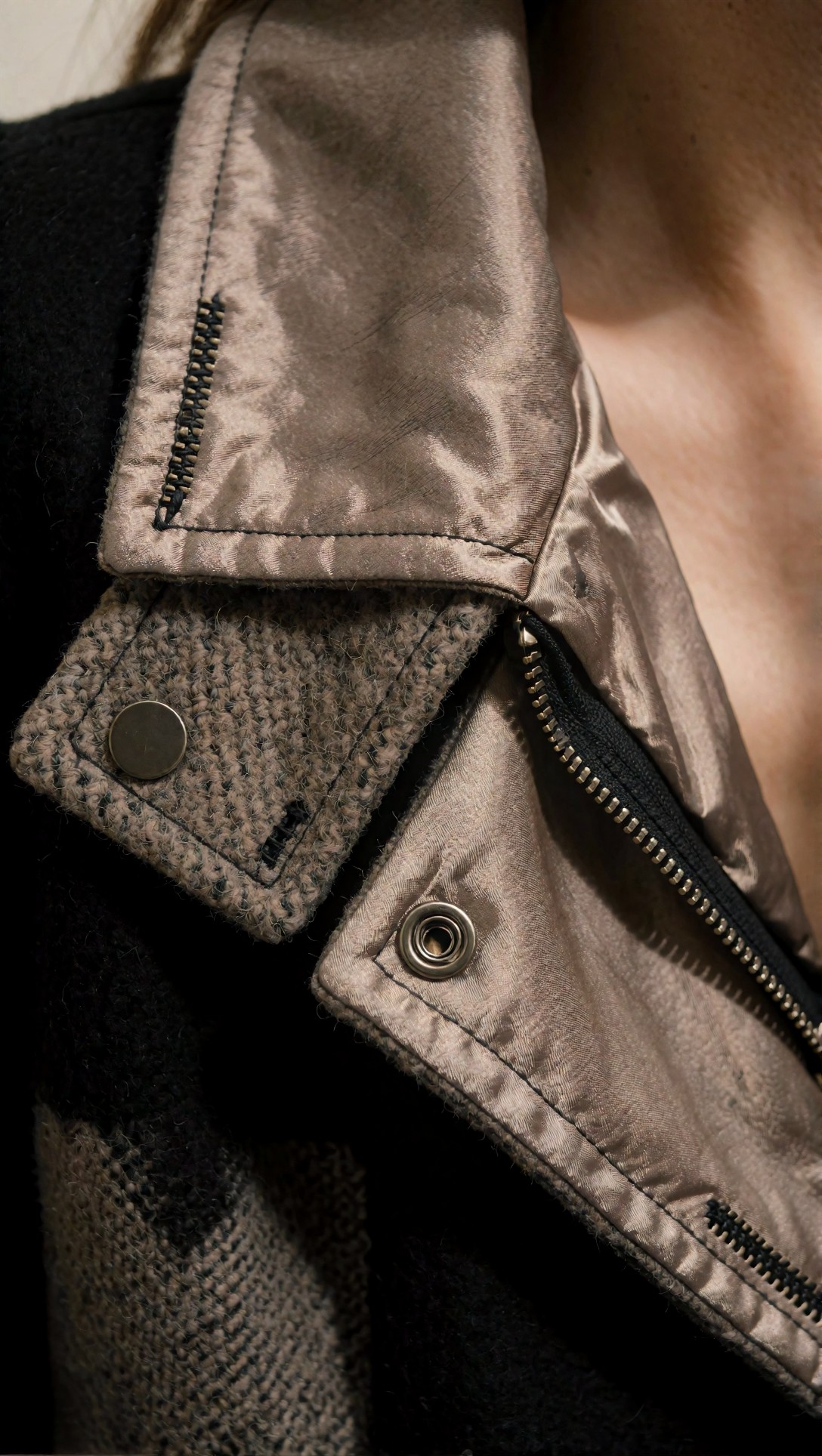
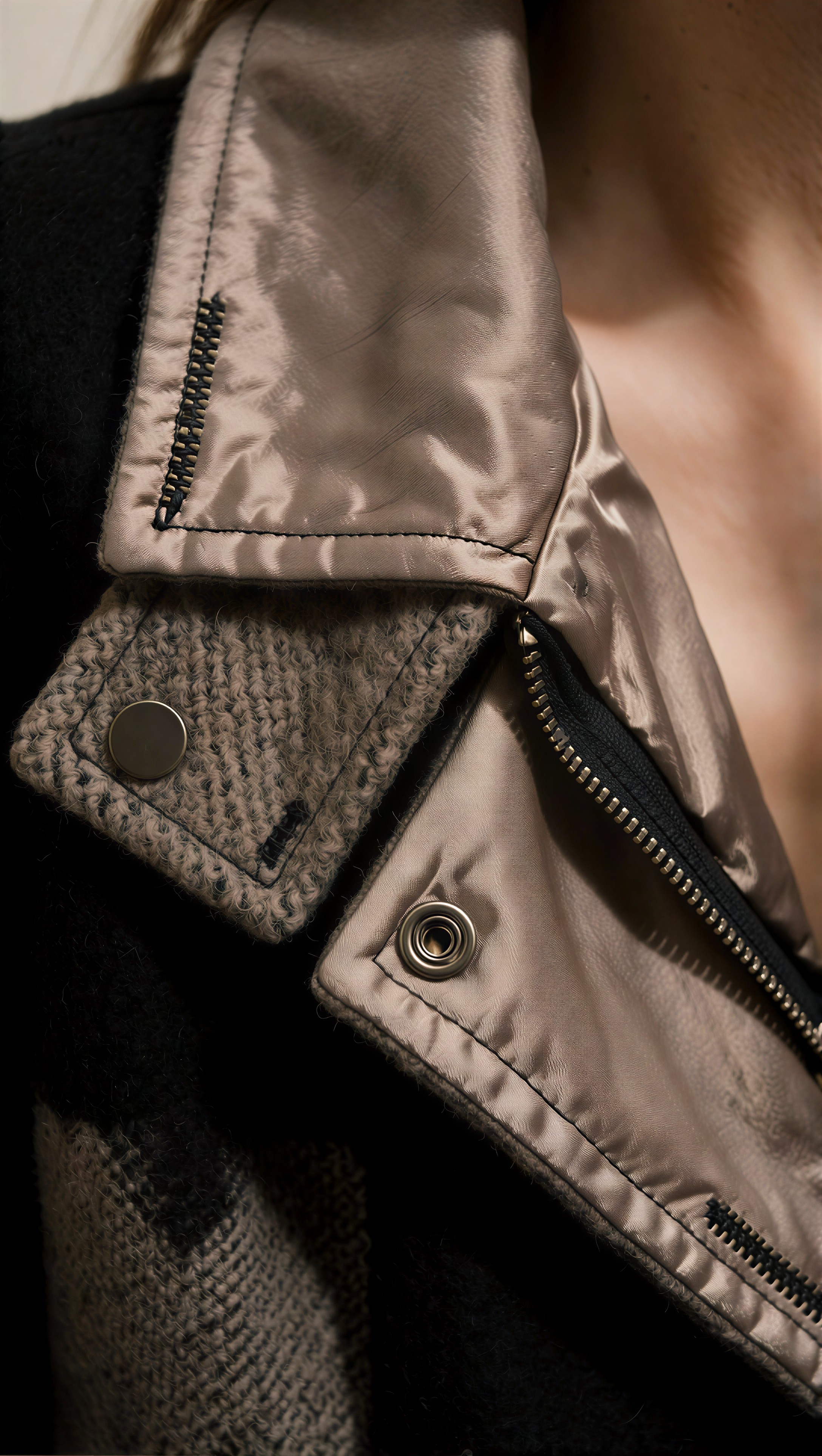
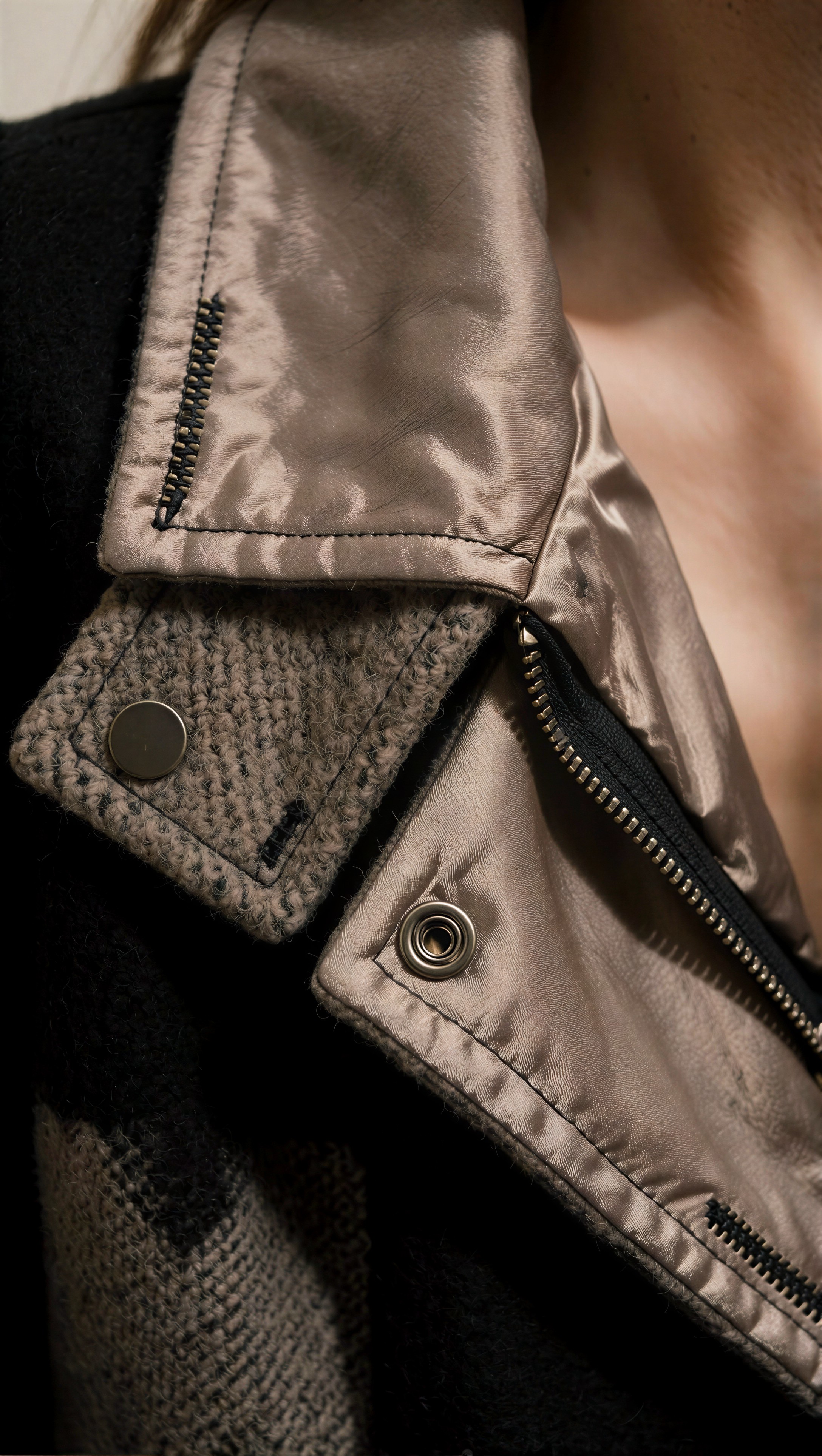
Inspect stitching continuity and the collar outline. In this test style, 7B usually keeps seams more believable, while 3B is more likely to turn delicate stitch rhythm into overassertive micro-contrast.
Test 4: accessories close-up with logo-like risk zones
This prompt is there to test one of the easiest upscale failure points: tiny marks that can mutate into fake text or broken brand-like symbols.
Topic: Accessories close-up with clasp, chain, and embossed detail
Genre: Luxury Accessories Editorial
Camera: Fujifilm GFX100 II
Lens: 80mm f/1.7
Lighting: Soft directional key with reflective bounce cards
Location: Stone-top studio product table
Style: High-end commercial accessories campaign
Final Prompt: accessories close-up featuring a structured leather shoulder bag, polished clasp hardware, fine chain strap, subtle embossed leather detail, cashmere sleeve entering frame, controlled luxury tabletop setup, warm stone surface, soft directional studio light, premium retail campaign styling, rich leather grain, clean reflections, elegant composition emphasizing material fidelity and hardware edges
Comparison image 4
The same Krea2 source image is used for both outputs: SeedVR2 3B on the left and SeedVR2 7B on the right.
| Krea2 source | SeedVR2 3B output | SeedVR2 7B output | | --- | --- | --- | | !Krea2 source Test 4 · seed 606825511 | !SeedVR2 3B Test 4 · seed 606825511 | !SeedVR2 7B Test 4 · seed 606825511 |
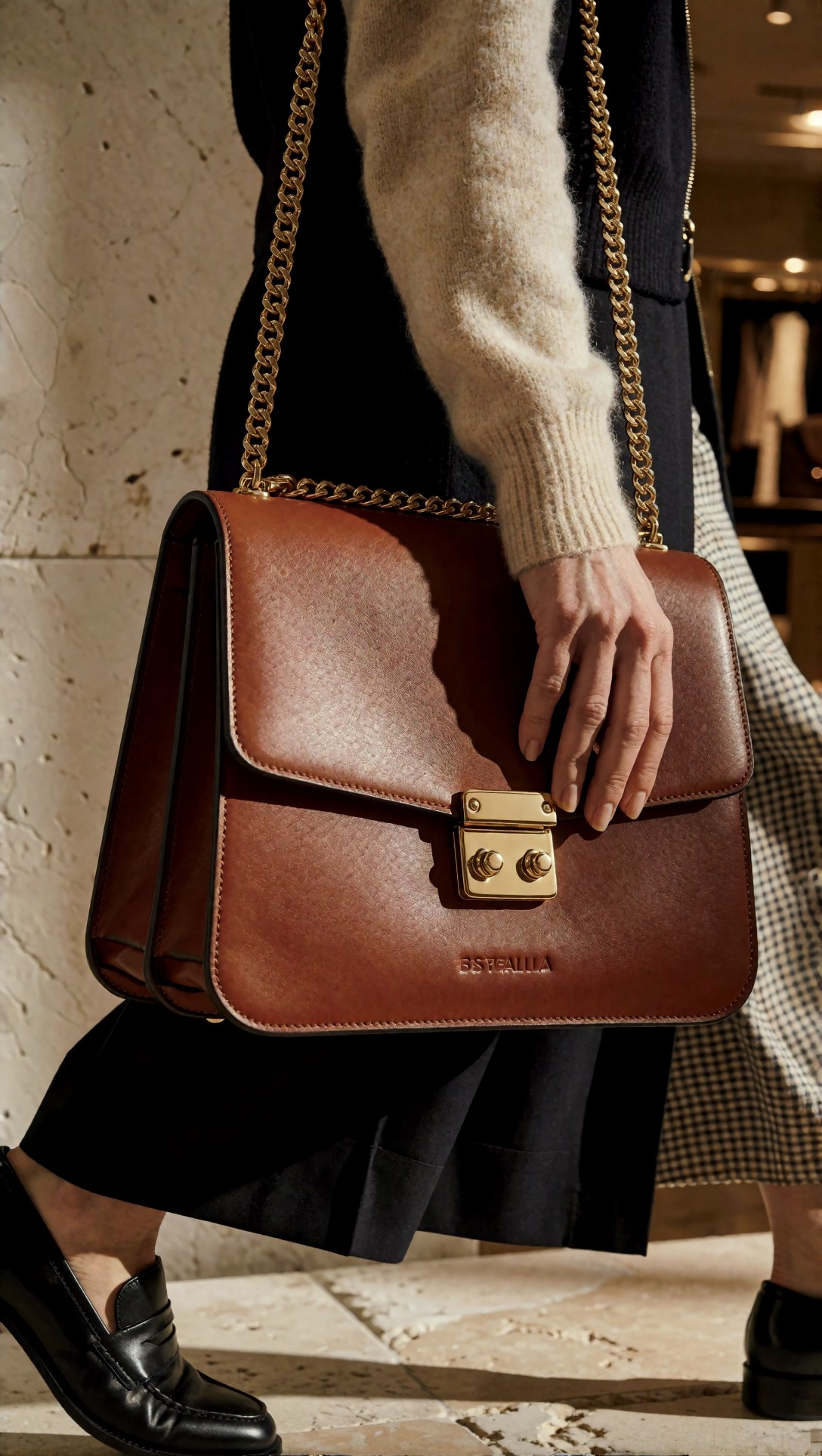
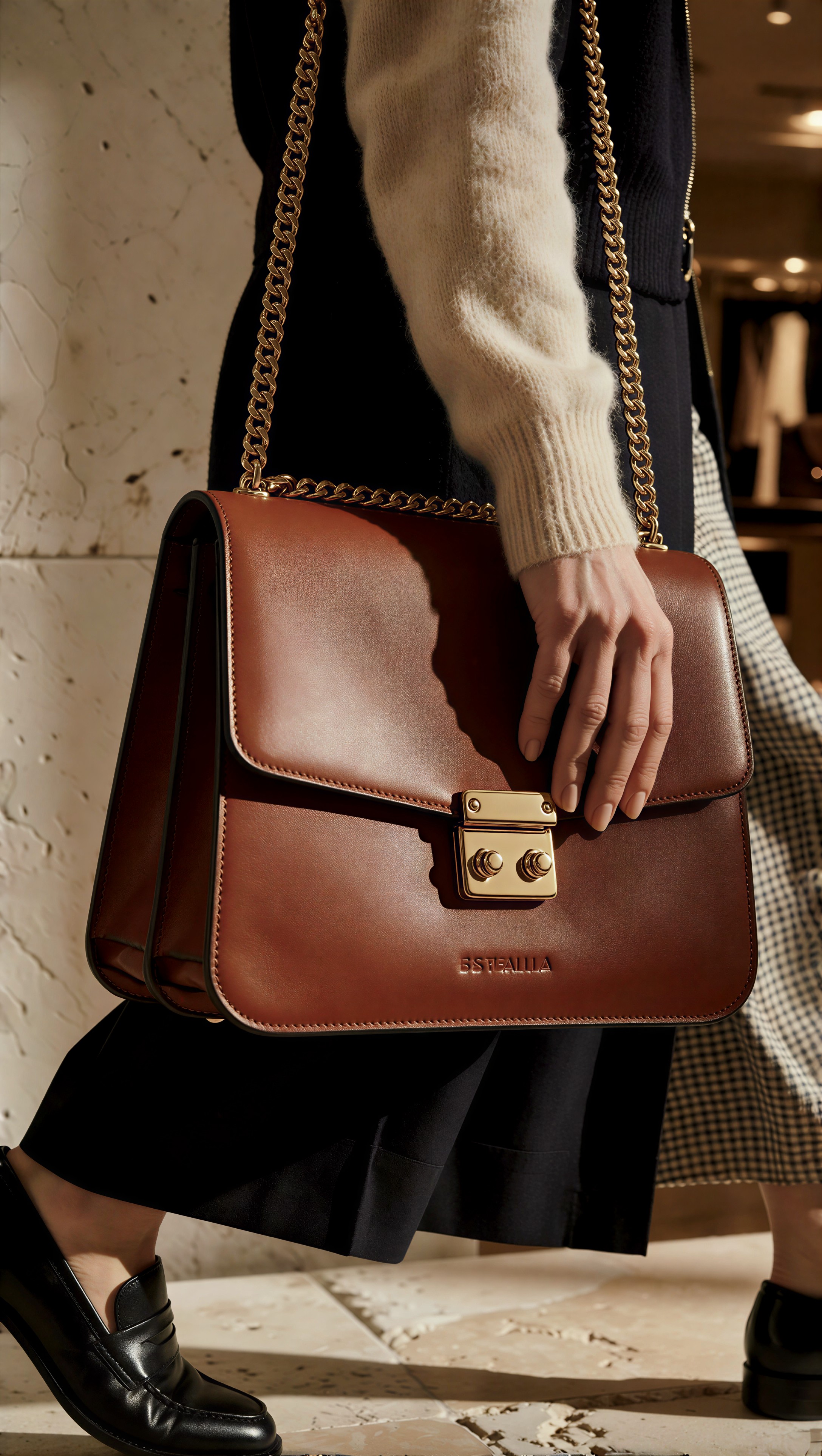
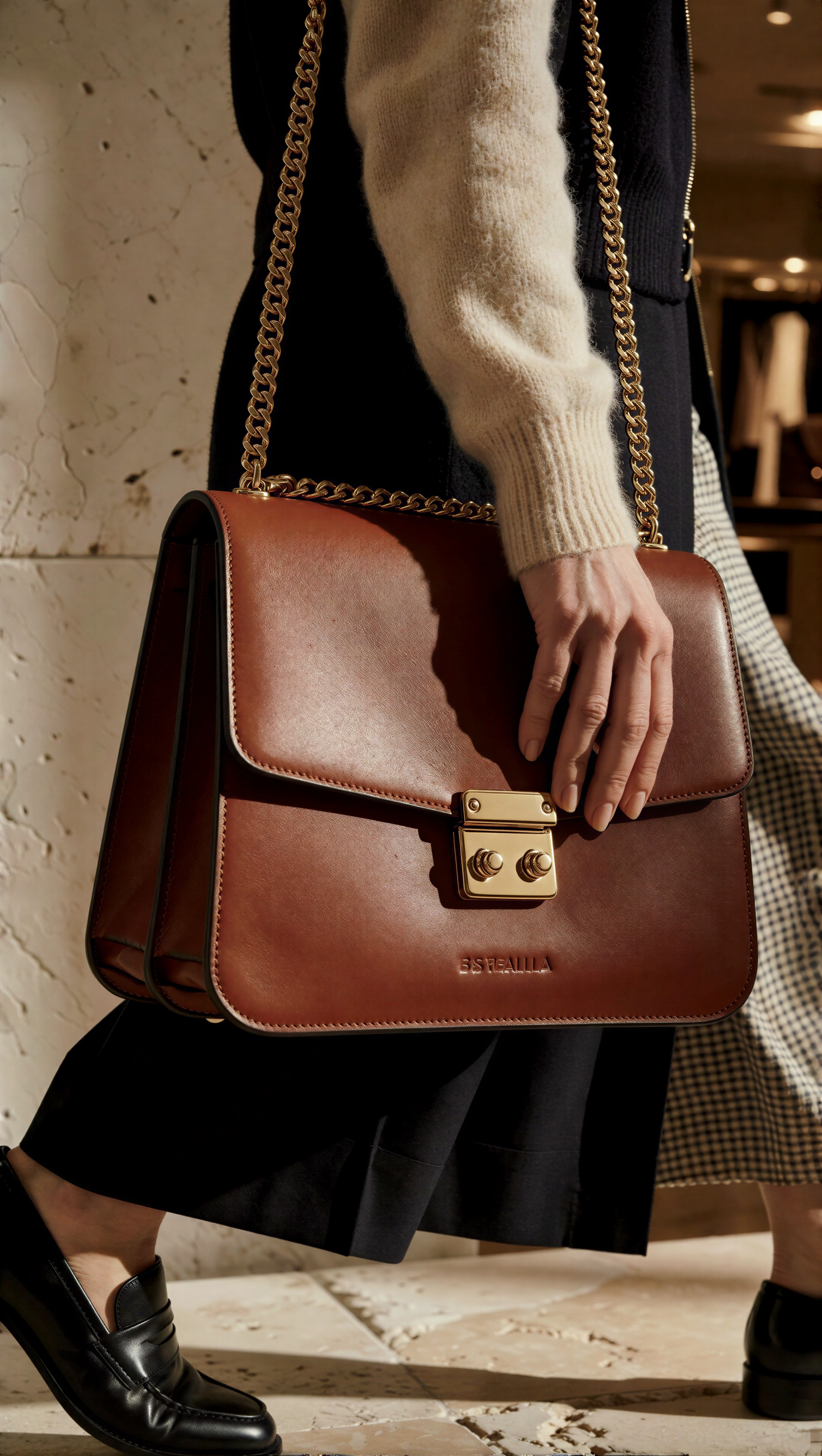
Check embossed zones and hardware boundaries. Neither version should be trusted for tiny text reconstruction, but 7B produced fewer chaotic pseudo-letter fragments in this comparison.
Where SeedVR2 7B showed visible value
SeedVR2 7B earns its case most clearly when the image is already strong and only needs a more intelligent detail lift. In the best runs, the final-quality verdict was simple: 7B looked more finished.
It was especially convincing on four portrait elements:
1. Hairline transitions — loose strands stayed finer and more attached to the scalp shape. 2. Eye region — lashes and eyelid folds remained better separated without turning harsh. 3. Textile surfaces — soft knits and matte fabrics recovered texture with less synthetic crunch. 4. Background boundaries — the subject cutout feel was weaker; edges felt more photographically stable.
The evidence for that verdict was easiest to see in close crops, not the full frame. At full size, many viewers would accept both outputs. Once zoomed in, 7B more often kept detail hierarchies intact: primary forms first, microdetail second. That order matters for realism.
The exceptions were predictable too. If the source image already had mild ambiguity in eyelashes, jewelry chain links, or tiny printed fabric marks, 7B could still overinterpret. It was better than 3B, not magically accurate.
Test 5: runway/backstage moment with layered textures
This prompt checks crowded texture zones: tailoring, hair, and secondary background elements. It is a good stress test for upscale discipline.
Topic: Backstage fashion moment with tailoring and flyaway hair
Genre: Runway Documentary Editorial
Camera: Leica SL2-S
Lens: 40mm f/2
Lighting: Mixed backstage soft practicals with diffused overhead spill
Location: Milan runway backstage dressing area
Style: Documentary luxury fashion coverage
Final Prompt: runway backstage moment showing a model in oversized charcoal blazer, crisp poplin shirt, slim black trousers, pointed leather boots, stylist-adjusted lapel, visible flyaway hair, garment racks softly blurred behind, mixed backstage light, editorial documentary realism, tactile wool and cotton textures, candid but composed framing, fashion week atmosphere, premium magazine finish
Comparison image 5
The same Krea2 source image is used for both outputs: SeedVR2 3B on the left and SeedVR2 7B on the right.
| Krea2 source | SeedVR2 3B output | SeedVR2 7B output | | --- | --- | --- | | !Krea2 source Test 5 · seed 181220325 | !SeedVR2 3B Test 5 · seed 181220325 | !SeedVR2 7B Test 5 · seed 181220325 |
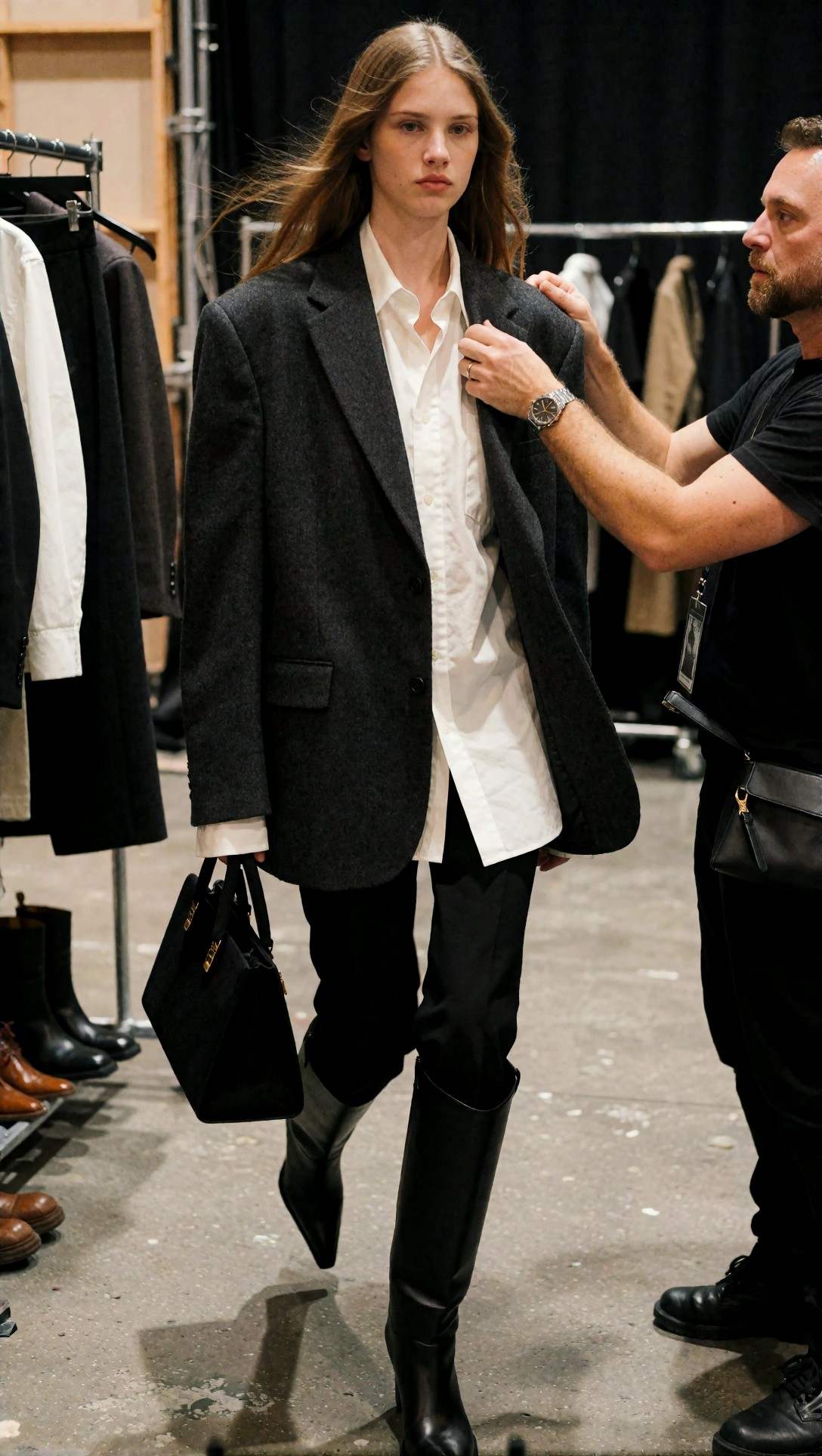
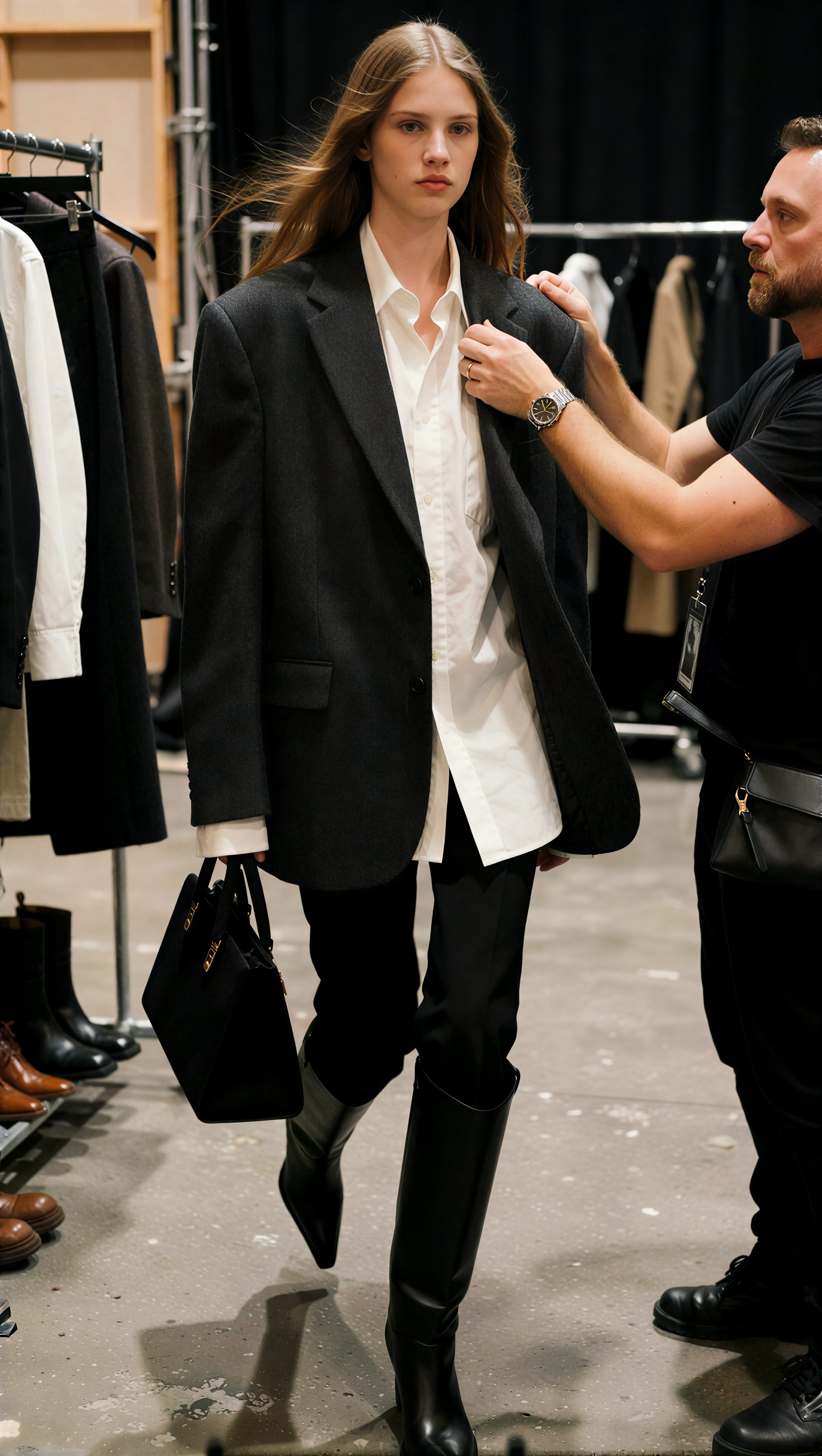
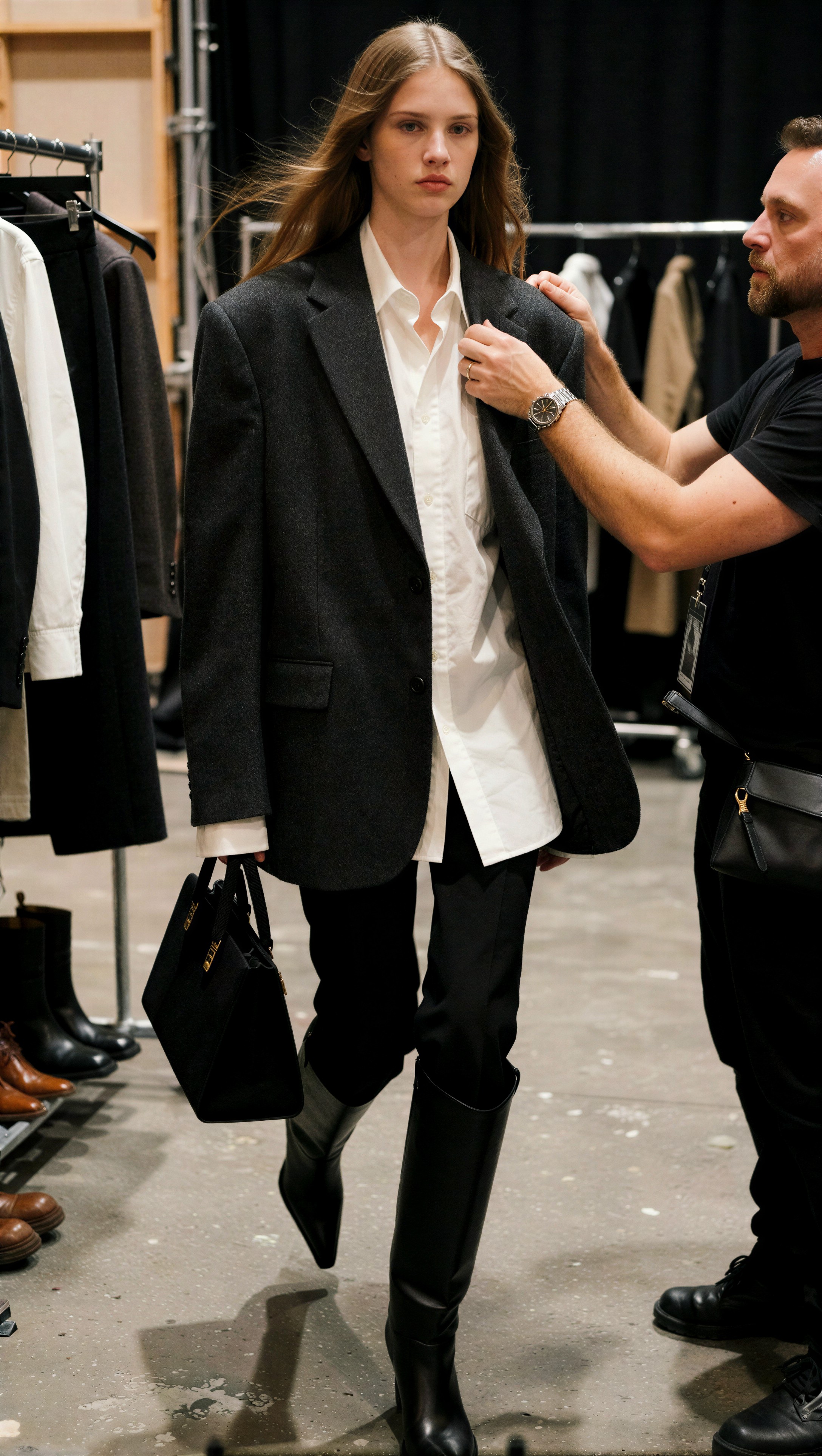
Inspect lapel edges, shirt collar lines, and stray hair against the background. 7B generally keeps these transitions cleaner, while 3B can merge subtle edge separations into a slightly brittle border.
Test 6: storefront display with reflective surfaces
This setup is less about the face and more about edge coherence in retail-style scenes that still contain portrait-relevant materials and outlines.
Topic: Premium storefront display with mannequin styling and reflective glass
Genre: Retail Visual Merchandising
Camera: Panasonic Lumix S1R
Lens: 24-70mm at 50mm f/5.6
Lighting: Window light with interior retail spot accents
Location: Scandinavian minimalist fashion storefront
Style: Contemporary retail campaign
Final Prompt: storefront display featuring a mannequin styled in camel trench coat, white poplin shirt, pleated navy trousers, leather ankle boots, structured tote, clean visual merchandising, subtle reflections on shop glass, neutral wood interior, controlled product spacing, refined urban retail mood, crisp outfit visibility, premium material detail, polished campaign realism
Comparison image 6
The same Krea2 source image is used for both outputs: SeedVR2 3B on the left and SeedVR2 7B on the right.
| Krea2 source | SeedVR2 3B output | SeedVR2 7B output | | --- | --- | --- | | !Krea2 source Test 6 · seed 663288029 | !SeedVR2 3B Test 6 · seed 663288029 | !SeedVR2 7B Test 6 · seed 663288029 |
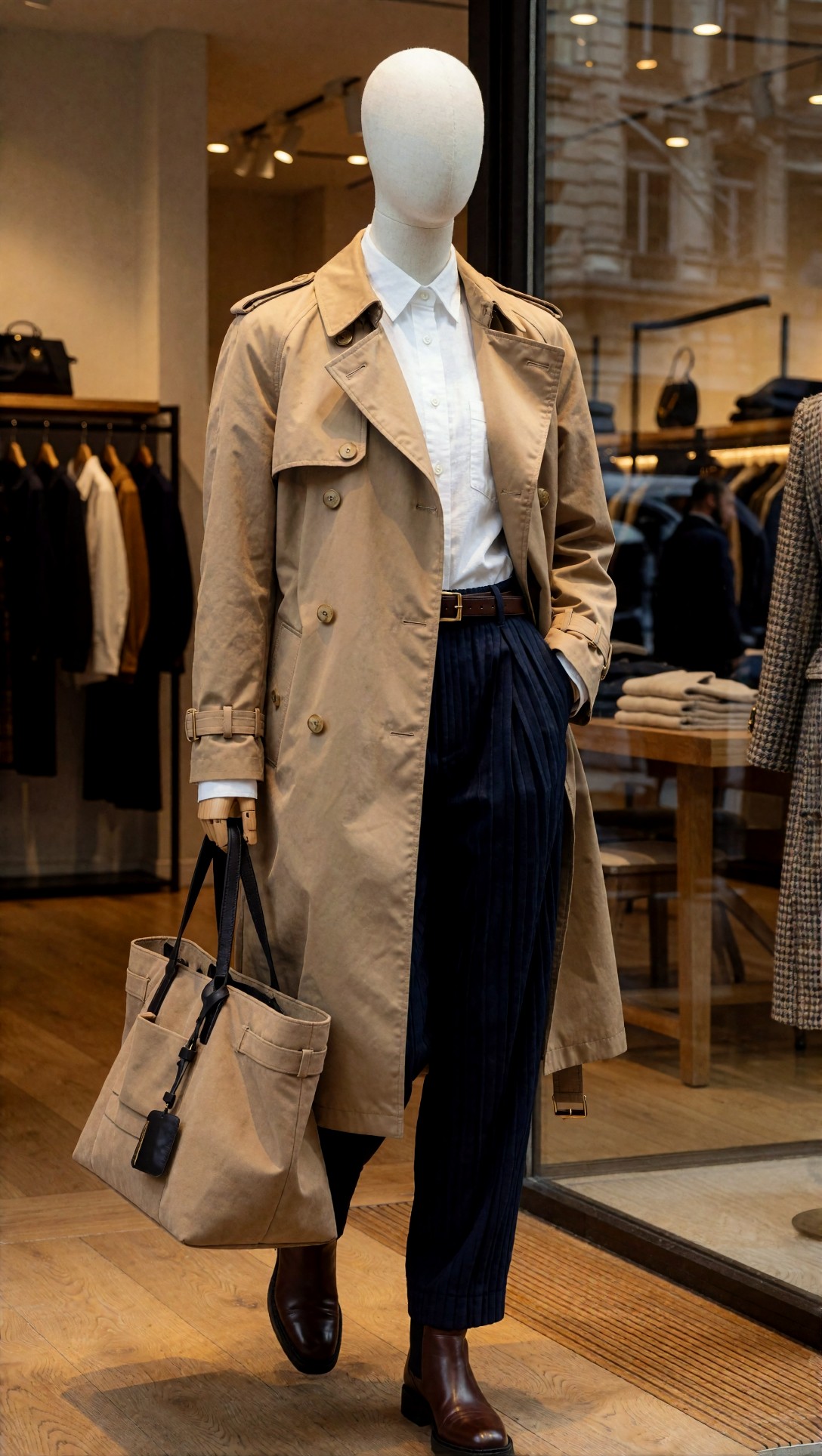
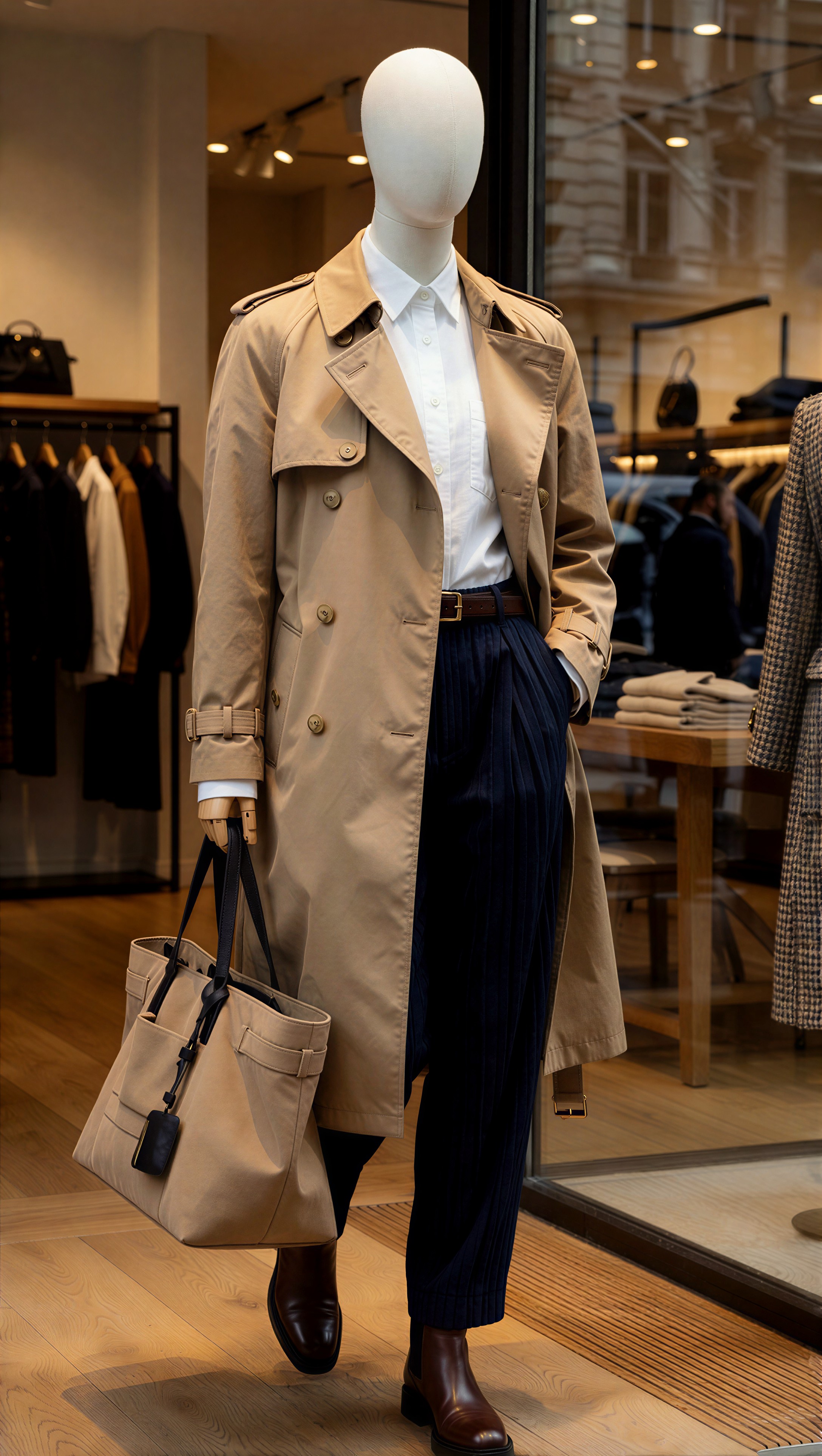
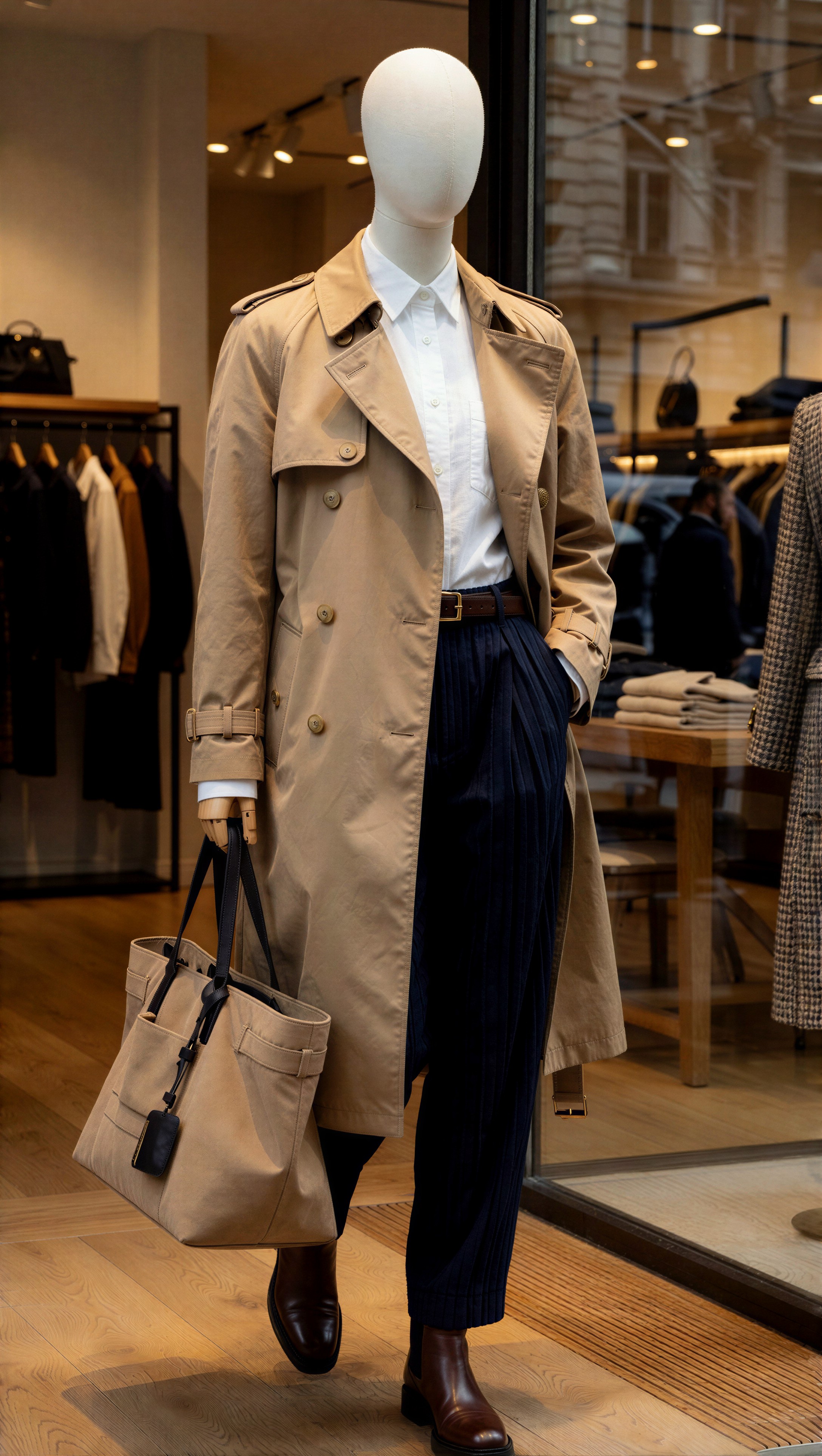
Watch reflective edges and clean straight lines. If 3B starts to produce shimmering edge noise, 7B is usually the safer final option.
Where the outputs struggled
Neither version solved every portrait upscale problem.
Shared risks in both 3B and 7B
- Tiny text and logos can distort, especially if the source image only hints at lettering.
- Jewelry chains and eyelash clusters can become too tidy or too artificial.
- Very soft source blur may cause both versions to invent detail that was never truly there.
- High-contrast collar edges can produce a faint halo if the original transition is compressed or noisy.
How 3B tended to fail
3B’s failure pattern was easier to categorize from an operations standpoint:
- broad success at normal viewing distance
- weaker confidence in microdetail under crop inspection
- more sharpening-like interpretation on fabric ribs and hair wisps
- more retry pressure when the image needs final delivery quality
How 7B tended to fail
7B failed less often in this test, but the misses were still worth checking:
- occasional over-assertion of fine texture in skin-adjacent zones
- smarter but still imperfect reconstruction of tiny decorative marks
- stronger detail recovery that can reveal weaknesses in the original source image itself
Test 7: mood-board collage source with mixed textures
This prompt deliberately mixes paper, fabric, accessories, and portrait fragments so artifact-prone edges become easier to spot after upscaling.
Topic: Fashion mood-board collage with layered materials and portrait clipping
Genre: Editorial Concept Board
Camera: Hasselblad X2D 100C
Lens: 55mm f/2.5
Lighting: Soft daylight from side window
Location: Designer studio table in Seoul
Style: Korean magazine concept development
Final Prompt: fashion mood-board collage on a designer studio table featuring clipped portrait tears, fabric swatches in wool and satin, silver jewelry, shoe reference printouts, handwritten styling notes, muted cream gray and navy palette, side daylight, tactile paper edges, layered composition, editorial planning aesthetic, premium material realism, refined magazine pre-production atmosphere
Comparison image 7
The same Krea2 source image is used for both outputs: SeedVR2 3B on the left and SeedVR2 7B on the right.
| Krea2 source | SeedVR2 3B output | SeedVR2 7B output | | --- | --- | --- | | !Krea2 source Test 7 · seed 889282224 | !SeedVR2 3B Test 7 · seed 889282224 | !SeedVR2 7B Test 7 · seed 889282224 |
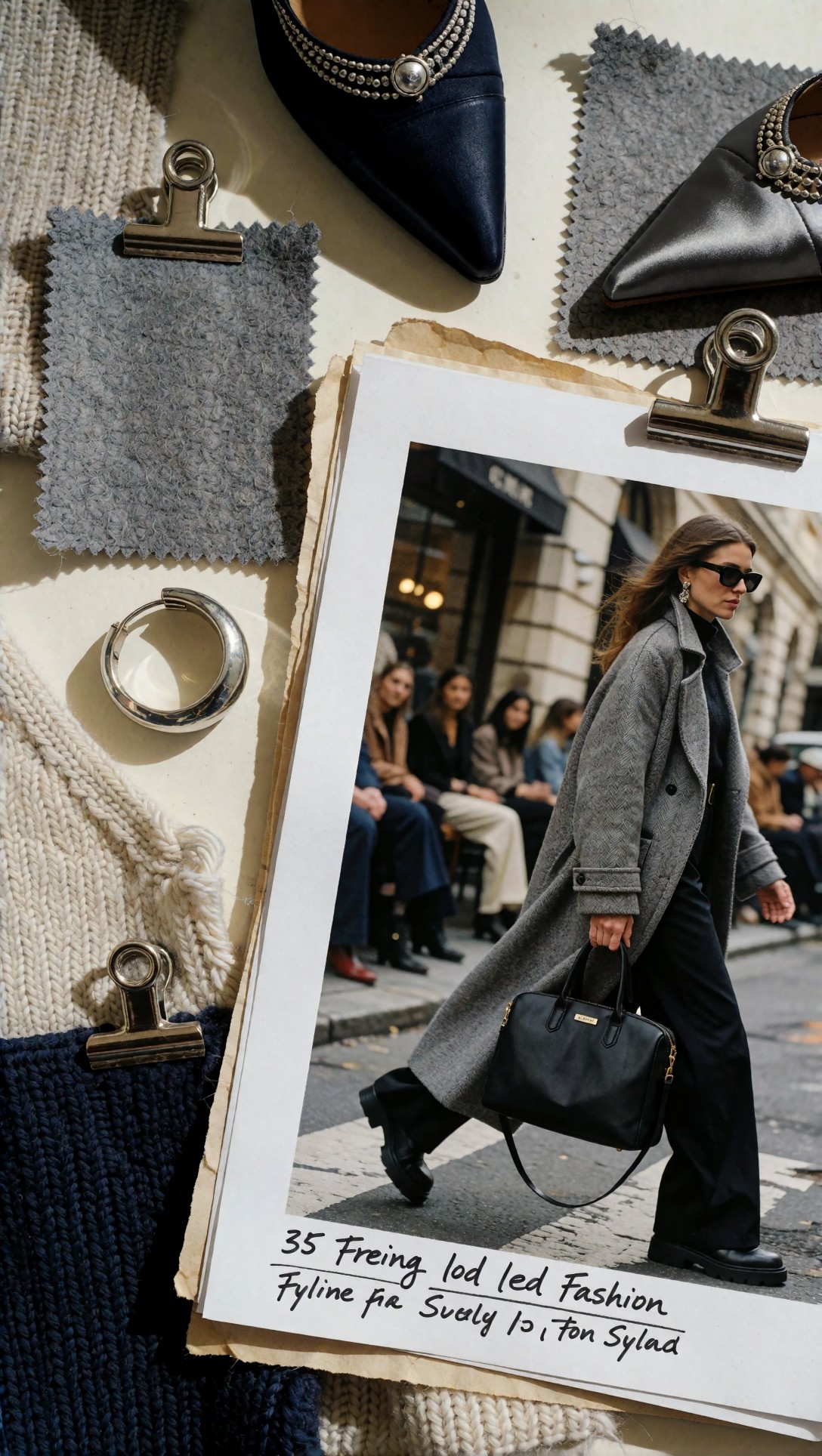
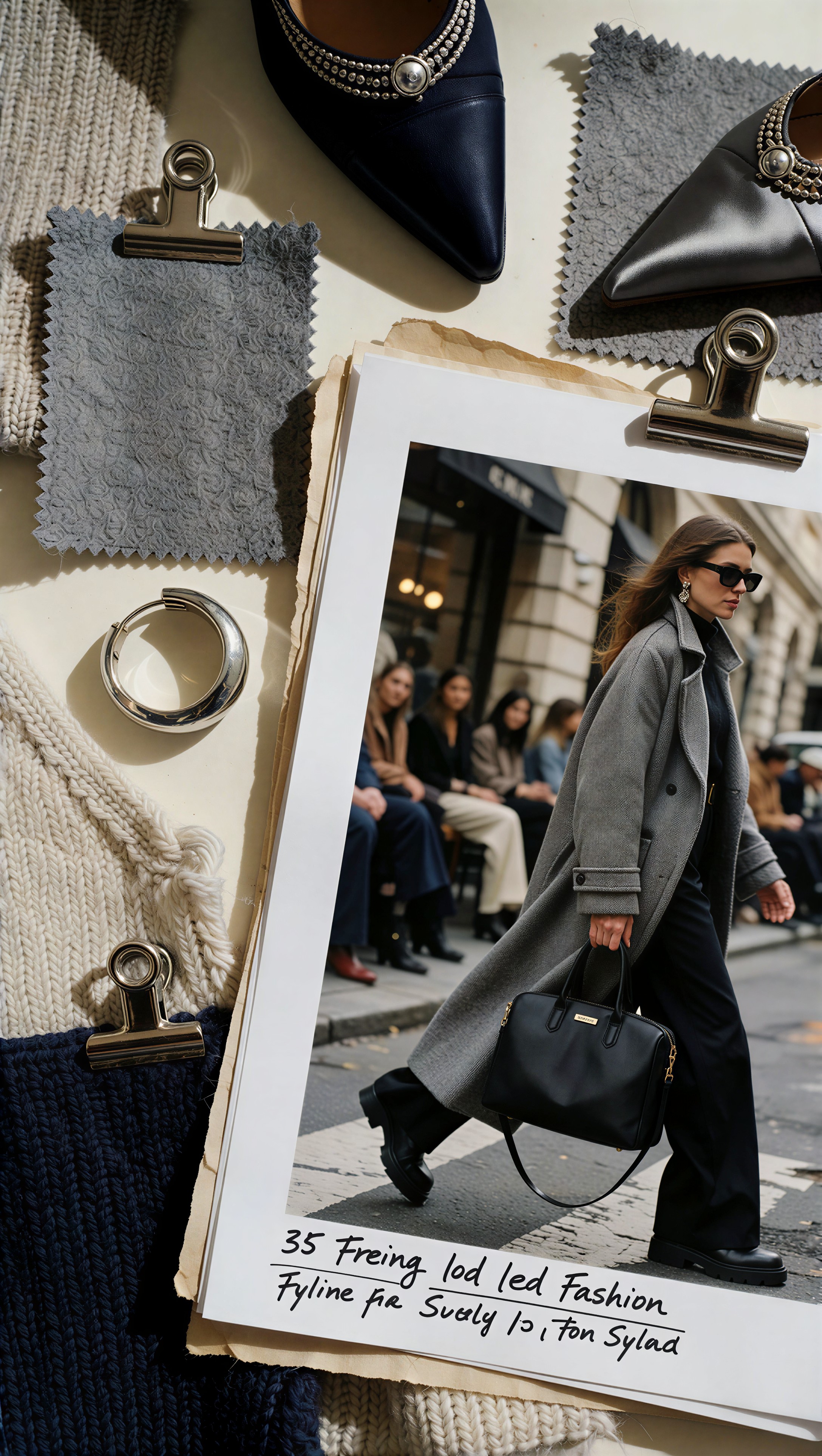
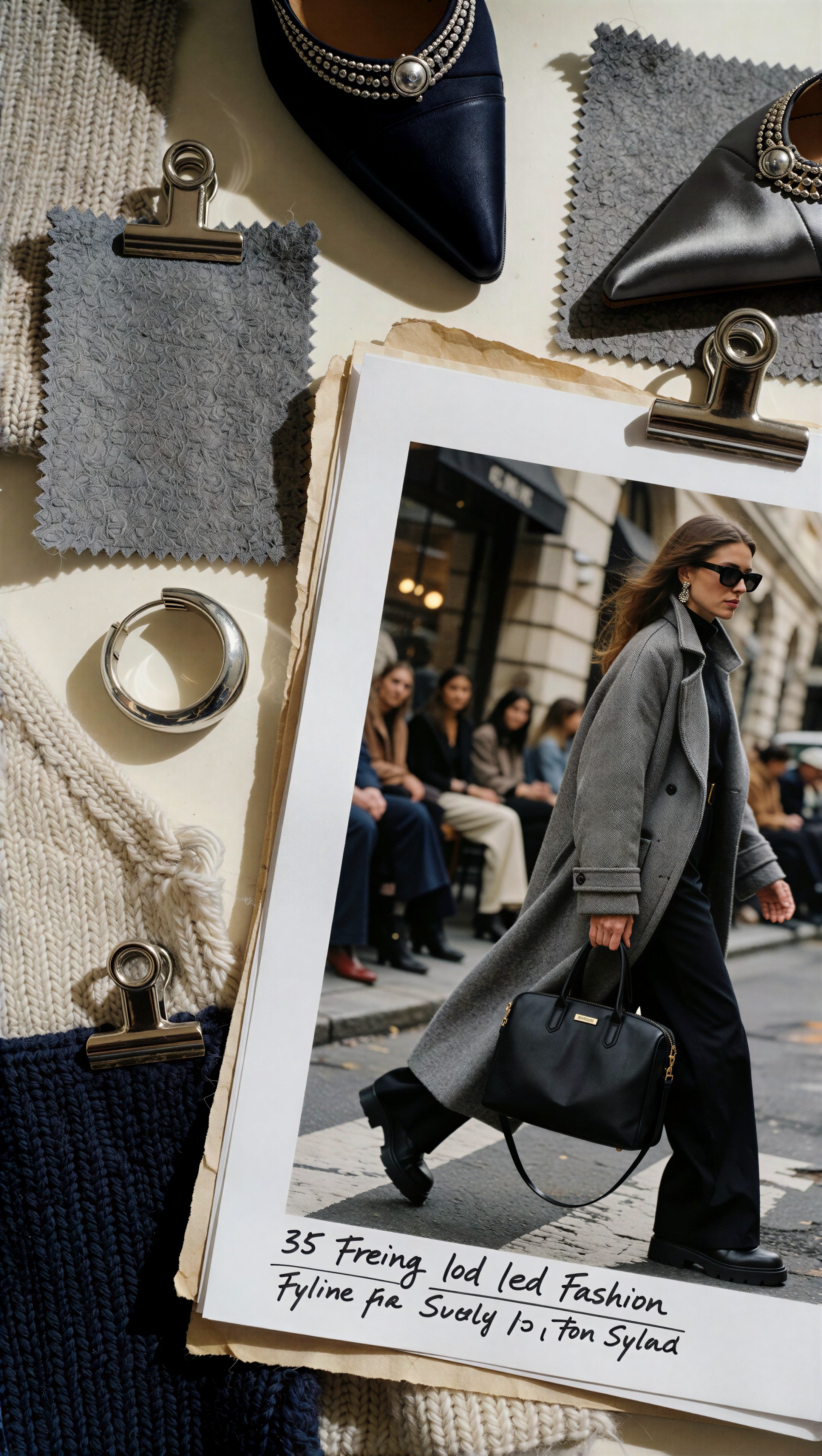
Inspect paper edges and clipped portrait fragments. This kind of mixed-material scene quickly shows whether the upscaler is adding false sharpness instead of preserving believable surface hierarchy.
Test 8: three-quarter outfit editorial with soft beauty emphasis
This final prompt returns to the closest match for the main article scenario: a polished portrait with enough styling detail to expose skin, hair, and fabric handling together.
Topic: Soft studio three-quarter editorial with silk, wool, and loose hair detail
Genre: Fashion Editorial
Camera: Sony A1
Lens: 85mm f/2
Lighting: Studio butterfly light with large front diffusion
Location: Clean ivory fashion studio
Style: Elegant magazine portrait story
Final Prompt: three-quarter outfit editorial portrait of a model wearing a dove-gray wool jacket over a champagne silk blouse, fine chain necklace, tailored high-waist trousers, softly waved hair with loose strands near the cheek, calm direct gaze, ivory studio background, butterfly lighting softened through diffusion, balanced skin tone, visible textile contrast between silk and wool, premium magazine composition, graceful pose, fashion-first styling clarity, refined naturalism
Comparison image 8
The same Krea2 source image is used for both outputs: SeedVR2 3B on the left and SeedVR2 7B on the right.
| Krea2 source | SeedVR2 3B output | SeedVR2 7B output | | --- | --- | --- | | !Krea2 source Test 8 · seed 697807016 | !SeedVR2 3B Test 8 · seed 697807016 | !SeedVR2 7B Test 8 · seed 697807016 |
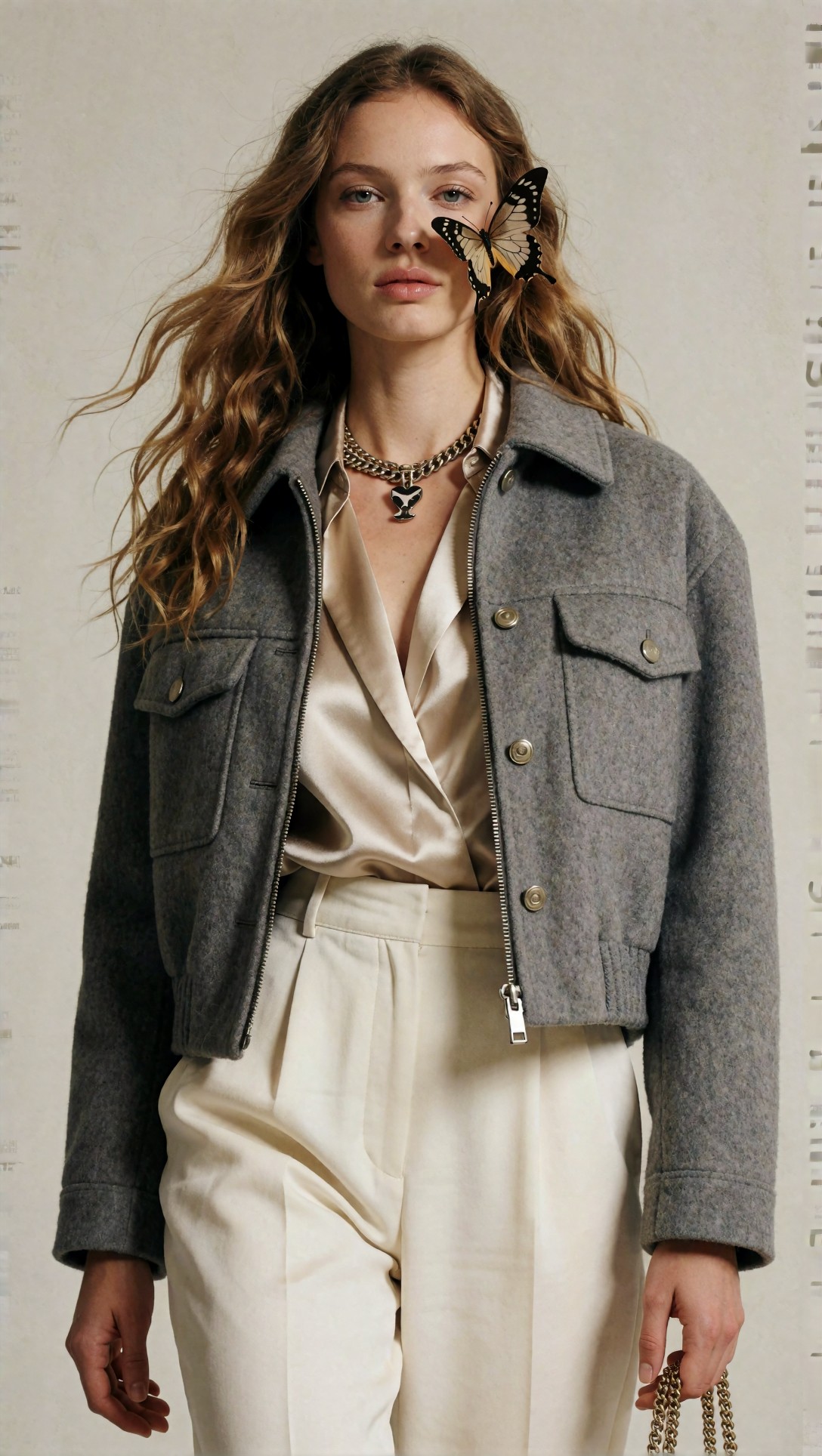
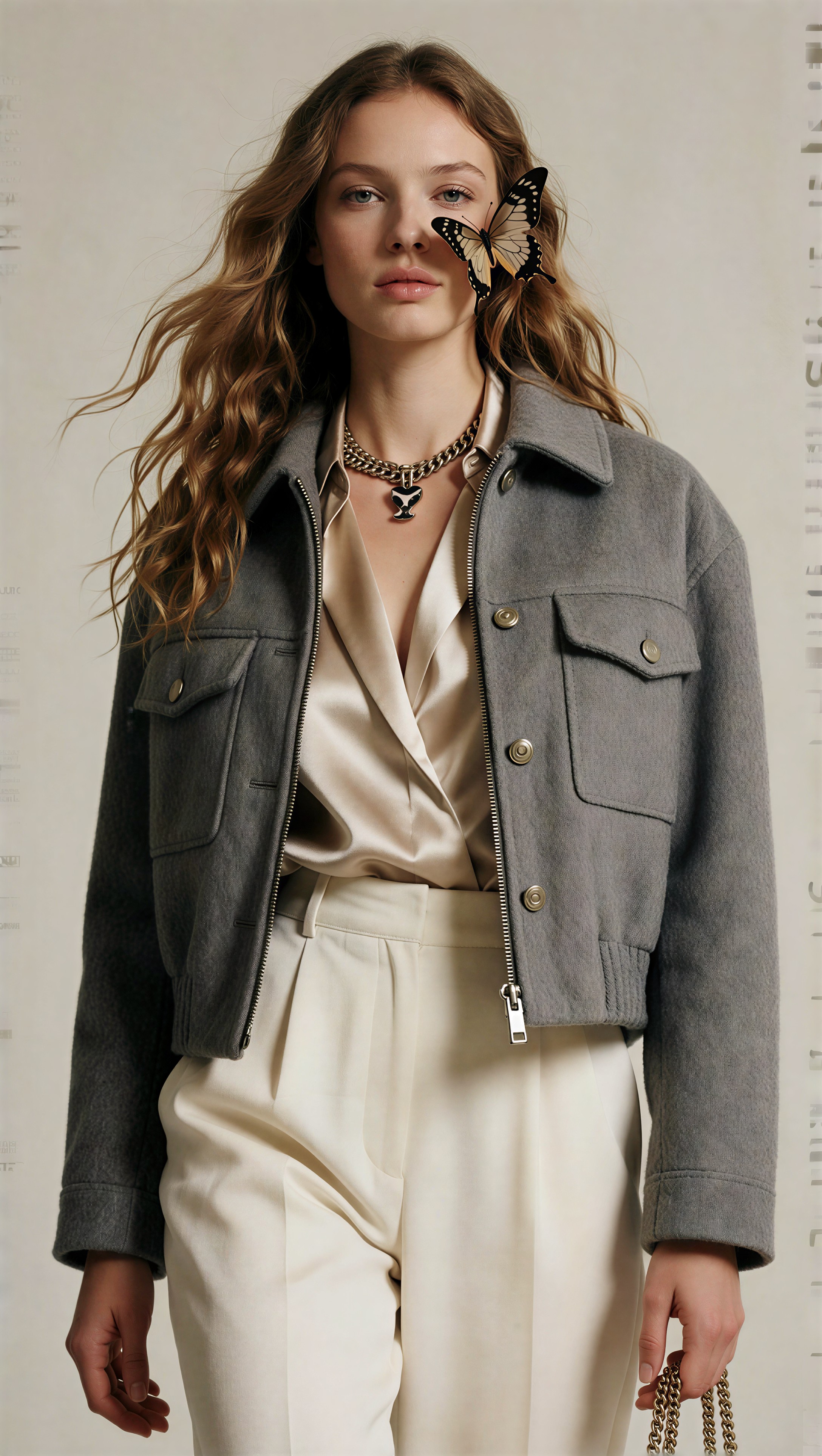
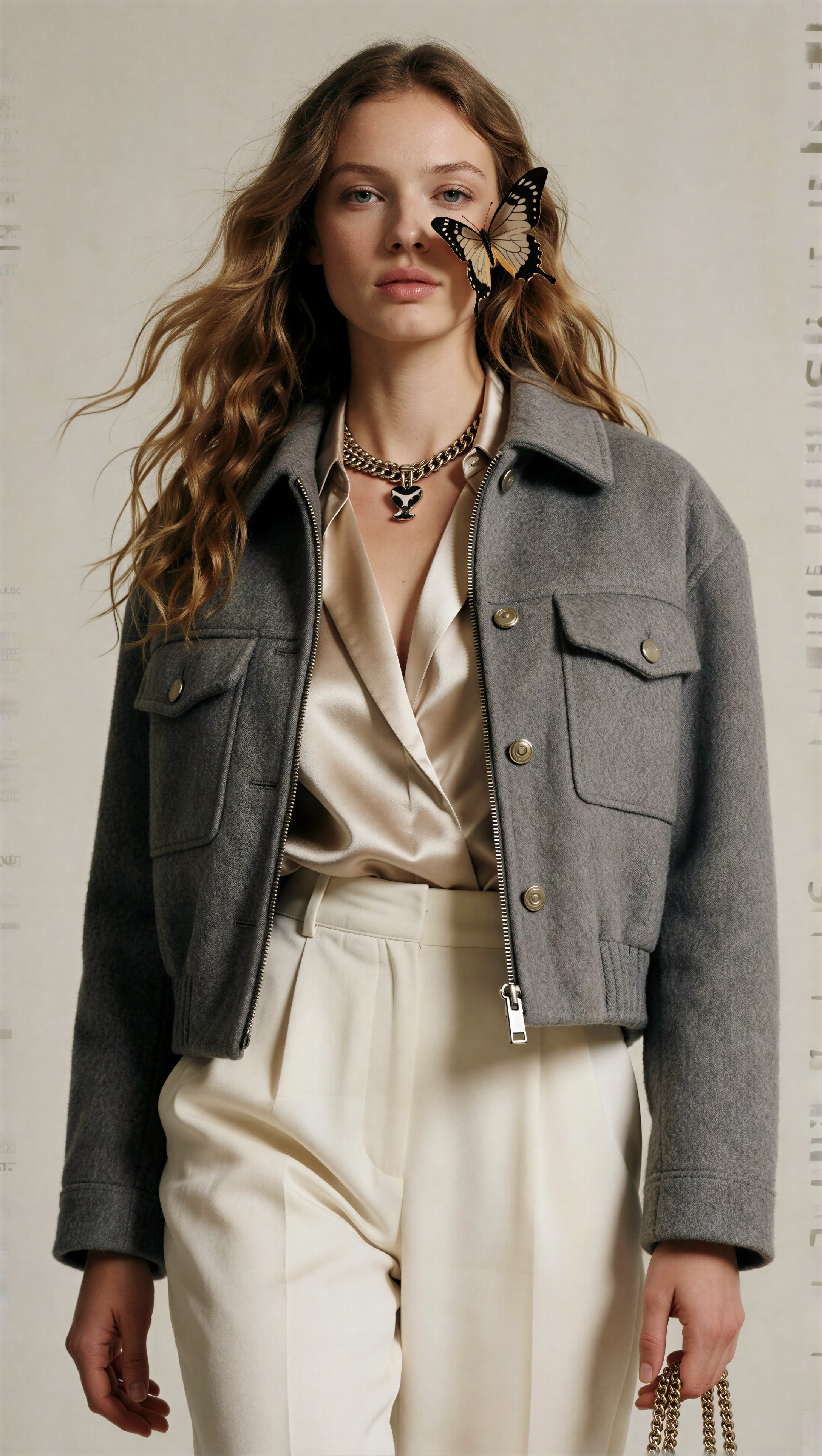
Inspect cheek texture, loose strands, blouse sheen, and jacket edge transitions. This was the most reliable type of source image for revealing the 7B advantage in final portrait presentation.
Recommended settings and workflow changes
Because this was a same-image 2x comparison, the recommendation is less about changing the upscale factor and more about changing your review behavior.
Practical workflow that worked best in this test
1. Start with a strong 1024px source image. 2. Run 2x in SeedVR2 3B for fast first-pass review. 3. Run the exact same source image at 2x in SeedVR2 7B for the candidate finals. 4. Compare horizontally: 3B left, 7B right. 5. Crop-check these zones before deciding:
6. Save only the version that remains believable under crop inspection to your [gallery](/gallery).
- eyes and lashes
- hairline and loose strands
- neckline and collar seam
- textured fabric panels
- background edge near shoulders
What I would change next if an output looks weak
- If skin goes crunchy: use a cleaner source portrait rather than expecting the upscale to fix it.
- If hair fuses into clumps: compare 3B and 7B at the same crop; 7B is more likely to recover separation.
- If fabric edges look serrated: promote the image from 3B to 7B.
- If tiny text or logos matter: do not trust either version blindly; inspect manually.
- If the image is only for preview boards or concept review in [promptlab](/promptlab), 3B is often enough.
When to use SeedVR2 3B vs SeedVR2 7B
Use SeedVR2 3B when
- you are processing many portraits and need faster review cycles
- the source image is already clean and simple
- the output is for preview, draft layout, or social-size use
- you want lower retry cost before moving to a heavier final pass
Use SeedVR2 7B when
- the portrait is headed to a final gallery or portfolio page
- hair, skin, and fabric detail need to hold up under close inspection
- the source image contains layered garments or difficult edge transitions
- you want the cleaner publish-ready version more than the faster one
Short checklist: what artifacts to check before accepting the upscale
- Are loose hairs still attached naturally, or do they look drawn on?
- Does skin texture remain soft and photographic, not crunchy?
- Do knit ribs and woven fabrics read as cloth, not noise?
- Are collar and jawline edges clean without halos?
- Did any tiny embossed marks or logo-like details mutate into fake text?
FAQ
Is SeedVR2 3B or 7B better for portrait upscaling?
In this test, SeedVR2 7B was better for final portrait quality, especially in hair detail, fabric fidelity, and edge stability. SeedVR2 3B was better for speed and efficient first-pass review.
Should I compare the same image in both versions?
Yes. The most useful method is to upscale the exact same original portrait image in both 3B and 7B with the same 2x setting, then inspect them side by side.
What is the biggest visible difference between SeedVR2 3B and 7B?
The biggest visible difference was fine-detail handling. 7B more consistently preserved believable hair strands, better eyelash separation, and cleaner fabric texture without as many brittle artifacts.
Is 2x the right setting for soft studio portraits?
For this test, yes. 2x was enough to expose quality differences without pushing the models into exaggerated reconstruction behavior.
Can either version safely restore small text or logos on clothing?
Not reliably. 7B was cleaner, but both versions can distort tiny text-like elements. Always inspect those areas manually.
Editorial conclusion
For a practical SeedVR2 3B vs SeedVR2 7B decision, I would not treat these as interchangeable. In this test, 3B was the efficient operator’s choice: faster to inspect, lighter to use, and good enough for many portrait previews. 7B was the final-quality choice: better detail hierarchy, cleaner edges, and stronger final-gallery usefulness on soft studio portraits.
Who should use this workflow: anyone upscaling portrait images who wants a clean side-by-side decision instead of guessing from one output. Who should avoid relying on it blindly: anyone expecting either model to perfectly reconstruct tiny logos, weak source blur, or ambiguous microdetail.
The setting detail that mattered most here was not a hidden trick. It was simple discipline: use the same original image, keep the upscale at 2x, place SeedVR2 3B on the left and SeedVR2 7B on the right, then judge the crops before choosing the final. For fast batches, start with 3B. For the image you actually plan to publish, check 7B.
Why the same source image matters
An upscaler comparison only makes sense when the source image stays fixed. Each test uses the same Krea2 Turbo source render for both SeedVR2 3B and SeedVR2 7B, then compares the outputs side by side. That makes differences in hair edges, skin texture, fabric detail, and background stability easier to judge.
Comparison method
Each row starts from one source image. The left result is SeedVR2 3B and the right result is SeedVR2 7B. The goal is not only to see which image looks sharper, but also which one preserves the original character, skin texture, fabric detail, and fine edges more reliably.
Shared SeedVR2 source-image test condition
Use this same source-image/test condition for both SeedVR2 3B and SeedVR2 7B before comparing the output.
Use the same uploaded 1024px portrait source image generated with Krea2 Turbo: a soft studio lighting portrait with natural skin, detailed fabric texture, visible hair strands, and a clean background. Apply the same 2x upscale setting in both SeedVR2 3B and SeedVR2 7B, then compare how each version handles skin texture, hair detail, fabric fidelity, edge stability, text or logo distortion risk, artifacts, and overall realism.