SeedVR2 나란히 이미지 비교
각 프롬프트 예시 뒤에는 하나의 매칭된 행이 이어집니다: Krea2 소스, SeedVR2 3B 결과, SeedVR2 7B 결과입니다. 비교 이미지는 한 블록에 모아두지 않고 글 전체에 배치했습니다.
이번 SeedVR2 3B vs 7B 업스케일링 테스트는 동일한 2M-pixel Krea2 Turbo 스트리트 패션 소스 이미지를 2x에서 두 옵션으로 비교합니다. 짧게 말하면, SeedVR2 7B가 더 깔끔하고 게시 가능한 이미지를 제공했습니다. 특히 헤어, 블레이저 가장자리, 데님 솔기, 컴팩트 숄더백 주변에서 차이가 뚜렷했습니다. SeedVR2 3B도 더 빠르고 가벼운 프리뷰 패스로는 여전히 유용했지만, 공개 패션 갤러리에 사용하려면 더 엄격한 리젝션 체크가 필요했습니다.
먼저 알아둘 점
- 테스트 조건은 동일하게 맞췄습니다: 같은 업로드된 Krea2 Turbo 소스 이미지를 SeedVR2 3B와 SeedVR2 7B에서 2x로 처리했습니다.
- 비교는 가로로 봐야 합니다: 왼쪽이 3B, 오른쪽이 7B입니다. 출력을 세로로 쌓으면 가장자리 차이를 판단하기가 더 어려워집니다.
- SeedVR2 7B는 패션 디테일을 더 자신 있게 재구성했습니다: 골지 탱크 텍스처, 데님 직조감, 가방 스트랩 가장자리, 헤어라인 분리.
- SeedVR2 3B는 low-VRAM 프리뷰, 빠른 배치 체크, 약한 소스 이미지를 초기에 걸러내는 용도로 실용적인 선택입니다.
- 히어로 이미지, 룩북, 제품 에디토리얼의 경우, 속도가 정교함보다 더 중요하지 않다면 둘 다 실행한 뒤 7B를 선택하겠습니다.
테스트한 것
소스 이미지는 약 2M pixels의 Krea2 Turbo에서 만든 현대적인 Pinterest 스타일 에디토리얼 스트리트 패션 렌더였습니다. 자연스러운 도시 daylight에서 한 명의 성인 모델이 등장했고, 전체 착장이 보였습니다: 크롭 블랙 블레이저, 화이트 골지 탱크, 스트레이트 블루 데님, 컴팩트 숄더백, 사실적인 헤어 디테일, 세밀한 패브릭 텍스처, 깔끔한 도시 배경.
저는 같은 소스 이미지를 SeedVR2 3B 업스케일러와 SeedVR2 7B 업스케일러에 업로드했습니다. 둘 다 2x로 유지했습니다. 결과를 전체 해상도에서 나란히 비교했고, 일반적인 갤러리 감상 크기에서도 다시 비교했습니다.
저는 세 가지 영역을 판단했습니다:
1. 디테일 복원: 피부 텍스처, 머리카락 가닥, 탱크 골지, 데님 직조감, 블레이저 패브릭, 가방 표면. 2. 가장자리 안정성: 실루엣, 라펠, 솔기, 가방 스트랩, 손, 헤어라인, 배경 경계. 3. 게시용 트레이드오프: 아티팩트, 가짜 로고나 텍스트, 갤러리 일관성, 처리감, 예상 VRAM 부담.
[zview upscaler](/upscaler)에서 같은 종류의 테스트를 실행하는 독자라면 소스를 고정하세요. 3B와 7B 사이에서 이미지를 다시 생성하지 마세요. 소스가 바뀌면 비교의 유용성이 사라집니다.
가로 비교 레이아웃
출력을 비교할 때는 한 행에 배치하세요. 왼쪽 이미지는 SeedVR2 3B여야 합니다. 오른쪽 이미지는 SeedVR2 7B여야 합니다.
| SeedVR2 3B output, left | SeedVR2 7B output, right | |---|---| | 이쪽은 속도, 허용 가능한 프리뷰 품질, 명확한 리젝션 이슈를 확인하는 데 사용하세요. | 이쪽은 최종 가장자리 재구성, 더 깔끔한 패브릭 디테일, 히어로 이미지 준비 상태를 확인하는 데 사용하세요. |
3B와 7B 결과 이미지를 세로로 쌓지 마세요. 세로 배치는 라펠 가장자리, 헤어 분리, 데님 솔기, 모델 실루엣이 배경과 만나는 선의 작은 차이를 숨깁니다.
최고 결과: 최종 패션 이미지는 SeedVR2 7B
가장 강한 결과는 SeedVR2 7B에서 나왔습니다. 차이는 단순히 더 선명한 것이 아니었습니다. 더 깔끔한 재구성이었습니다.
Krea2 Turbo 스트리트 패션 소스에서 7B 출력은 의상 구조를 더 잘 보존했습니다. 크롭 블레이저는 여전히 구조적인 느낌으로 읽혔습니다. 화이트 탱크는 노이즈가 많은 홈처럼 변하지 않으면서도 보이는 골지를 유지했습니다. 블루 데님은 더 그럴듯한 직조감과 솔기 정의를 가졌습니다. 컴팩트 숄더백은 형태를 유지했고, 몸통을 가로지르는 스트랩 가장자리는 덜 뭉개졌습니다.
갤러리 크기에서는 두 출력 모두 얼핏 보기에는 사용할 수 있어 보였습니다. 전체 해상도에서는 7B 결과를 승인하기가 더 쉬웠습니다. 헤어라인이 도시 배경으로 번지는 흐릿한 전환이 더 적었고, 블레이저 라펠의 halo도 더 적었습니다. 배경도 더 깔끔하게 유지되었으며, 무작위 텍스처가 간판, 텍스트, 가짜 건축 디테일처럼 변하려는 현상이 덜했습니다.
Source-image test 1: 메인 비교용 스트리트 스타일 전신
이것은 실제 테스트에 가장 가까운 소스 이미지 브리프입니다. 업스케일러가 손상시킬 수 있는 정확한 요소들을 드러내도록 구성했습니다: 헤어라인, 블레이저 실루엣, 골지 탱크, 데님 솔기, 손, 가방 스트랩, 깔끔한 daylight 배경.
Topic: SeedVR2 2x upscaling test source for soft daylight street fashion
Genre: Street Style
Camera: Leica SL2-S
Lens: 40mm f/2
Lighting: Soft natural city daylight with open-shade diffusion
Location: New York sidewalk with clean stone facade and minimal background clutter
Style: Modern Pinterest street fashion editorial
Final Prompt: street-style full body fashion image of one adult model wearing a cropped black blazer over a white ribbed tank, straight blue denim, black minimal shoes, compact shoulder bag, small silver accessories, relaxed walking pose, complete outfit visible from head to toe, soft daylight on a clean city sidewalk, realistic hair detail, clear garment edges, visible tank ribbing, denim weave, blazer lapels, bag strap crossing the torso, neutral palette, editorial Pinterest-ready composition, natural texture, no logos, no text
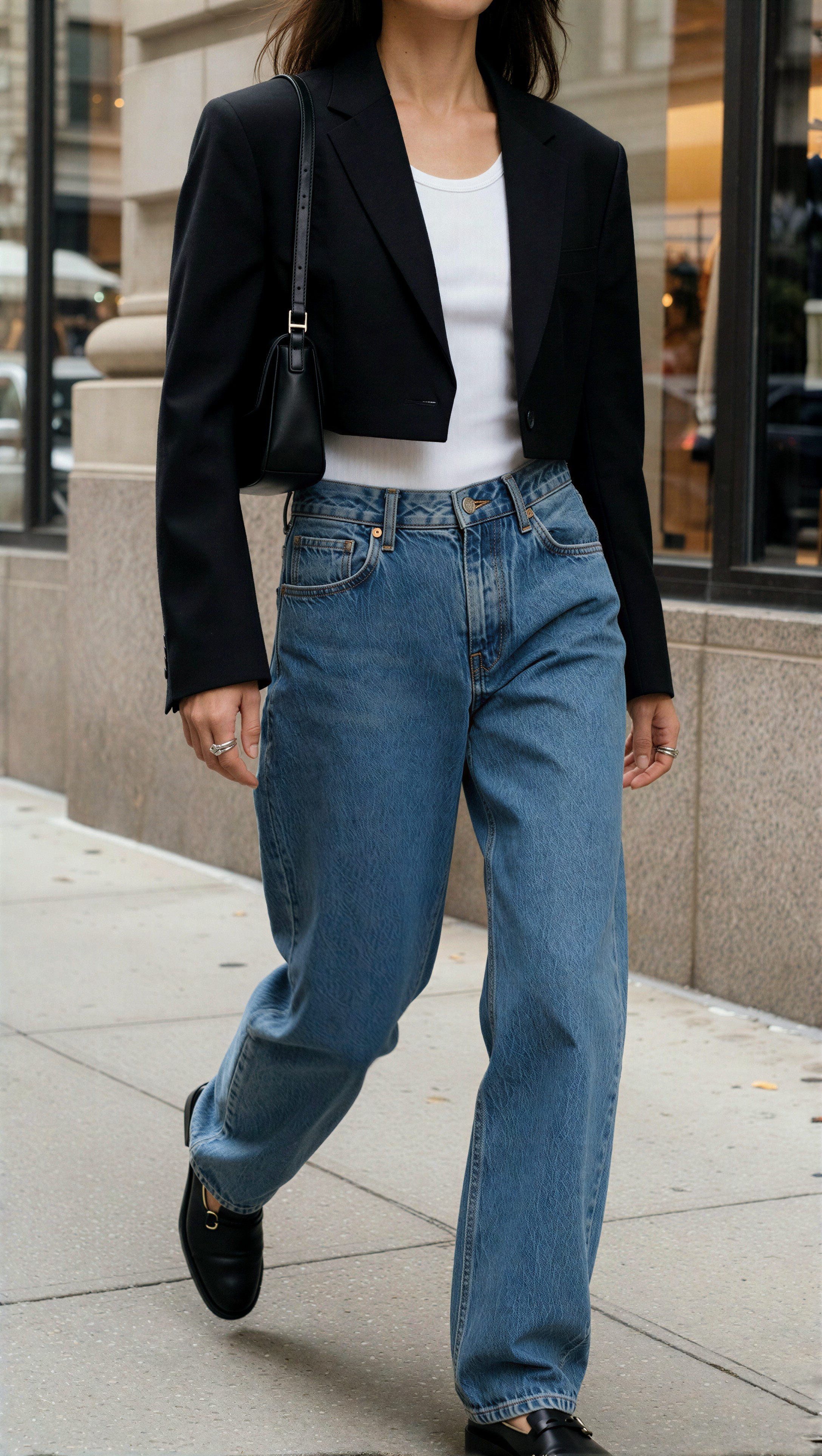
비교 이미지 1
동일한 Krea2 소스 이미지를 두 출력 모두에 사용했습니다: 왼쪽은 SeedVR2 3B, 오른쪽은 SeedVR2 7B입니다.
| Krea2 source | SeedVR2 3B output | SeedVR2 7B output | | --- | --- | --- | | !Krea2 source Test 1 · seed 351556783 | !SeedVR2 3B Test 1 · seed 351556783 | !SeedVR2 7B Test 1 · seed 351556783 |
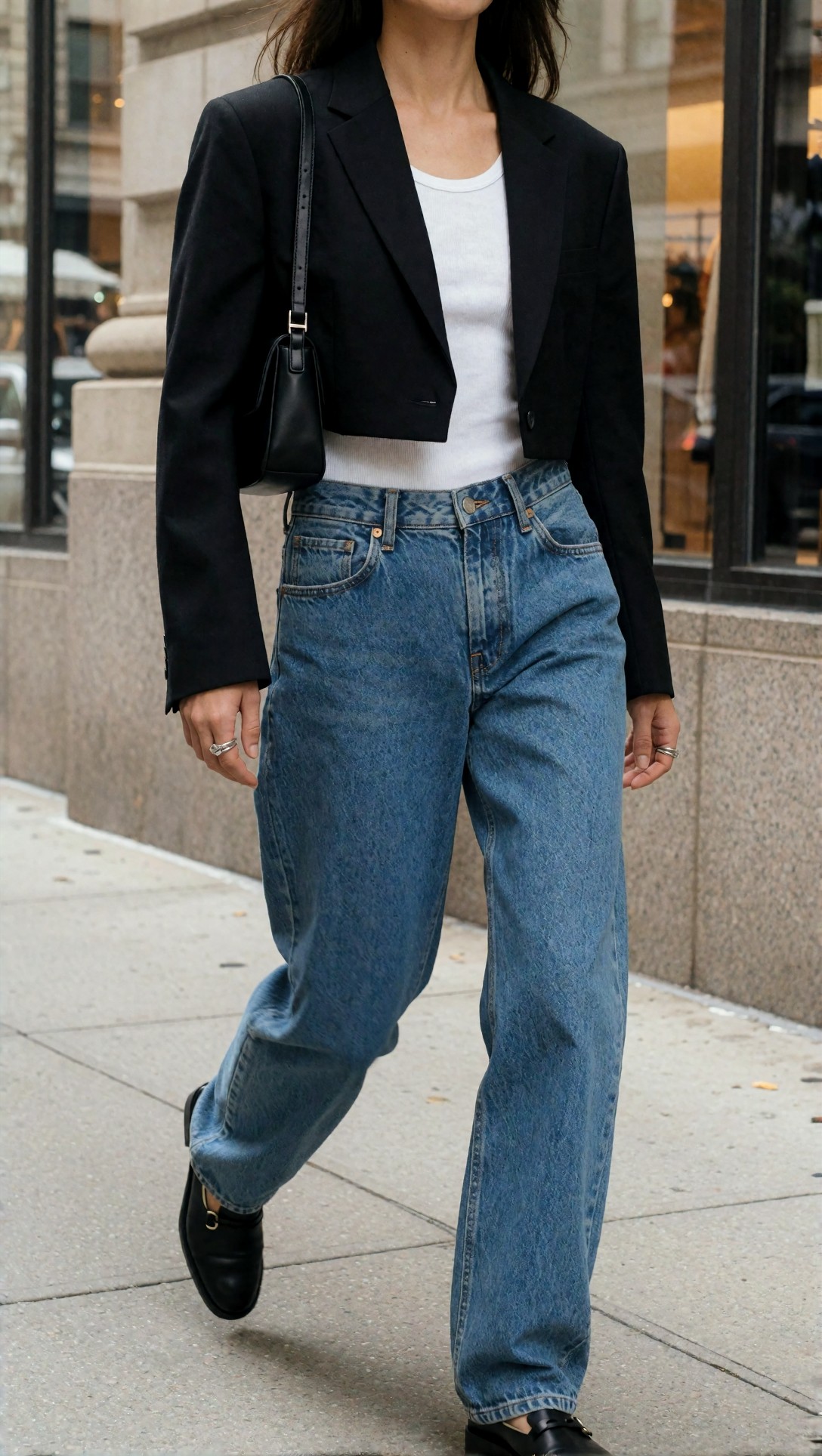
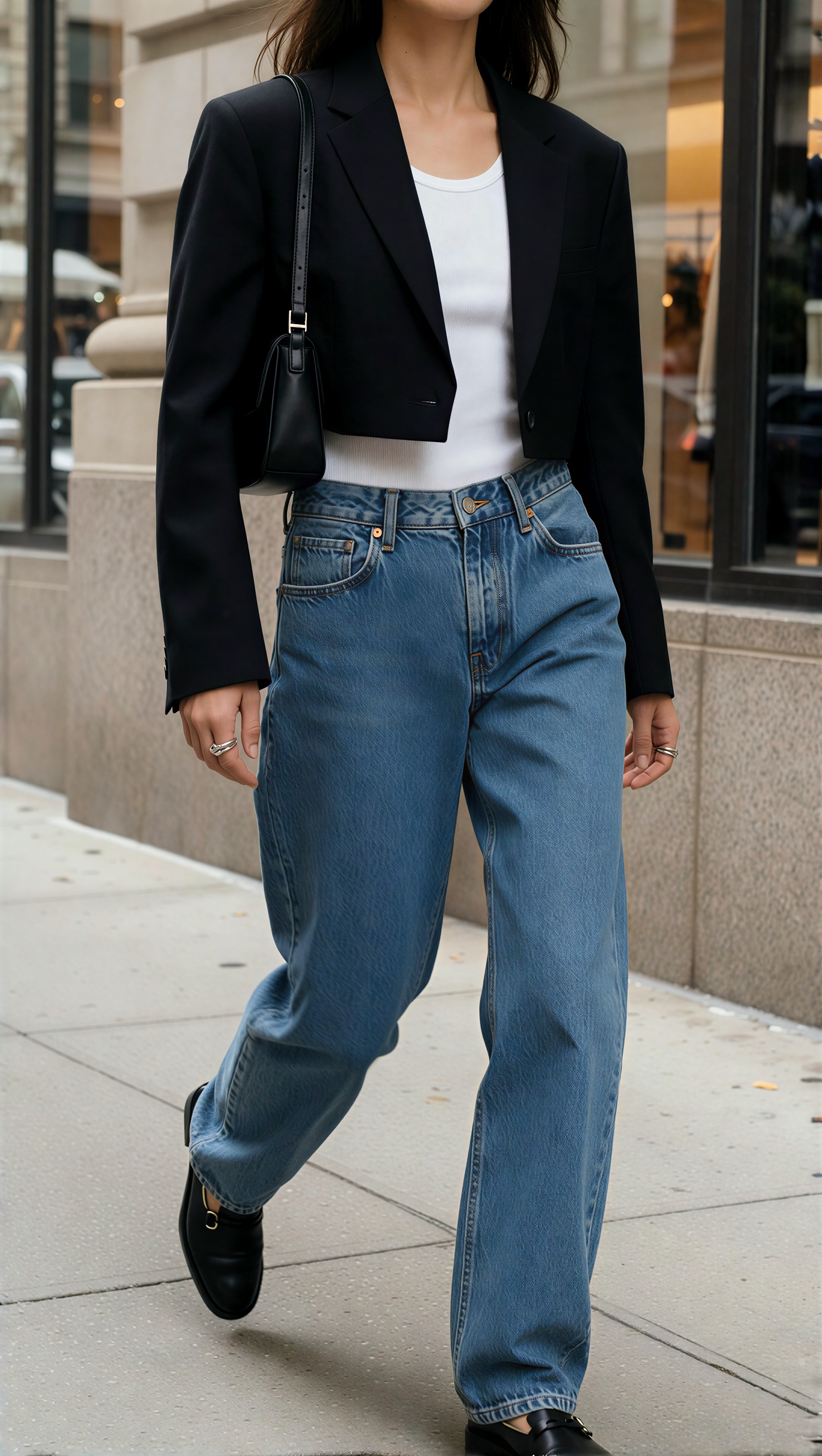
먼저 블레이저 라펠을 확대하고, 그다음 골지 탱크, 그다음 가방 스트랩을 확대해 2x 출력을 검사하세요. 제 결과에서는 7B가 이러한 경계를 더 깔끔하게 만들었고, 3B도 허용 가능했지만 스트랩과 헤어라인이 더 부드러워질 가능성이 높았습니다.
SeedVR2 3B 현장 노트: 메모리와 속도가 중요할 때 유용함
Low-VRAM 현장 노트
입력 조건: 동일한 2M-pixel Krea2 Turbo 패션 이미지, 2x 업스케일, 전신 스트리트 의상, 부드러운 주광, 깔끔한 도시 배경.
3B 관찰: SeedVR2 3B는 선택 단계에서 사용할 만큼 충분히 빠르게 쓸 만한 프리뷰를 제공했다. 의상을 망가뜨리지 않았다. 실루엣은 읽기 쉽게 유지되었고, 크롭 블레이저는 여전히 크롭 형태였으며, 청바지는 여전히 스트레이트 핏이었고, 숄더백도 올바른 위치에 남아 있었다. 일반 갤러리 크기에서는 문제 영역을 확인하기 전까지 게시 가능한 이미지처럼 보였다.
위험: 약점은 미세한 엣지 재구성이었다. 헤어라인이 약간 흐릿하고 뿌옇게 변할 수 있었다. 블레이저 가장자리는 자연스럽게 해상된 느낌보다는 샤프닝된 것처럼 보일 때가 있었다. 흰색 리브 탱크톱에서는 3B 패스가 패턴을 보존했지만, 실제 리브 조직과 생성된 미세 노이즈를 항상 분리해내지는 못했다. 소스에서 이미 손가락이 약했다면 손 역시 리젝 영역이었다.
다음 조치: 3B는 최종 판단 기준이 아니라 첫 번째 패스로 사용한다. 3B에서 뒤틀린 손, 깨진 가방 스트랩 구조, 액세서리의 가짜 텍스트, 또는 노이즈가 많은 배경이 보이면 최종 출력에 시간을 쓰기 전에 소스를 리젝하거나 소스 이미지를 수정한다.
Source-image test 2: 피부, 머리카락, 라펠을 위한 3/4 의상 에디토리얼
이 테스트는 의상 구조를 보이게 유지하면서 더 가까이 들어간다. 업스케일러가 피부를 왁스처럼 만들거나 머리카락과 블레이저 엣지를 과도하게 샤프닝하는지 확인하는 데 유용하다.
Topic: SeedVR2 2x upscaling test source for blazer edge and hair detail
Genre: Fashion Editorial
Camera: Canon EOS R5
Lens: 50mm f/1.8
Lighting: Overcast diffusion with soft frontal fill
Location: Paris side street with pale stone wall and shallow urban depth
Style: Clean magazine outfit editorial
Final Prompt: three-quarter outfit editorial of one adult model wearing a cropped black blazer with defined lapels, white ribbed tank, straight blue denim, slim black ankle boots, compact shoulder bag tucked under one arm, minimal ring and small hoop earrings, body framed from mid-thigh to head with outfit layers clearly visible, calm expression, soft overcast daylight, pale Paris street background, visible hair strands, natural skin texture without beauty retouching, crisp blazer edge, ribbed cotton texture, denim weave, quiet neutral styling, no logos, no readable text
Comparison image 2
동일한 Krea2 소스 이미지가 두 출력 모두에 사용되었다: 왼쪽은 SeedVR2 3B, 오른쪽은 SeedVR2 7B.
| Krea2 source | SeedVR2 3B output | SeedVR2 7B output | | --- | --- | --- | | !Krea2 source Test 2 · seed 543968910 | !SeedVR2 3B Test 2 · seed 543968910 | !SeedVR2 7B Test 2 · seed 543968910 |
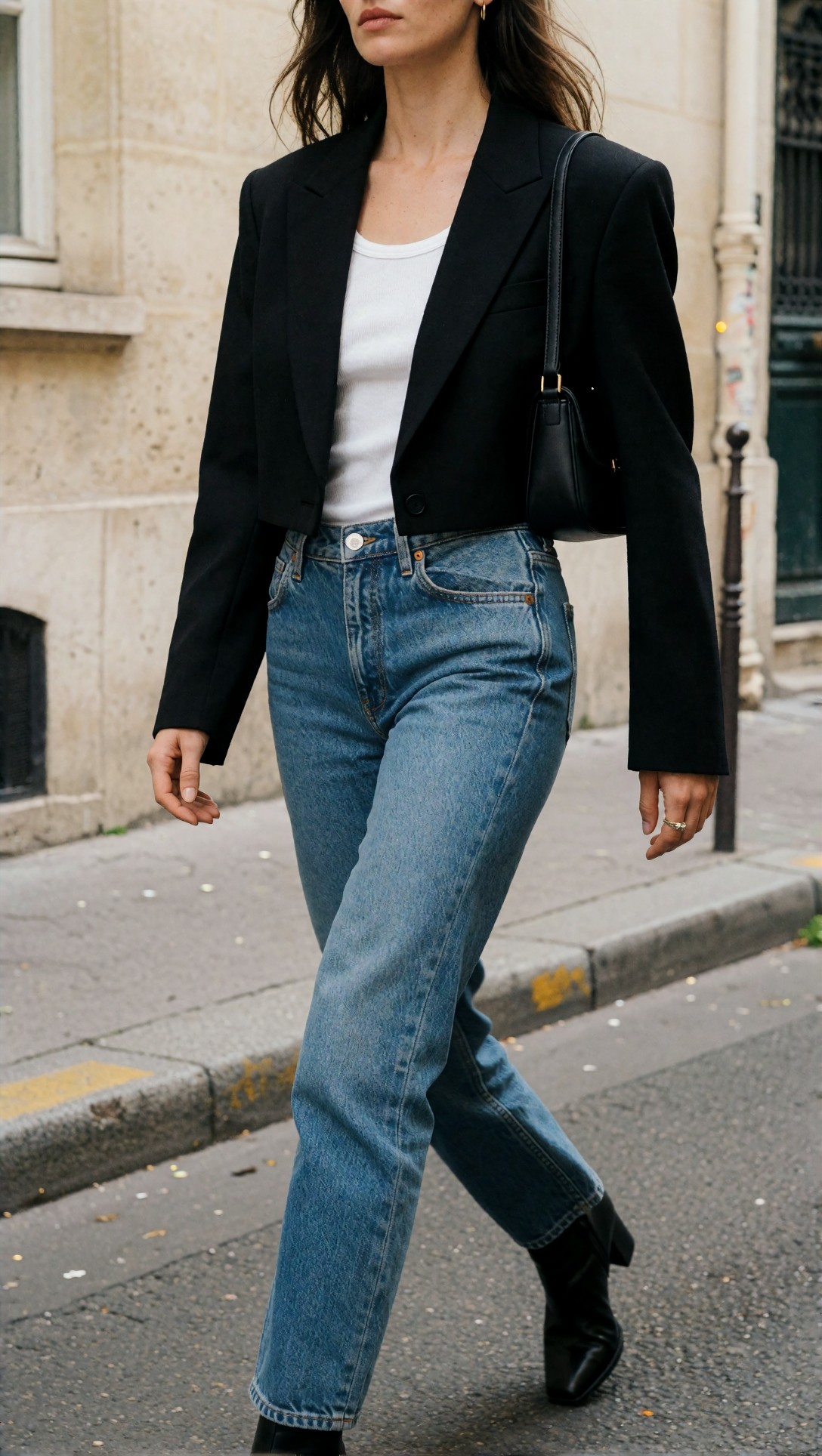
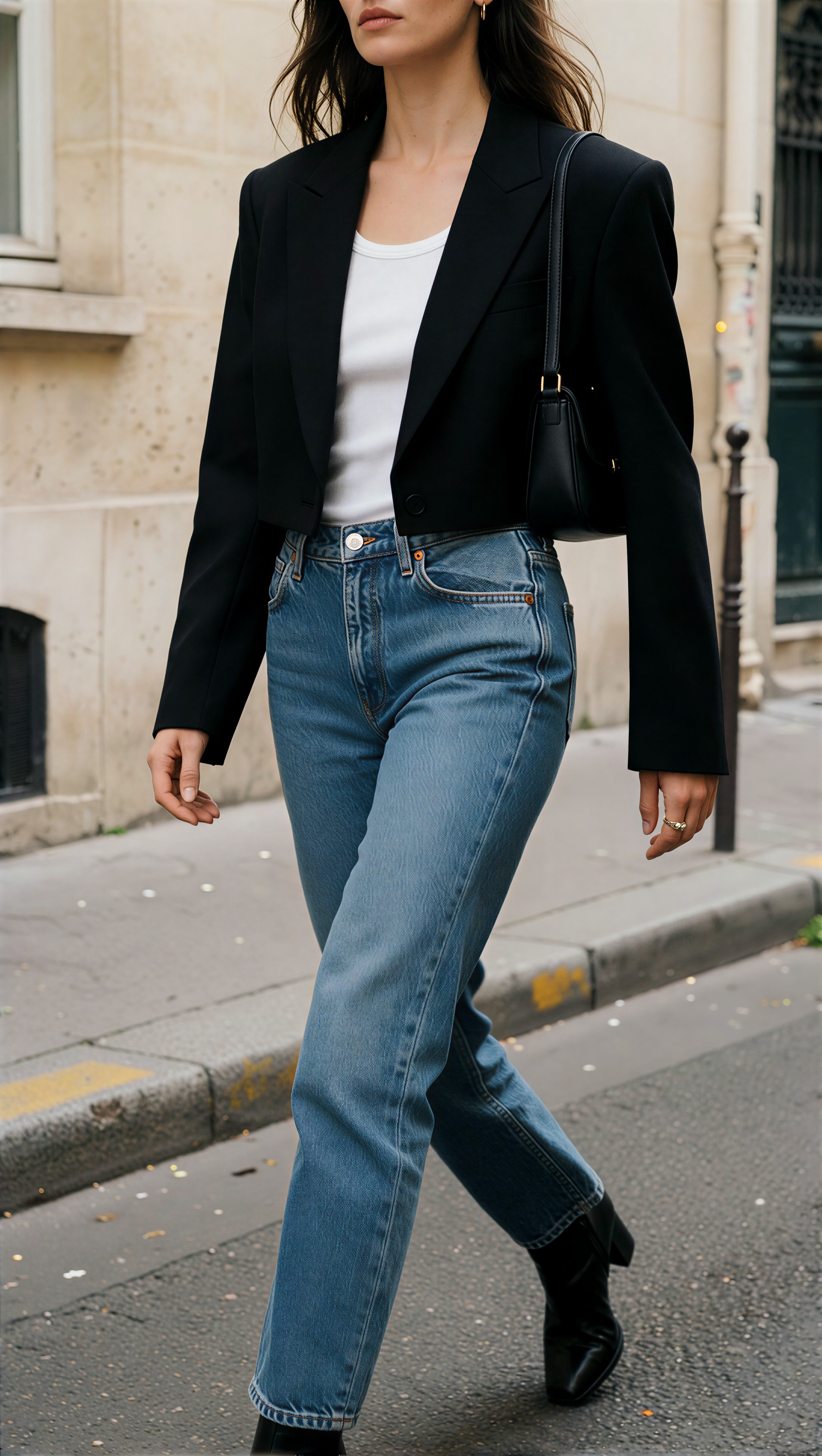
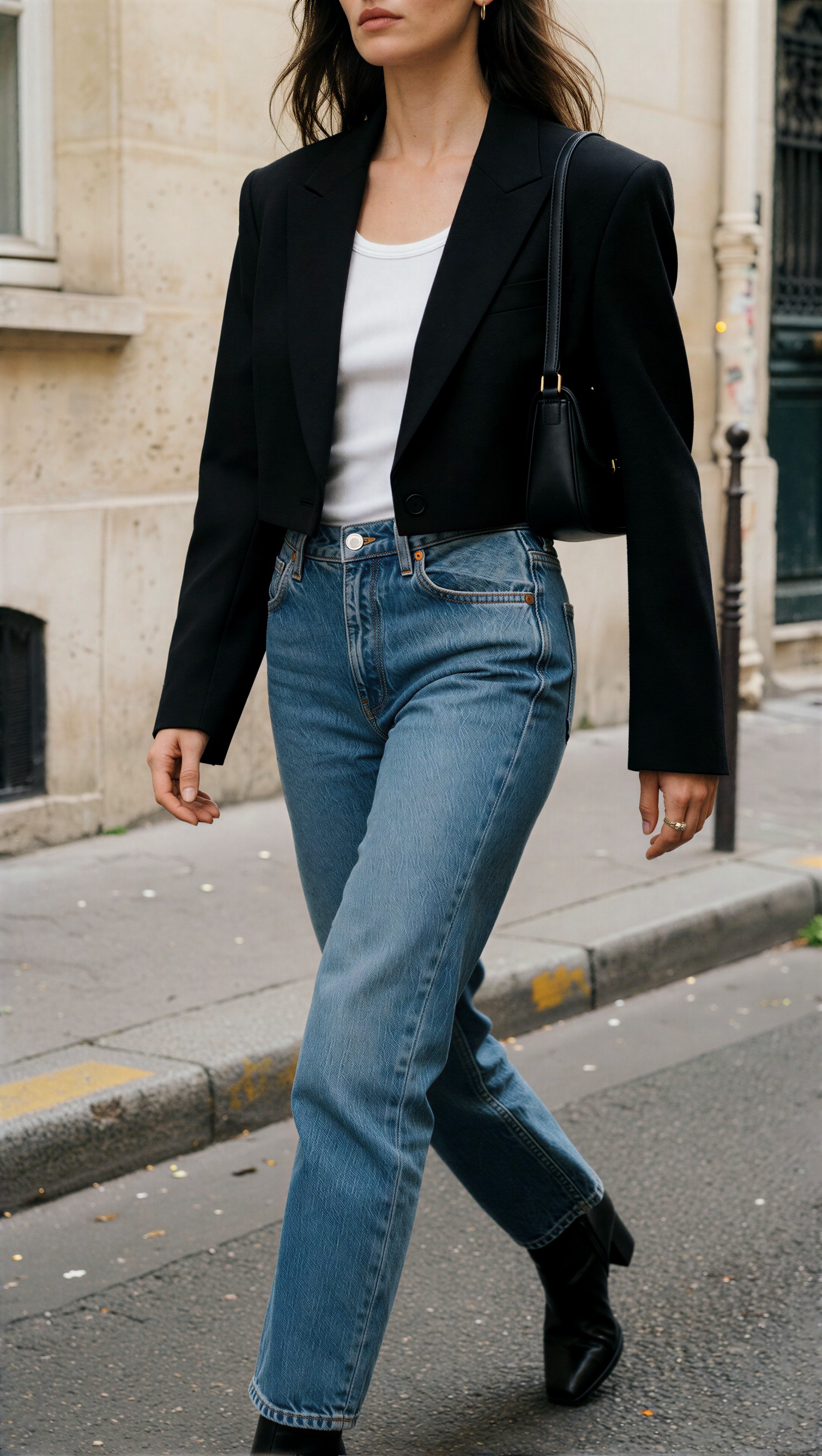
업스케일 후에는 볼에서 머리카락으로 이어지는 전환부와 옅은 벽을 배경으로 한 검은 블레이저를 검사한다. 3B가 어깨 주변에 딱딱한 halo를 만들거나 탱크톱의 리브가 긁힌 노이즈처럼 보이게 만든다면 리젝해야 한다.
Source-image test 3: 전체 실루엣 신뢰성을 위한 헤드투토 룩북
이 테스트는 프리뷰 신뢰성을 위한 것이다. Low-VRAM 패스는 최종 처리 전에 나쁜 전신 구조를 리젝하는 데 도움을 줄 때 가장 가치가 있다.
Topic: SeedVR2 2x upscaling test source for full-body fashion silhouette
Genre: Lookbook Photography
Camera: Fujifilm GFX 100S
Lens: 45mm f/2.8
Lighting: Large window daylight with soft studio bounce
Location: Minimal concrete lookbook studio with a light gray backdrop
Style: Contemporary e-commerce lookbook with editorial polish
Final Prompt: head-to-toe lookbook image of one adult model standing straight in a cropped black blazer, white ribbed tank, straight blue jeans, black pointed flats, compact black shoulder bag, thin belt, simple watch, complete outfit visible with clear garment proportions, arms relaxed to show sleeve length and bag strap, minimal concrete studio backdrop, large soft window daylight, realistic fabric texture, clean denim seams, crisp blazer hem, accurate hands, neutral gray and black-blue-white palette, fashion catalog clarity, no logos, no text
Comparison image 3
동일한 Krea2 소스 이미지가 두 출력 모두에 사용되었다: 왼쪽은 SeedVR2 3B, 오른쪽은 SeedVR2 7B.
| Krea2 source | SeedVR2 3B output | SeedVR2 7B output | | --- | --- | --- | | !Krea2 source Test 3 · seed 897316735 | !SeedVR2 3B Test 3 · seed 897316735 | !SeedVR2 7B Test 3 · seed 897316735 |
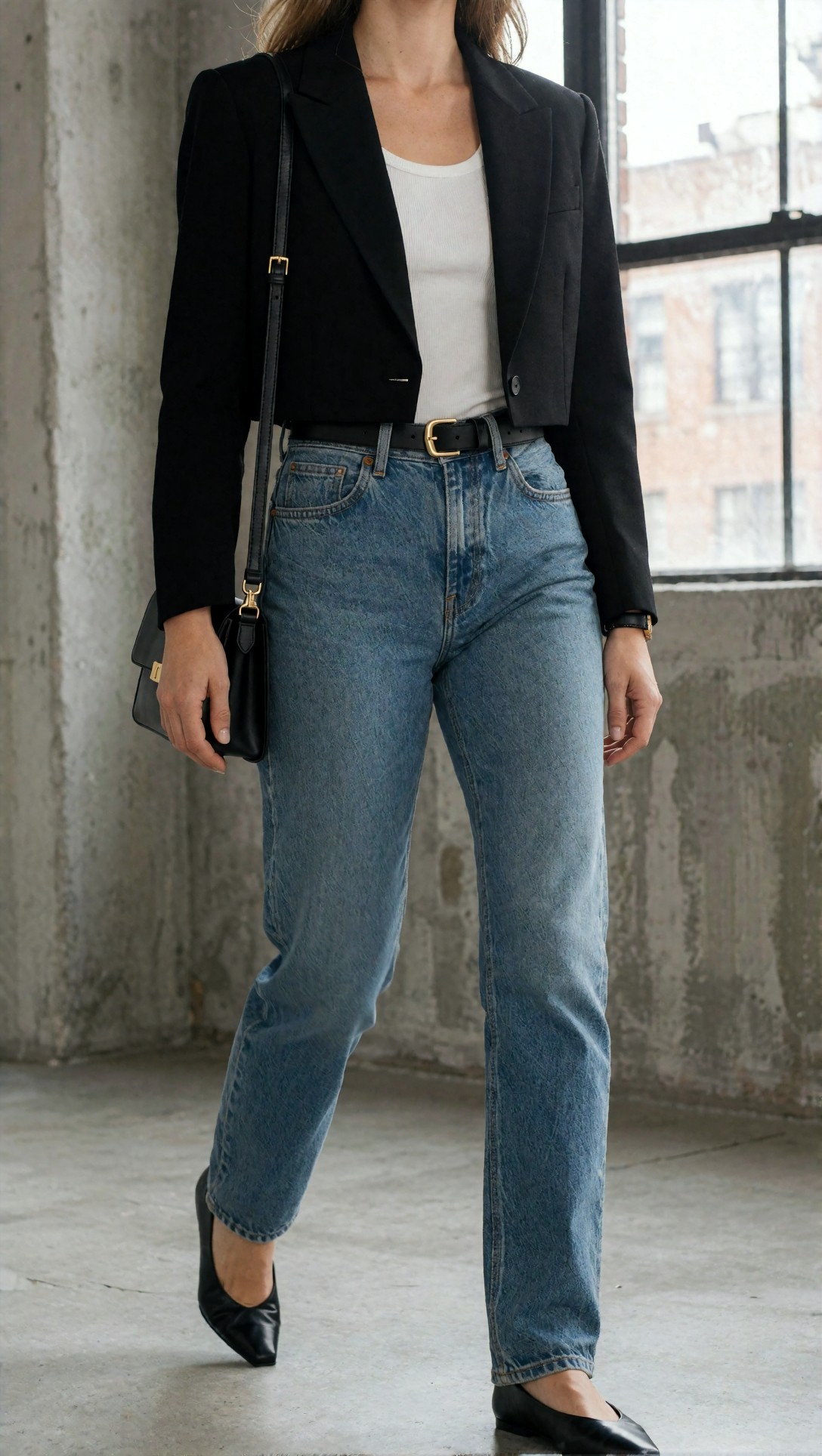
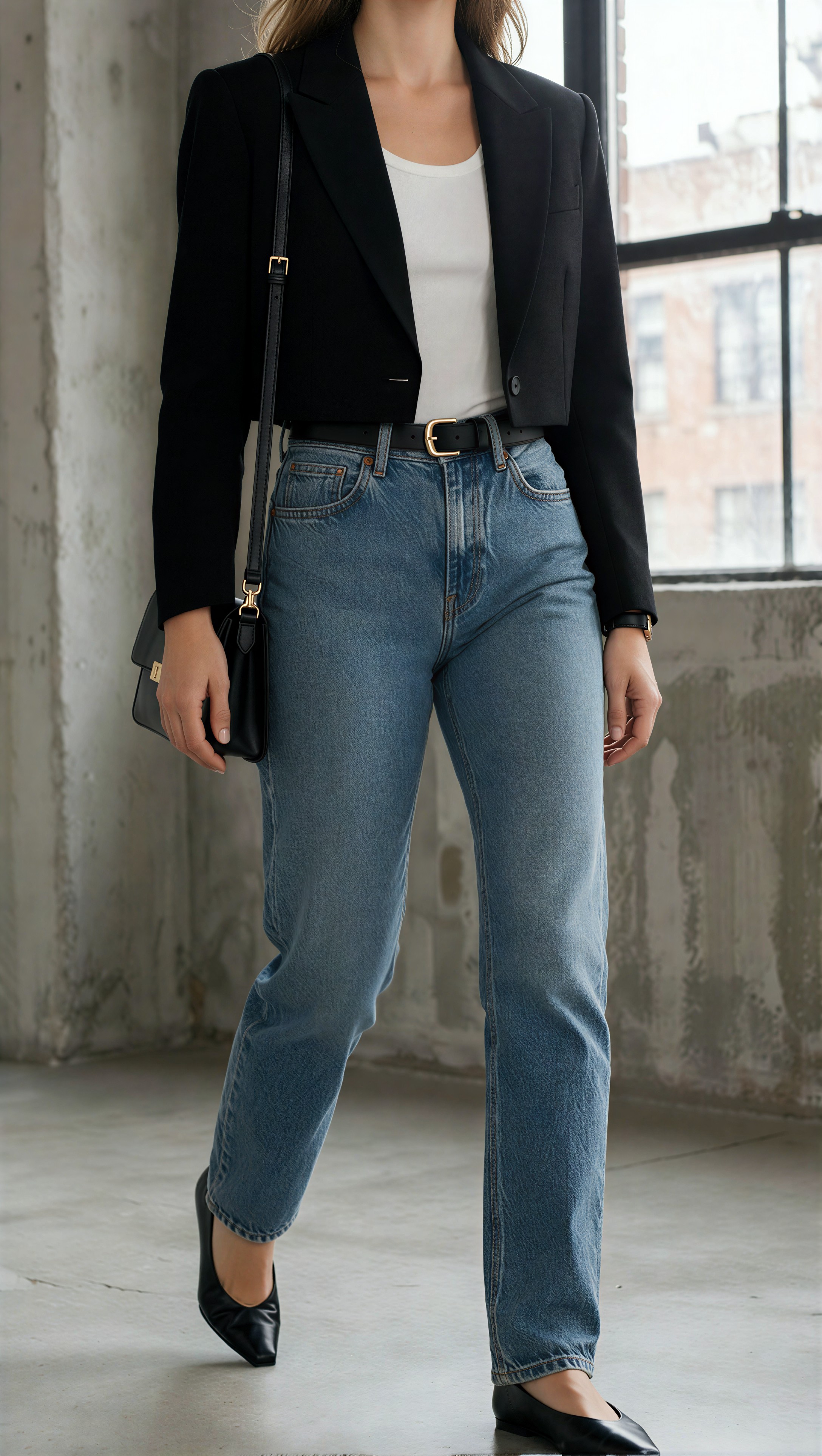
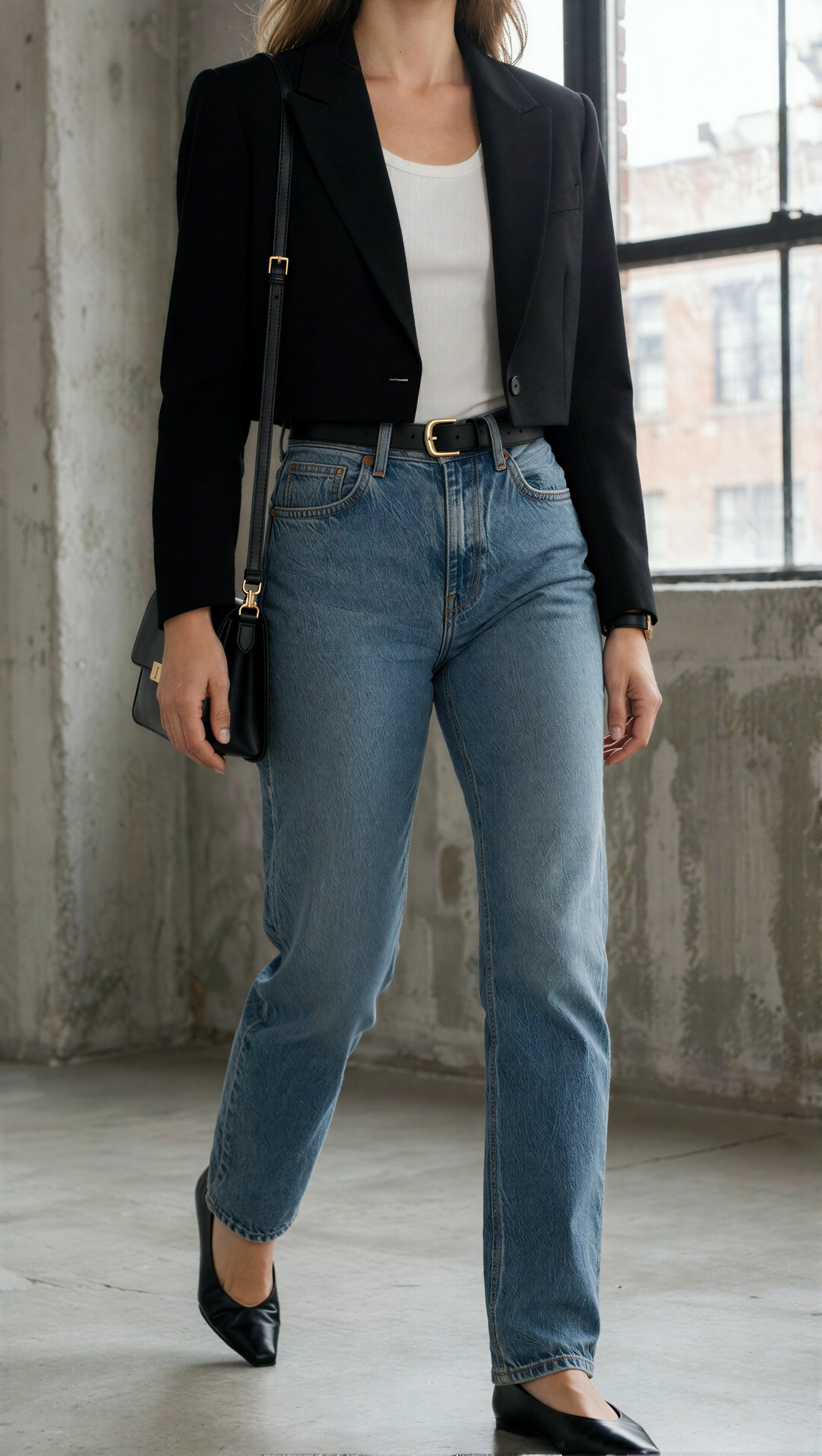
매칭된 3B와 7B 출력에서 어깨부터 신발까지 바깥쪽 실루엣을 비교한다. 다리, 손, 가방 스트랩이 구조적으로 깔끔하게 유지된다면 3B 결과는 배치 선별용으로 충분히 좋다.
스튜디오 비교 리포트: SeedVR2 7B가 더 안전한 최종 패스였던 이유
설정: SeedVR2 3B와 SeedVR2 7B 모두에 동일한 원본 Krea2 Turbo 소스 이미지를 사용했으며, 2x 업스케일을 적용하고 실행 간 소스 변경은 없었다. 출력은 3B를 왼쪽, 7B를 오른쪽에 나란히 배치한 뒤 전체 크기로 검사했다.
예상 결과: 더 큰 모델은 부드러운 엣지와 배경 흐림을 줄이면서 미세한 패션 디테일을 보존해야 한다. 로고, 텍스트, 또는 새로운 의상 특징을 만들어내서는 안 된다.
관찰 결과: SeedVR2 7B는 공개용 패션 이미지에서 중요한 영역에서 더 안정적이었다. 데님 직조는 연속성이 더 좋았다. 가방 스트랩은 몸통을 가로지르는 선이 더 깔끔하게 유지되었다. 머리카락은 잘라 붙인 것처럼 보이지 않으면서 배경에서 분리되었다. 블레이저 라펠은 구조가 더 명확했고 흐림이 적었다.
최종 판단: 패션 룩북, 제품 에디토리얼, 소셜 프리뷰 커버, 또는 기사 hero image라면 SeedVR2 7B를 선택하겠다. 더 많은 리소스가 필요하고 더 느리게 느껴질 수 있지만, 추가적인 정제는 이미지에 필요한 바로 그 지점에서 드러났다.
소스 이미지 테스트 4: 반복 의상 일관성을 위한 카탈로그 그리드 페이지
이 테스트는 업스케일이 더 디자인된 패션 레이아웃에서 여러 의상 가장자리를 일관되게 유지할 수 있는지 확인합니다. 가짜 텍스트나 로고가 생길 위험을 발견하는 데도 좋습니다.
Topic: SeedVR2 2x upscaling test source for fashion catalog consistency
Genre: Product Editorial
Camera: Sony A7R V
Lens: 35mm f/4
Lighting: Softbox key light with gentle fill and controlled shadows
Location: Bright studio catalog set with off-white floor and modular panels
Style: Minimal fashion catalog grid page
Final Prompt: catalog grid page style fashion image showing one adult model in a complete street fashion outfit across a clean editorial layout, cropped black blazer, white ribbed tank, straight blue denim, compact shoulder bag, black loafers, silver jewelry, four subtle pose variations within one tidy catalog composition, full outfit logic visible in each pose, off-white studio panels, softbox lighting, precise garment edges, visible tank ribbing and denim seams, clean negative space, modern retail styling, no brand logos, no readable text, no distorted typography
비교 이미지 4
두 출력 모두에 동일한 Krea2 소스 이미지가 사용되었습니다. 왼쪽은 SeedVR2 3B, 오른쪽은 SeedVR2 7B입니다.
| Krea2 소스 | SeedVR2 3B 출력 | SeedVR2 7B 출력 | | --- | --- | --- | | !Krea2 소스 테스트 4 · seed 941251659 | !SeedVR2 3B 테스트 4 · seed 941251659 | !SeedVR2 7B 테스트 4 · seed 941251659 |
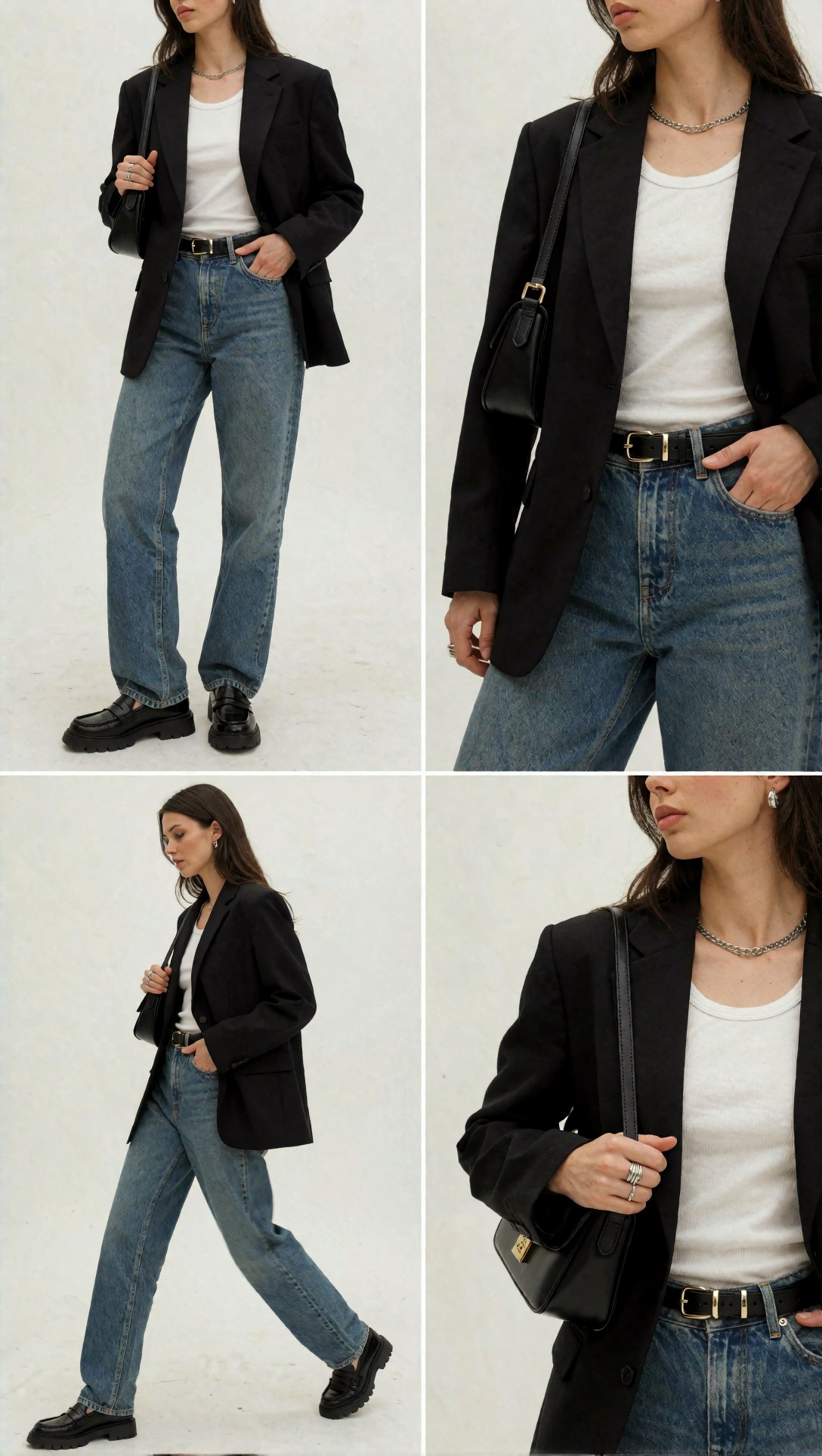
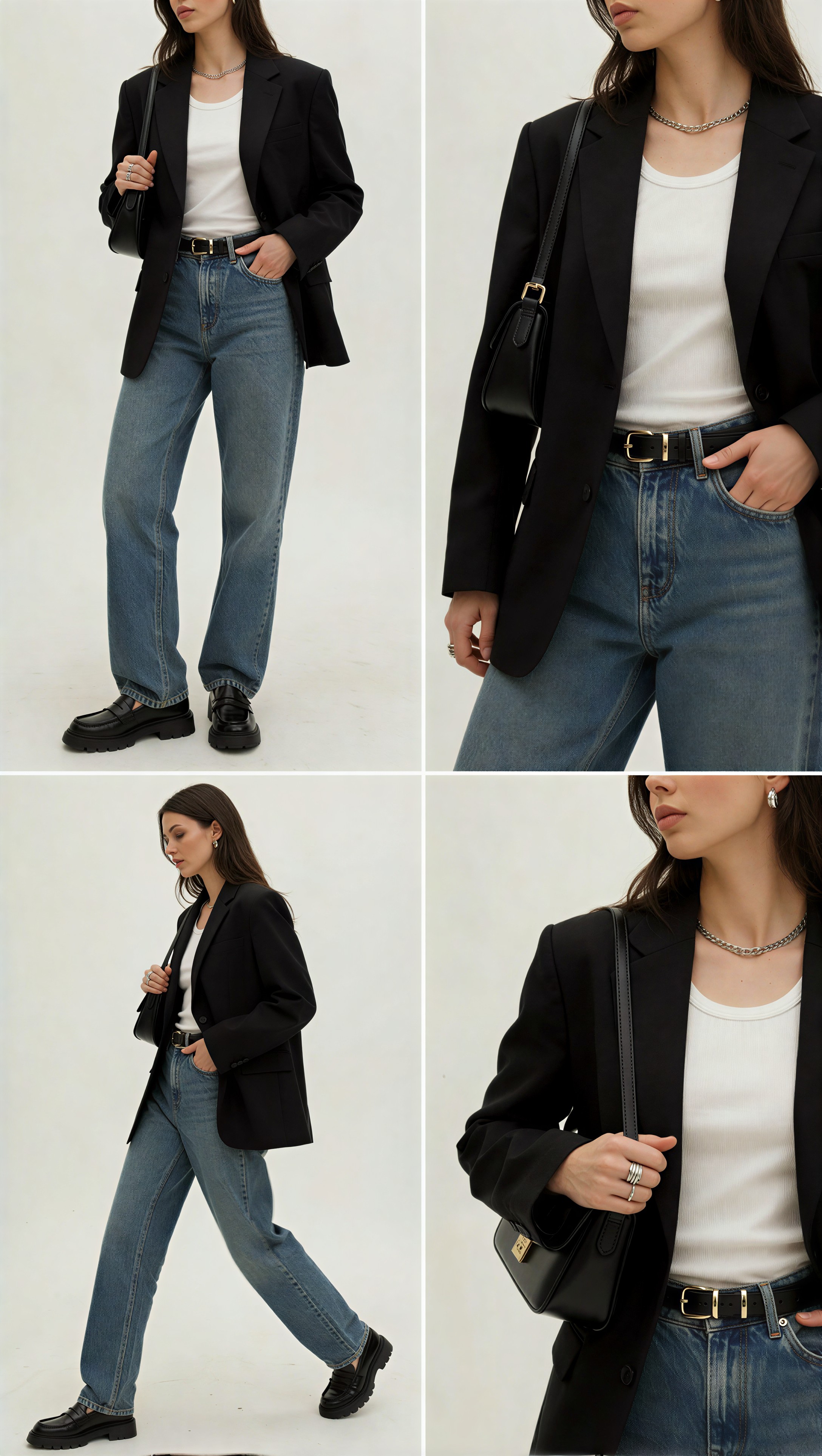
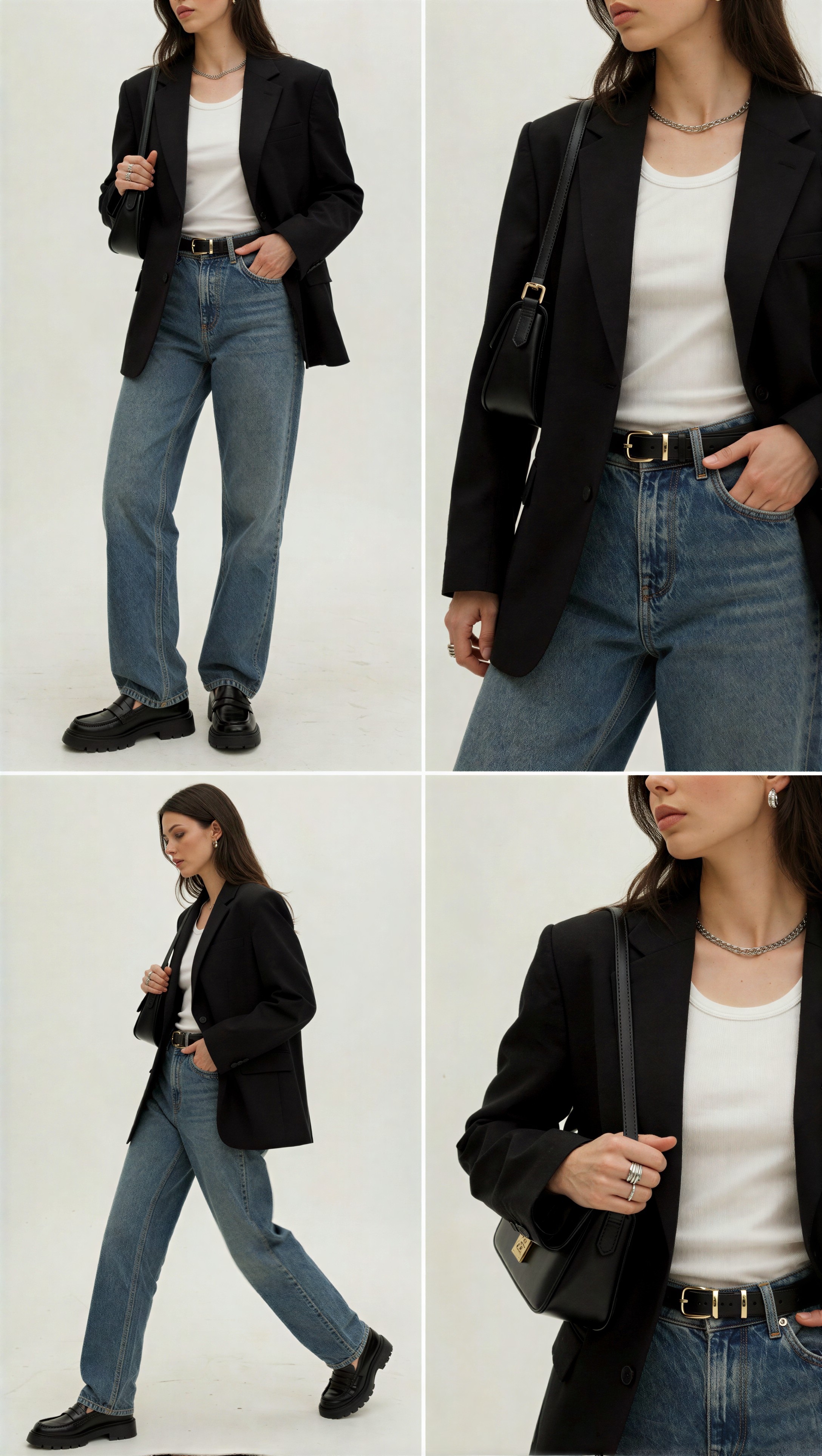
그리드 테두리, 의류 솔기, 그리고 가짜 typography로 변할 수 있는 빈 공간을 확인하세요. 제 테스트에서는 레이아웃에 반복되는 가장자리와 깔끔한 negative space가 있을 때 7B가 더 안전한 선택이었습니다.
소스 이미지 테스트 5: motion-edge 제어를 위한 런웨이/백스테이지 순간
이 테스트는 제어된 움직임을 추가합니다. 소스 이미지가 완전히 정적인 상태가 아닐 때 upscaler가 머리카락, 손, 의상 밑단을 안정적으로 유지할 수 있는지 확인하는 데 유용합니다.
Topic: SeedVR2 2x upscaling test source for moving fashion edges
Genre: Runway Backstage
Camera: Nikon Z8
Lens: 24-70mm f/2.8 at 50mm
Lighting: Mixed backstage soft panels with natural corridor spill
Location: Milan backstage corridor with garment racks blurred in the background
Style: Documentary fashion week realism
Final Prompt: runway backstage moment of one adult model walking through a Milan corridor wearing a cropped black blazer layered over a white ribbed tank, straight blue denim, black slingback shoes, compact shoulder bag, slim sunglasses in hand, complete outfit visible, slight motion in the step but face and garments sharp, garment racks softly blurred behind, backstage soft panel lighting with natural daylight spill, realistic hair strands, crisp blazer hem, clean denim seams, accurate hands, editorial documentary texture, no logos, no readable signage
비교 이미지 5
두 출력 모두에 동일한 Krea2 소스 이미지가 사용되었습니다. 왼쪽은 SeedVR2 3B, 오른쪽은 SeedVR2 7B입니다.
| Krea2 소스 | SeedVR2 3B 출력 | SeedVR2 7B 출력 | | --- | --- | --- | | !Krea2 소스 테스트 5 · seed 217906039 | !SeedVR2 3B 테스트 5 · seed 217906039 | !SeedVR2 7B 테스트 5 · seed 217906039 |
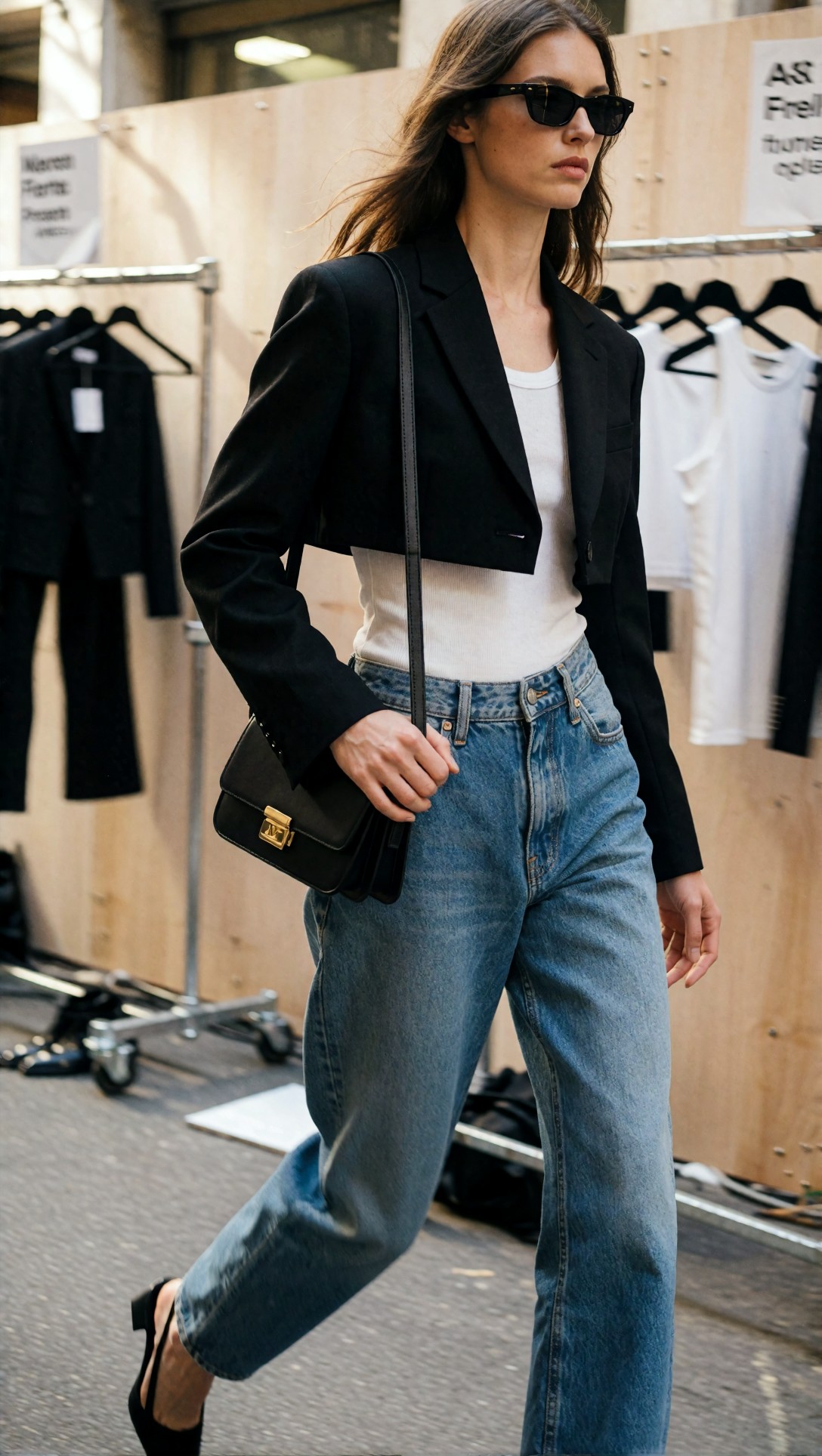
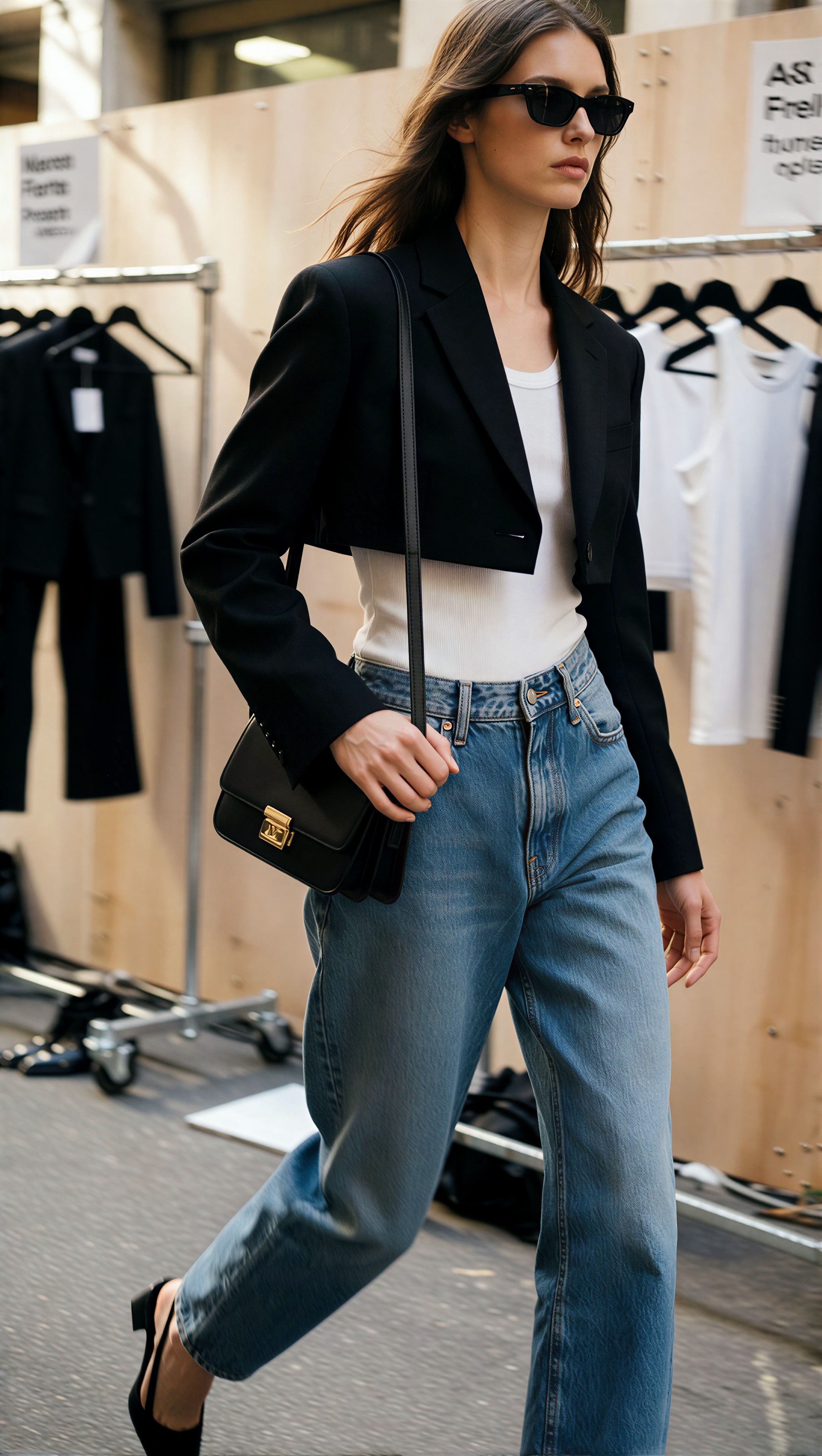
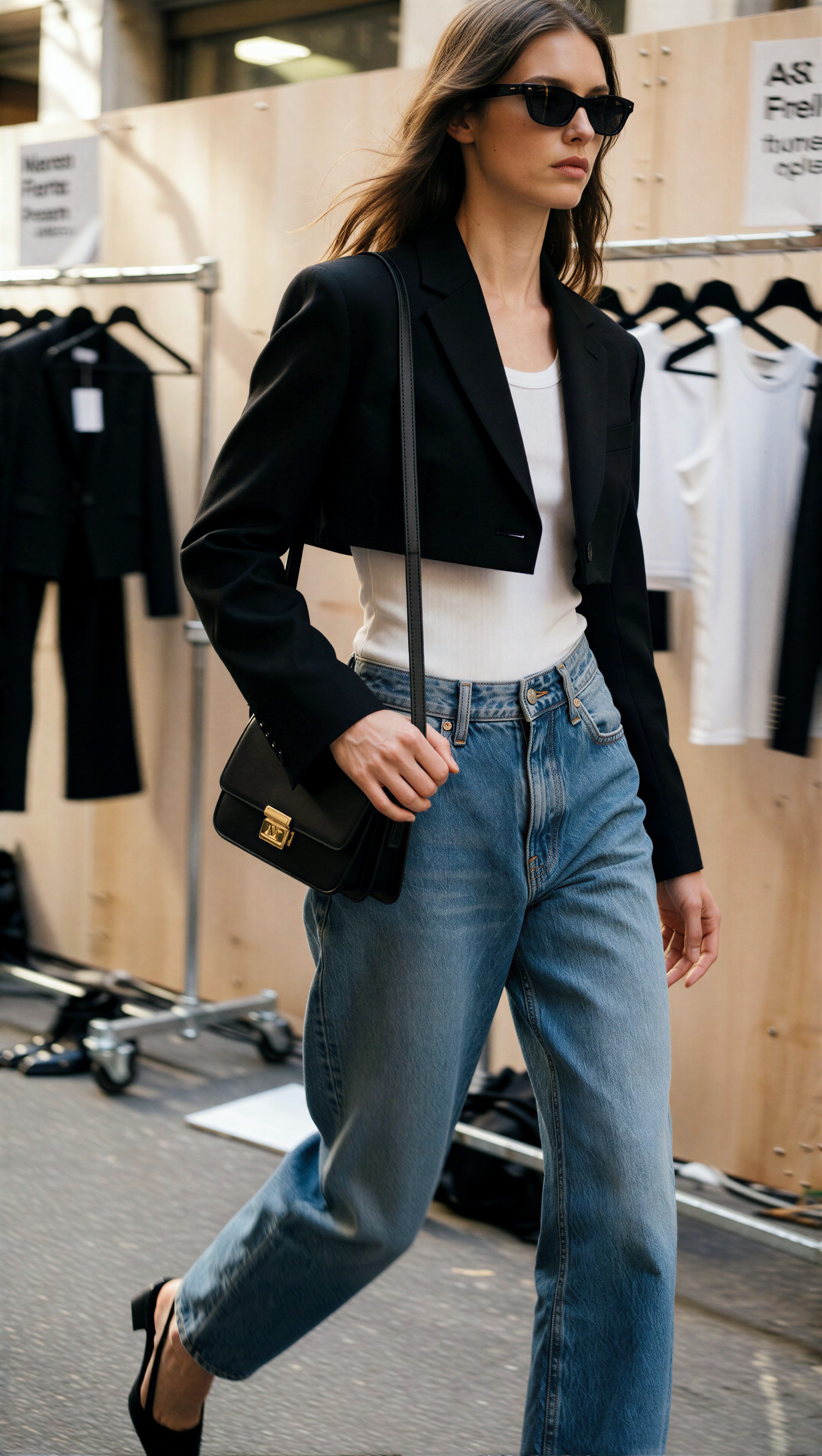
업스케일 후에는 움직이는 발, 흔들리는 손, 블레이저 밑단을 확인하세요. SeedVR2 3B는 이런 종류의 소스를 미리 보는 데는 충분하지만, motion edge가 article size에서도 유지되어야 한다면 7B를 우선하는 것이 좋습니다.
디테일 복원: 개선된 점과 그렇지 않은 점
7B 출력은 단순히 인위적인 선명함을 더한 것이 아니었습니다. 개선은 소스에 실제 시각 정보가 있지만 경계가 부드러운 부분에서 가장 잘 보였습니다.
머리카락 가닥은 헬멧처럼 변하지 않으면서 더 읽기 쉬워졌습니다. 흰색 탱크톱의 ribbing은 방향성이 더 잘 유지되었습니다. denim weave에는 무작위로 거칠게 뭉개지는 패치가 줄었습니다. compact shoulder bag은 플라스틱처럼 변하지 않으면서 표면 정의를 유지했습니다. 블레이저 라펠은 더 구조적으로 보였고 덜 번져 보였습니다.
3B도 전체 의상에서는 괜찮은 성능을 보였습니다. black blazer, white tank, blue jeans, bag이라는 의상 hierarchy를 유지했습니다. 많은 upscaler가 텍스처를 개선하면서 styling logic을 손상시킬 수 있기 때문에 이 점은 중요합니다. 여기서 3B는 대체로 룩을 온전히 유지했습니다. 문제는 자세히 들여다볼 때의 신뢰도였습니다. 작은 artifact가 더 빨리 드러났습니다.
소스 이미지 테스트 6: ribbing, denim, bag texture를 위한 의상 디테일 매크로
이 테스트는 portrait가 아닙니다. fabric과 accessory reconstruction을 위한 제어된 패션 디테일 프레임입니다. 업스케일이 texture를 만들어내는지, 아니면 보존하는지 알아야 할 때 사용하세요.
Topic: SeedVR2 2x upscaling test source for fashion fabric reconstruction
Genre: Product Detail Editorial
Camera: Hasselblad X2D 100C
Lens: 85mm f/2.5
Lighting: Large diffused softbox with low contrast side fill
Location: Quiet studio tabletop and torso crop with neutral taupe background
Style: High-end garment detail macro editorial
Final Prompt: garment detail macro editorial showing the cropped black blazer lapel layered over a white ribbed tank with straight blue denim waistband and compact shoulder bag partially visible, adult fashion styling without face emphasis, close controlled crop focused on textile structure, ribbed cotton pattern, denim weave, blazer wool texture, bag grain, neat seam stitching, soft diffused studio light, neutral taupe background, premium editorial product detail, realistic texture, no logos, no readable text, no exaggerated sharpening
비교 이미지 6
두 출력 모두 동일한 Krea2 소스 이미지를 사용했습니다. 왼쪽은 SeedVR2 3B, 오른쪽은 SeedVR2 7B입니다.
| Krea2 source | SeedVR2 3B output | SeedVR2 7B output | | --- | --- | --- | | !Krea2 source Test 6 · seed 796412755 | !SeedVR2 3B Test 6 · seed 796412755 | !SeedVR2 7B Test 6 · seed 796412755 |
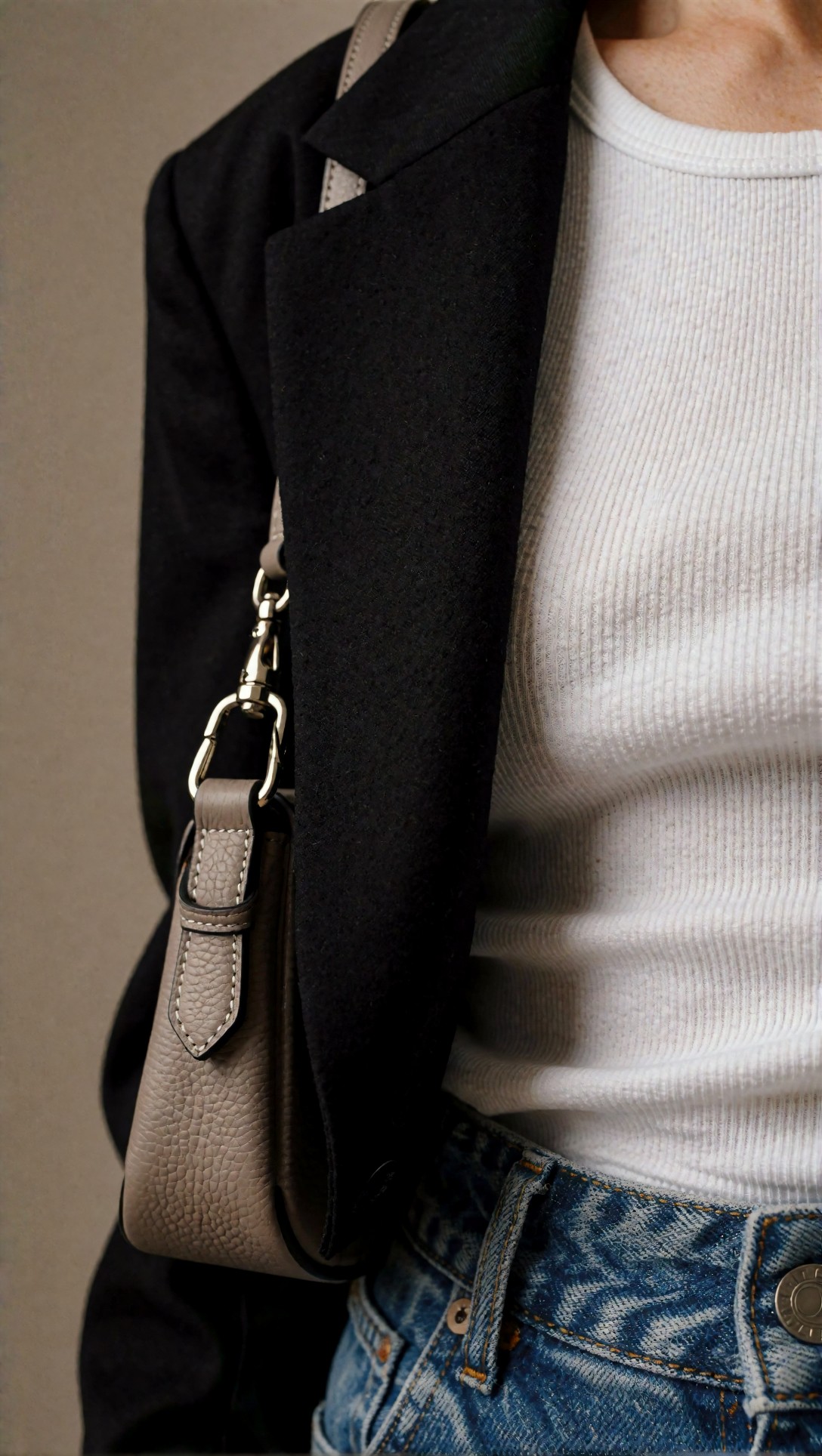
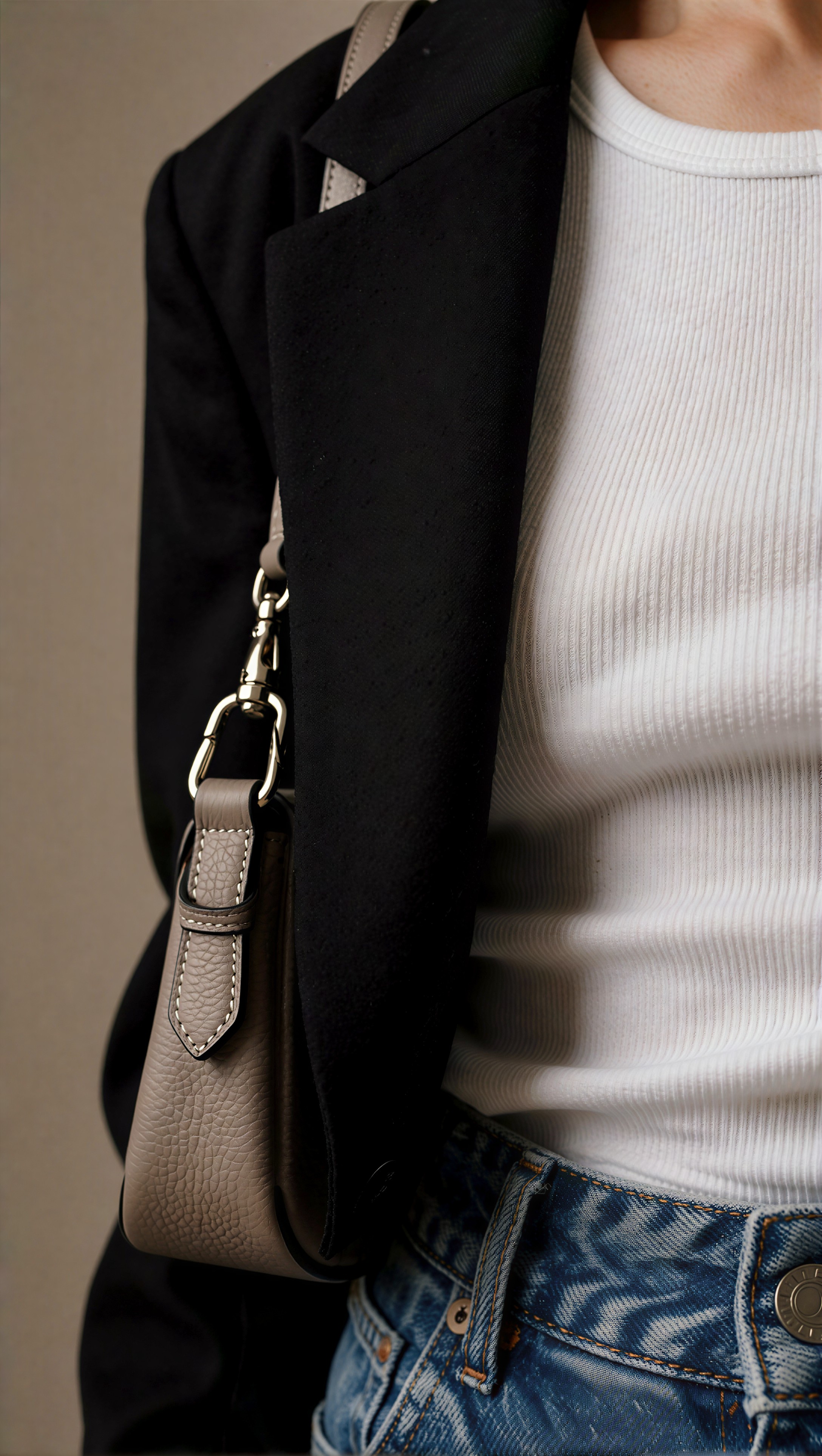
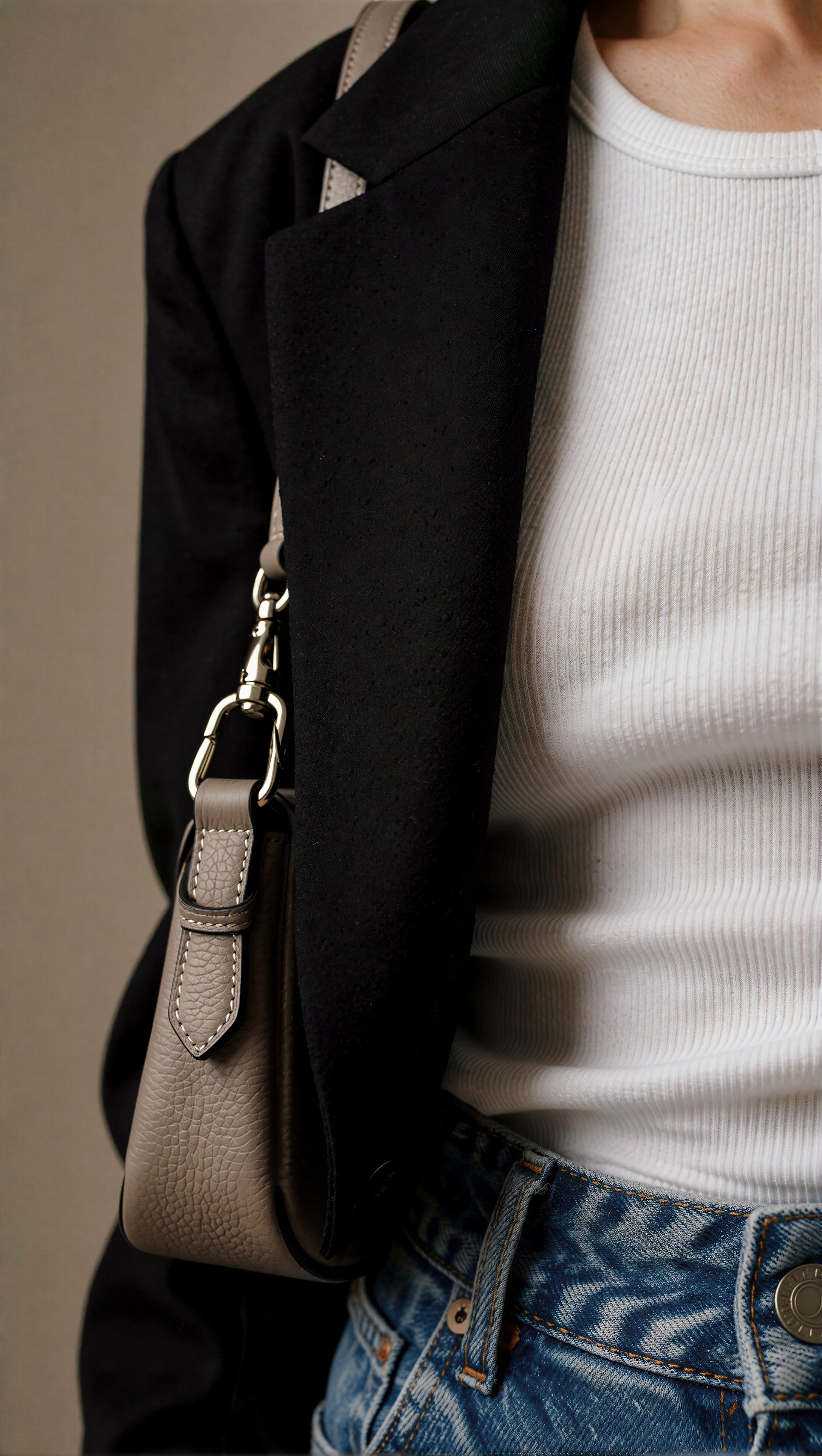
2x 이후 골지 방향과 데님 스티칭을 비교해 보세요. 좋은 결과는 사포가 아니라 직물처럼 보여야 합니다. 7B 출력은 단순히 더 선명하게 만드는 대신 텍스처의 일관성을 유지하는 데 더 나았습니다.
가장자리 안정성과 정리
이것이 제가 최종 사용에서 SeedVR2 7B를 선호한 주된 이유였습니다.
깔끔한 도시 배경 덕분에 가장자리 문제가 쉽게 보였습니다. 모델 실루엣 주변에서 3B는 가끔 부드러운 회색 테두리를 남겼습니다. 갤러리 크기에서는 항상 눈에 띄지는 않았지만, 헤어라인과 검은 블레이저 어깨를 확대하면 나타났습니다. 가방 스트랩도 검은 블레이저, 흰 탱크톱, 데님처럼 서로 다른 소재를 가로질렀기 때문에 재구성 문제를 드러냈습니다.
SeedVR2 7B는 이런 혼합 소재 영역에서 더 깔끔한 경계를 보여주었습니다. 라펠 가장자리는 덜 흔들렸습니다. 헤어라인은 흐림이 더 적었습니다. 손은 작은 녹아내린 형태가 생길 가능성이 더 낮아 보였지만, 소스의 약한 손은 여전히 위험 요소로 남았습니다.
소스 이미지 테스트 7: 가방 스트랩과 오브젝트 가장자리를 위한 액세서리 클로즈업
이 소스 이미지 테스트는 컴팩트 숄더백과 스트랩을 분리해서 확인합니다. 가방 스트랩은 업스케일러가 가장자리를 이해하는지, 아니면 단순히 대비만 선명하게 만드는지 자주 드러내기 때문에 유용합니다.
Topic: SeedVR2 2x upscaling test source for shoulder bag and strap reconstruction
Genre: Luxury Accessories Editorial
Camera: Sony A1
Lens: 70mm f/2.8
Lighting: Soft directional window light with subtle reflector fill
Location: Clean city cafe exterior with cream wall and dark metal table edge
Style: Modern accessories campaign with street styling
Final Prompt: accessories close-up fashion editorial of one adult model cropped from shoulder to hip, cropped black blazer over white ribbed tank, straight blue denim waistband visible, compact black shoulder bag with clean strap crossing the torso, small silver watch and ring, hand lightly touching the bag, cream city cafe wall in the background, soft directional window light, visible bag grain, accurate strap edge, ribbed tank texture, denim seam, realistic hand anatomy, refined street fashion styling, no logos, no readable text, no fake hardware markings
비교 이미지 7
두 출력 모두 동일한 Krea2 소스 이미지를 사용했습니다. 왼쪽은 SeedVR2 3B, 오른쪽은 SeedVR2 7B입니다.
| Krea2 source | SeedVR2 3B output | SeedVR2 7B output | | --- | --- | --- | | !Krea2 source Test 7 · seed 668780710 | !SeedVR2 3B Test 7 · seed 668780710 | !SeedVR2 7B Test 7 · seed 668780710 |
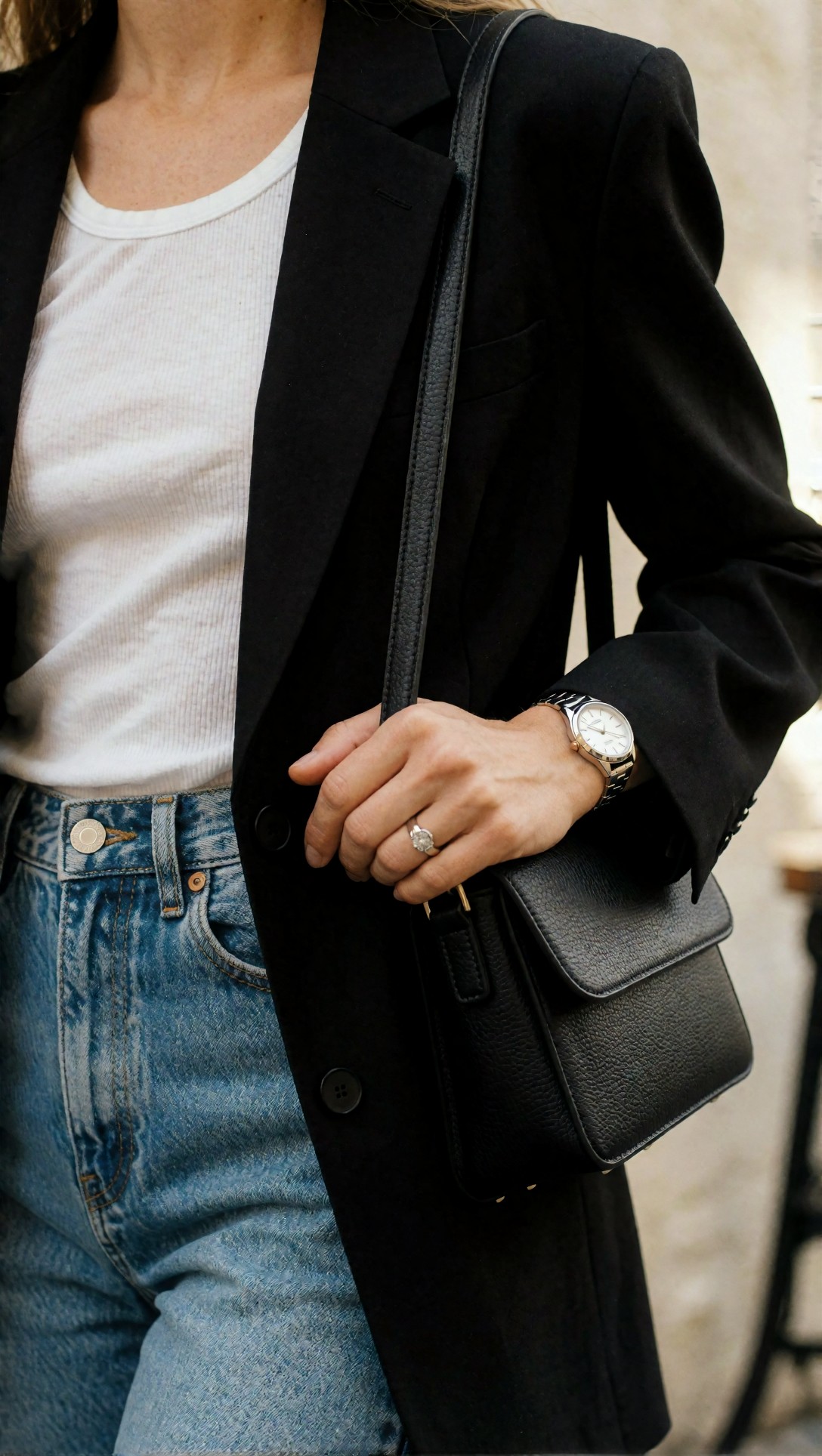
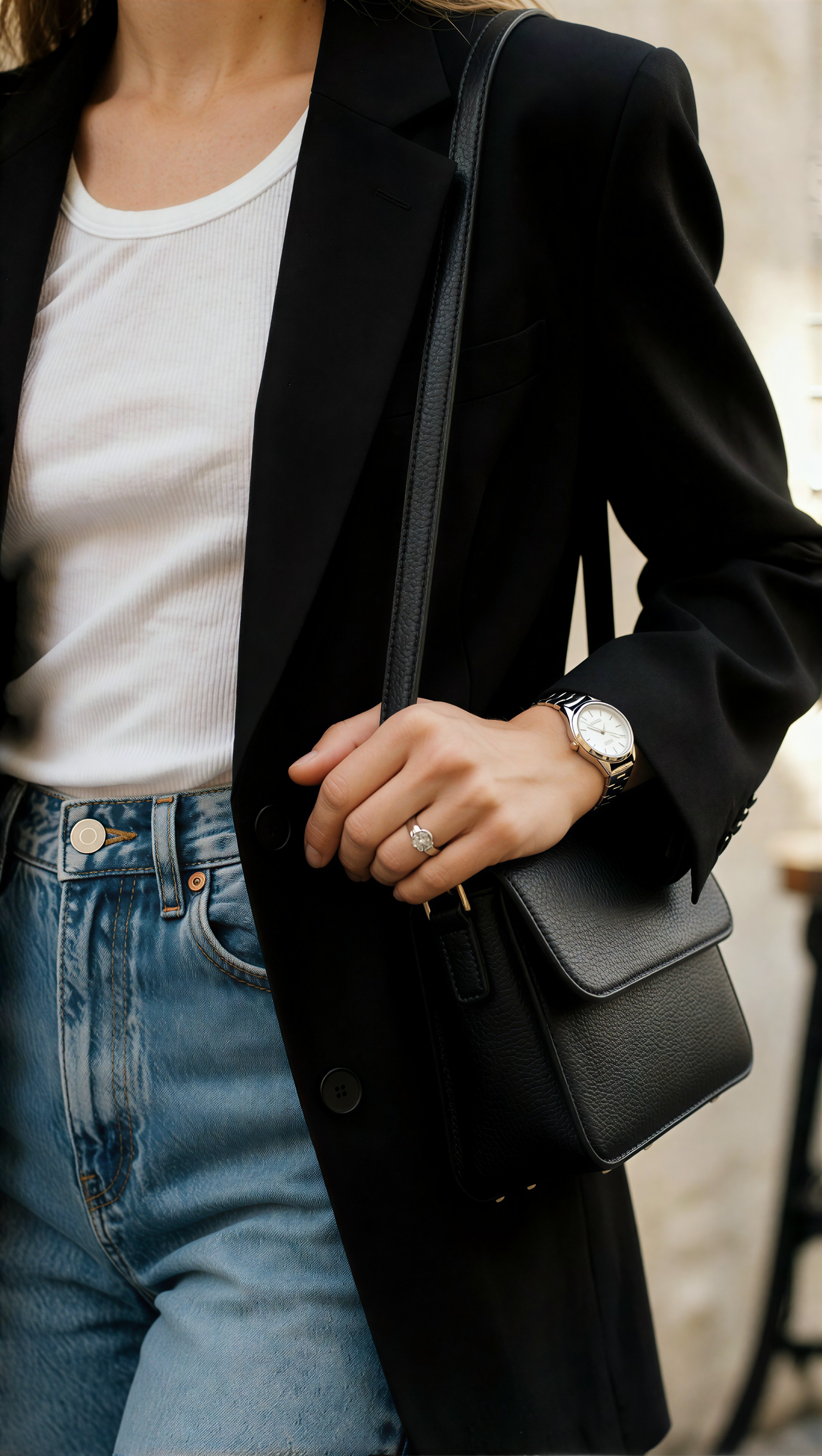
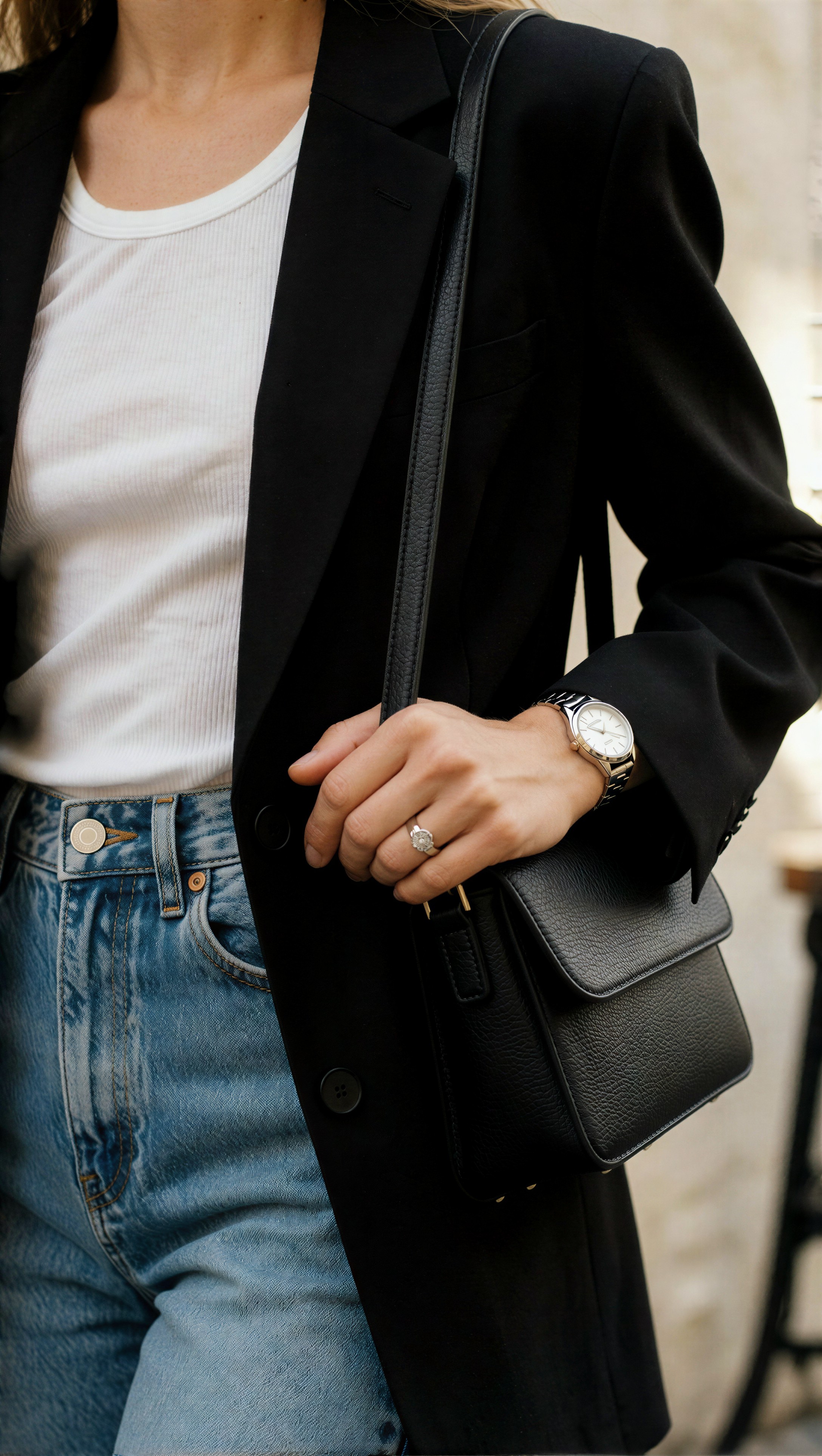
스트랩이 흰 탱크톱을 가로지르는 부분을 확인해 보세요. 스트랩이 끊기지 않고 손이 깨끗하다면 3B도 통과할 수 있습니다. 가방이 단순한 스타일링 소품이 아니라 제품 디테일일 때는 7B가 더 좋습니다.
출력이 어려움을 보인 부분
어느 버전도 마법은 아닙니다. 소스 이미지에 이미 나쁜 손, 반쯤 형성된 머리카락, 지저분한 솔기, 가짜 브랜드 표시가 있다면, 2x 업스케일링은 그런 문제를 더 잘 보이게 만들 수 있습니다.
매번 확인할 실패 위험 요소는 다음과 같습니다.
- 숄더백, 벨트, 버튼, 선글라스, 배경 간판의 가짜 텍스트 또는 로고 표시.
- 옅은 벽을 배경으로 한 검은 블레이저 가장자리 주변의 halo.
- 원본 이미지에서 얼굴이 너무 부드러울 때 생기는 왁스 같은 피부.
- 들쭉날쭉하거나 지퍼처럼 변하는 데님 솔기.
- 무작위 스크래치처럼 변하는 골지 탱크톱 텍스처.
- 몸통을 가로지르는 부분에서 끊기는 가방 스트랩.
- 주름이 과하게 늘어나거나, 손가락이 붙거나, 손톱이 뒤틀리는 손.
- 타일, 간판, 거리 잡동사니를 만들어내는 배경 정리.
일반 갤러리 크기에서는 이런 문제 중 일부를 놓치기 쉽습니다. 그래서 저는 두 단계 검사를 추천합니다. 먼저 갤러리 보기로 확인하고, 그다음 전체 해상도 크롭을 확인하세요.
소스 이미지 테스트 8: 배경 정리와 가짜 텍스트 위험을 위한 스토어프런트 디스플레이
이 테스트는 깔끔한 리테일 맥락을 사용합니다. 스토어프런트, 라벨, 디스플레이 블록은 모델이 읽을 수 없는 텍스트를 만들어내도록 유도할 수 있기 때문에 배경 정리 테스트에 유용합니다.
Topic: SeedVR2 2x upscaling test source for clean fashion background and text risk
Genre: Retail Fashion Editorial
Camera: Panasonic Lumix S5IIX
Lens: 35mm f/2
Lighting: Bright overcast street light with soft storefront reflection
Location: Scandinavian minimalist fashion storefront with blank display plinths and pale stone pavement
Style: Instagram-ready retail street editorial
Final Prompt: storefront display fashion editorial with one adult model standing head to toe beside a minimalist Scandinavian retail window, cropped black blazer, white ribbed tank, straight blue denim, black leather loafers, compact shoulder bag, slim bracelet and small earrings, full outfit visible, relaxed pose facing slightly away from the glass, blank display plinths behind, pale stone pavement, bright overcast daylight, clean background boundaries, visible fabric texture, no brand logos, no readable text, no signage, neutral black white blue and stone palette, polished fashion retail composition
비교 이미지 8
두 출력 모두 동일한 Krea2 소스 이미지를 사용했습니다. 왼쪽은 SeedVR2 3B, 오른쪽은 SeedVR2 7B입니다.
| Krea2 source | SeedVR2 3B output | SeedVR2 7B output | | --- | --- | --- | | !Krea2 source Test 8 · seed 438742247 | !SeedVR2 3B Test 8 · seed 438742247 | !SeedVR2 7B Test 8 · seed 438742247 |
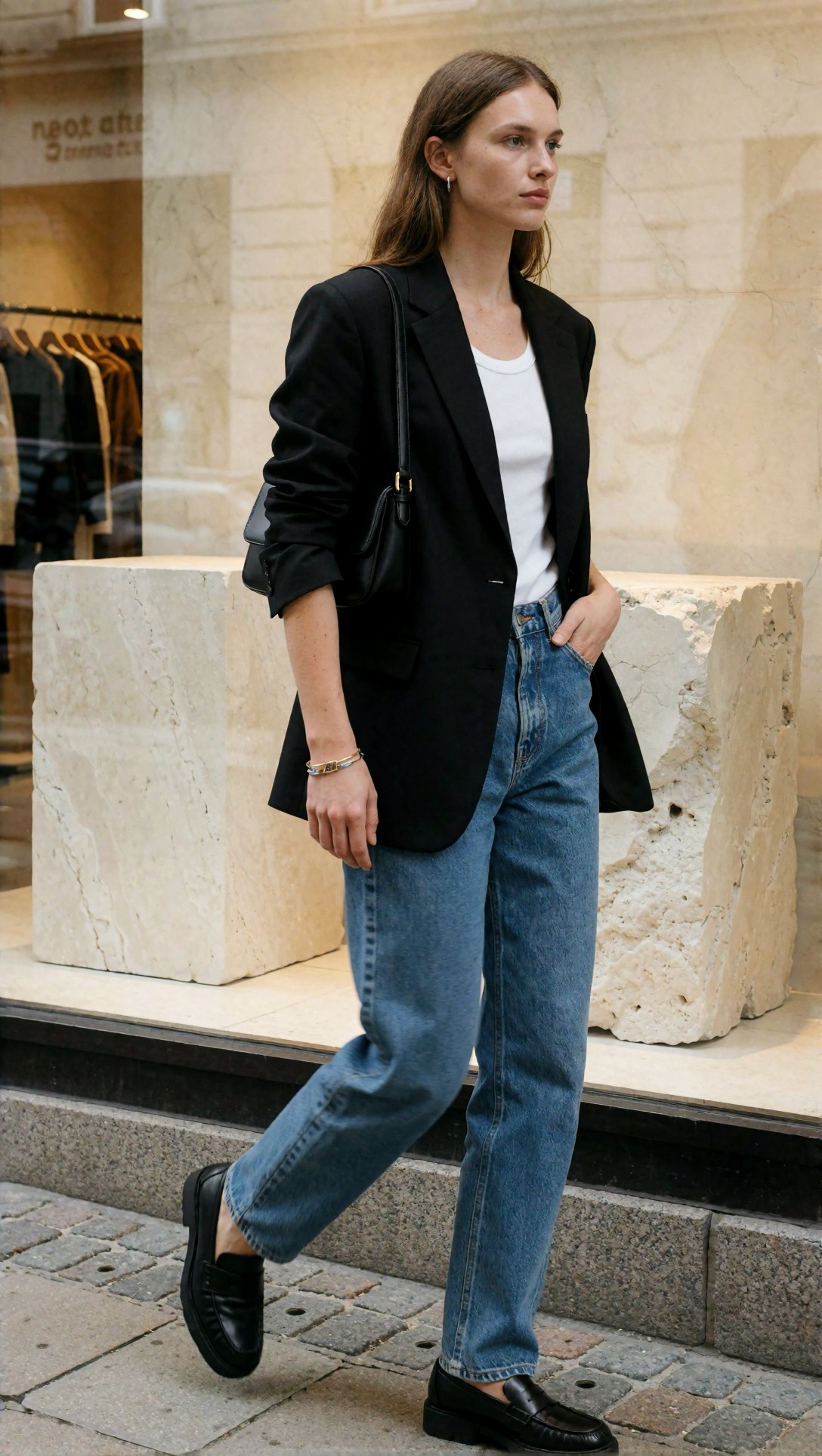
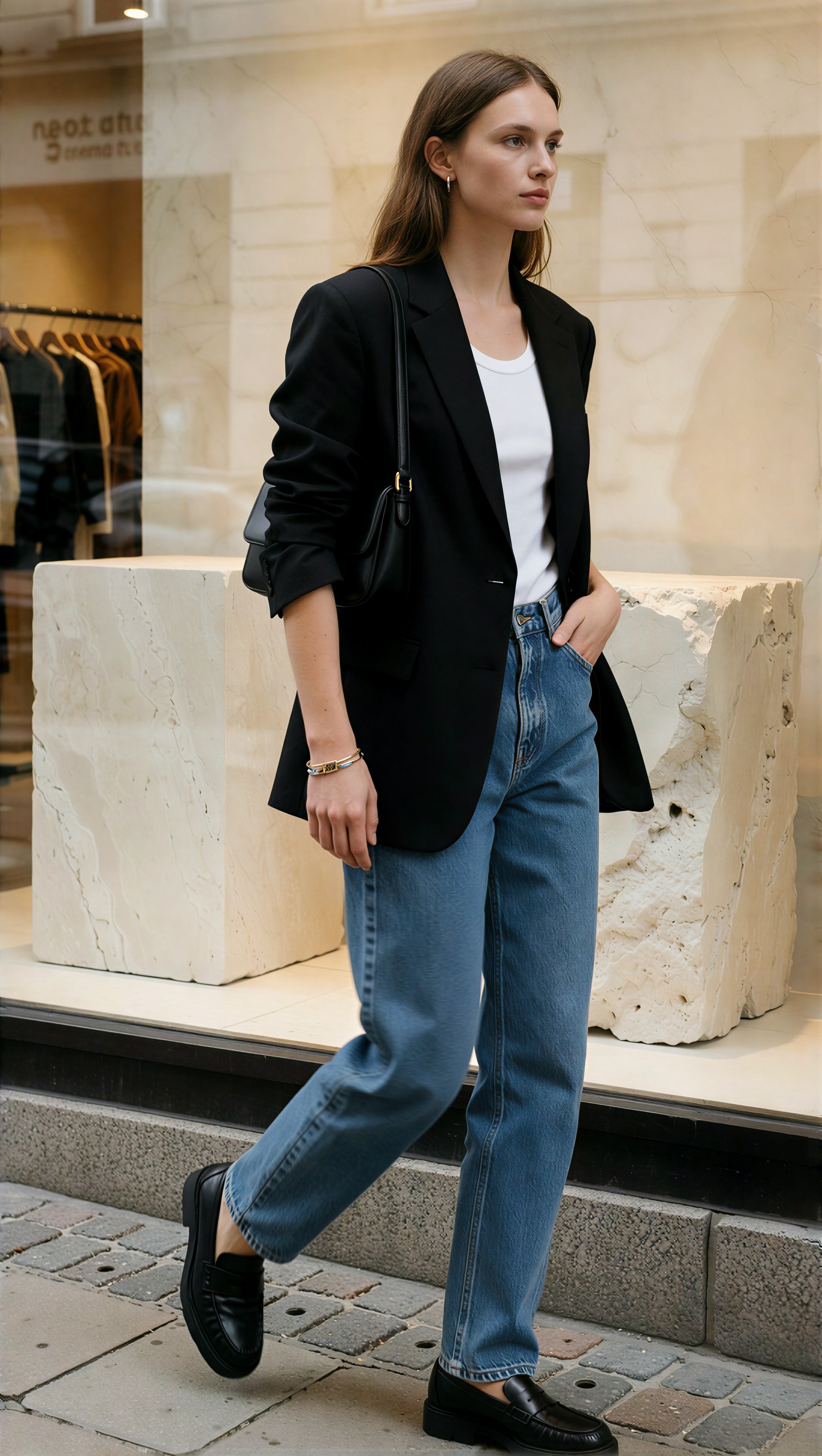
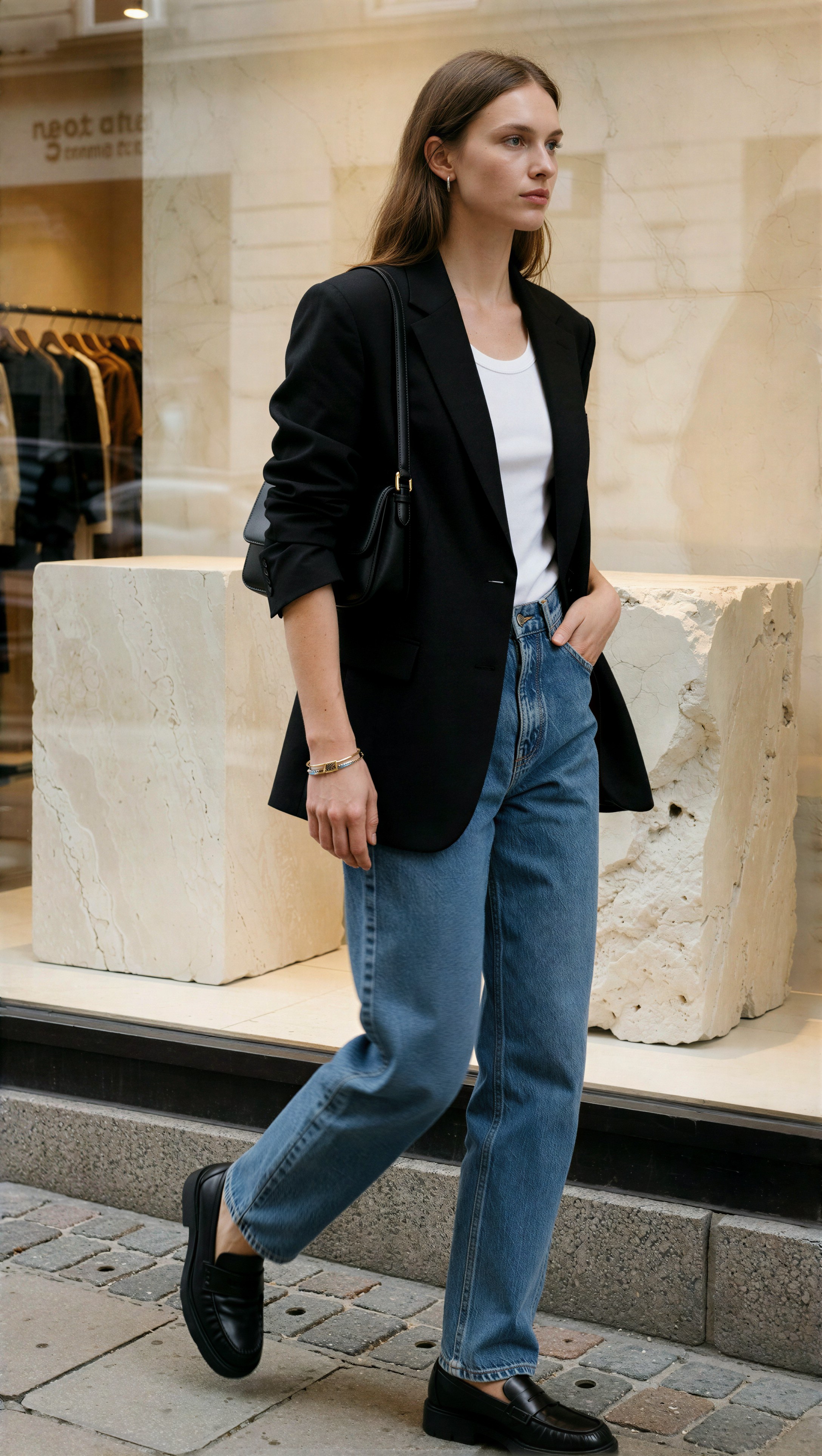
업스케일링 후에는 스토어프런트 유리, 디스플레이 plinth, 그리고 빈 벽을 확인하세요. 7B는 배경을 깔끔하게 유지하는 데 더 나았지만, 두 버전 모두 게시 전에 텍스트 위험 검사가 여전히 필요합니다.
권장 설정 및 검사 워크플로
이 특정 테스트에서는 기본 업스케일 배율을 2x로 유지하겠습니다. 이미지를 과도하게 재구성된 느낌으로 밀어붙이지 않으면서 디테일을 개선하기에 충분합니다.
제가 사용하는 실전 워크플로는 다음과 같습니다.
1. 깨끗한 2M-pixel Krea2 Turbo 소스 이미지를 만들거나 선택합니다. 2. 동일한 소스를 SeedVR2 3B로 2x 처리합니다. 3. 동일한 소스를 SeedVR2 7B로 2x 처리합니다. 4. 3B 결과물을 왼쪽에, 7B 결과물을 오른쪽에 배치합니다. 5. 먼저 갤러리 크기에서 비교합니다. 6. 헤어라인, 블레이저 라펠, 탱크톱 골지, 데님 솔기, 손, 가방 스트랩을 확대해 확인합니다. 7. 깔끔한 배경에 가짜 디테일, 로고, 텍스트가 생겼는지 확인합니다. 8. 7B가 명확히 우세할 때는 히어로 이미지나 에디토리얼 게시에 사용합니다. 9. 약간의 가장자리 부드러움이 허용되는 프리뷰, 배치 선별, 빠른 제작에는 3B를 사용합니다.
업스케일링 전에 소스 이미지를 만드는 중이라면, 업스케일러로 보내기 전에 패션 샷을 다듬는 데 [zview create page](/create)와 [Prompt Lab](/promptlab)이 유용합니다. 소스 이미지가 좋을수록 업스케일러가 추측해야 할 부분은 줄어듭니다.
3B vs 7B: 실전 비교 표
| 테스트 영역 | SeedVR2 3B | SeedVR2 7B | |---|---|---| | 최적 용도 | 빠른 프리뷰, 저 VRAM 워크플로, 배치 선별 | 최종 에디토리얼 출력, 히어로 이미지, 룩북 게시 | | 디테일 복원 | 전반적인 의상 가독성은 좋지만, 마이크로 디테일은 더 부드러움 | 머리카락, 원단, 솔기, 액세서리 보존이 더 강함 | | 가장자리 재구성 | 허용 가능한 수준이지만, halo와 부드러운 프린지 위험이 더 큼 | 라펠, 헤어라인, 가방 스트랩, 실루엣 경계가 더 깔끔함 | | 배경 정리 | 보통 갤러리 크기에서는 괜찮지만, 노이즈가 낀 가장자리를 확인해야 함 | 테스트한 도시 배경에서 더 깔끔했고, 산만한 아티팩트가 적음 | | 피부와 머리카락 | 약한 영역에서 약간 매끈하거나 흐릿해 보일 수 있음 | 소스에 충분한 디테일이 있을 때 더 자연스러운 분리감 | | 데님과 골지 탱크톱 | 텍스처의 느낌은 유지하지만, 때때로 노이즈가 생김 | 직조와 골지 방향이 더 일관됨 | | 처리 느낌 | 더 가볍고 빠른 반복 작업에 실용적 | 더 무겁지만, 최종 선택에 더 적합함 | | 게시 선택 | 프리뷰, 소셜 초안, 내부 선택 | 공개 갤러리, 기사 커버, 패션 제품 에디토리얼 |
게시 전 제외 체크리스트
이 체크리스트는 3B뿐 아니라 두 결과물 모두에 사용하세요.
- 가방 스트랩이 몸통을 가로질러 연속적으로 유지되는가?
- 블레이저 라펠에 밝은 halo 없이 깔끔한가?
- 탱크톱 골지가 의상 형태를 따라가는가?
- 데님 직조가 노이즈가 아니라 원단처럼 보이는가?
- 두 손이 전체 해상도에서 해부학적으로 허용 가능한가?
- 배경이 깨끗한가, 아니면 가짜 표지판과 흔적을 만들어냈는가?
- 우발적인 로고, 텍스트 조각, 브랜드처럼 보이는 기호가 있는가?
- 전체 해상도 검사 후에도 갤러리 크기에서 이미지가 여전히 자연스럽게 보이는가?
손, 스트랩, 가짜 텍스트 검사에서 실패한 패션 이미지는 게시하지 않겠습니다. 이런 문제는 보는 사람이 무엇이 잘못됐는지 정확히 설명하지 못하더라도 눈에 띕니다.
SeedVR2 3B를 사용해야 하는 사람
더 가벼운 리소스 조건에서 작업하거나, 메모리 친화적인 워크플로가 필요하거나, 많은 Krea2 Turbo 소스 후보를 빠르게 테스트해야 한다면 SeedVR2 3B를 사용하세요.
최종 용도가 까다롭지 않을 때도 유용합니다. 내부 셀렉트, 빠른 소셜 초안, 프롬프트 반복, 갤러리 프리뷰가 여기에 해당합니다. 이런 경우 3B는 소스 이미지가 최종 패스를 진행할 가치가 있는지 보여주어 시간을 절약할 수 있습니다.
이미지가 고급스러운 텍스처, 머리카락 디테일, 가방 구조, 깨끗한 제품 가장자리에 의존한다면 3B를 최종 버전으로 사용하는 것은 피하겠습니다. 의상이 핵심이라면 그런 작은 디테일이 중요합니다.
SeedVR2 7B를 사용해야 하는 사람
이미지가 공개용이고 스타일링 디테일이 검사 과정에서도 살아남아야 한다면 SeedVR2 7B를 사용하세요. 여기에는 히어로 이미지, 룩북 페이지, 에디토리얼 패션 기사, 리테일 프리뷰, [zview gallery](/gallery)의 갤러리 항목이 포함됩니다.
7B 결과가 썸네일 크기에서 항상 극적으로 다르지는 않았습니다. 가치는 가장자리와 소재를 검사했을 때 드러났습니다. 패션에서는 바로 그 지점에 품질이 있습니다. 솔기, 라펠, 골지, 가방 하드웨어, 헤어라인, 깨끗한 배경 경계가 그렇습니다.
테스트한 스트리트 패션 소스에서 하나의 결과물을 선택해야 한다면, 저는 7B 버전을 게시하겠습니다.
FAQ
SeedVR2 7B는 2x 업스케일링에서 항상 SeedVR2 3B보다 좋은가요?
이 부드러운 자연광 스트리트 패션 테스트에서는 최종 이미지 품질 면에서 SeedVR2 7B가 더 좋았습니다. SeedVR2 3B도 빠른 프리뷰와 가벼운 워크플로에는 여전히 유용했습니다.
패션 이미지에는 2x를 써야 하나요, 아니면 더 높은 업스케일 배율을 써야 하나요?
이 테스트에서는 2x가 더 안전한 기본값이었습니다. 과도한 재구성을 강요하지 않으면서 디테일을 개선했습니다. 더 높은 배율은 아티팩트, 가짜 텍스처, 나쁜 손을 더 눈에 띄게 만들 수 있습니다.
SeedVR2 3B vs 7B 테스트에서 먼저 무엇을 비교해야 하나요?
실루엣과 의상 가장자리부터 시작하세요. 그런 다음 헤어라인, 블레이저 라펠, 골지 탱크톱 텍스처, 데님 솔기, 손, 숄더백 표면, 배경 경계를 확대해 확인하세요.
서로 다른 소스 이미지로 3B와 7B를 비교해도 되나요?
가능은 하지만, 깔끔한 비교는 아닙니다. 유용한 SeedVR2 3B vs 7B 업스케일링 테스트를 하려면 두 결과물에 동일한 원본 소스 이미지를 사용하세요.
패션 룩북 게시에는 어떤 SeedVR2 버전을 사용해야 하나요?
가능하다면 최종 룩북과 에디토리얼 게시에는 SeedVR2 7B를 사용하세요. 빠른 프리뷰, 대량 제작, 소스 이미지 제외에는 SeedVR2 3B를 사용하세요.
에디토리얼 결론
부드러운 자연광 스트리트 패션 이미지의 2x 업스케일링에서는 SeedVR2 7B가 더 안전한 최종 선택입니다. 동일한 Krea2 Turbo 소스 이미지에서 더 깔끔한 가장자리 재구성, 더 나은 원단 보존, 더 강한 머리카락 분리, 더 적은 배경 문제를 보여주었습니다.
SeedVR2 3B에도 분명한 역할이 있습니다. 빠른 테스트, 안정적인 프리뷰, 초기 제외를 위한 실용적인 저 VRAM 현장 도구입니다. 3B 패스에서 이미 망가진 손, 휘어진 스트랩, 가짜 텍스트, 노이즈 낀 가장자리가 보인다면 최종 업스케일링 전에 소스를 수정하세요.
제 추천은 간단합니다. 이미지가 중요하다면 둘 다 실행하세요. SeedVR2 3B를 왼쪽에, SeedVR2 7B를 오른쪽에 두고 나란히 검사한 다음, 히어로 이미지에는 7B를, 빠른 프리뷰나 대량 제작에는 3B를 선택하세요. 이 테스트에서 가장 중요한 설정은 두 결과물 모두에 동일한 소스 이미지와 동일한 2x 업스케일 조건을 유지하는 것입니다.
동일한 소스 이미지가 중요한 이유
업스케일러 비교는 소스 이미지가 고정되어 있을 때만 의미가 있습니다. 각 테스트는 SeedVR2 3B와 SeedVR2 7B 모두에 동일한 Krea2 Turbo 소스 렌더를 사용한 뒤, 출력 결과를 나란히 비교합니다. 이렇게 하면 머리카락 가장자리, 피부 질감, 원단 디테일, 배경 안정성의 차이를 더 쉽게 판단할 수 있습니다.
비교 방법
각 행은 하나의 소스 이미지에서 시작합니다. 왼쪽 결과는 SeedVR2 3B이고, 오른쪽 결과는 SeedVR2 7B입니다. 목표는 어떤 이미지가 더 선명해 보이는지뿐만 아니라, 어떤 쪽이 원본의 캐릭터, 피부 질감, 원단 디테일, 섬세한 가장자리를 더 안정적으로 보존하는지도 확인하는 것입니다.
공통 SeedVR2 소스 이미지 테스트 조건
출력을 비교하기 전에 SeedVR2 3B와 SeedVR2 7B 모두에 동일한 소스 이미지/테스트 조건을 사용하세요.
Use the same uploaded 2M pixel Krea2 Turbo source image for both SeedVR2 3B and SeedVR2 7B: a modern Pinterest-style editorial street fashion photo featuring one adult model with the full outfit visible, wearing a cropped black blazer, white ribbed tank, straight blue denim, and a compact shoulder bag in natural city daylight, with detailed fabric texture, realistic hair detail, and a clean background. Apply the same 2x upscale condition to both outputs without changing the source image.