Text-to-Image AI in 2026: The Biggest Shifts in Quality, Speed, and Prompt Control 한국어 요약
이 페이지는 ZView Space의 영어 원문을 한국어 검색 사용자도 이해할 수 있도록 정리한 SEO 요약입니다. 핵심은 단순한 얼굴 중심 이미지가 아니라 패션 에디토리얼, 룩북, 아웃핏, 프롬프트 테스트, 이미지 생성 워크플로우를 실제로 어떻게 구성할지입니다.
핵심 요약
- 원문 주제: Text-to-Image AI in 2026: The Biggest Shifts in Quality, Speed, and Prompt Control
- 목적: AI 이미지 생성에서 outfit, silhouette, fabric, pose, location, camera framing을 더 명확하게 설계합니다.
- 활용 범위: Z-Image Turbo, Krea2 Turbo, Qwen Image, Anima, SeedVR2 같은 이미지 생성 및 업스케일 워크플로우에 적용할 수 있습니다.
- SEO 관점: 제목, 설명, 이미지 alt, 프롬프트 예시가 실제 검색 의도와 맞아야 색인 가능성이 높아집니다.
한국어 사용자를 위한 체크포인트
1. 프롬프트가 얼굴 묘사에만 머물지 않고 전체 스타일과 의상 구성을 설명하는지 확인합니다. 2. 패션 이미지라면 상의, 하의, 아우터, 신발, 액세서리, 소재감, 촬영 장소를 분리해서 씁니다. 3. 생성 결과는 바로 게시하지 말고 디테일, 손, 의상 형태, 배경 일관성, 이미지 품질을 비교합니다. 4. 글 본문에는 실제 테스트 기준과 실패를 줄이는 방법이 들어가야 검색엔진에서 얇은 콘텐츠로 보일 가능성이 줄어듭니다.
원문 미리보기
Text to image AI in 2026 looks less like a novelty tool and more like a layered production system. The biggest changes are not just that images look better. They generate faster, follow instructions more reliably, and fit more cleanly into design, marketing, e
---
Text-to-image AI in 2026 looks less like a novelty tool and more like a layered production system. The biggest changes are not just that images look better. They generate faster, follow instructions more reliably, and fit more cleanly into design, marketing, ecommerce, game art, and editorial workflows. For anyone tracking text to image AI 2026, the real story is how quality, speed, and prompt control are converging.
This article breaks down the largest practical shifts, where current systems are improving, where they still fail, and what those changes mean for creators choosing the best text-to-image AI in 2026.
The state of text-to-image AI in 2026
By 2026, most serious image generators are no longer judged only on aesthetic surprise. Buyers and creators care about five measurable factors:
- visual coherence at high resolution
- prompt adherence for complex instructions
- generation speed under real production load
- editability across iterations
- consistency across a series of images
That shift matters. Earlier text-to-image systems often produced a strong single image but struggled with repeatability. In 2026, the leading tools are moving toward controlled image systems rather than one-off outputs. That makes them more useful for campaign work, catalog production, storyboarding, concept development, and social content pipelines.
Quality improvements are now about structure, not just prettiness
When people discuss AI image quality improvements, they often focus on sharper textures or more dramatic lighting. Those gains are real, but the more important shift is structural quality.
In 2026, top models are better at:
- keeping anatomy stable across full-body compositions
- preserving object relationships in crowded scenes
- rendering text-like layout elements more convincingly
- maintaining material realism such as glass, leather, brushed metal, skin, and fabric
- balancing foreground, subject, and background depth without muddy separation
This is especially noticeable in commercially useful categories like product imagery, fashion, architecture, food, and cinematic portraits. The image is less likely to collapse when the prompt includes multiple constraints.
What improved technically
The best systems have improved through a combination of factors:
1. Stronger multimodal training that links language, image structure, and style references more effectively. 2. Better diffusion and transformer hybrids that understand both global composition and local detail. 3. Improved decoder pipelines for cleaner high-resolution results. 4. More controllable conditioning inputs such as pose, depth, masks, layout maps, and image references. 5. Fine-tuned safety and ranking layers that reduce obviously broken outputs without flattening the image style.
The result is that a prompt can ask for a specific wardrobe, camera angle, lighting direction, and environmental mood without breaking image coherence as often.
Use case: editorial concept development
For editorial teams, quality gains now save time during visual exploration. Instead of generating 200 rough drafts to find one usable image, a team can generate tighter first passes, compare mood directions, and move faster into selection and refinement.
Topic: AI-assisted fashion editorial concept board for 2026
Genre: Fashion Editorial
Camera: Sony A7R V
Lens: 85mm f/1.4
Lighting: Softbox key light with subtle silver reflector fill
Location: Minimal concrete studio with matte gray backdrop and modular platforms
Style: Korean magazine cover
Final Prompt: A futuristic 2026 fashion editorial portrait of a model wearing tailored graphite outerwear with subtle reflective fabric panels, sculptural silhouette, clean hair, calm confident expression, standing on a low modular platform in a minimalist concrete studio, softbox key light shaping the face with gentle reflector fill, Sony A7R V look, 85mm f/1.4 shallow depth of field, balanced editorial composition with negative space for cover lines, natural skin texture, premium textile detail, cool gray and silver color palette, polished magazine realism, crisp edge definition, high-end print quality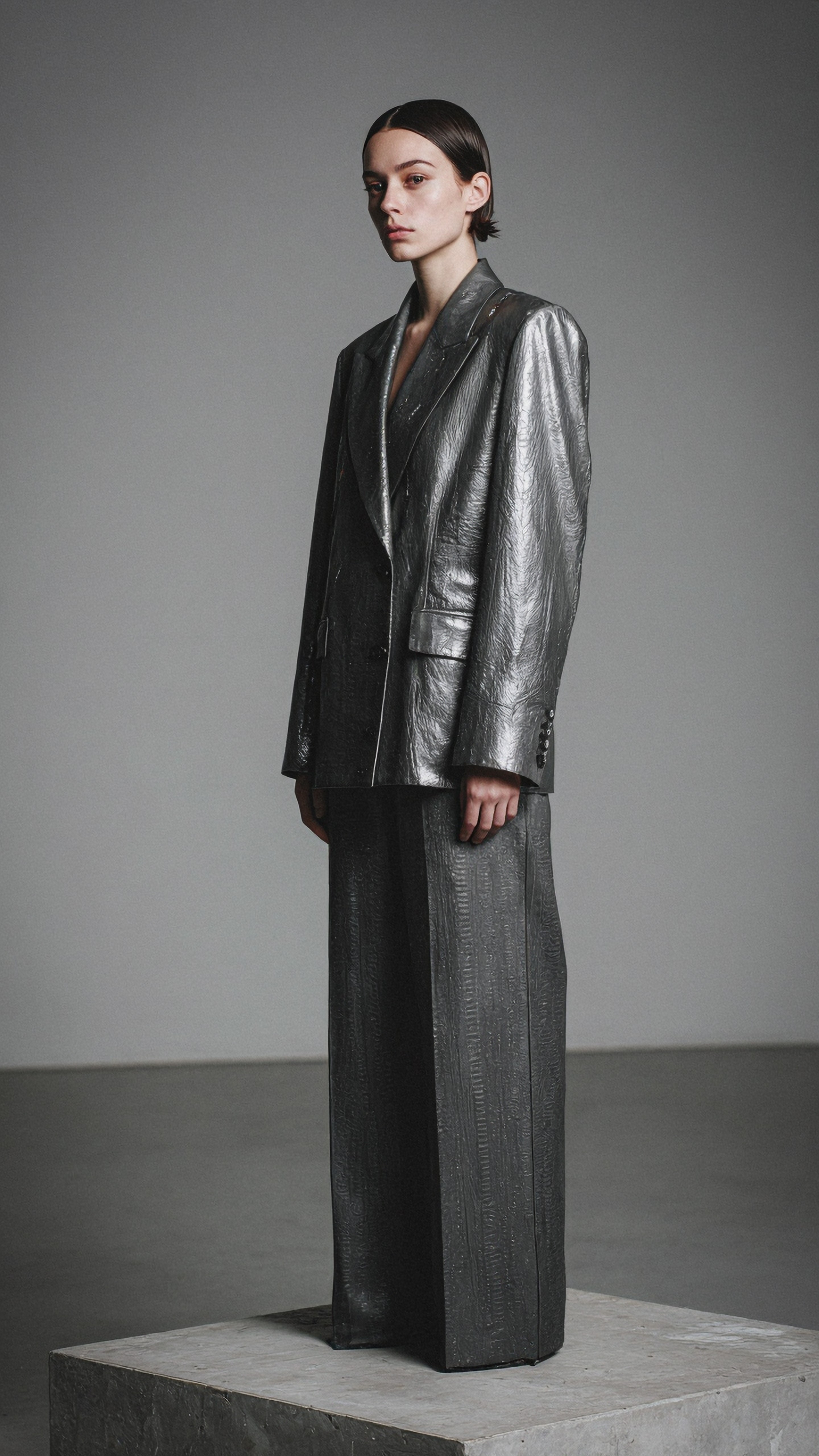
The best text-to-image AI 2026 tools are separating by workflow, not just image style
A major 2026 change is that no single model dominates every use case. The phrase best text to image AI 2026 depends heavily on what the user needs.
Different model families now tend to specialize in areas such as:
- fast ideation and thumbnail generation
- high-end photorealistic advertising visuals
- stylized illustration and anime key visuals
- product image consistency across SKUs
- cinematic concept art and environment design
- controllable character generation for sequences
This specialization is healthy. It means comparisons are becoming more practical. Instead of asking which model is “best,” creators now ask:
- Which model follows long prompts best?
- Which one preserves faces across variations?
- Which one handles typography or packaging layouts best?
- Which one is fast enough for live client sessions?
- Which one supports control inputs like reference images, masks, and pose data?
That is a more mature market.
Faster AI image generation is changing how teams actually work
Raw speed is no longer just a convenience metric. Faster AI image generation changes workflow design.
In 2026, model speed improvements come from:
- more efficient samplers
- better hardware optimization
- smaller high-performing variants for ideation
- staged generation pipelines with quick draft mode and refined final mode
- server-side batching and caching in cloud platforms
The effect is significant. Teams can now do live iteration in situations that were previously too slow:
- art direction reviews
- ecommerce variation testing
- social content adaptation by market
- pitch deck visualization
- rapid concept boards during pre-production
When image generation drops from minutes to seconds for usable drafts, the interaction model changes. Prompting becomes conversational and iterative instead of slow and precious.
Why speed matters beyond convenience
Speed helps in three specific ways:
1. Broader exploration: teams test more visual directions before locking one. 2. Lower revision cost: changing wardrobe, angle, weather, or color palette becomes cheap. 3. Better collaboration: stakeholders can react to visuals in real time.
Use case: product marketing iteration
A marketing team launching a wearable device can quickly test premium, sporty, and minimalist image directions in one meeting, then refine only the strongest route.
Topic: Smartwatch launch visual for premium ecommerce campaign
Genre: Product Editorial
Camera: Canon EOS R5
Lens: 100mm macro f/2.8
Lighting: Studio butterfly light with controlled strip light rim accents
Location: Black acrylic tabletop set with floating brushed aluminum panels
Style: Clean commercial look
Final Prompt: A premium 2026 smartwatch hero image on a black acrylic tabletop, brushed titanium case, deep graphite strap, screen glowing with minimal health metrics, slightly angled three-quarter composition, subtle reflection under the product, controlled butterfly light shaping the top surfaces with narrow rim accents on the edges, Canon EOS R5 look, 100mm macro f/2.8 precision detail, floating brushed aluminum background panels, crisp commercial composition, luxury ecommerce polish, neutral charcoal and steel palette, immaculate material texture, premium industrial design realism, ultra-clean advertising finish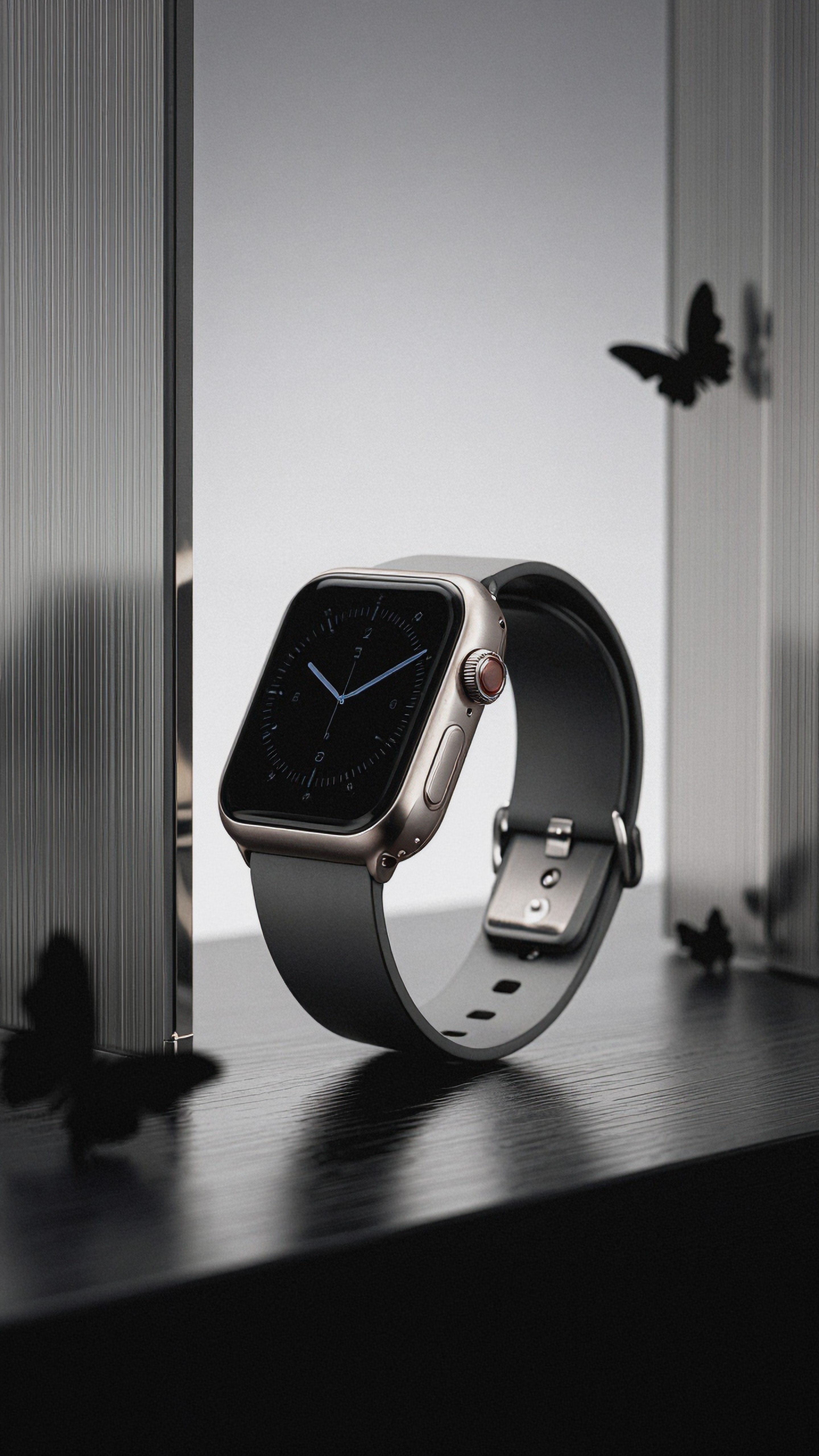
Prompt control in AI art is the biggest practical leap
Of the three major shifts, prompt control is arguably the most important. Better quality is valuable, and faster generation improves workflow, but prompt control determines whether the tool can operate inside real production constraints.
In 2026, prompt control in AI art is improving across several dimensions:
- instruction hierarchy: the model better understands which elements are primary
- attribute binding: colors, garments, and props attach more reliably to the right subject
- spatial reasoning: left/right, foreground/background, and scene placement hold more consistently
- style targeting: models separate subject content from aesthetic treatment more effectively
- reference fidelity: image and character references transfer more predictably
- iterative editing: inpainting and localized revisions are much less destructive
This matters because commercial prompting is usually not poetic. It is constrained. A real prompt may need to specify age range, fabric type, packaging material, lens behavior, aspect ratio, crop safety, and brand palette at once.
From prompt writing to prompt systems
In 2026, advanced users are moving from single prompts to structured prompt systems. These often include:
- a subject block
- a composition block
- a camera and lens block
- a lighting block
- a style block
- negative constraints
- reference image inputs
- seed or variation controls
That modular approach produces more stable outputs across batches.
Use case: campaign consistency across a series
A beauty brand may need six images that keep the same subject identity, bottle design, and mood while changing crop, angle, and placement for different ad units. Better control makes that feasible.
Topic: Luxury skincare campaign portrait with product emphasis
Genre: Beauty Campaign
Camera: Nikon Z8
Lens: 105mm f/2.8 macro
Lighting: Studio butterfly light with soft underfill and glossy specular highlights
Location: Pale rose seamless studio set with reflective acrylic pedestal
Style: High-end beauty advertising
Final Prompt: A refined skincare campaign portrait featuring a woman with luminous natural skin holding a frosted glass serum bottle near her cheek, elegant upright pose, relaxed focused expression, clean slicked-back hair, pale rose seamless studio background with reflective acrylic pedestal, studio butterfly light creating premium facial symmetry and glossy product highlights, Nikon Z8 look, 105mm f/2.8 macro detail, balanced beauty composition with product label clearly visible, soft blush and champagne color palette, dewy skin texture, high-end retouching realism, luxury cosmetic advertising finish
New text-to-image models are getting better at consistency
One of the major weaknesses of older systems was sequence consistency. They could make a striking image, but not a stable character, product, or environment across ten images.
New text-to-image models in 2026 are improving on this through:
- stronger identity locking from reference images
- more stable latent representations for subject features
- better attention across repeated scene attributes
- integrated style memory across a project session
- adapter-based controls for brand or character consistency
This has direct implications for:
- webtoon and comics production
- game previsualization
- storyboard generation
- virtual influencer content
- fashion lookbooks
- travel and hospitality campaigns
Use case: travel campaign with repeatable visual identity
A travel brand can maintain the same lead subject and color mood across multiple destinations without rebuilding from zero each time.
Topic: Coastal travel campaign portrait for repeatable destination storytelling
Genre: Cinematic Travel
Camera: Fujifilm GFX100 II
Lens: 63mm f/2.8
Lighting: Sunset backlight with warm bounce fill
Location: Cliffside resort overlooking the Aegean Sea
Style: Elegant resort editorial
Final Prompt: A cinematic travel portrait of a woman in flowing ivory resort wear standing on a stone terrace above the Aegean Sea, soft wind in the fabric, relaxed posture with one hand resting on a sunlit wall, subtle smile, golden sunset backlight outlining hair and shoulders, warm bounce fill keeping facial detail natural, Fujifilm GFX100 II medium-format look, 63mm f/2.8 refined depth, pastel blue sea and warm limestone architecture in the background, elegant resort editorial styling, airy composition, natural skin detail, premium vacation campaign atmosphere, serene luxury color grading
Better prompt adherence does not mean perfect understanding
Even in 2026, prompt adherence remains uneven. Models are better, but not universally reliable.
Common failure points still include:
- exact counting in dense scenes
- highly specific hand interactions
- unusual object physics
- nested instructions with conflicting priorities
- long text rendering inside images
- precise brand-safe layout reproduction
This is why many professional workflows still combine text prompting with additional controls such as masks, pose guides, layout sketches, and reference images. Text alone has improved, but text alone is not always enough.
AI image generation speed now affects model choice as much as image quality
There is a practical tradeoff emerging in 2026: some of the best-looking models are not the fastest, and some of the fastest models are best used for ideation rather than final delivery.
That means selection often follows a three-stage process:
1. fast draft generation for concept exploration 2. mid-stage controlled variation for narrowing options 3. high-quality final render for production output
This tiered workflow is increasingly common because it mirrors how creative teams already work. Not every frame deserves the slowest, most expensive render path.
Use case: storyboarding and previsualization
Directors and production designers benefit from speed more than absolute fidelity in early phases. A scene that communicates angle, mood, blocking, and environment quickly is often more valuable than a perfect final image.
Topic: Futuristic city chase storyboard frame for previsualization
Genre: Cinematic Concept Art
Camera: ARRI Alexa 35 cinematic capture
Lens: 35mm anamorphic T2.0
Lighting: Neon rim light with wet street reflections and atmospheric haze
Location: Dense elevated transit street in a rain-soaked megacity
Style: Cinematic realism
Final Prompt: A high-tension storyboard frame of a lone courier sprinting across a rain-soaked elevated transit street in a futuristic megacity, dark technical jacket, messenger pack bouncing with motion, urgent focused expression, low forward camera angle, ARRI Alexa 35 cinematic capture feel, 35mm anamorphic T2.0 perspective, neon signage casting cyan and magenta rim light, wet pavement reflecting traffic streaks, background layered with elevated rails, vapor haze, and distant towers, cinematic realism with sharp subject separation, dramatic motion energy, production-design-rich worldbuilding, moody high-contrast color grade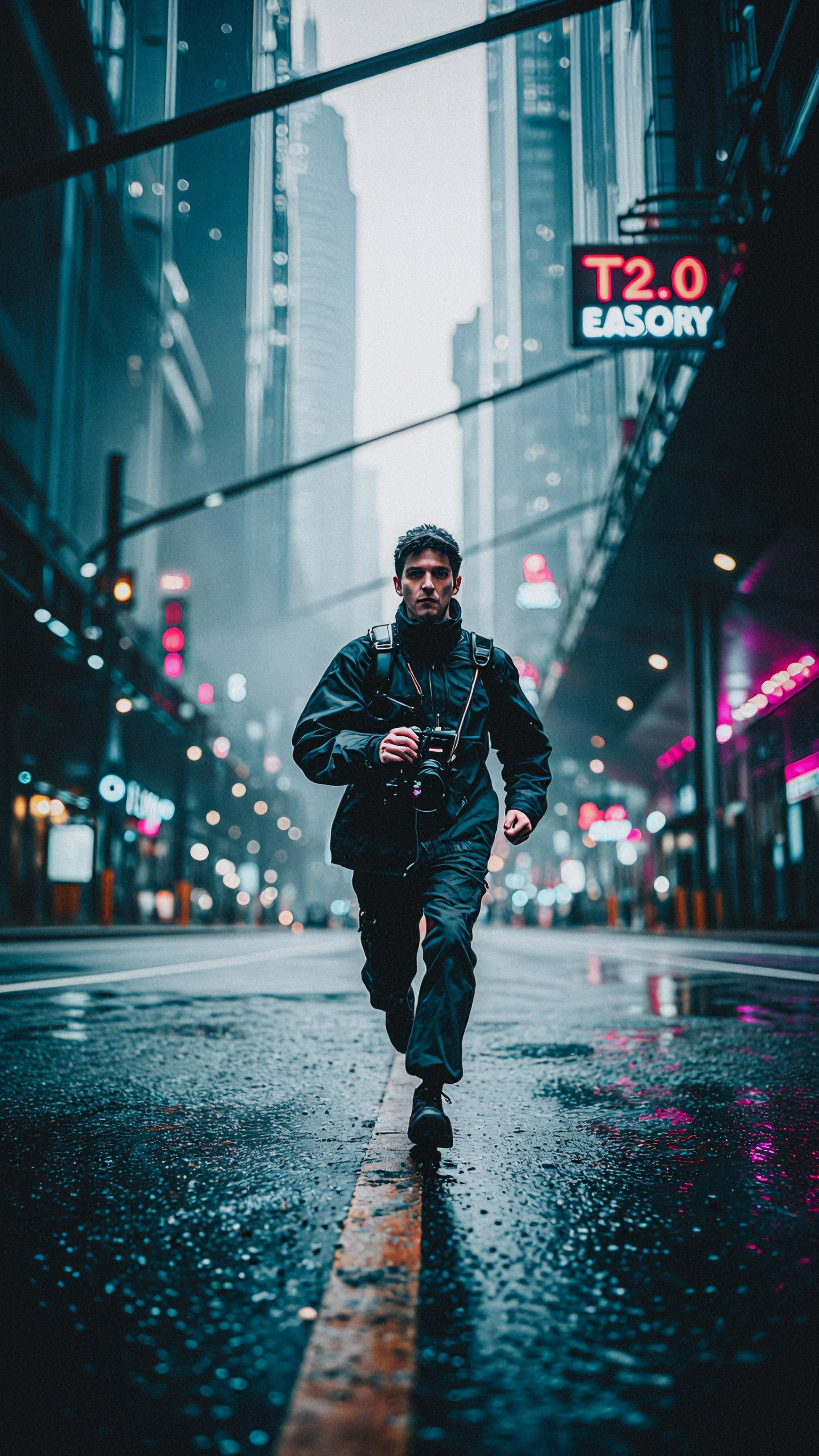
Quality gains are especially visible in materials, lighting, and camera logic
One useful way to evaluate text to image AI in 2026 is to look beyond first impressions and inspect whether the image behaves like a photograph, illustration, or designed frame should behave.
The strongest models now show better handling of:
Material realism
- satin versus silk versus latex
- frosted glass versus polished glass
- matte ceramic versus glossy enamel
- raw concrete versus painted plaster
Lighting consistency
- believable shadow direction
- cleaner separation between key light and fill
- more natural skin highlights
- improved reflections in product shots
Camera logic
- more realistic focal length behavior
- stronger subject-to-background scale
- cleaner depth transitions
- fewer impossible perspective distortions
This does not make every image photographic. It makes intentional stylization easier because the underlying rendering is more stable.
Topic: High-detail interior visualization for boutique hospitality design
Genre: Lifestyle Portrait
Camera: Leica SL2-S
Lens: 35mm f/2
Lighting: Overcast diffusion through tall windows with warm practical lamps
Location: Boutique hotel lounge with walnut paneling and textured linen seating
Style: Clean commercial look
Final Prompt: A sophisticated boutique hotel lounge scene with a well-dressed guest seated casually in a walnut-paneled interior, textured linen sofa, stone coffee table, warm table lamps, curated books and ceramic decor, soft overcast daylight entering through tall windows, Leica SL2-S look, 35mm f/2 natural interior perspective, calm contemplative expression, relaxed crossed-leg pose, balanced composition that shows both character and space, earthy beige, walnut, and olive palette, tactile fabric and wood grain detail, polished hospitality editorial realism, understated premium atmosphere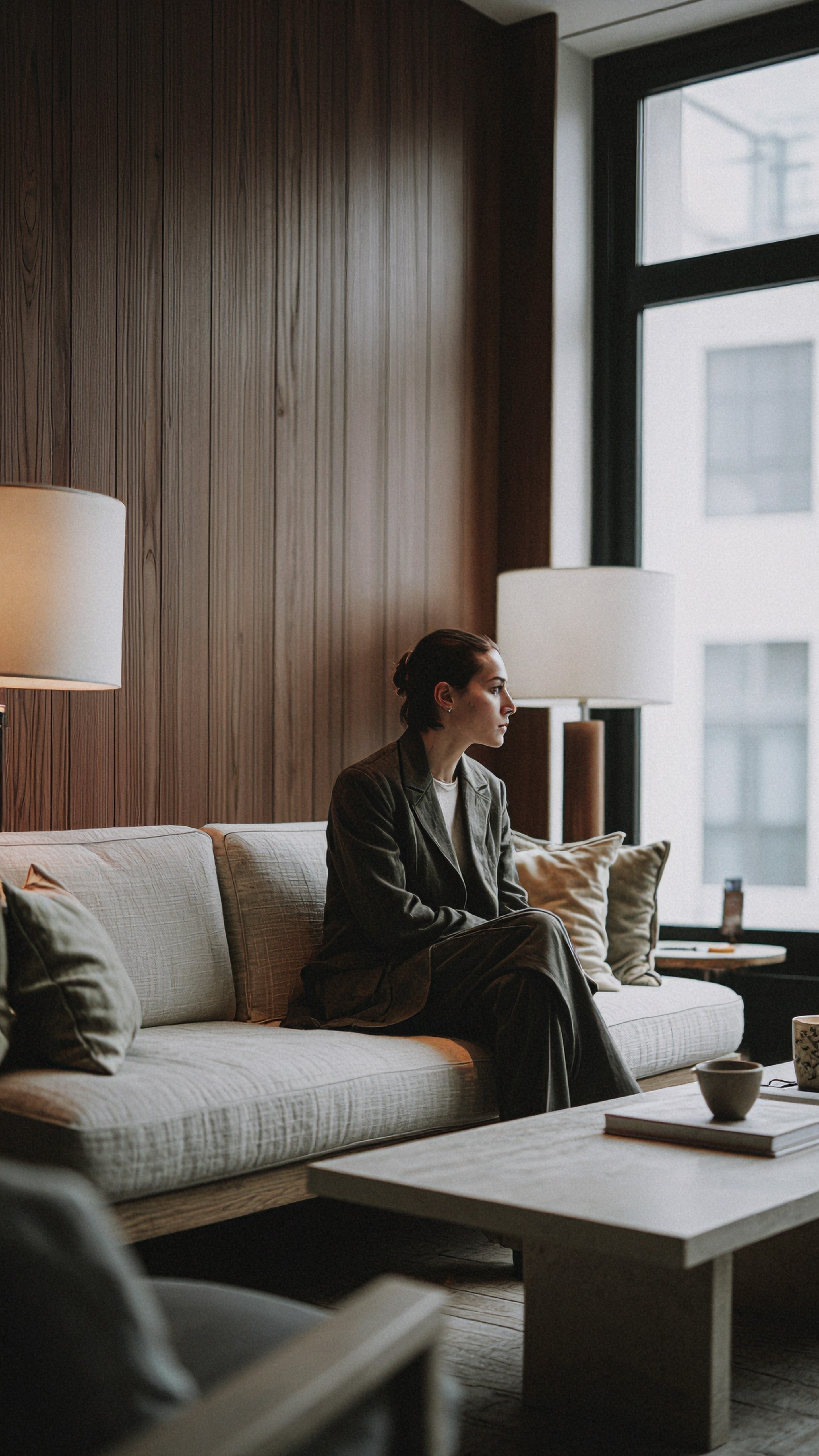
Concrete use cases where 2026 systems are materially better
The improvements in AI image quality, speed, and control are most visible in practical settings.
Ecommerce product imaging
Brands can create controlled product variants, seasonal backdrops, and concept visuals without scheduling full studio shoots for every test. Human photography remains important, but AI now handles more exploratory and support work.
Fashion and beauty pre-production
Teams can test styling, palette, set design, and framing before the real shoot. This reduces uncertainty and improves communication between art directors, stylists, and clients.
Game and film concepting
Environment, prop, and mood exploration happens faster, especially when a team needs many variations under a shared visual language.
Social content localization
Campaigns can be adapted for region, season, and platform format more efficiently while keeping visual consistency.
Educational and editorial illustration
Publishers can generate targeted visuals that explain technical or abstract topics more clearly than stock imagery.
Architecture and interior previews
AI can rapidly visualize mood, finishes, lighting states, and furniture directions before detailed 3D work is complete.
Topic: Sustainable sneaker ecommerce concept with lifestyle appeal
Genre: Street Style
Camera: Sony FX3 still-frame capture
Lens: 50mm f/1.8
Lighting: Golden hour with warm side light and subtle pavement bounce
Location: Quiet urban side street with textured concrete walls and small plant shadows
Style: Luxury campaign
Final Prompt: A street-style ecommerce campaign image featuring a model leaning casually against a textured concrete wall, wearing cream tapered trousers, oversized knit top, and sustainable low-top sneakers in sand and moss tones, one foot slightly forward to showcase the shoe profile, warm golden hour side light with soft pavement bounce, Sony FX3 still-frame aesthetic, 50mm f/1.8 natural perspective, clean urban background with delicate plant shadows, calm confident expression, premium lifestyle composition, earthy neutral palette, visible knit and suede texture, modern luxury campaign finish with realistic footwear detail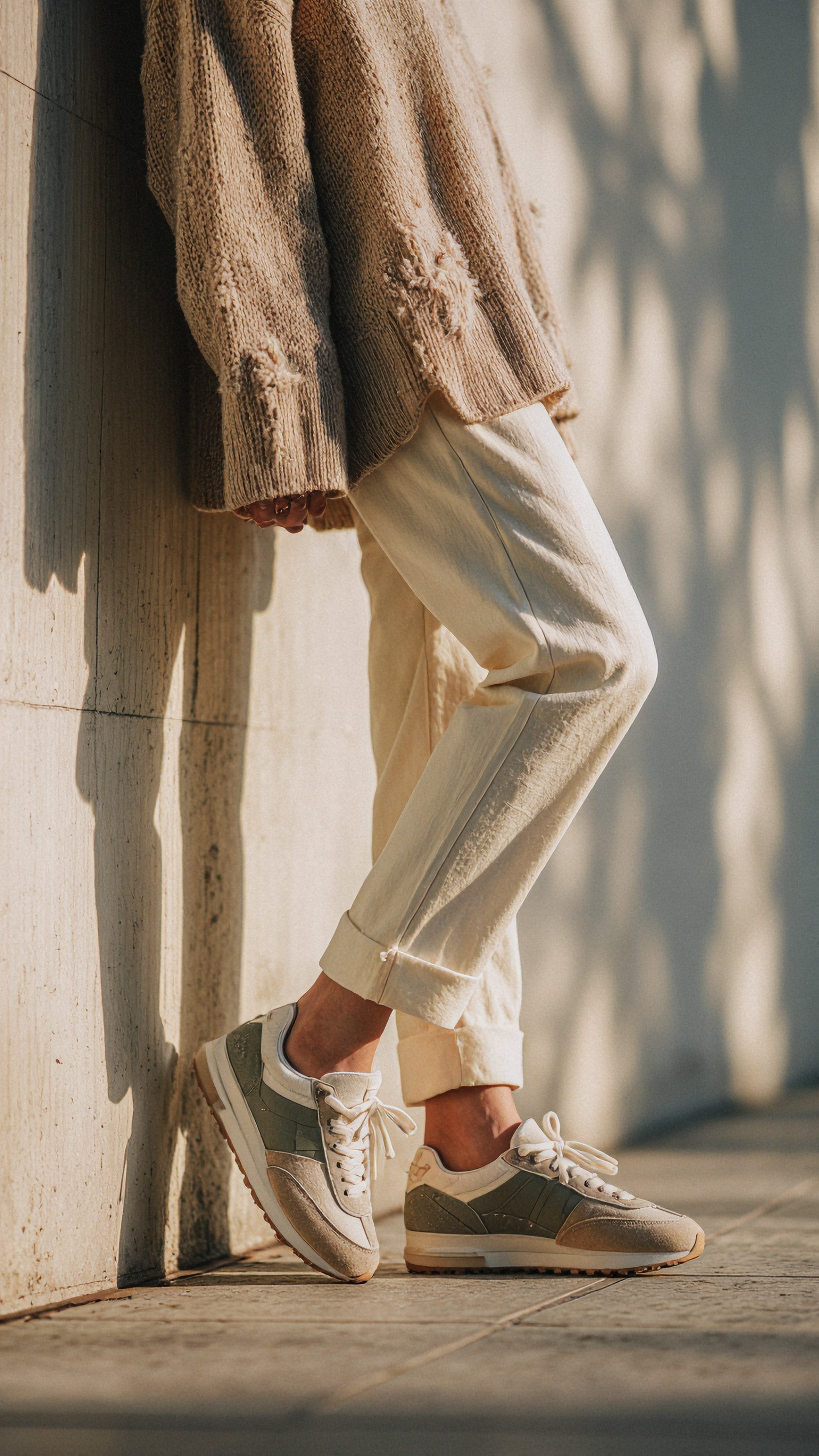
Prompting in 2026 rewards specificity, but not overload
A common mistake is assuming that better models always need longer prompts. In practice, the most effective prompts in 2026 are usually structured and specific, but not cluttered.
Strong prompts tend to include:
- a clear subject
- one dominant visual intent
- a coherent camera choice
- a realistic lighting setup
- a defined location or set
- a style direction tied to the use case
Weak prompts often fail because they stack too many moods, styles, and contradictory instructions.
Better prompt pattern
A good 2026 prompt usually answers these questions:
- What is the image for?
- What is the main subject?
- What visual genre fits the use case?
- What camera perspective supports it?
- What lighting gives the right mood and material response?
- What details make the frame feel intentional rather than generic?
Topic: Anime-style hero poster for a science-fantasy series
Genre: Anime Key Visual
Camera: Dynamic cel-animation cinematic framing
Lens: 28mm equivalent wide-angle look
Lighting: Moonlit backlight with electric blue energy glow
Location: Ancient observatory rooftop above a stormy floating city
Style: Cinematic realism
Final Prompt: A dramatic anime key visual of a young hero standing on the rooftop of an ancient observatory above a stormy floating city, layered navy coat with silver fasteners, windswept hair, determined expression, one hand extended toward glowing blue energy sigils, dynamic low-angle 28mm equivalent framing, moonlit backlight separating the silhouette, electric blue light illuminating the face and costume edges, swirling storm clouds and distant floating towers behind, rich indigo and cyan palette, detailed stone textures, cinematic composition with poster-ready negative space, high-impact anime rendering with refined atmospheric depth
Where the limits still are
Despite progress, text-to-image AI in 2026 still has clear limitations.
Brand exactness remains difficult
If a company needs exact packaging geometry, exact typography placement, and exact legal copy, AI generation still usually needs downstream editing.
True originality is complicated
Models can synthesize compelling visuals, but originality depends heavily on the user’s art direction and prompt discipline. Generic prompts still produce generic images.
High control often requires multi-step workflows
The best outputs increasingly come from workflows that combine prompting with references, masking, upscaling, retouching, and selection rather than a single generation pass.
Evaluation is still subjective
A visually dramatic image is not always a useful image. For production work, usefulness includes consistency, editability, and repeatability.
How to evaluate a text-to-image model in 2026
If you are comparing tools, a practical benchmark is more useful than a style-based first impression. Test each model on the same tasks:
1. a portrait with wardrobe and lighting constraints 2. a product hero shot with reflective materials 3. an environment scene with foreground, midground, and background depth 4. a consistent variation set from one reference image 5. an inpainting edit with a targeted change
Score each result on:
- prompt adherence
- anatomy and object coherence
- texture realism
- speed to usable output
- consistency across variations
- ease of correction
That framework reveals more than simply asking which model produces the prettiest single image.
Topic: Packaged beverage ad visual with reflective surfaces and exact mood control
Genre: Product Editorial
Camera: Hasselblad X2D 100C
Lens: 80mm f/1.9
Lighting: Neon rim light with controlled front diffusion and glossy reflections
Location: Mirrored studio set with translucent colored acrylic panels
Style: High-end beauty advertising
Final Prompt: A premium canned botanical beverage hero shot standing upright on a mirrored studio surface, sleek aluminum can with condensation droplets, translucent emerald and amber acrylic panels behind, controlled front diffusion preserving label readability, neon rim light tracing the cylinder edges, Hasselblad X2D 100C medium-format detail, 80mm f/1.9 refined compression, luxurious ad composition with crisp reflection and shallow depth, rich jewel-tone palette, immaculate metallic texture, cool vapor atmosphere, ultra-premium commercial finish designed for high-end digital advertising
The broader shift: from generation to direction
The most important takeaway for text to image AI 2026 is that the center of value is moving away from raw image generation and toward visual direction.
Anyone can type a short prompt and get an image. The harder and more valuable skill is defining:
- the visual objective
- the target audience
- the production context
- the consistency rules
- the editing path after generation
In other words, the tools are getting better, but outcomes still depend on taste, specificity, and workflow design.
Final thoughts
The biggest shifts in text-to-image AI in 2026 are practical rather than mythical. Image quality is improving through stronger structure and realism. Speed is reducing friction and enabling live iteration. Prompt control is making AI images more usable inside real creative pipelines.
The best systems are not simply producing prettier pictures. They are becoming more dependable tools for concepting, marketing, design, and visual communication. At the same time, they still require human judgment, structured prompting, and often multi-step refinement.
For creators, designers, and teams evaluating the next generation of tools, the central question is no longer whether text-to-image AI works. It is how well it fits a specific workflow, how quickly it reaches a usable image, and how reliably it follows direction.
Topic: Founder portrait for AI creative tool editorial feature
Genre: Lifestyle Portrait
Camera: Canon EOS R3
Lens: 50mm f/1.2
Lighting: Window light with soft negative fill and warm desk practicals
Location: Contemporary creative studio with monitors, sketches, and prototype prints
Style: Clean commercial look
Final Prompt: An editorial portrait of a creative technology founder in a contemporary studio, dark knit overshirt over a white tee, seated beside a desk with prototype image prints, sketches, and softly glowing monitors, attentive thoughtful expression, slight forward lean, window light shaping the face with subtle negative fill for contrast, warm practical desk lights adding depth, Canon EOS R3 look, 50mm f/1.2 intimate perspective, balanced composition with contextual workspace details, neutral gray, amber, and muted blue palette, authentic skin texture, polished editorial realism, professional magazine-quality finish